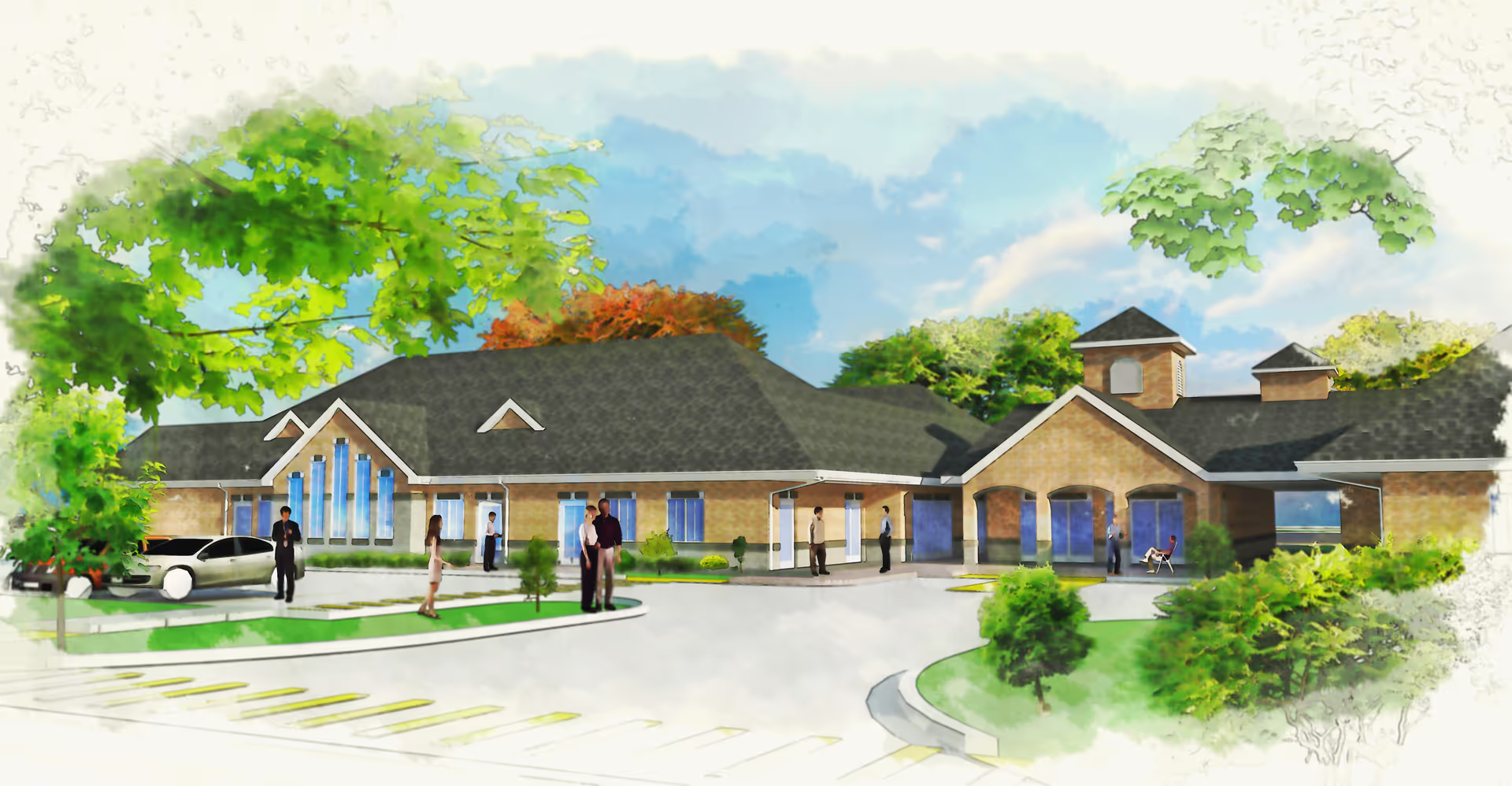
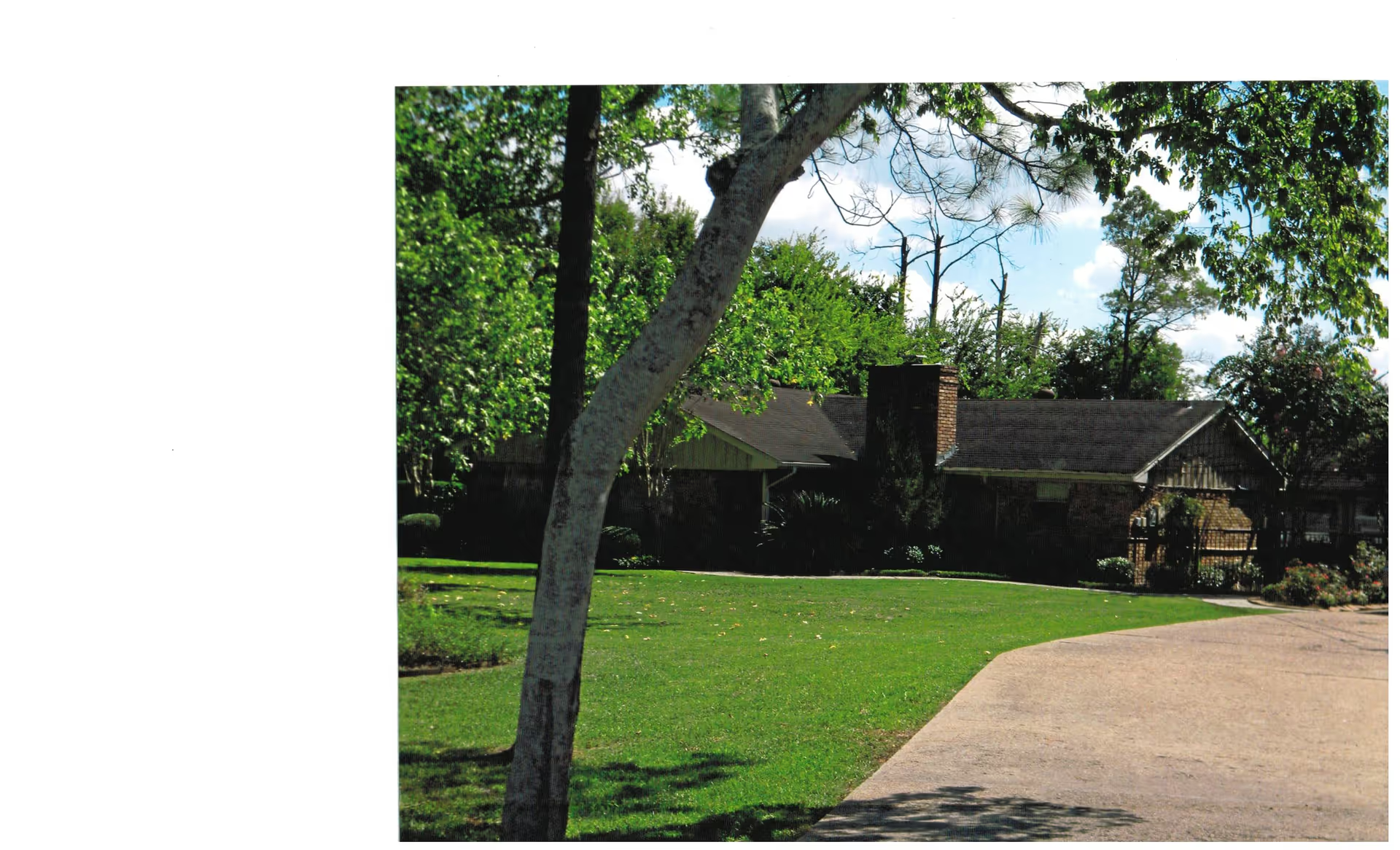
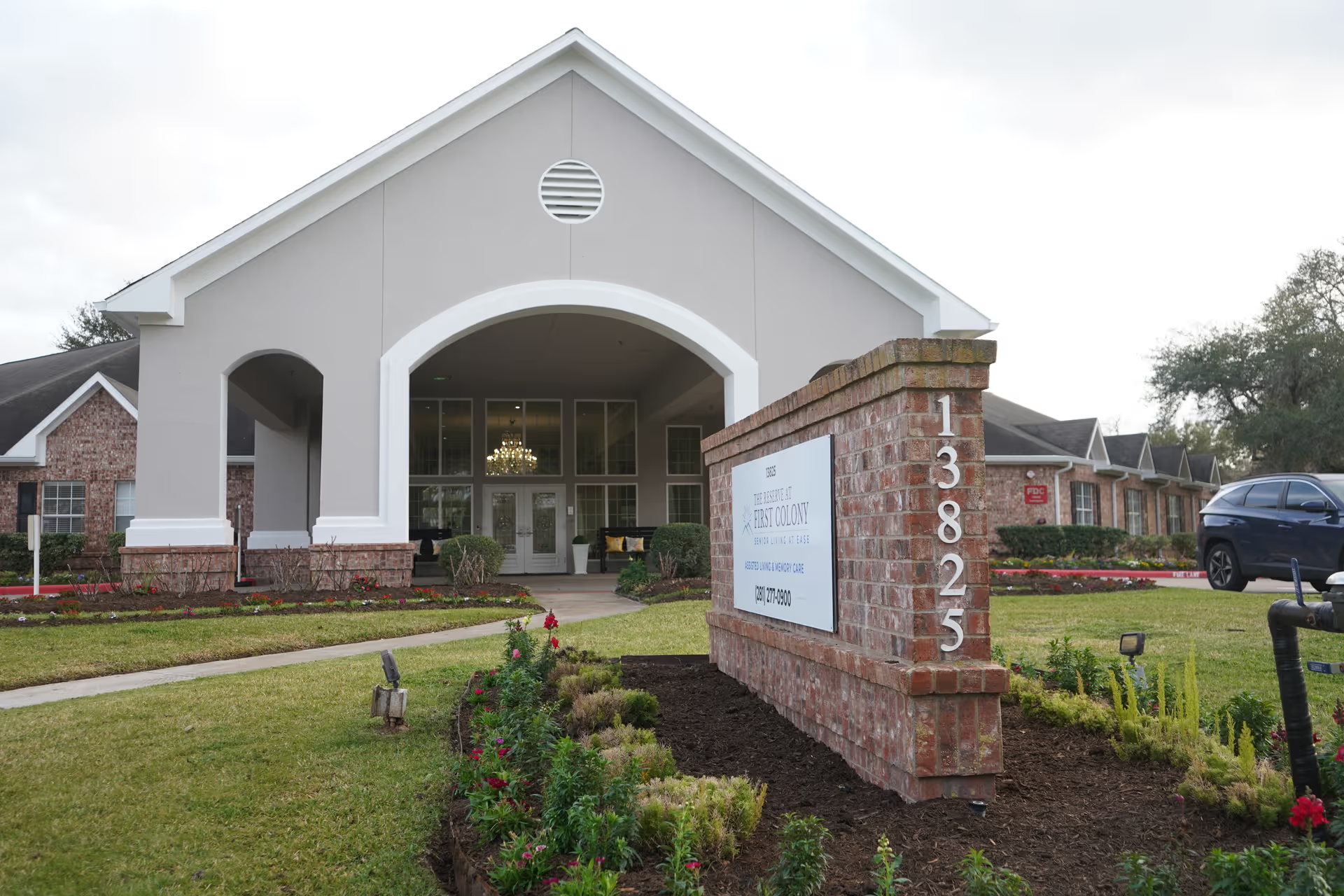
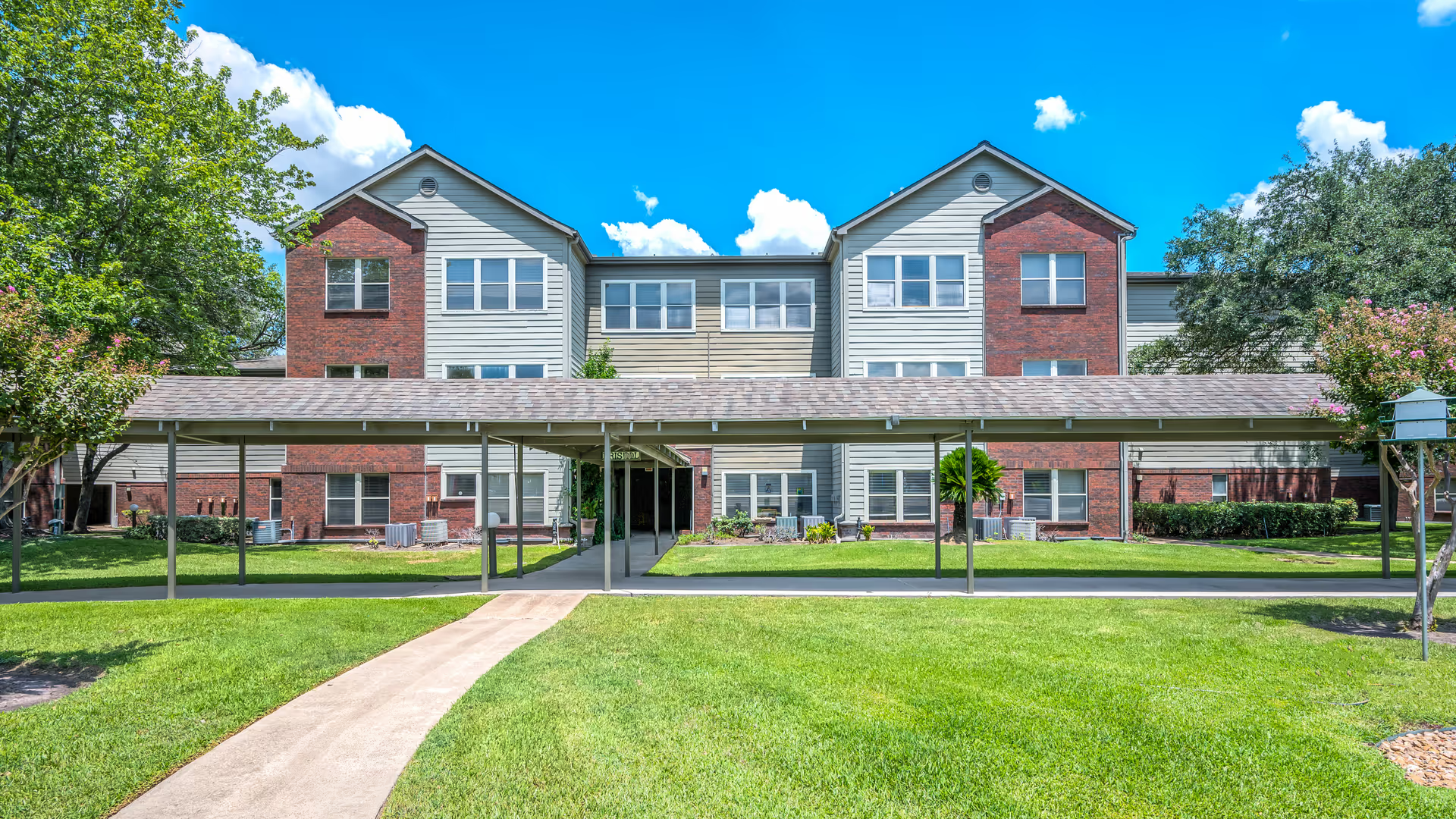
Overview: The Hampton at Meadows Place presents as a modern, well‑appointed senior community with a strong emphasis on hospitality and social engagement. Across reviews, families consistently praise the facility’s clean appearance, spacious apartments, wide hallways, and multiple common areas. The campus-level amenities — gardens, pool, outdoor lounges, ice cream shop and multiple dining venues — are frequently cited as strengths that support resident quality of life. The community atmosphere is described as home‑like, with many staff members known by name and long tenures that contribute to continuity in day‑to‑day interactions.
Care and staffing: Caregiving staff and many clinical team members are repeatedly characterized as compassionate, attentive, and family‑oriented. The presence of 24‑hour nursing and on‑site therapy services is a positive clinical asset for residents who need regular oversight and rehabilitation. At the same time, a clear pattern emerges around staffing consistency: evenings, weekends and some shifts appear to be more thinly staffed, and several families noted inconsistent assignment of caregivers. That combination can lead to delays in addressing routine care needs, variability in how care plans are carried out, and concerns about medication‑administration processes and billing transparency. There are isolated, serious allegations in some reviews (for example, an account describing threatening staff behavior and subsequent concerns following a resident’s death); prospective families should ask about incident‑reporting procedures, clinical oversight, and emergency response protocols during tours.
Dining and activities: Dining is a mixed but generally positive area. Many reviewers complimented chef menus, portion sizes, and special events (ice cream socials, themed meals). Others described bland options, limited fruit and vegetable choices, or constrained menu variety for residents with specific dietary preferences. Activity programming is a clear strength for residents who are independent and engaged — daily activities, outings, games, music and seasonal events are common — but some reviewers observed gaps in afternoon programming and in activity variety within memory care. Families seeking robust, individualized engagement should request current activity schedules and ask how memory‑care programming is tailored to different cognitive levels.
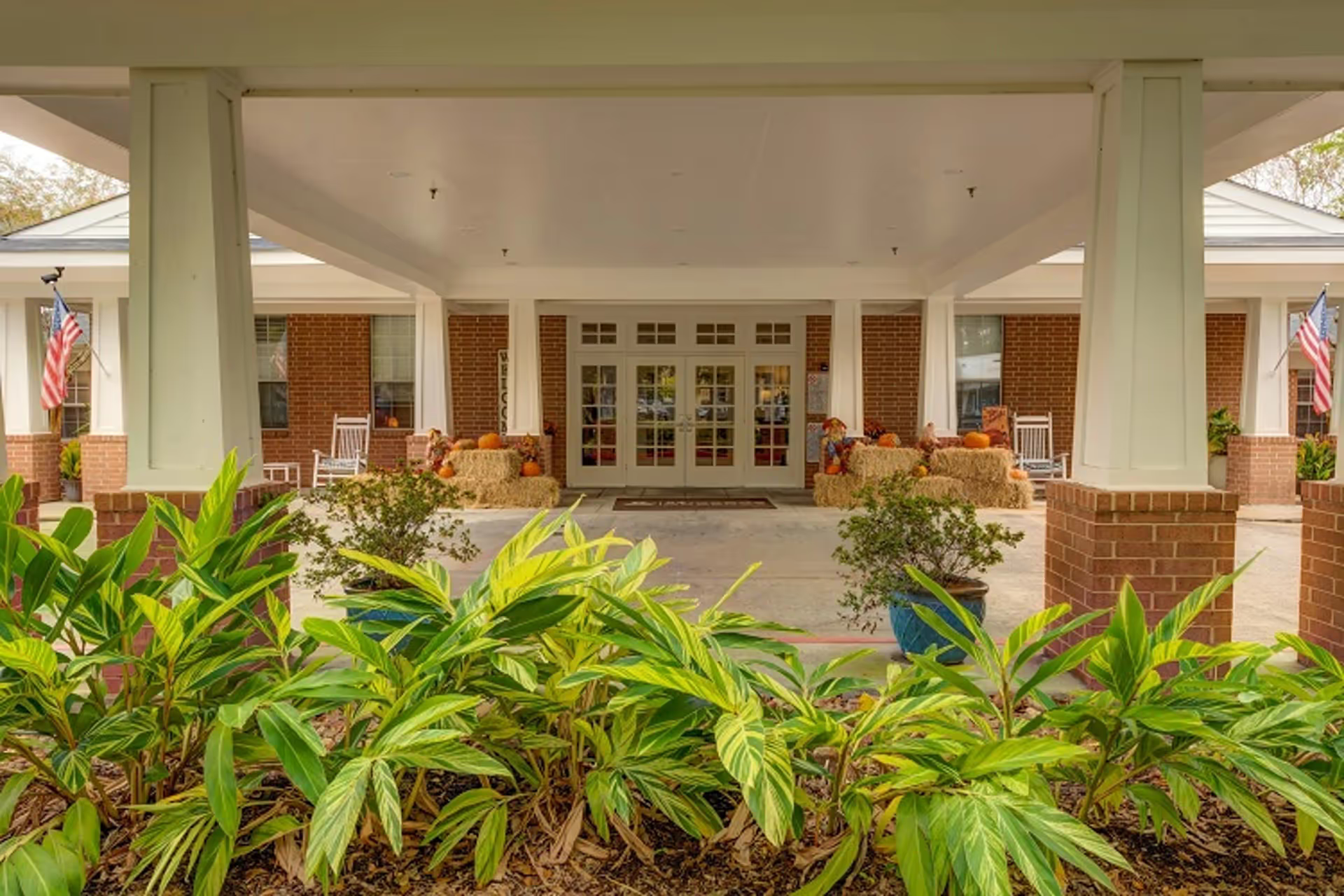
Facilities and maintenance: The physical plant, décor and grounds receive frequent praise: bright rooms, good landscaping, and well‑kept common areas support a pleasant living environment. However, some maintenance and amenity reliability issues were noted (broken water dispensers, hot‑water availability, and areas of public dining/restroom space identified as due for refresh). Prospective residents should inspect specific rooms and common spaces and ask about the maintenance response process and timelines.
Management, admissions and administration: Admissions staff and directors are often described as welcoming and helpful; several families reported smooth move‑ins and supportive transition assistance. Conversely, other families experienced a messy or pressured admissions process, unclear pricing structures, and frustration with a la carte charges (especially for medication monitoring). Ownership and administrative transitions were mentioned as disruptive in some reviews, with consequent changes in nursing leadership or perceived declines in follow‑through. For clarity, families should request a written breakdown of fees, sample monthly statements, staffing ratios by shift, and the community’s policy on assignment of dedicated care teams.
Notable patterns and recommendations for families: Strengths cluster around staff compassion, the physical environment, and the breadth of amenities and social programming. Operational weaknesses center on staffing consistency, care continuity, medication processes, and administrative transparency. These are the most actionable areas to probe during a visit: ask for current staffing ratios (day/evening/night), how primary caregivers are assigned, medication‑administration and billing procedures, examples of memory‑care activity plans, maintenance response times, and how the facility manages clinical incidents. Doing targeted homework on those topics will help families weigh the strong elements of the community against the operational gaps highlighted in some reviews.