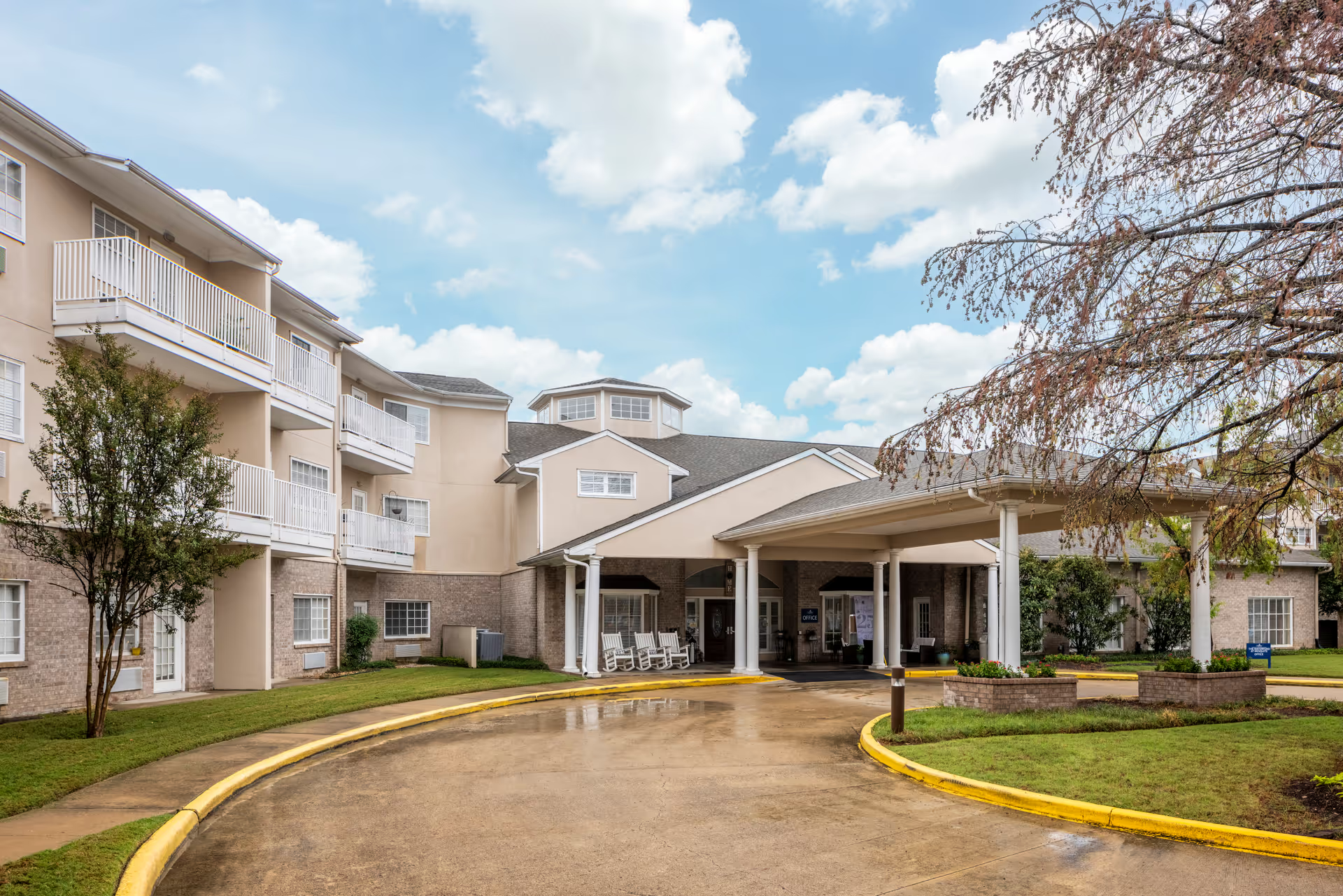
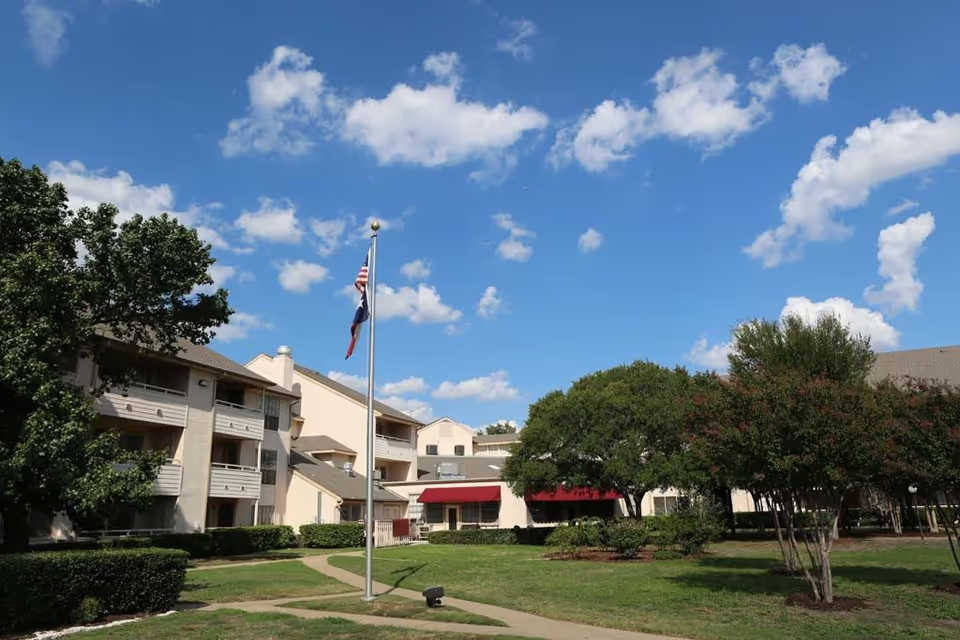
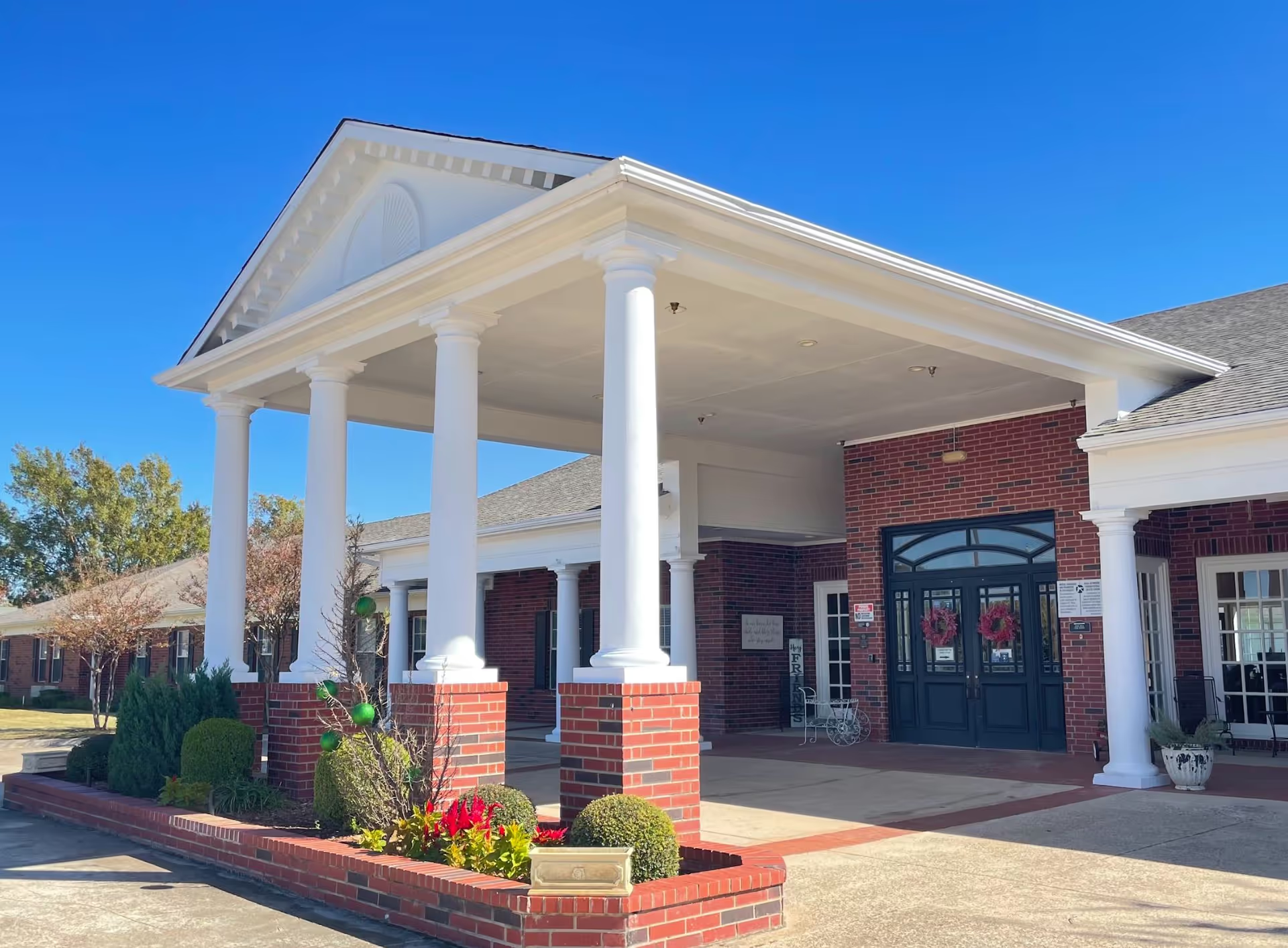
Palomino Place presents a mixed portrait. Strengths cited consistently include a well-kept, newer facility with an accessible layout, attractive private rooms, and clean common areas maintained by an active environmental team. Dining and nutrition are frequently described as strong points: reviewers praise a fine-dining experience, nutritious meal options, and visible leadership from the nutrition director and team. Therapy and rehabilitation services receive favorable comments, and activity programming is characterized as both diverse and tailored to resident interests.
Staffing impressions are mixed. Many reviewers highlight professional, caring frontline staff and positive staff–resident interactions, with individual staff and aides described as going above and beyond. At the same time, staffing stability and coverage are recurring operational concerns: reviewers indicate chronic understaffing, notable turnover, and periods with limited supervision, particularly overnight. These staffing patterns are linked to reports of inconsistent assistance with activities of daily living (for example, timely bathing and mealtime assistance) and to gaps in clinical follow-up such as wound care.
Clinical-safety issues are an area to probe for prospective residents and families. Some accounts raise concerns about medication administration errors and uneven wound-care follow-up. Closely related are concerns about inconsistent responsiveness and delays in attending to resident needs. Management and communication are another mixed area: the administration team is praised by some for responsiveness and leadership, while others cite poor communication, unmet expectations, and failures to follow through. Privacy questions have also been raised regarding in-room monitoring policies.
In summary, Palomino Place offers many of the features families often seek—strong dining and therapy programs, an attractive and navigable facility, and numerous activity options—backed by staff members who are frequently described as professional and caring. However, patterns indicating staffing instability, inconsistent day-to-day care practices, medication- and wound-care management gaps, nighttime supervision shortfalls, and family communication lapses temper those strengths. Recommended next steps for interested families: schedule an in-person tour focused on staffing ratios and night coverage, review clinical protocols for medication and wound care, ask about staff turnover and orientation practices, request the facility’s monitoring/privacy policy, and review the most recent state inspection and corrective-action history.