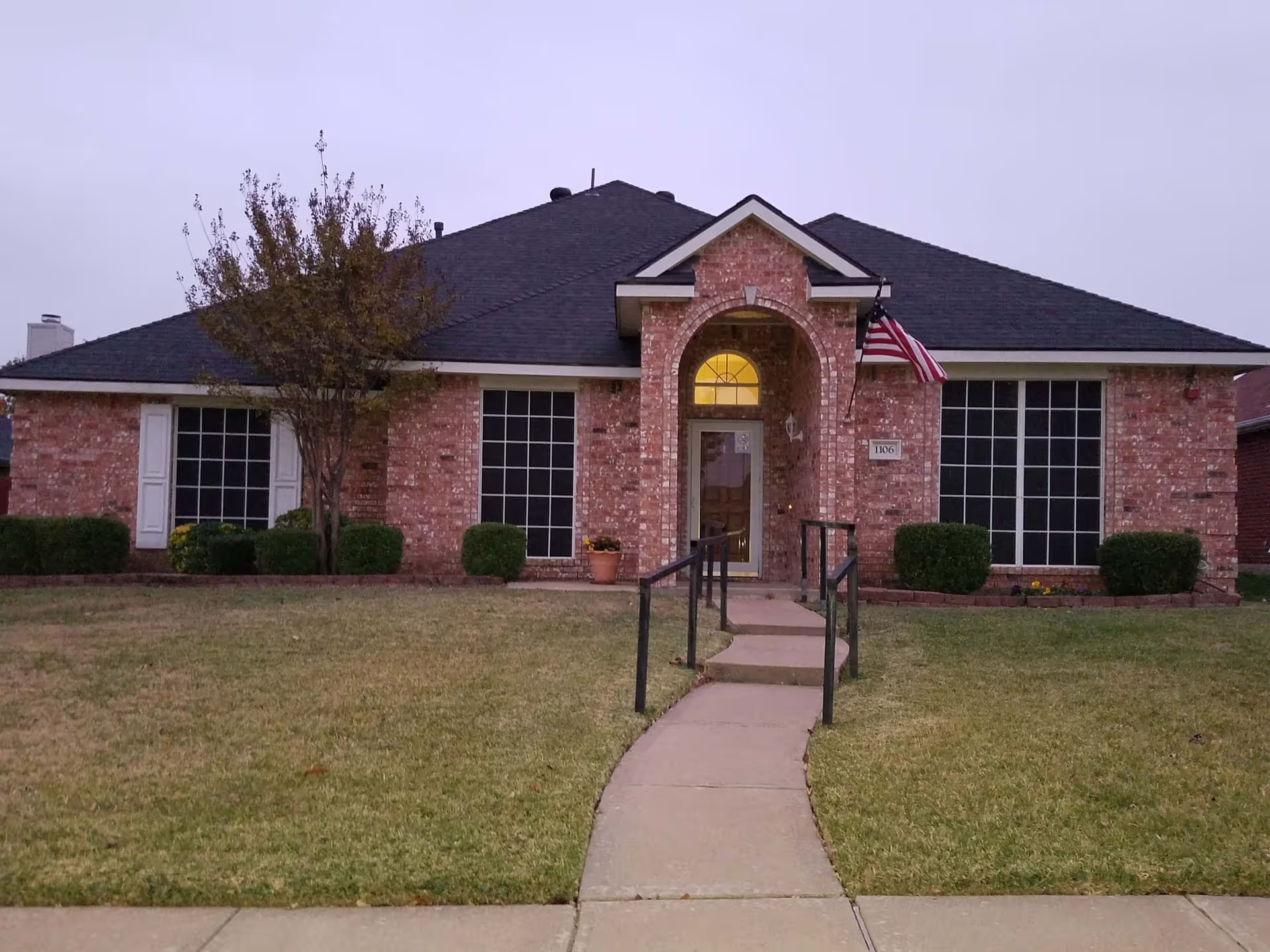
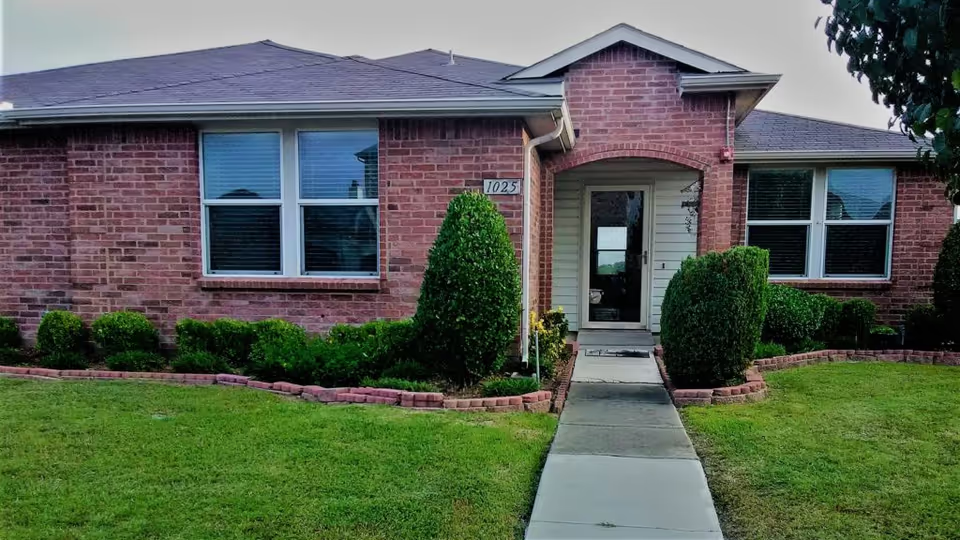
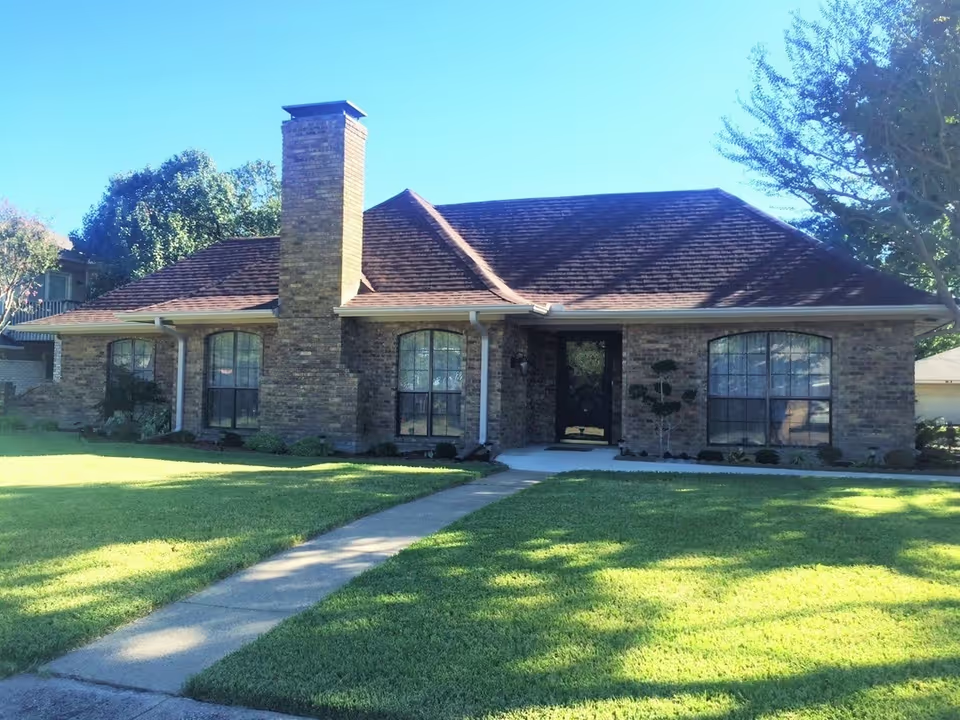
Sophya's Assisted Living is described repeatedly as a small, home-style assisted living residence with a strong emphasis on personalized, compassionate caregiving. Families emphasize consistent, attentive staff interaction, a high staff-to-resident ratio, and long-tenured employees; those features are linked to rapid clinical or behavioral improvements for some residents and to a family-like atmosphere that residents and visitors find welcoming. The facility is also frequently noted for its partnership with hospice providers, indicating an operational focus on end-of-life support and palliative needs.
Daily life and personal care are frequently cited strengths. Reviewers note structured, family-style dining with freshly prepared, home-cooked meals and the ability to tailor menus to resident needs. Regular grooming and personal-care services (hair, nails, dressing assistance), laundry, and housekeeping are described as routine parts of the program. Recreational offerings include both physical activities (yoga, table tennis) and cognitive programs (puzzles, Scrabble, social events, birthday/holiday celebrations), which reviewers report as contributing to resident engagement and improved mood.
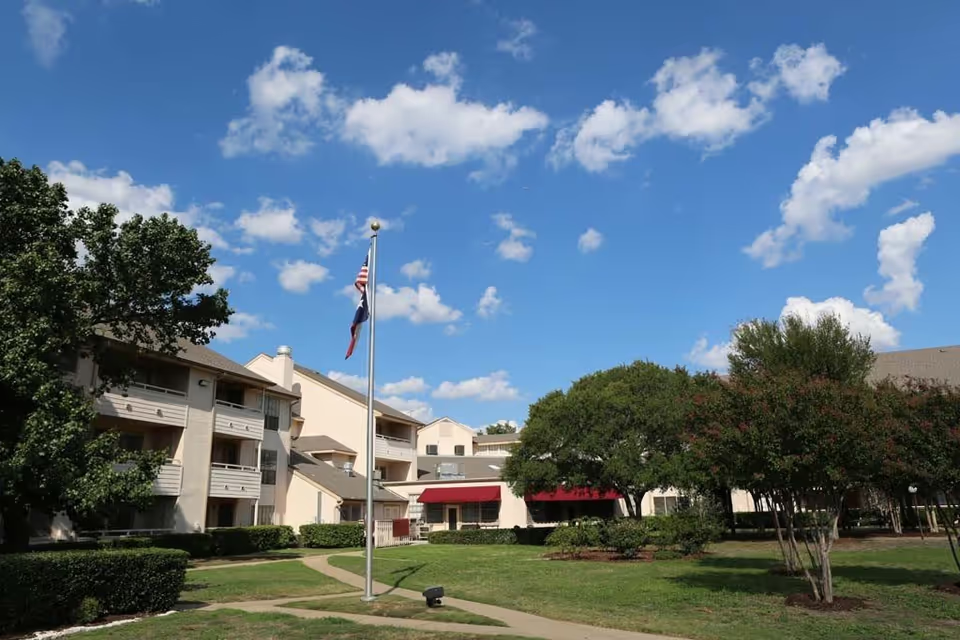
The physical environment is characterized as clean, well-maintained, and residential rather than institutional: private, well-lit rooms, high ceilings, and outdoor garden/patio areas support a restful setting. Multiple comments emphasize the lack of odor concerns, neat common areas, and a centrally organized living/dining space with privacy afforded by the home's layout. Management and ownership are described as visible and involved; specific managers and owners are frequently identified as responsive and supportive, and family communication and updates are cited as a positive operational practice.
Patterns of concern are limited but consistent enough to merit consideration. Cost is a recurring operational limitation for some families—pricing may be higher than other local options. The small-house model that contributes to personalized attention also limits overall capacity, which can affect availability and placement timelines. A few notes reference occasional staffing shortages; while most accounts praise staffing quality, prospective families should verify staffing levels and contingency plans. Finally, because the setting is a small residential home, on-site specialty clinical resources beyond routine nursing and hospice collaboration may be limited; families with complex specialty-care needs should confirm clinical capabilities and transfer protocols before placement.
Overall, Sophya's projects a clear value proposition for families seeking a homelike, high-touch assisted living option with strong hospice integration, personalized attention, and emphasis on dignity and comfort. Prospective residents and families should weigh the benefits of small-scale, individualized care against considerations around cost, availability, and the scope of on-site clinical services, and should discuss specific medical and staffing needs with management during a tour and intake conversation.