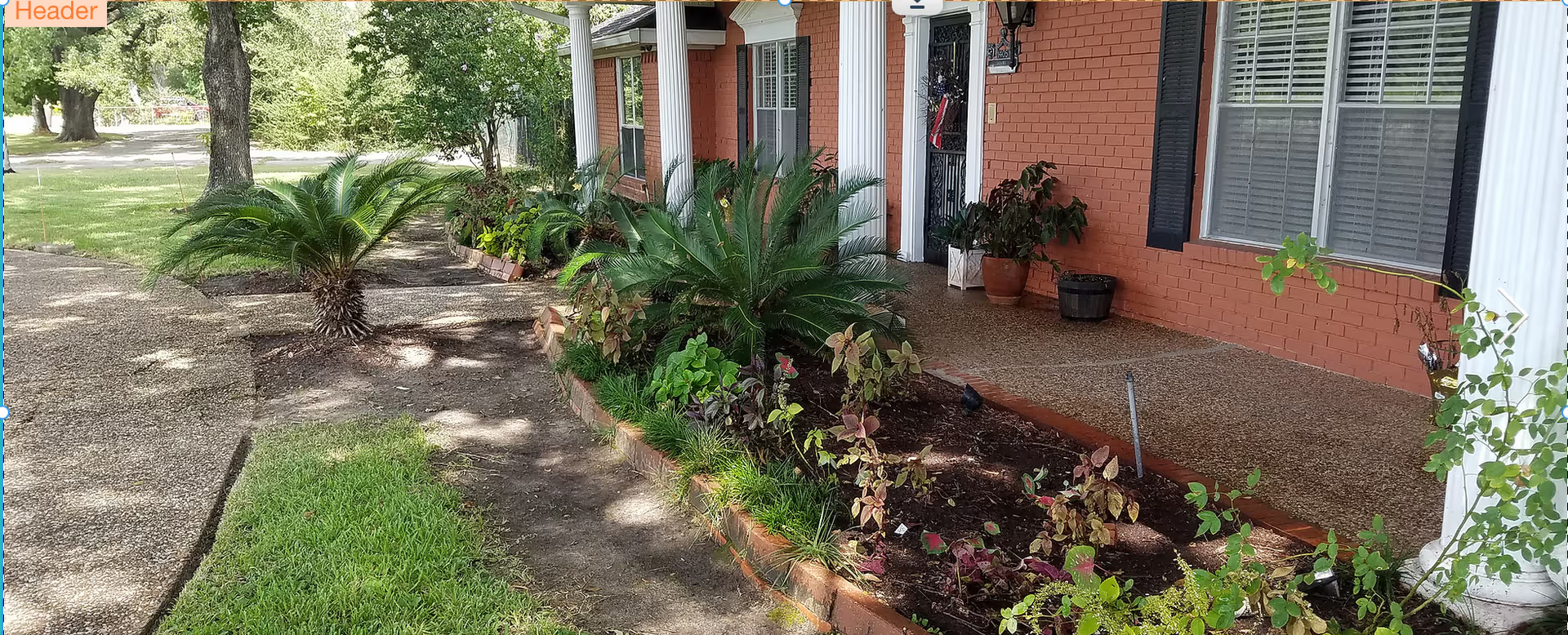
Overall impression: The facility is consistently portrayed as a small, home-like personal care home that emphasizes compassionate, individualized caregiving. Families repeatedly describe attentive, respectful staff and hands-on owners/management who provide daily updates, coordinate with medical teams and hospice, and customize care to resident preferences. The environment is described as clean, comfortable and safe, with structured infection-control practices and a favorable staff–resident ratio that supports close observation and prompt attention to needs.
Care quality and staff: Care is characterized by personalized attention, dignity-preserving interactions, and responsiveness to medical and personal-care needs. Review narratives highlight staff training in geriatric and dementia care, timely medication administration, and coordination with outside clinicians. Management and a named contact person are noted as being highly responsive; this contributes to family confidence and a sense of continuity. The facility’s small size appears to support individualized care and close oversight.
Dining and activities: Dining is repeatedly described as home-cooked, culturally tailored (with Indian meal options and ability to customize diets), and nutritionally attentive. Reviewers note prompt accommodation of dietary requests and appreciation for variety and taste. Activity programming is characterized as emotionally engaging and supportive of resident well-being; however, the small, intimate setting suggests programming is more individualized and social than large-scale or highly varied.
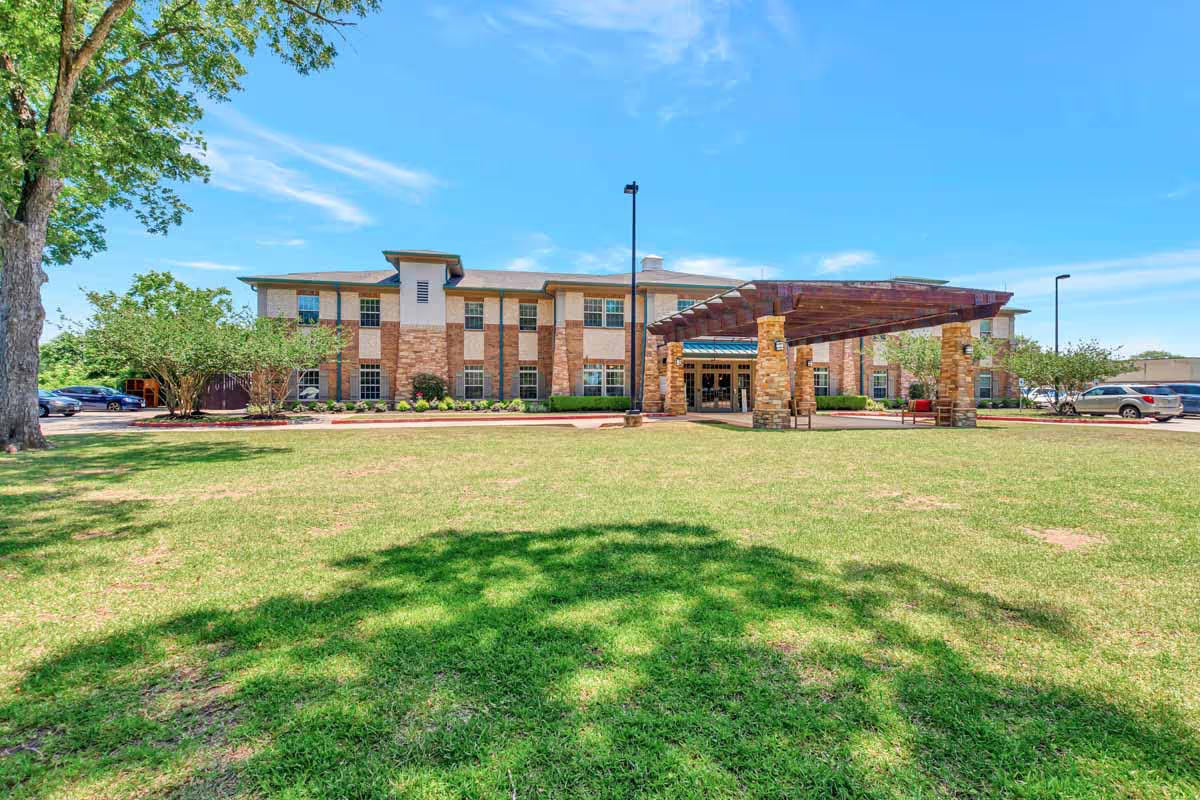
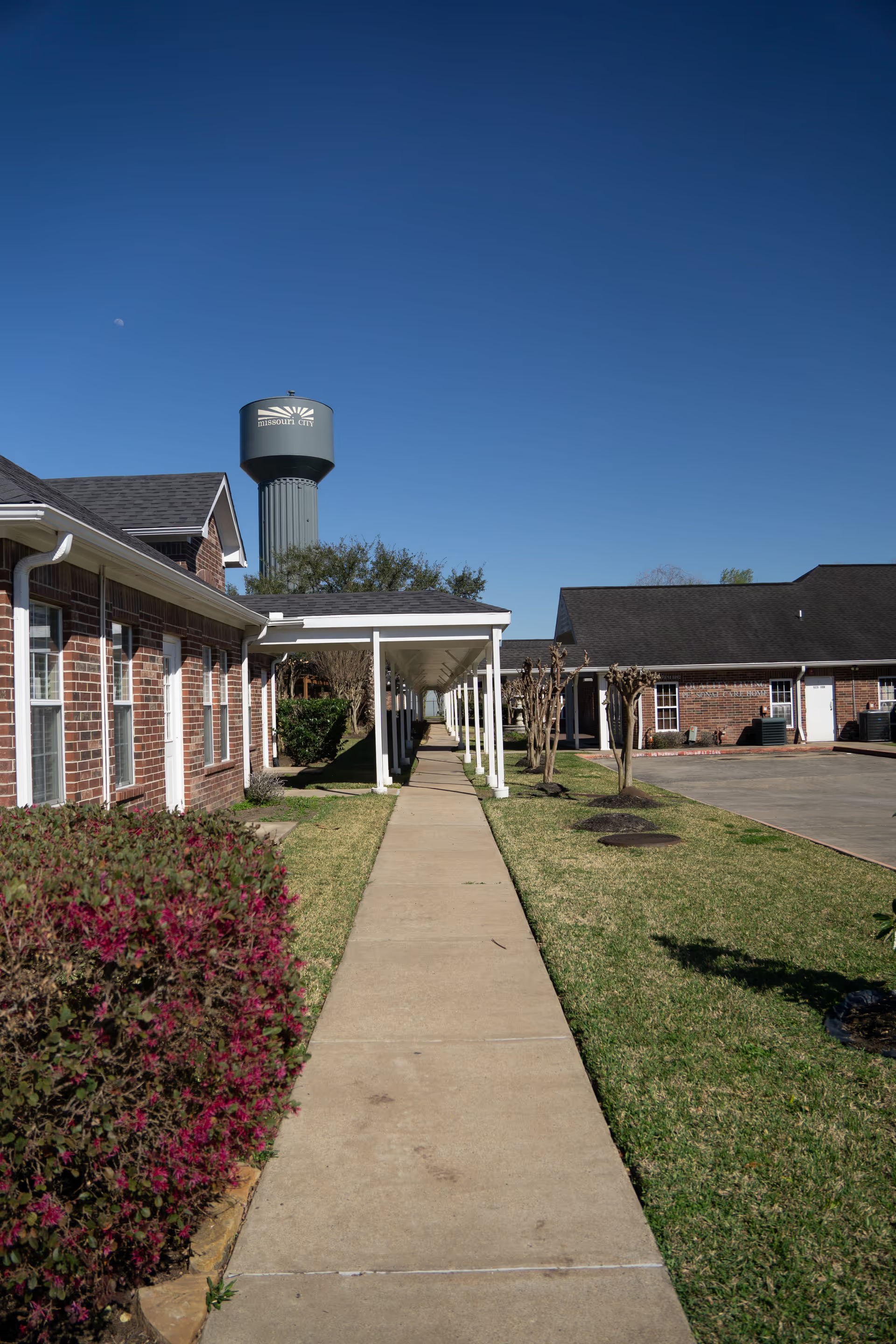
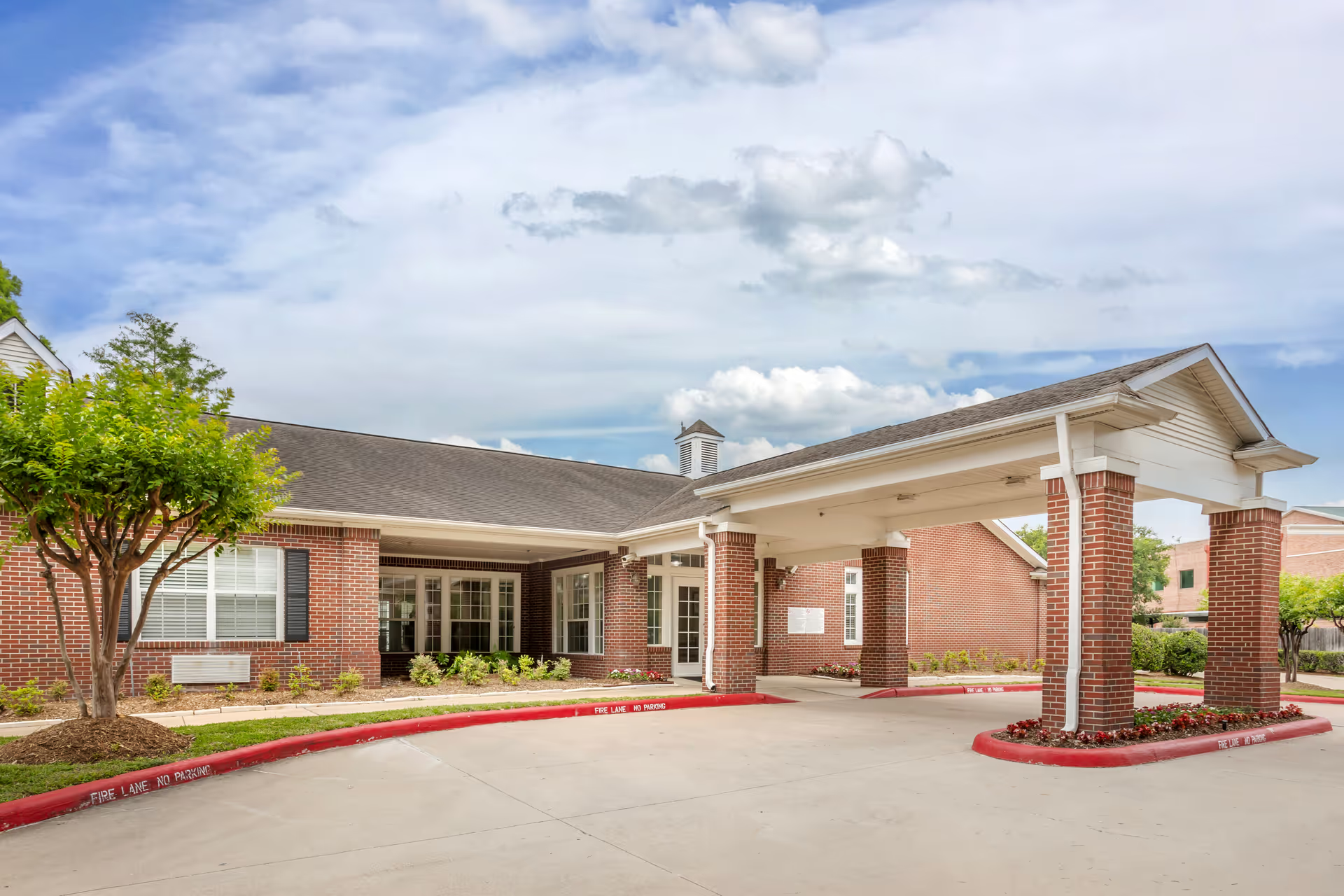
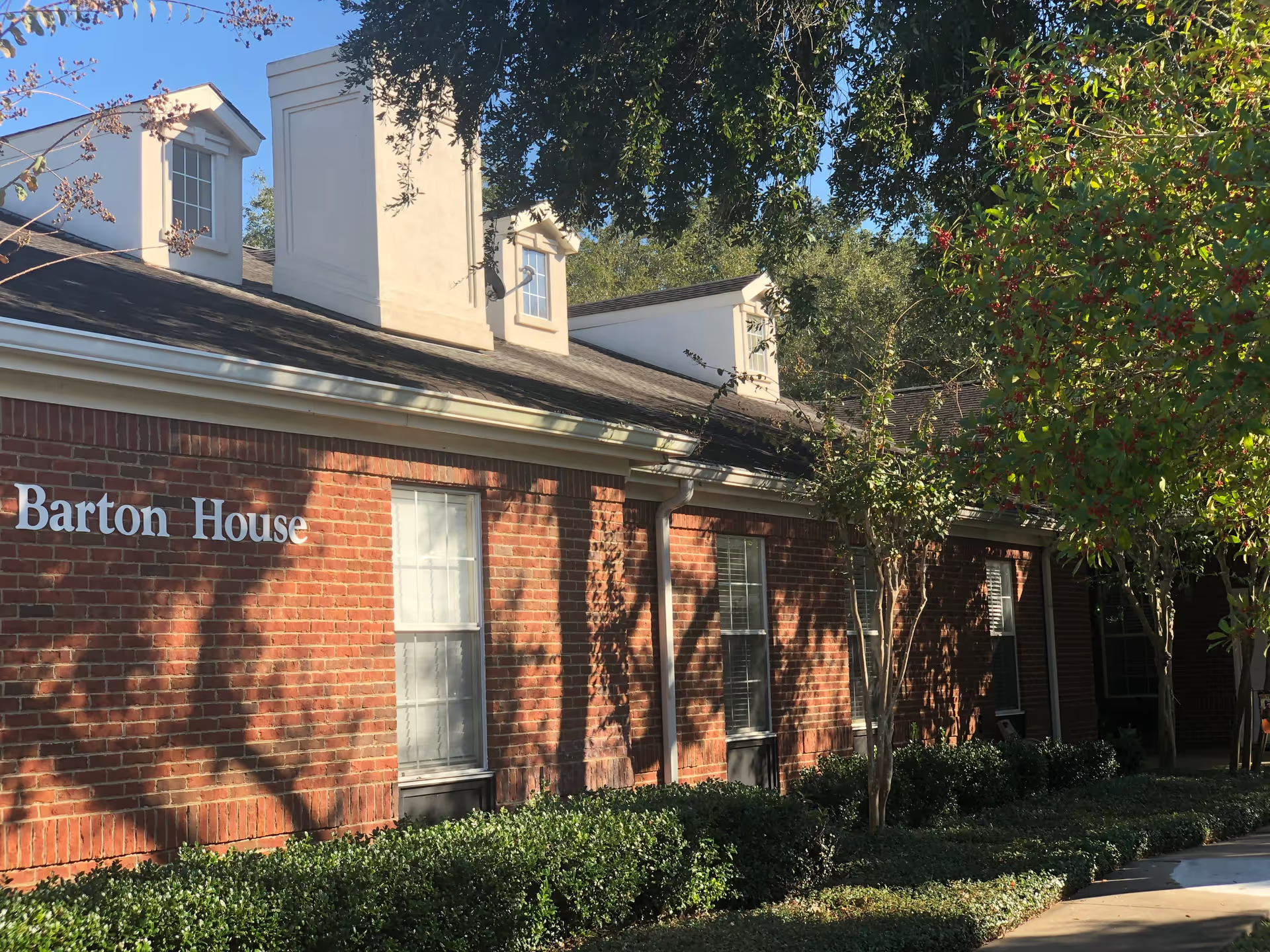
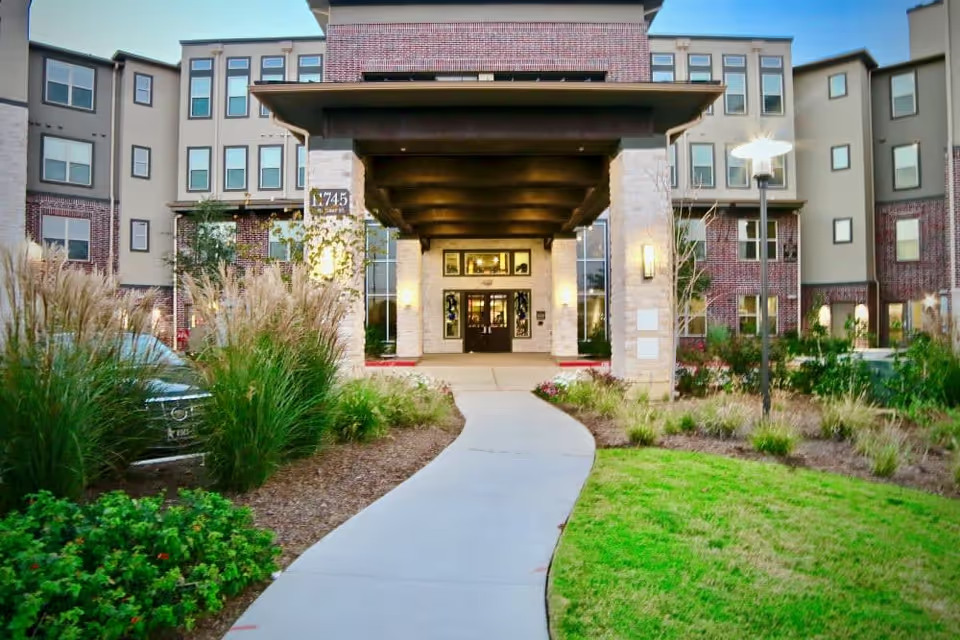
Facilities and infection control: The physical environment is consistently described as clean, well-maintained and homey rather than institutional. Families cite strict COVID-related precautions and an absence of infection incidents in their accounts. The setting is presented as comfortable and safe, with attention to sanitation and personal hygiene practices.
Management and notable patterns: A recurring theme is the role of dedicated owners/managers and a small leadership team who provide regular communication and are closely involved in day-to-day care. That leadership visibility contributes to trust and frequent family praise. The same small-staff, owner-led model creates strengths in personalized care and responsiveness but also indicates potential single points of operational dependence.
Limitations and considerations: Potential residents and families should consider that the facility’s strengths—small census, home-like environment, and cultural tailoring—may also limit capacity for high-acuity medical needs, extensive on-site therapy services, or large-group programming. Availability can be constrained by the limited number of beds, and continuity of experience may be closely tied to specific staff or owners. Additionally, the cultural and faith-based orientation that is a benefit for many may be less suitable for those seeking broader secular or alternative cultural programming.
Bottom line: Shepherd Personal Care Home presents as a well-maintained, compassionate personal care option with strong family communication, culturally responsive dining, and focused dementia/geriatric expertise. It is particularly well suited to people who value a small, home-like setting and hands-on management; families should weigh that model against needs for higher-acuity medical services, broader activity offerings, or rapid availability.