Overall impression: Mount Pleasant Assisted Living presents a mix of clear strengths and operational weaknesses. Many families and residents describe a warm, small-community atmosphere with apartment-style living, helpful transportation, and staff who provide attentive personal support. At the same time, recurring operational issues — particularly around housekeeping, staffing levels, clinical responsiveness, and management consistency — warrant careful inquiry by prospective residents and families.
Care and staff: The facility receives frequent positive remarks about the interpersonal qualities of frontline employees: many accounts highlight compassionate, friendly caregivers, involved social workers, and staff who go above and beyond for residents. These strengths support good outcomes for long-term residents and smooth transitions from short-term rehab stays. However, there is variation in clinical performance and responsiveness: reviewers indicate that nursing care quality and the speed of response can be uneven, and that understaffing contributes to delays or inconsistent follow-through. There are also reported concerns about staff conduct and responsiveness in specific situations; additionally, at least one serious allegation involving financial misconduct has been raised and addressed with restitution, and some reviews referenced confrontational incidents requiring external involvement. Prospective families should ask about staffing ratios, training, and incident-response protocols.
Dining and activities: Dining is widely cited as a positive feature. Meals are described as well-balanced and high-quality, with flexibility for room delivery or dining-room service. The community hosts social events, worship gatherings, and escorted bus trips that many families appreciate. That said, activity engagement appears to vary by building or unit — some residents report robust programming while others note limited offerings. Families should review the weekly activity calendar and ask how programming is adapted for different resident interests and cognitive needs.
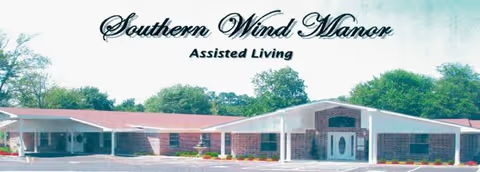
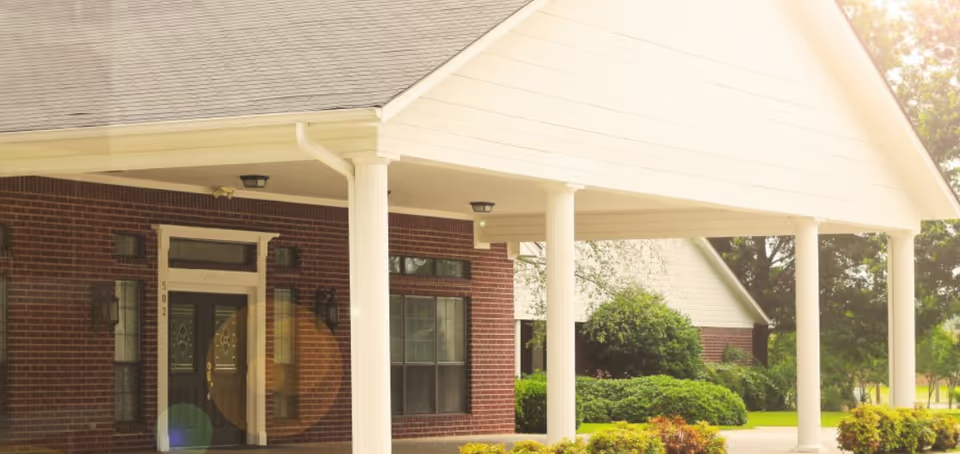
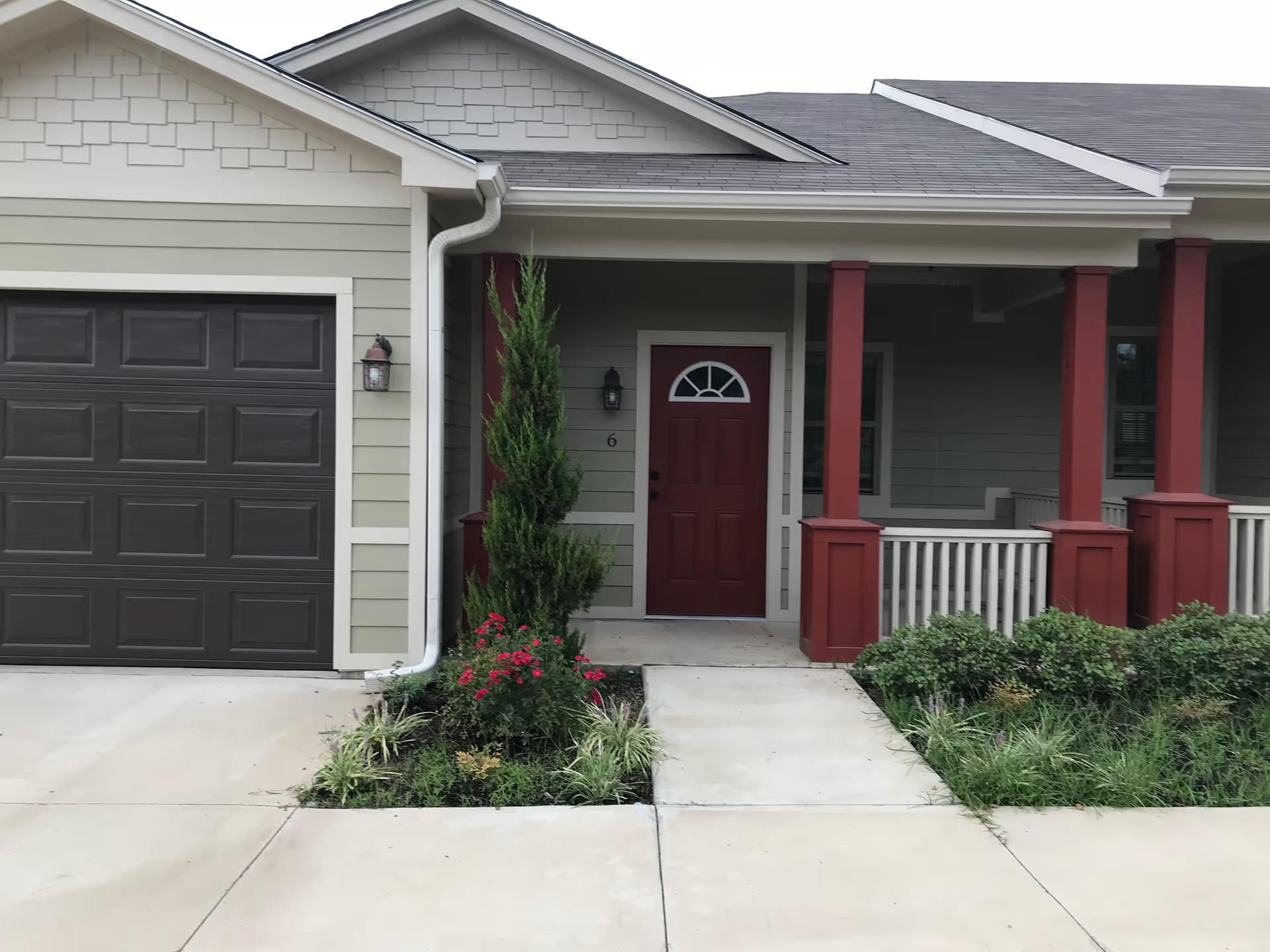
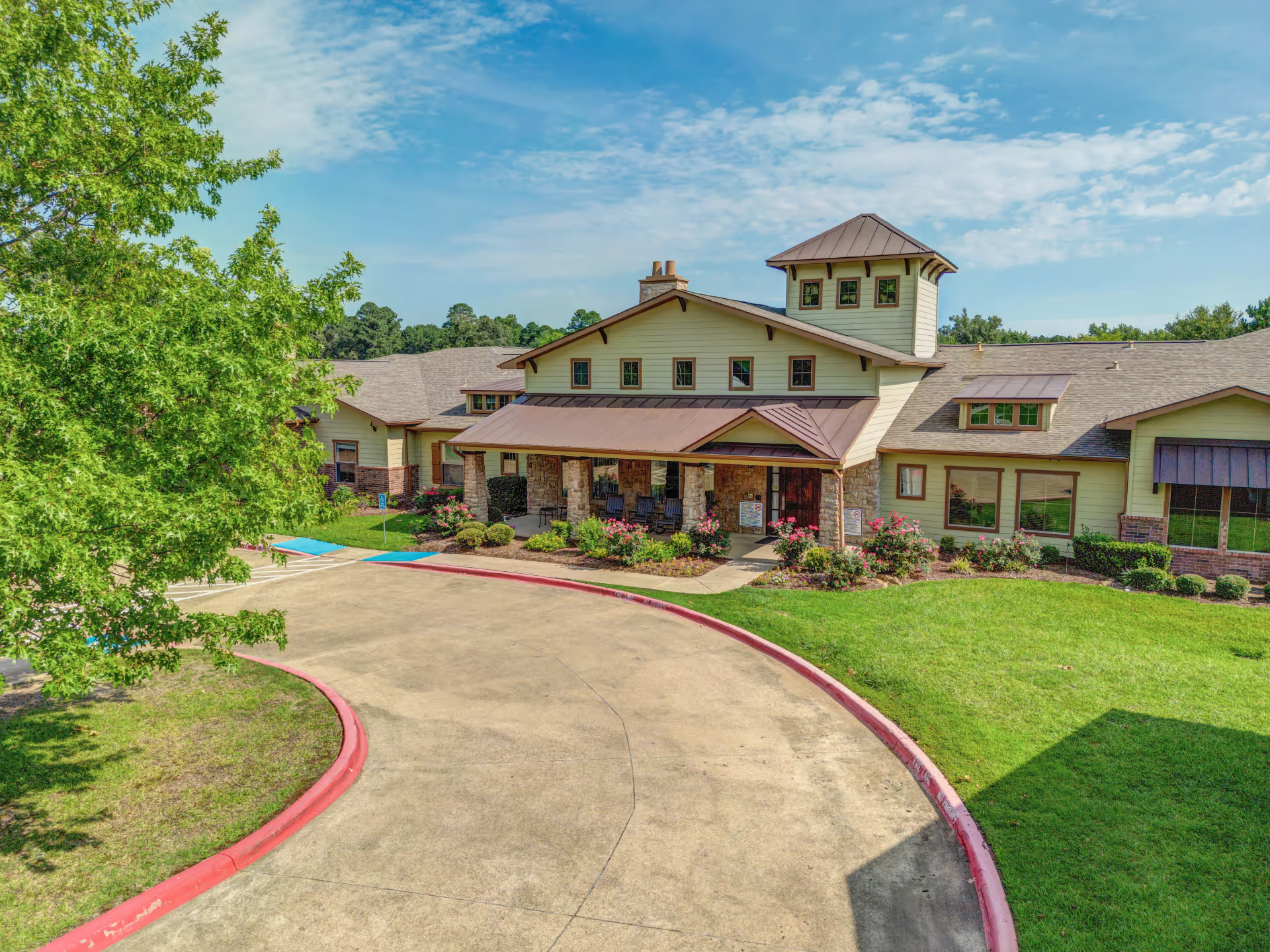
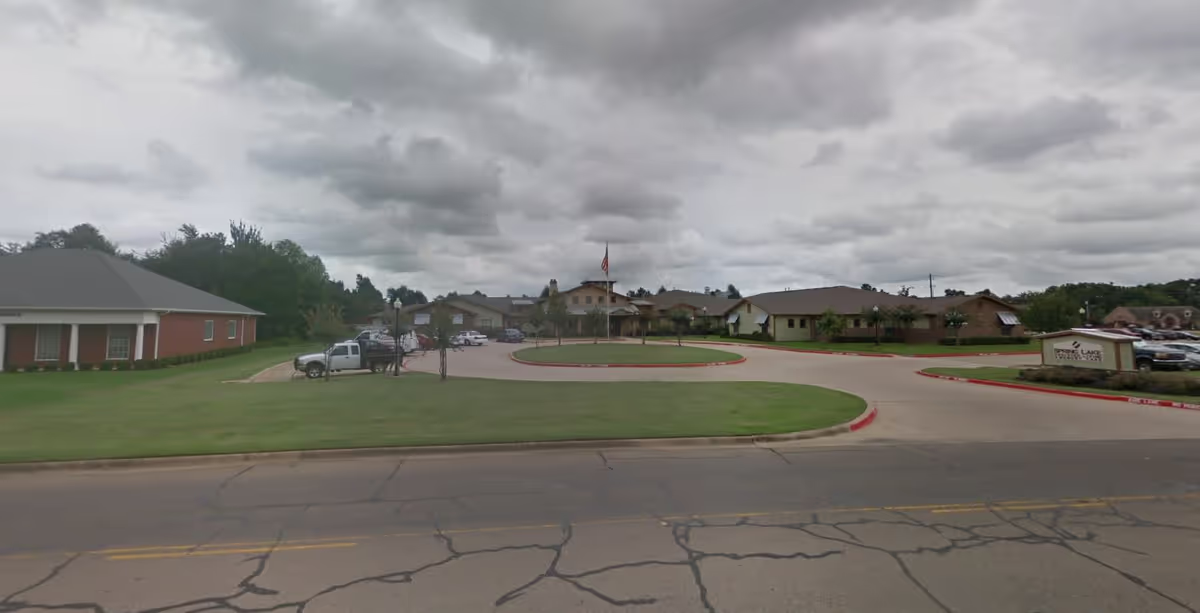
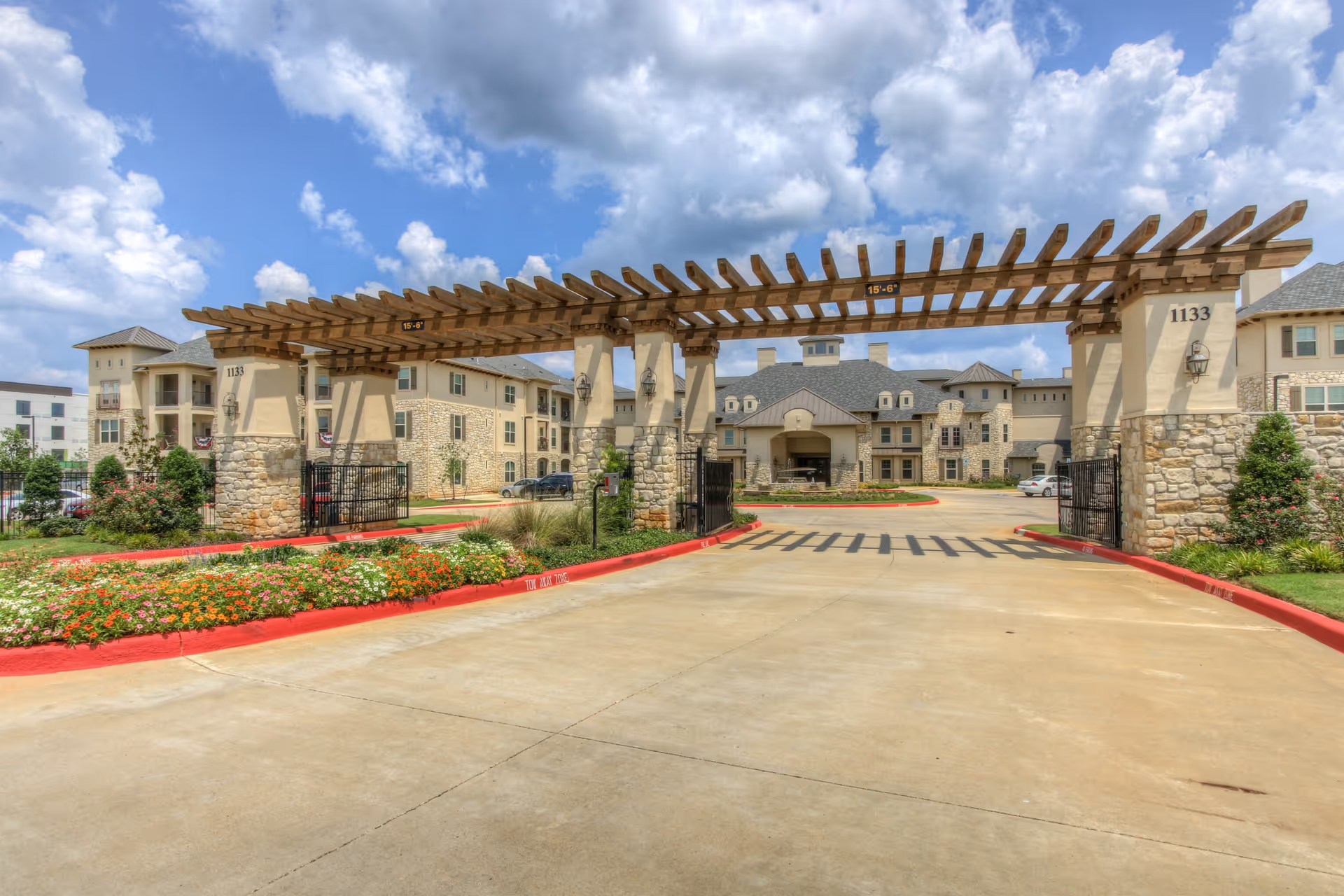
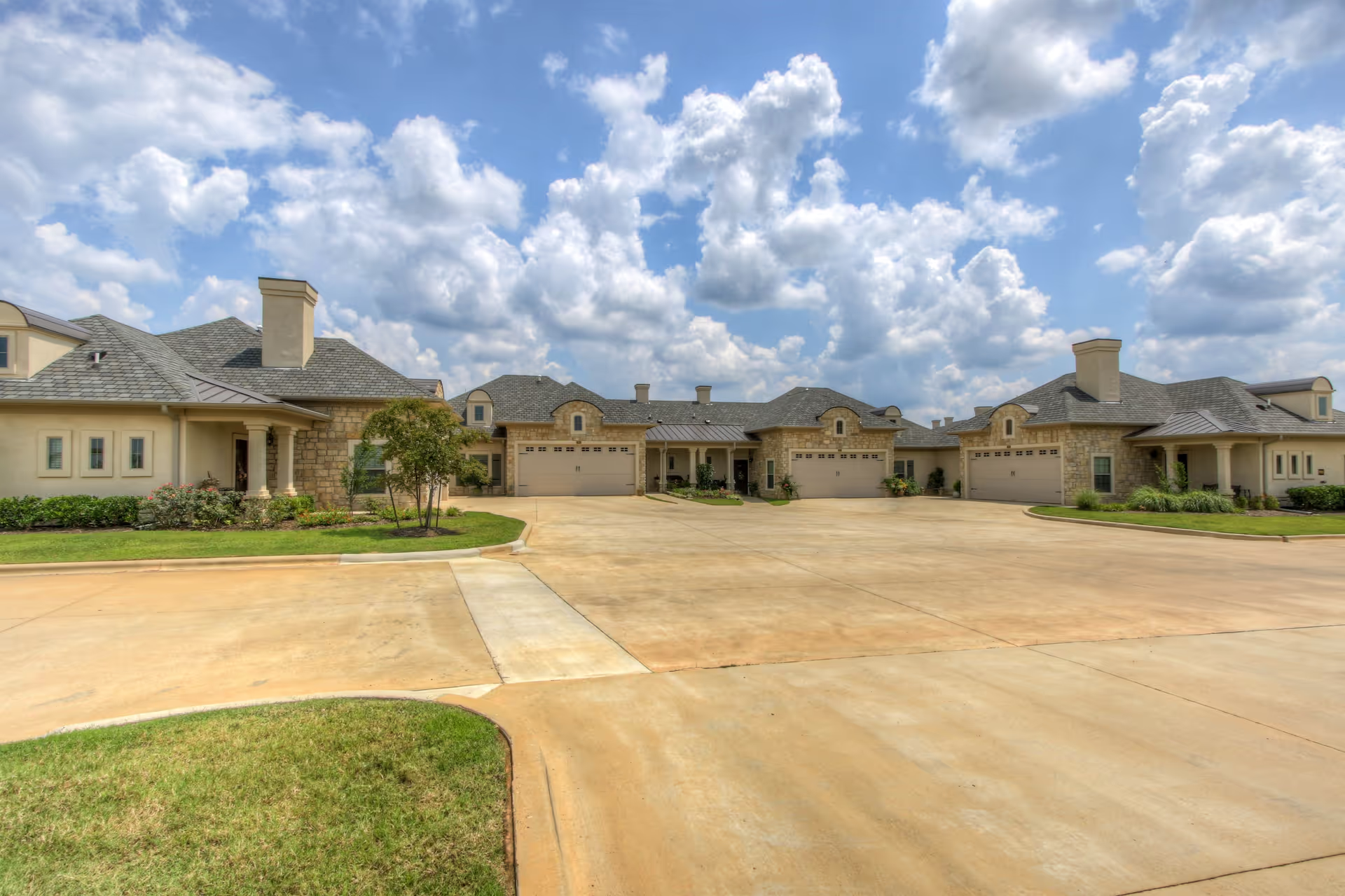
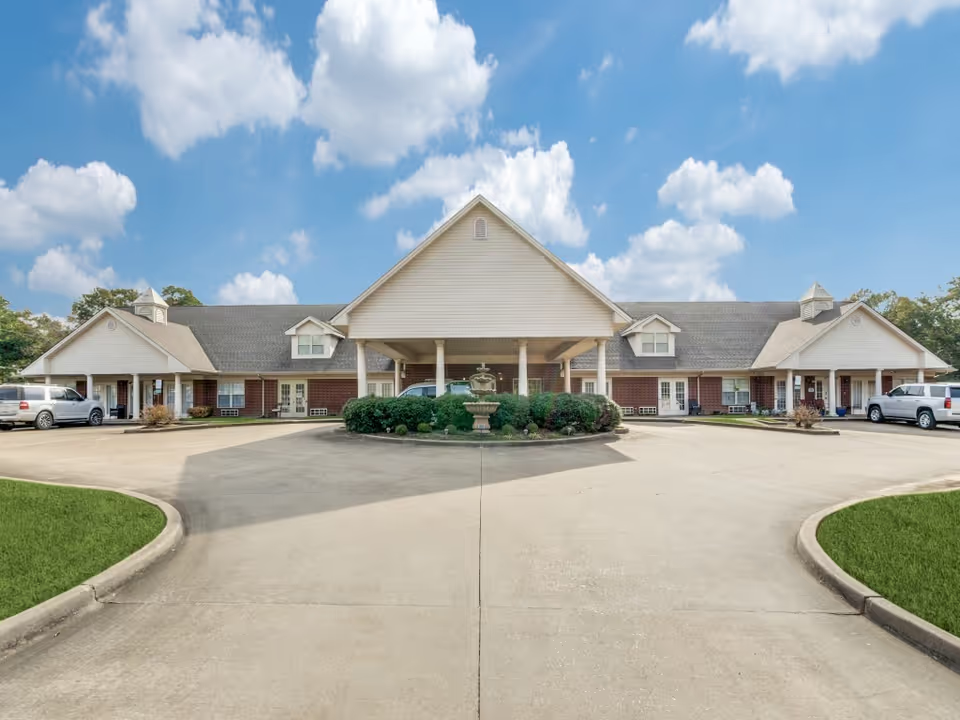
Facilities and housekeeping: The campus layout and apartment-style units are commonly praised for providing privacy and a comfortable, home-like feel. Transportation and community-style dinners are strengths that support resident independence. Conversely, sanitation concerns in particular common areas and restrooms were raised in a number of accounts, and housekeeping performance appears inconsistent; some staff are singled out positively while other shifts are described as perfunctory. Prospective visitors should inspect multiple common areas and a sample of apartments during tours and ask about housekeeping schedules, oversight, and pest-control protocols.
Management and patterns: Reviews reflect variability in leadership presence and communication with families, with reports of ownership or administrative changes and instances where families felt leadership was not readily available. Positive examples of advocacy by particular staff members were also cited, indicating that individual leaders can have a strong impact. Financial- and security-related controls are an identifiable area for scrutiny given cited issues around property oversight. Ask management about incident history, corrective actions, staff supervision, and policies for safeguarding resident finances and belongings.
Bottom line and recommended questions: Mount Pleasant shows many strengths—caring staff, good food, transportation, and a community-oriented environment—but also exhibits recurring operational concerns around cleanliness, staffing consistency, clinical responsiveness, and leadership communication. When evaluating the community, prospective residents and families should request current staffing ratios and turnover data, review housekeeping and infection-control protocols, ask for examples of staff training and oversight, inquire about financial-safeguarding procedures, and tour multiple buildings and common areas to assess consistency across the campus.