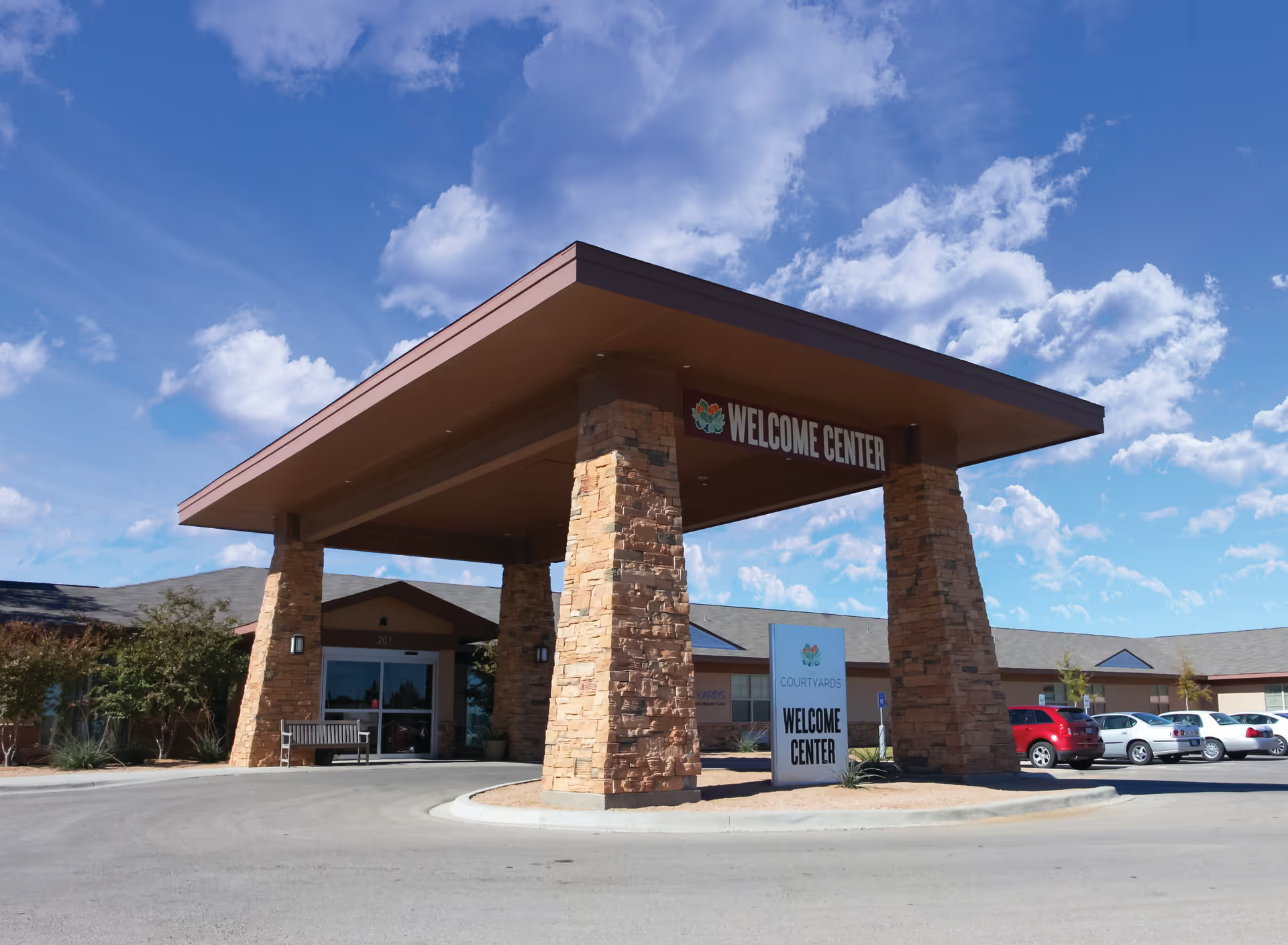
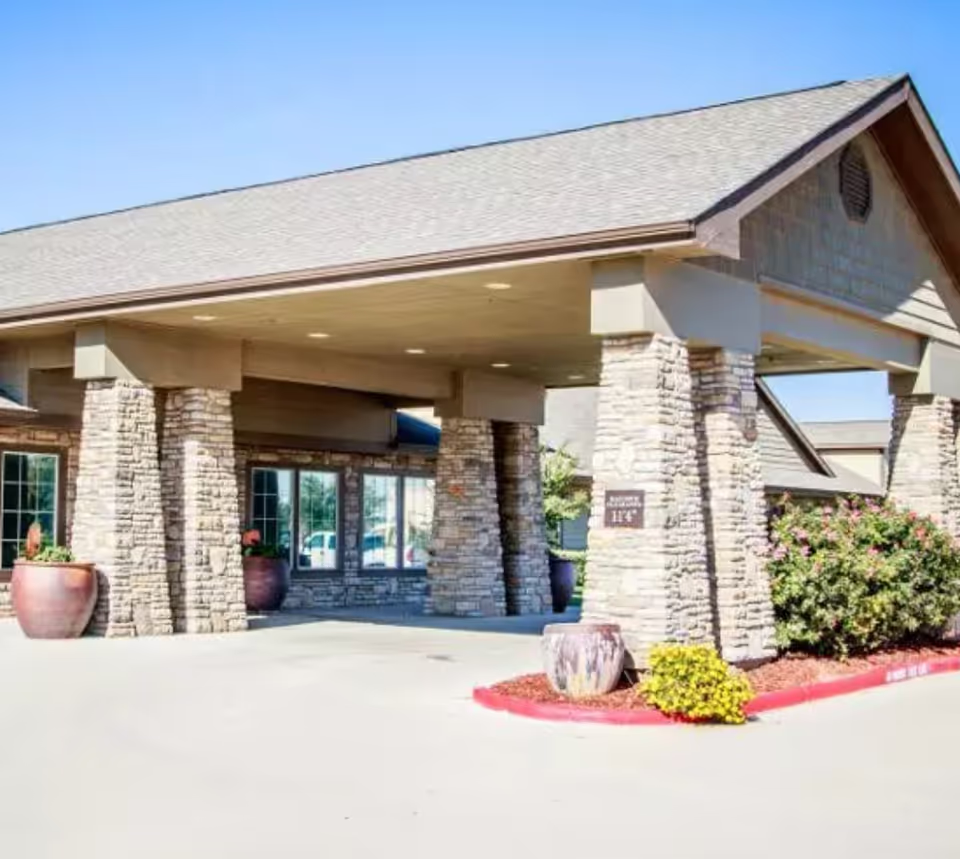
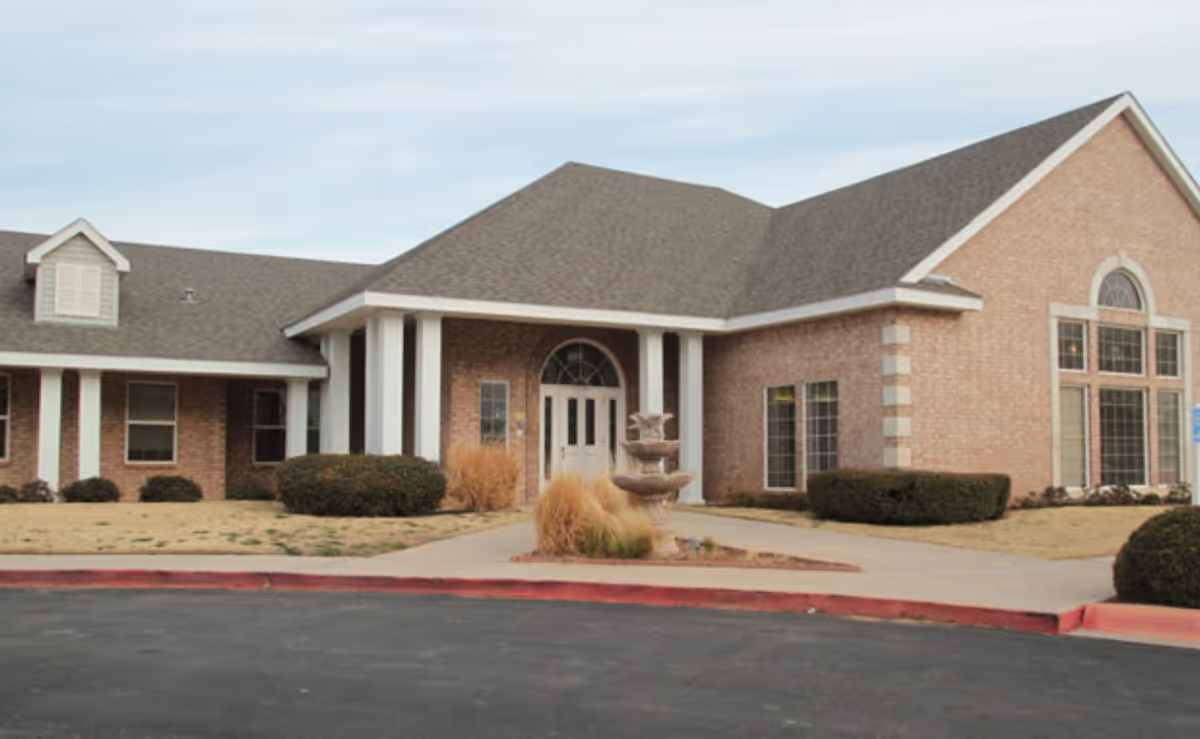
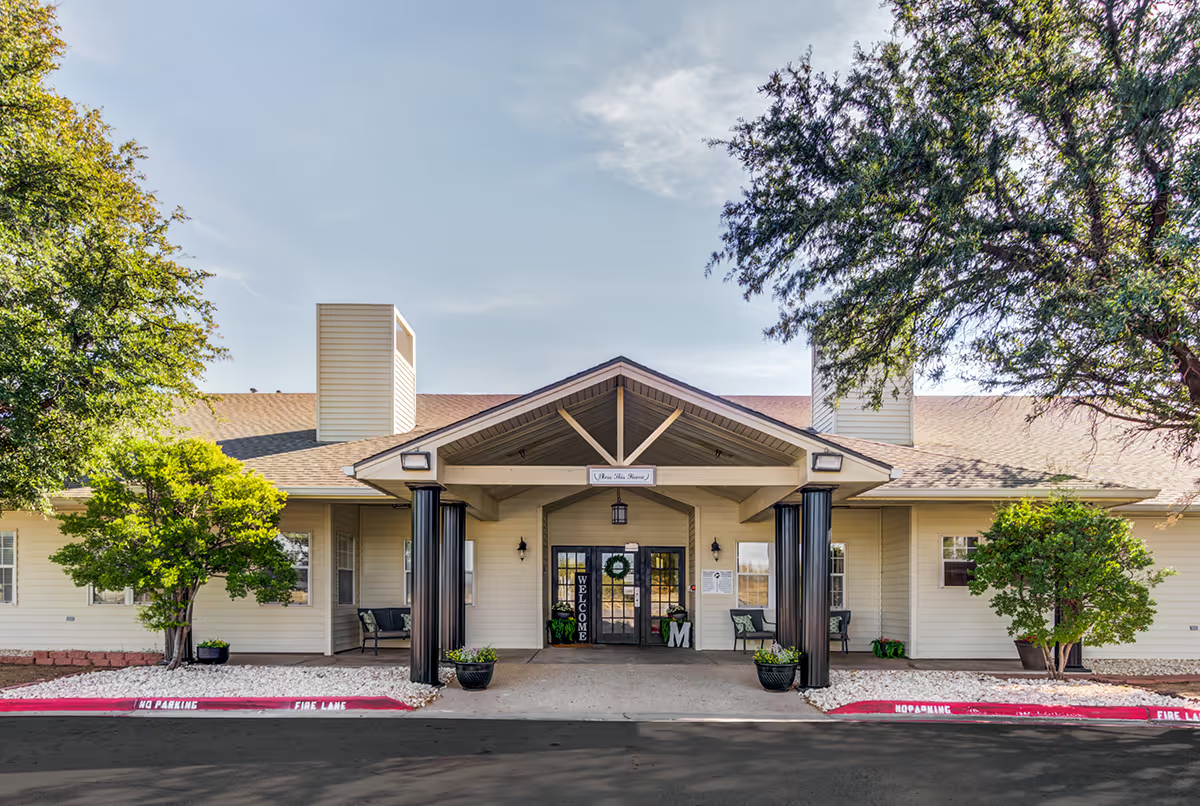
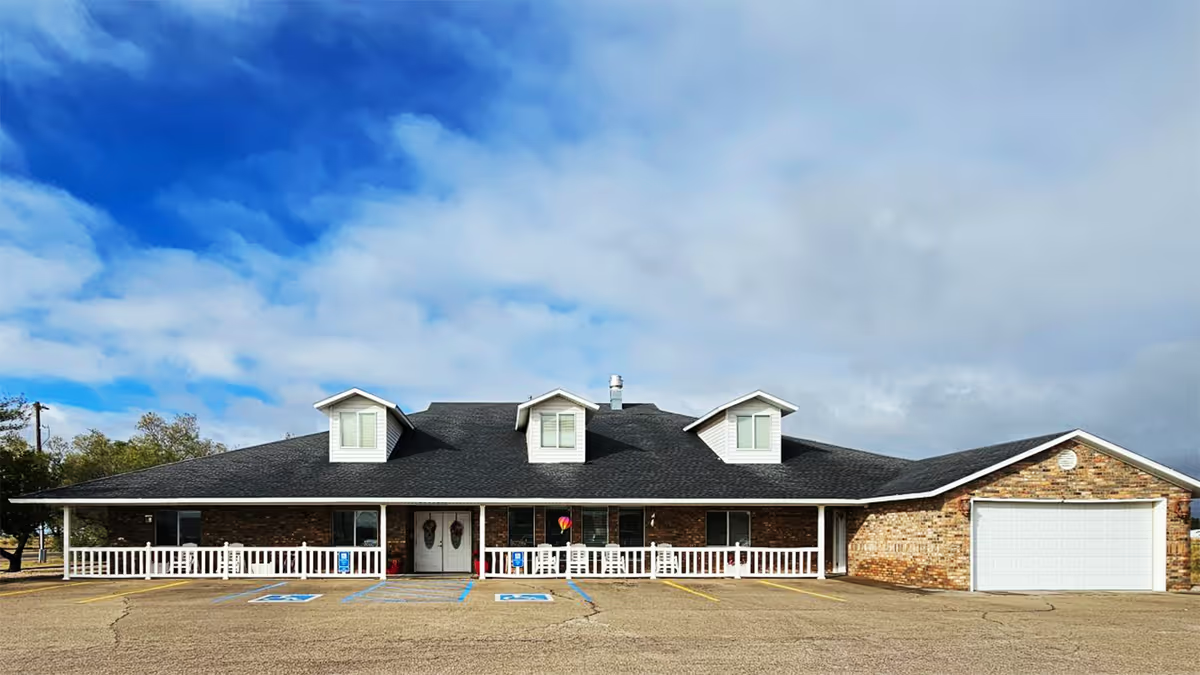
Madison Medical Resort presents as a modern, well-appointed skilled nursing and rehabilitation campus with strong physical plant assets: clean, hotel-like rooms, an expansive therapy gym, accessible amenities (cafeterias, hair salon, Wi‑Fi) and active programming. Many families and patients praised individual clinicians — notably therapists, certain nurses, social-work staff and a specialized wound-care nurse — for compassionate care, effective rehabilitation outcomes, and above-and-beyond service. Several reviews highlight visible, accessible leadership and helpful discharge/billing coordination when those functions were staffed and engaged.
At the same time, reviews reveal marked variability in operational and clinical performance. Staffing consistency and responsiveness emerged as a central concern: reviewers described uneven care across shifts, frequent handoffs, and apparent understaffing that affected attention to basic needs and timely responses to call lights. Clinical patterns cited include medication-administration and monitoring lapses (timing errors, missed or delayed doses), gaps in diabetes and vital-sign monitoring after admission, and inconsistent wound- and personal-care protocols. These are framed across reviews as systemic weaknesses rather than isolated events, as the same categories of failures recur in multiple narratives.
Rehabilitation services receive mixed but generally positive remarks: the facility’s therapy resources and some therapists are highly rated and associated with successful outcomes, while other families reported therapy interruptions or limited therapy after the initial days that negatively affected recovery. Meal service and dining quality are another inconsistent area: the facility offers multiple dining halls and an active cafeteria, but reviewers reported cold or poorly prepared meals and inconsistent diabetic-meal availability, indicating gaps in meal-service continuity and dietary accommodations.
Safety and logistics issues also appear repeatedly. Transportation and medical-appointment transport were criticized for cleanliness, buckling/securement practices, and scheduling delays. Fall-prevention and transfer-safety practices were questioned in multiple accounts; reviewers spoke of delayed post-fall monitoring and transfer-related injuries that suggest operational gaps in resident-safety protocols. Family communication and incident follow-up are uneven: some families describe clear, prompt updates and coordination, while others report blocked communication channels, rushed discharges, or unsatisfactory incident documentation. There are also mentions of perceived differences in attention tied to payer status, which families interpreted as care variability.
Overall, Madison Medical Resort shows strengths in facility quality, therapy resources, individualized compassionate staff, and administrative accessibility when present. However, consistent delivery of clinical care, staffing reliability, medication and chronic-condition monitoring, meal-service consistency, transportation safety, and family communication are recurring areas of operational concern. Prospective residents and families should observe staffing patterns across shifts, ask for policies on medication administration and diabetes/wound care, review transport and transfer protocols, confirm dietary accommodations, and request examples of incident-reporting and family-notification procedures to assess whether the facility’s clinical processes meet their needs. Additionally, consider speaking directly with therapy staff and social work about expected therapy cadence and discharge planning before admission.