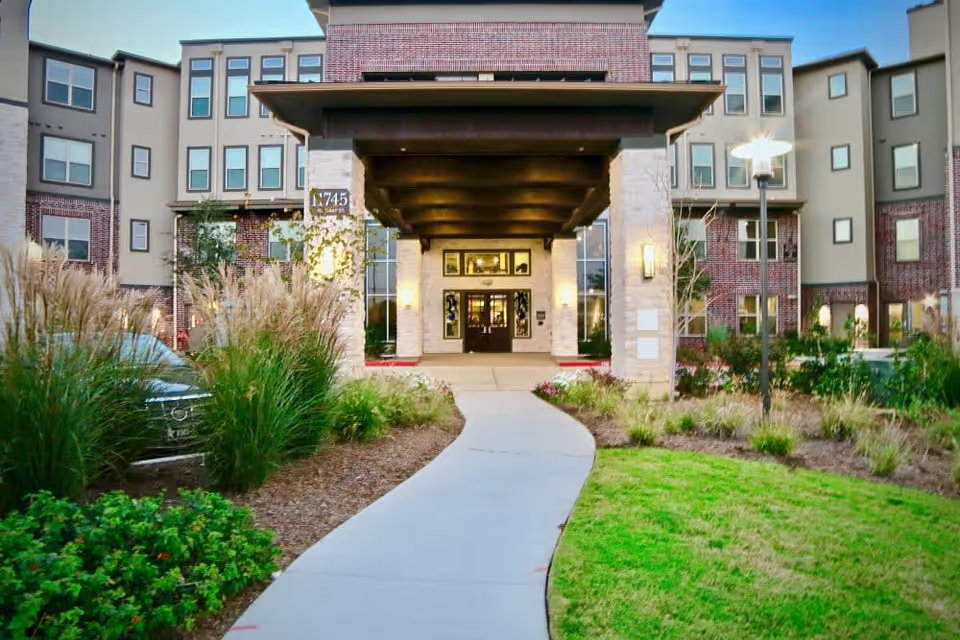
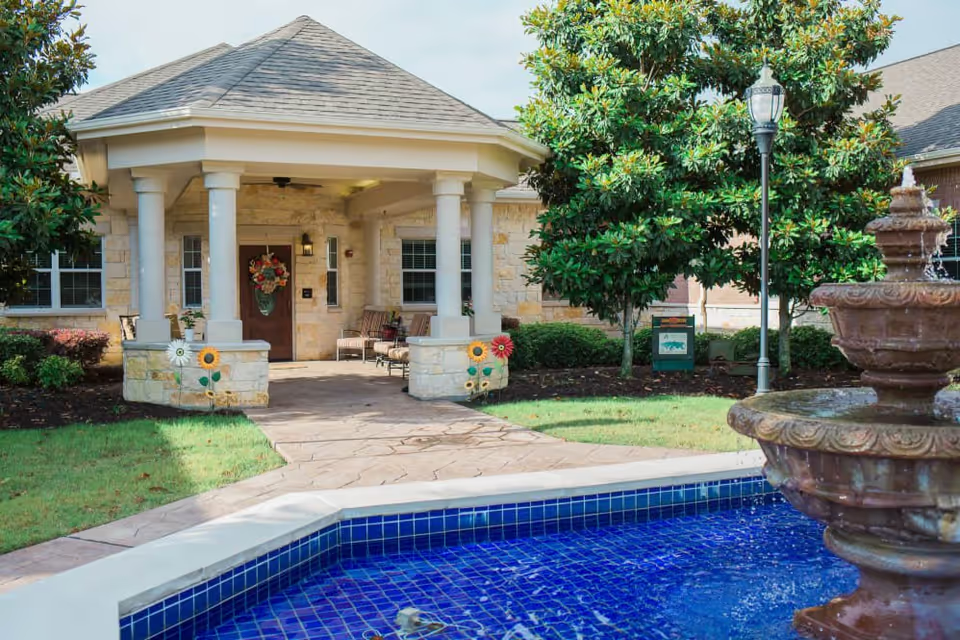
The Landing at Watercrest Shadow Creek Ranch is consistently described as a modern, well‑appointed senior living community with high‑end finishes, spacious apartment layouts, and a wide range of on‑site amenities. Families and visitors commonly praise the facility’s thoughtful design, immaculate common areas, secured outdoor spaces, and a hotel‑like dining experience led by a chef with menu‑style ordering and dietary accommodations. Clinically, the community advertises and many reviewers confirm 24‑hour on‑site nursing, advanced care capabilities (Hoyer lifts, second‑person assists, diabetic management), and on‑site therapy services, which support residents with complex care needs and long‑term planning through an adjacent Independent Living community.
Care and staffing are the most mixed elements in the feedback. Numerous accounts describe compassionate, attentive caregivers, engaged activities staff, and strong individualized care that improved residents’ quality of life and eased family concerns. At the same time, recurring operational themes include high staff turnover, understaffing on some shifts, and inconsistent training or competence among front‑line caregivers. Those operational gaps have been associated with delayed responses to call lights, missed or late medication administration, inter‑shift communication failures, and variability in assistance with activities of daily living. One allegation of a serious transfer‑related injury was described by a family; reviewers raised this alongside broader concerns about transfer‑safety practices and incident follow‑up.
Dining and activities are frequently cited strengths. Many families praise varied, well‑prepared meals, accommodating dietary needs, and an active calendar that includes theater, art classes, fitness programs, Montessori‑style memory care activities, and social events. Some reviews do note inconsistent food quality or fewer activity options during periods of heightened infection‑control measures. The community’s infection‑control protocols and visitor policies have been viewed as protective by some families and as restrictive by others; prospective residents should clarify current visitation practices and how they are implemented.
Facility management and administration receive mixed assessments. Positive reports emphasize responsive move‑in support, helpful concierge services, and clear communication from some staff and leaders. Conversely, several families described billing discrepancies, unmet paid‑service expectations, and defensive responses when raising concerns. Additional issues flagged include occasional sanitation or odor concerns in specific memory‑care areas, theft/privacy worries, and variability in family outreach from nursing leadership.
In summary, the Landing at Watercrest Shadow Creek Ranch presents as a high‑quality, well‑equipped community with strong clinical capabilities and many amenities that support resident engagement and complex care. However, patterns of staffing instability, service‑delivery inconsistencies, and administrative gaps create variability in the resident experience. Prospective residents and families should tour the community, ask for current staffing ratios and turnover metrics, review medication‑administration and incident‑reporting procedures, confirm how dietary and incontinence care are handled, examine billing and service contracts, and request recent examples of complaint resolution to evaluate how the facility’s strengths will match the specific care needs of their loved one.