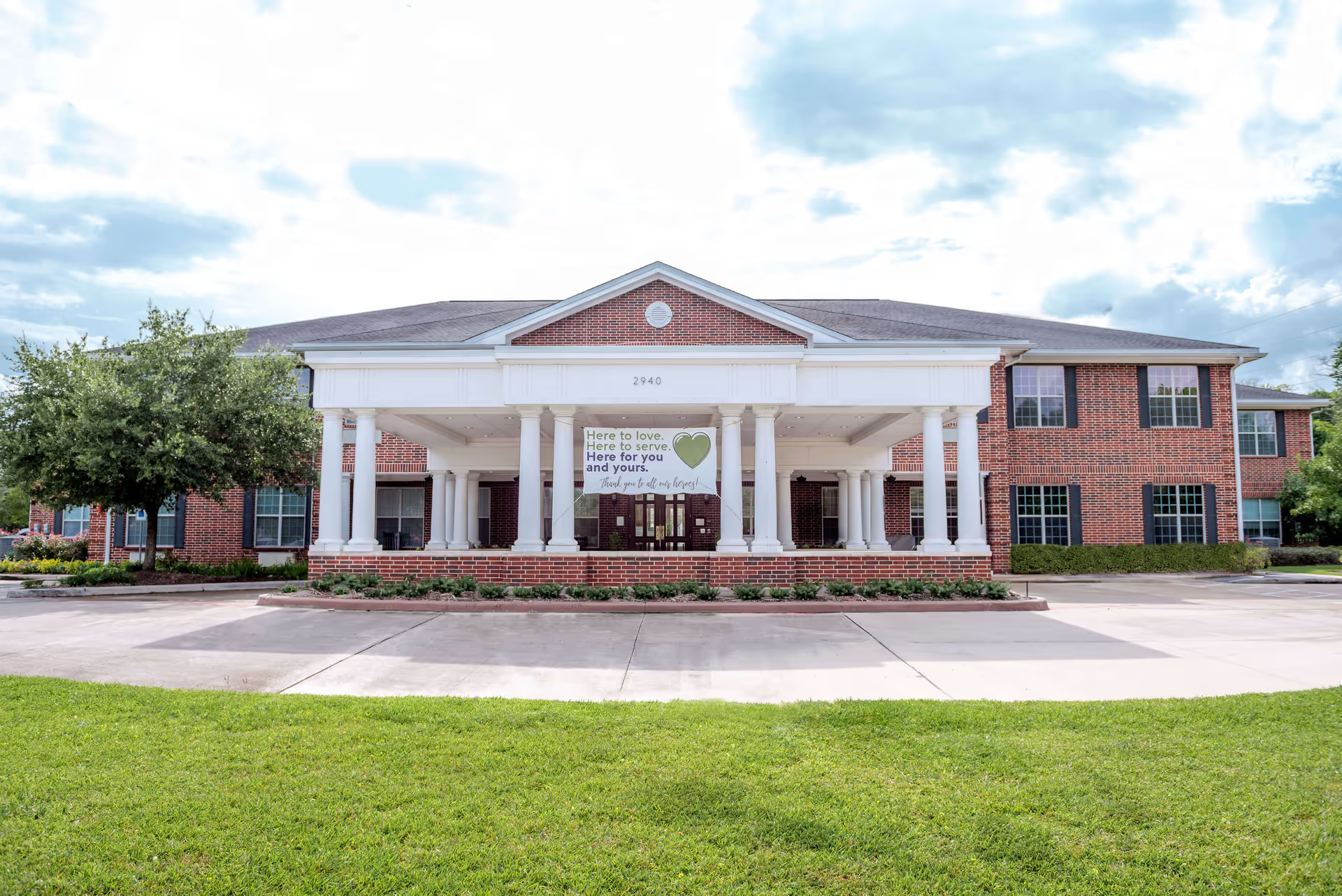
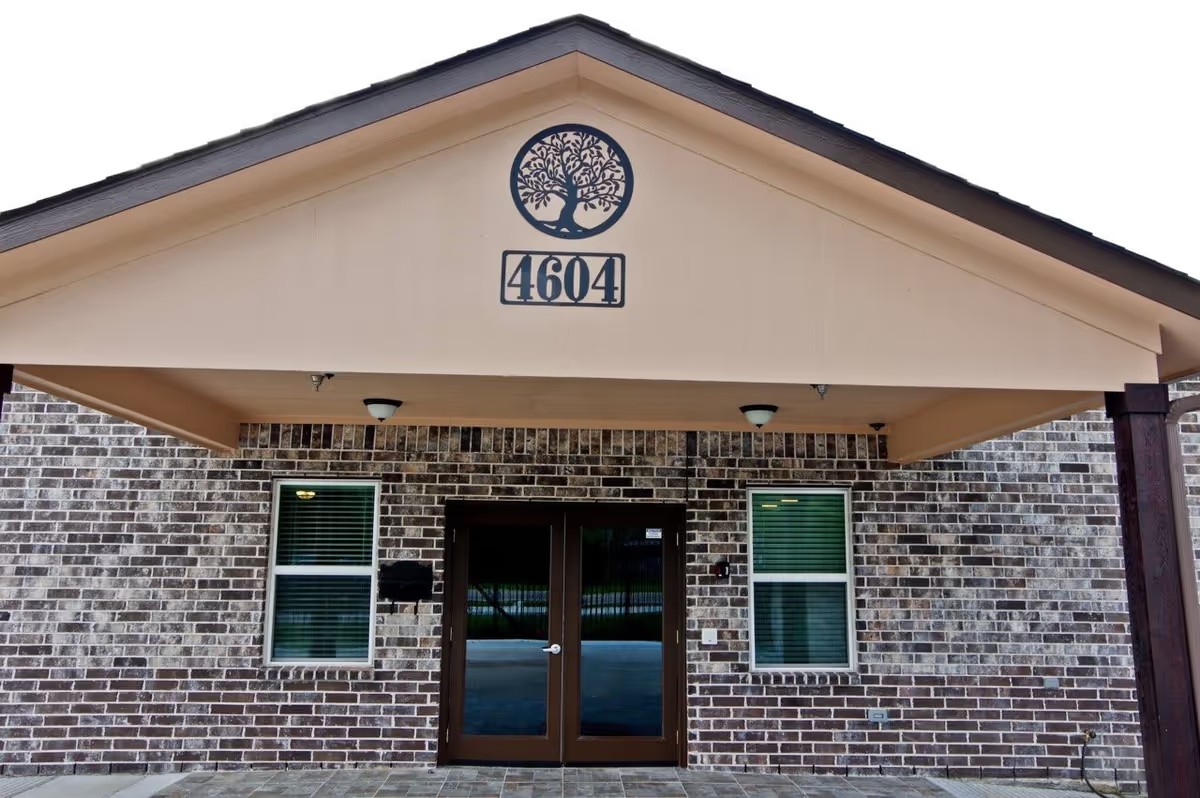
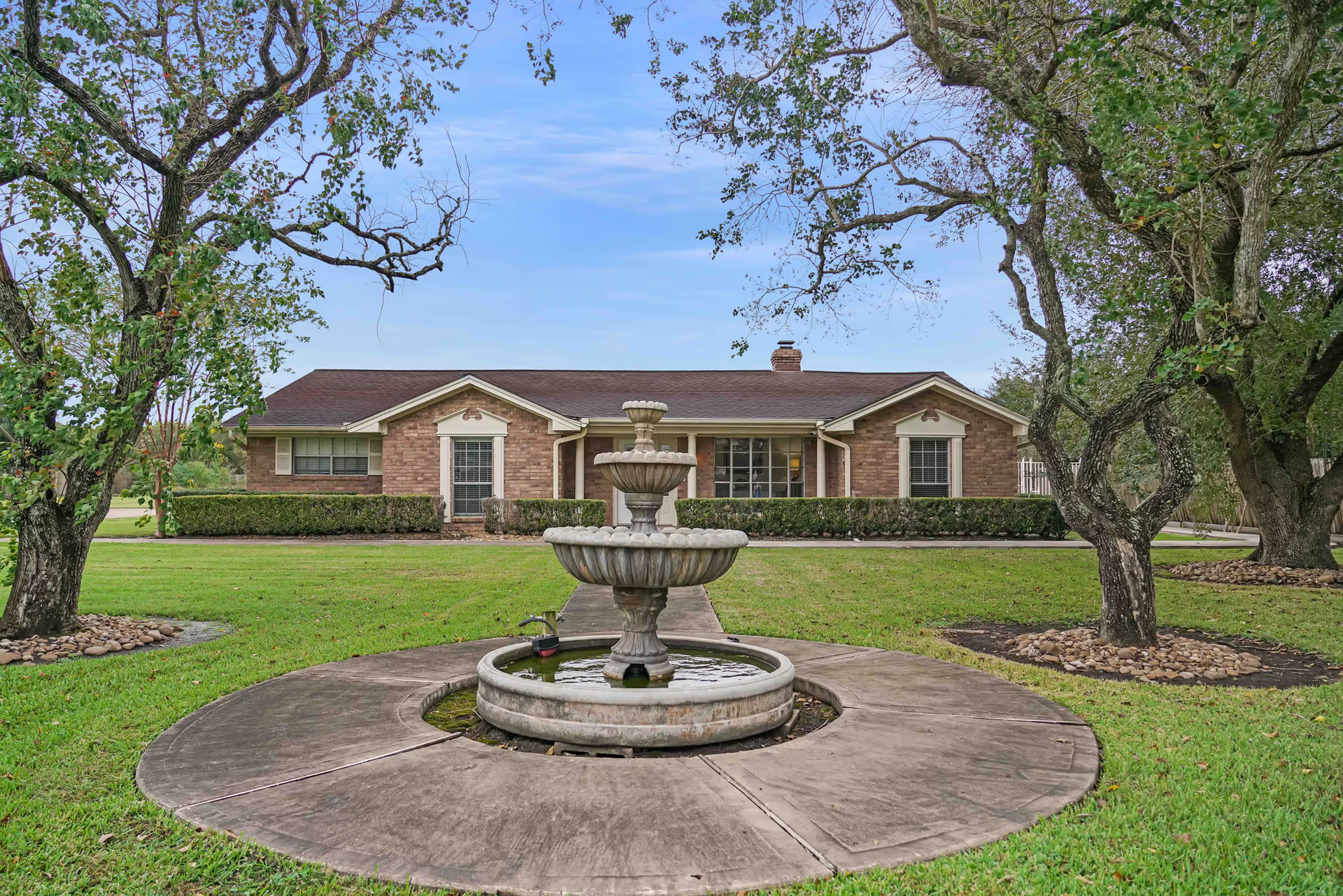
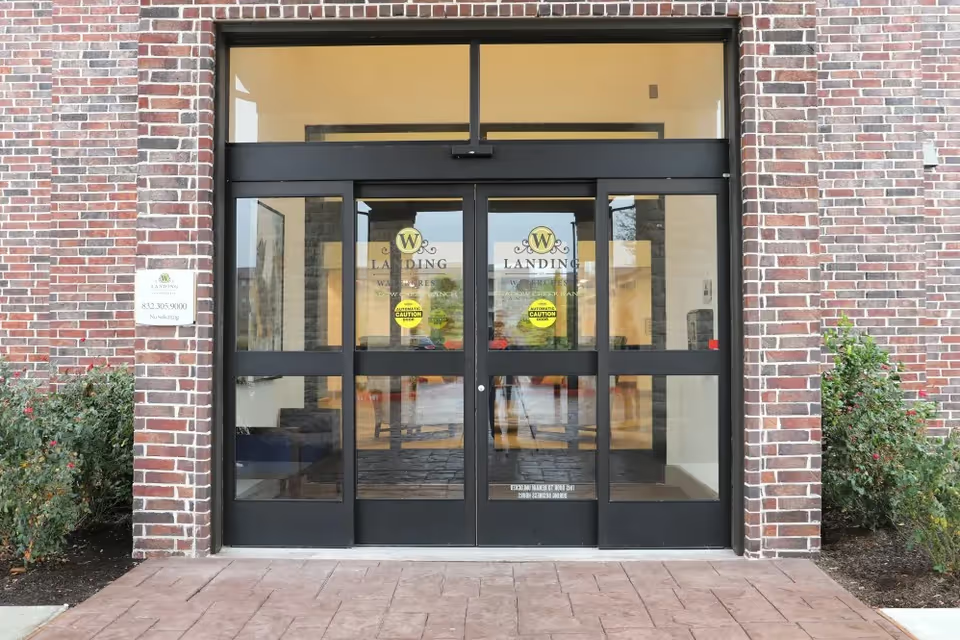
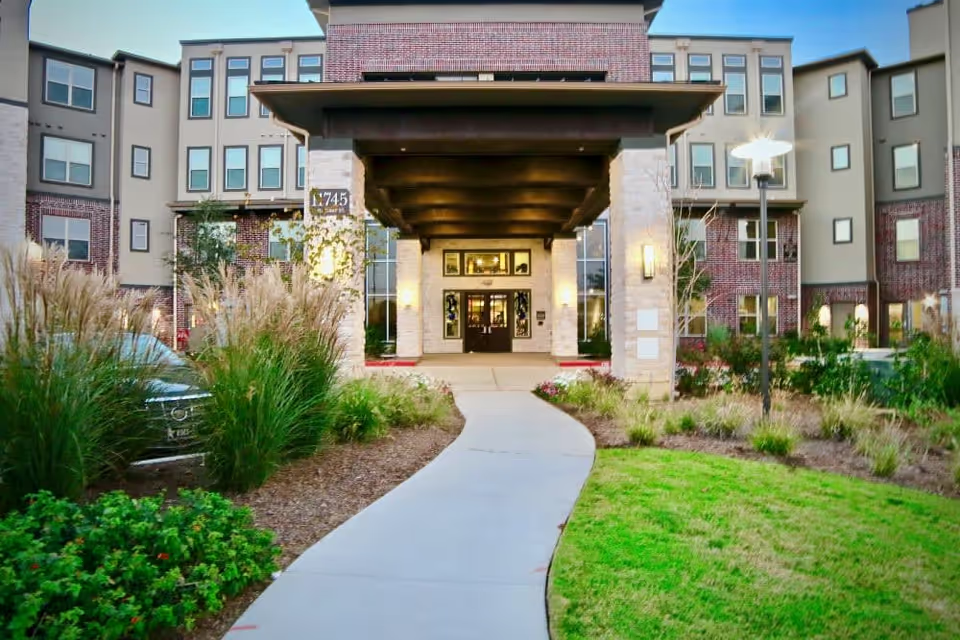
Overall impression: Reviews of Precisive Care I and II emphasize a generally positive resident environment, with repeated praise for compassionate caregiving, exceptional cleanliness, attractive common spaces and a broad amenity set. Families commonly highlight responsive management, visible owner involvement, furnished and comfortable rooms (including hospital beds), well‑run dining areas and an active calendar of social events. These strengths create a home‑like, calm setting that many residents and families describe as providing peace of mind.
Care and staffing: Numerous accounts describe warm, attentive caregivers and 24/7 assistance with individualized care plans. Management and named staff members are frequently commended for supportive interactions and clear communication. However, a consistent operational theme is staffing constraints: reviewers point to chronic understaffing, high workloads for aides, and some turnover. These conditions correlate with reported gaps in shift‑to‑shift communication and occasional delays in responsiveness for residents with higher care needs or limited mobility. Prospective families should ask about current staffing levels, caregiver training and turnover, handoff procedures, and clinical oversight for higher‑acuity residents.
Dining, activities and facilities: The facility’s physical environment is a strong selling point. Reviewers note well‑appointed dining rooms served by an operating kitchen, spacious activity and multipurpose rooms, a large exercise/flex area, roomy vanity suites and extensive outdoor walking paths and covered patios with views. The social program includes holiday events, live music and resident arts and crafts. Cleanliness and tasteful decor are repeatedly cited. Visitors should inquire about menu rotation, accommodations for special diets, accessibility of activity schedules, and how programming is adapted for varying levels of mobility and cognition.
Management, policies and culture: Management involvement and responsive administration receive positive attention, with several mentions of transparent communication and staff who go above and beyond. At the same time, reviewers raise facility‑level concerns about financial policies — specifically a nonrefundable enrollment fee and billing practices that apply after residency ends — and about staff conduct in isolated instances. Those are operational items worth clarifying during a tour. Ask for written admission and billing policies, examples of staff training and professionalism standards, and how the community addresses conduct concerns.
Bottom line: Precisive Care I and II present as clean, well‑appointed assisted living communities with a strong emphasis on personalized, compassionate care and active programming. The principal operational risks identified by reviewers are related to staffing levels, handoff communication, and certain billing and conduct issues. Families considering the community should weigh the facility’s clear strengths in environment and engagement against these operational concerns and confirm current staffing, clinical capabilities and financial terms during an in‑person visit.