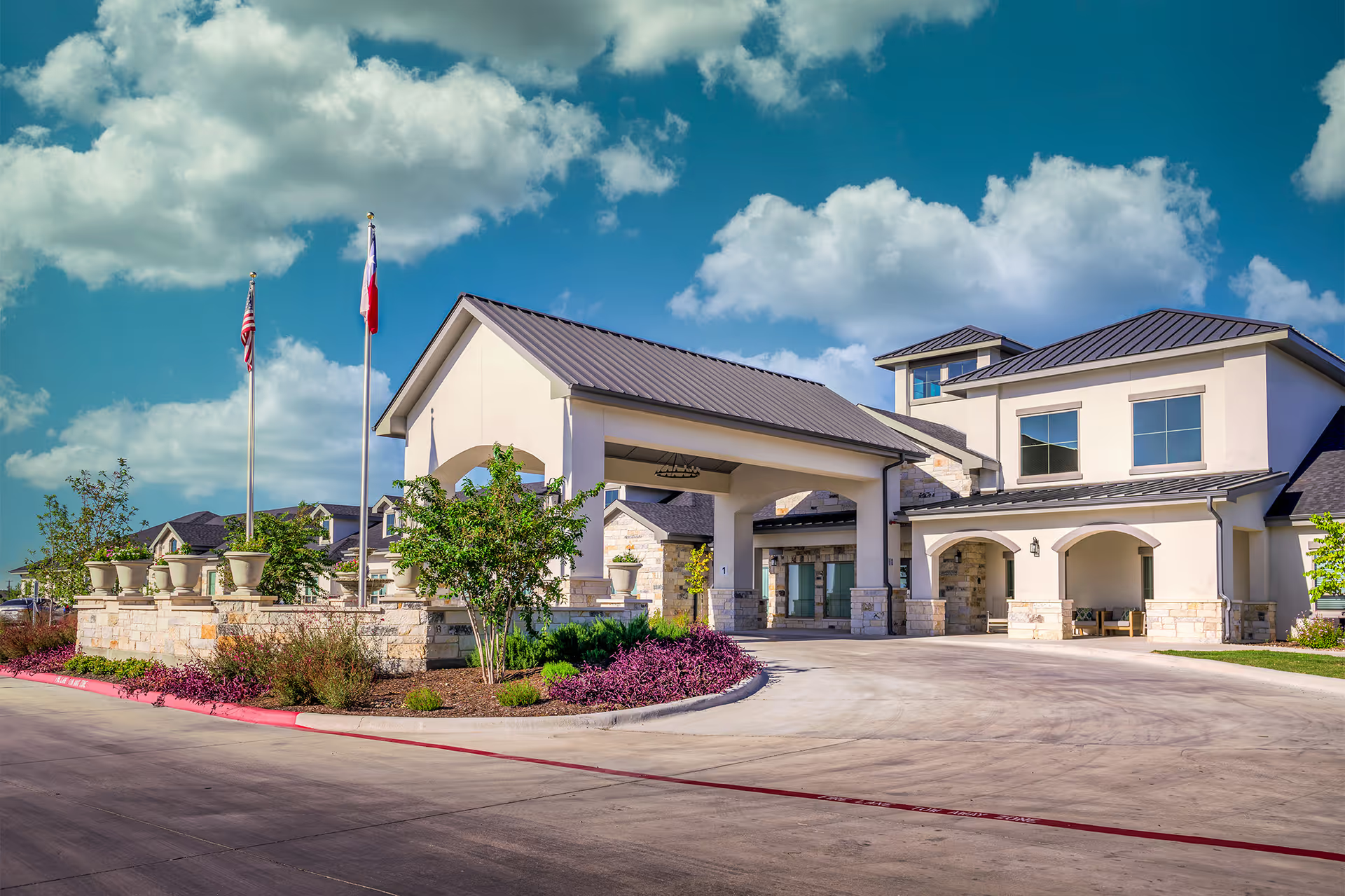
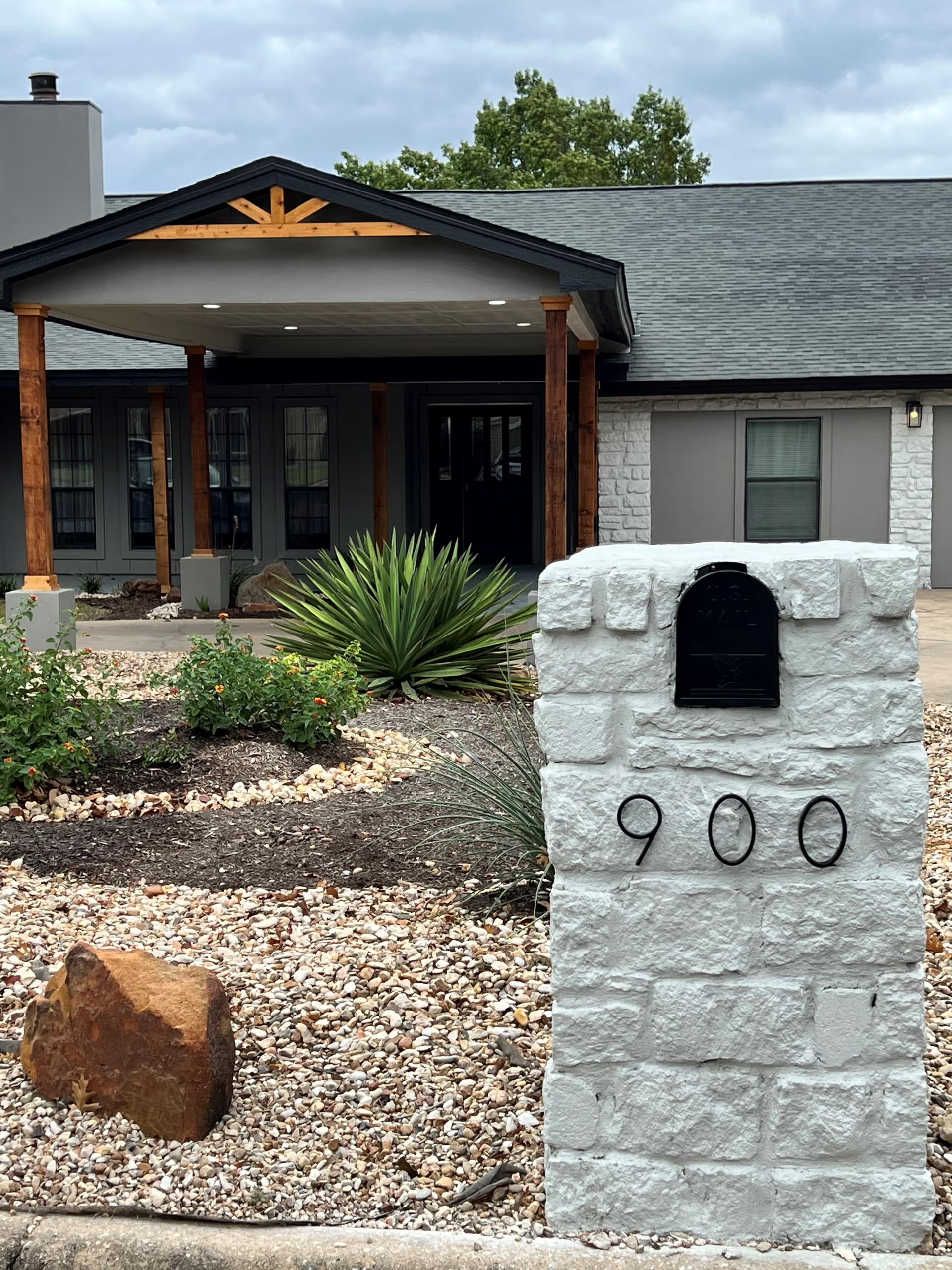
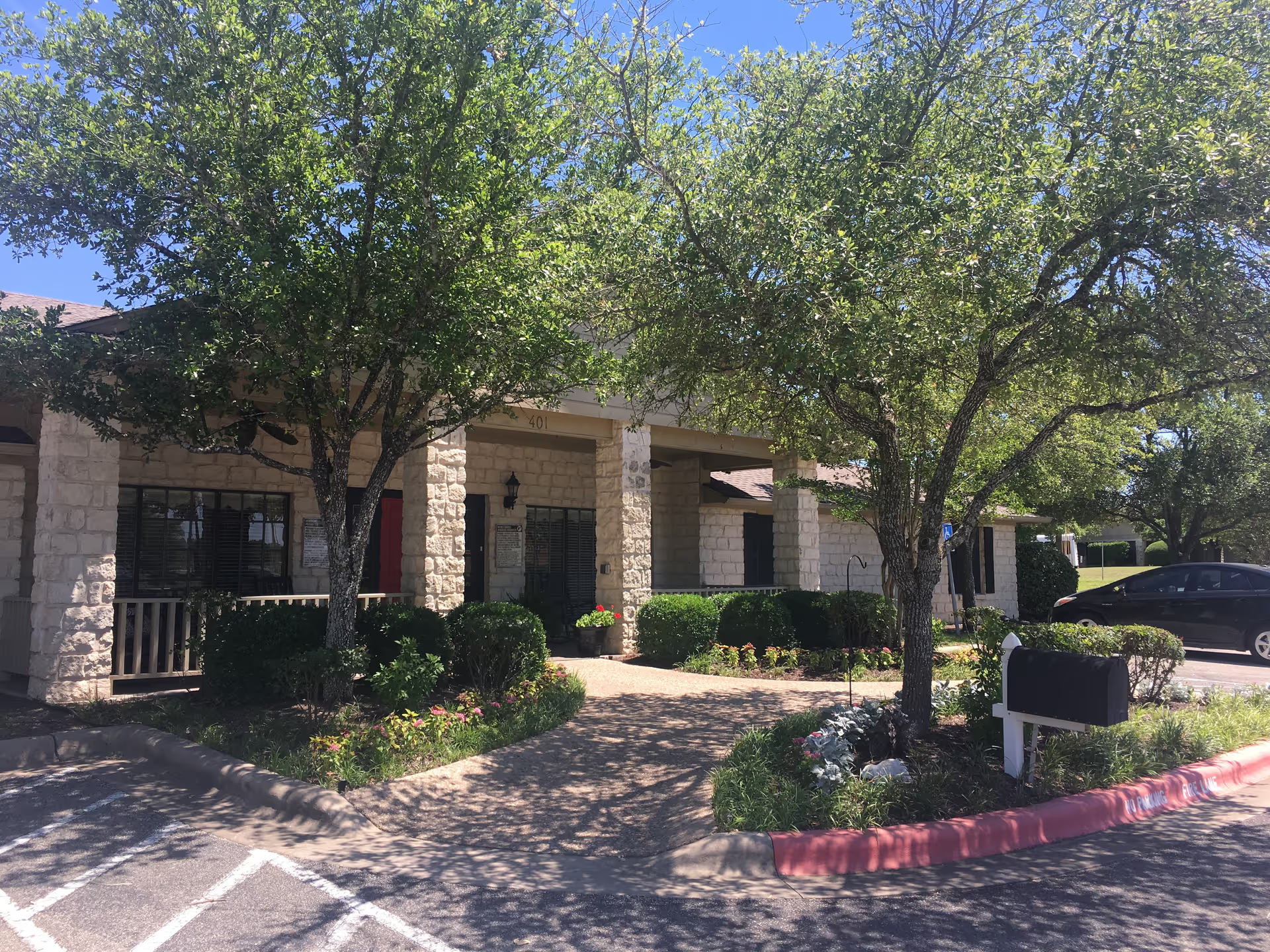
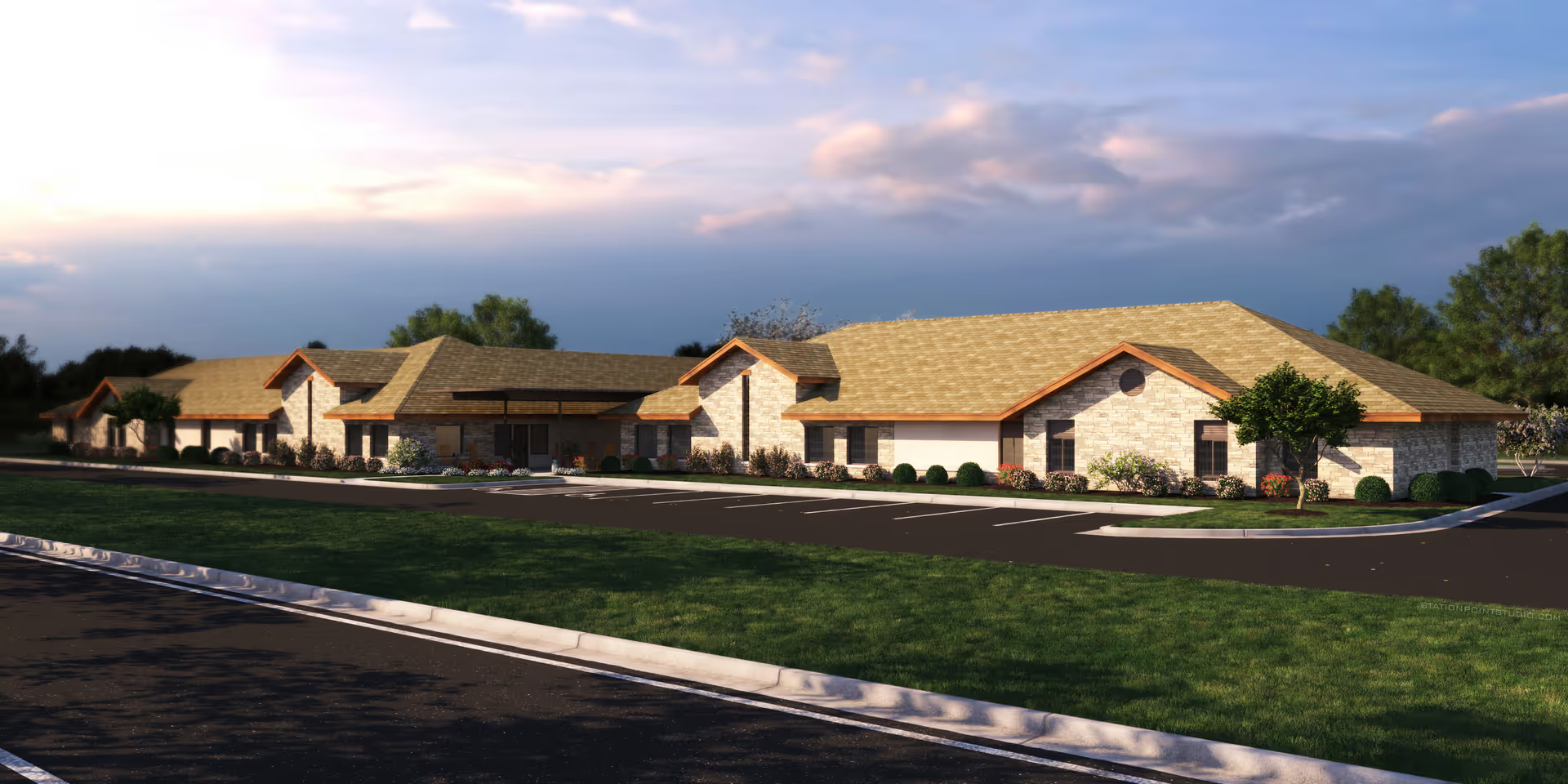
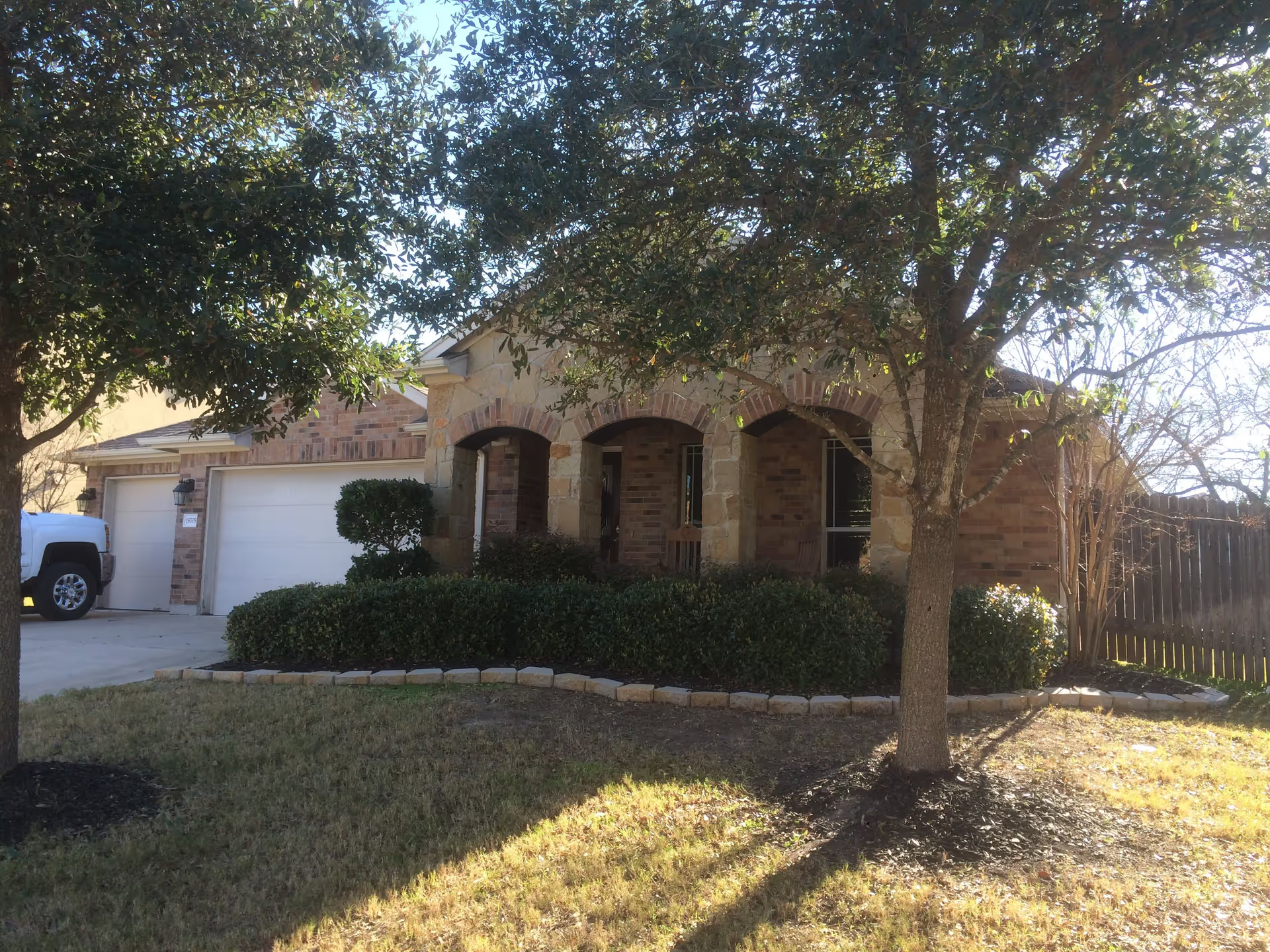
Spanish Oak presents as a small, home-style assisted living community with many strengths typical of a private, low‑census setting. Families commonly describe a calm, light-filled facility with clean, freshly renovated interiors and pleasant grounds. The home-like scale, attentive owners, and a high staff-to-resident ratio contribute to a sense of personalized care and frequent staff presence. Reviewers frequently cited staff familiarity with residents’ routines and preferences, warm interpersonal interactions, and a welcoming atmosphere that helps many residents settle in.
Care quality is characterized by consistent, hands-on assistance for activities of daily living for many residents. Several families praised daily personal-care practices (bathing, clothing and bedding attention), dietary accommodations including pureed and therapeutic diets, and home-cooked meals. The community also supports end-of-life needs and has hospice available on-site in some cases; reviewers described compassionate final‑days care and vigilant monitoring by staff. At the same time, there are operational concerns around clinical practice consistency: some families reported resistance to clinical testing or uneven adherence to infection-control and medication-administration procedures. These issues point to variability in clinical protocol adherence rather than a uniformly managed clinical program.
Dining is generally a strength: reviewers note homemade, balanced meals with accommodations for special diets and regular portioning. Meal variety was described positively, though occasional gaps (for example, inconsistent dessert offerings) were mentioned. Overall, food quality and the social aspect of shared meals contribute positively to resident wellbeing.
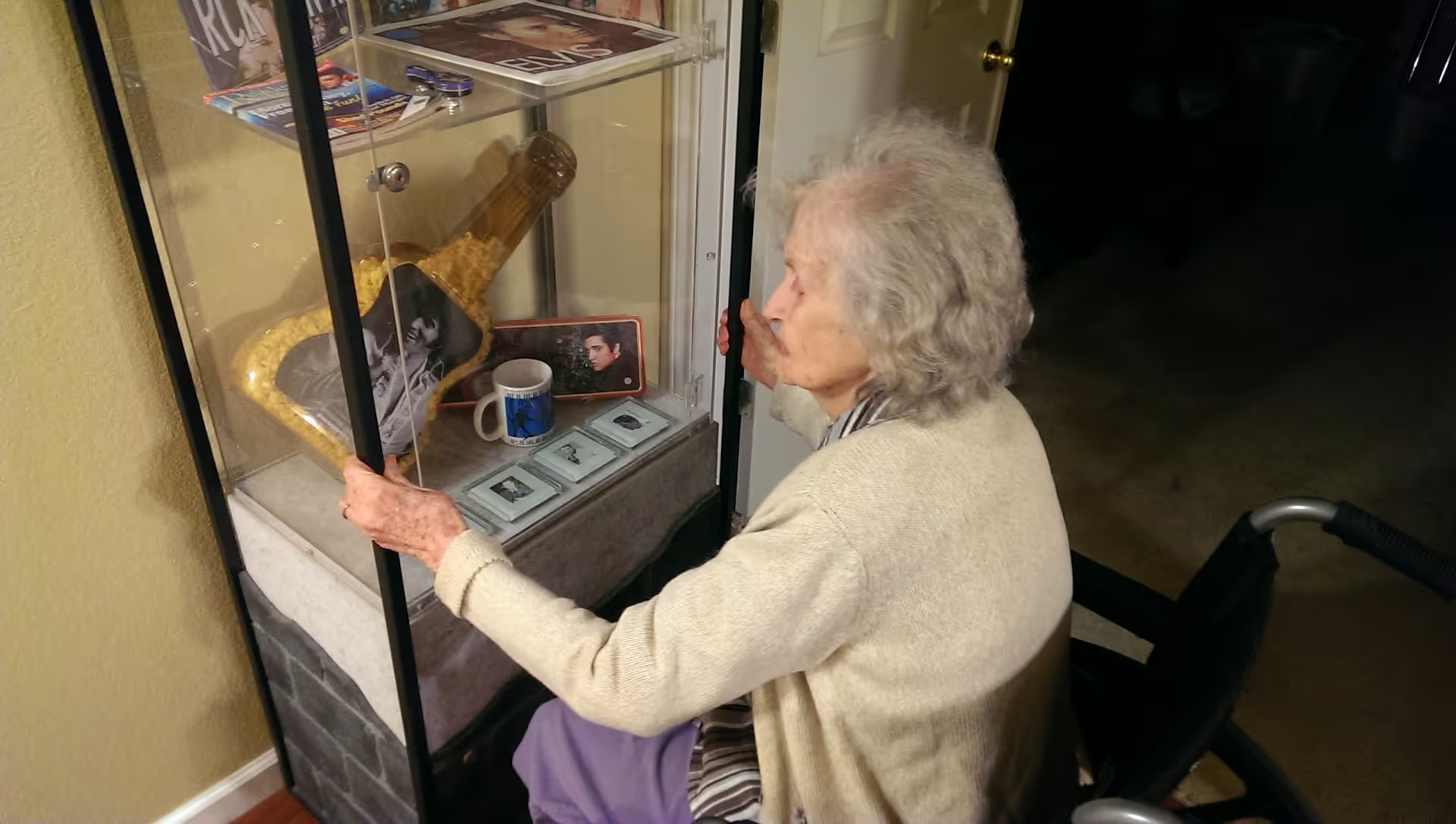
Activity programming and memory-care suitability are recurring themes on the negative side. Multiple accounts describe limited or infrequent activities, which left some residents bored or isolated—this is more pronounced for residents with memory impairments who may benefit from specialized, engaging programming. Families suggested the need for more dementia-focused staff training and targeted socialization for memory-impaired residents. The facility’s resident mix—often described as skewed toward memory-impaired and end-of-life care—may not be an ideal fit for elders who are cognitively intact and seeking a more varied social environment.
Management and communication are areas of mixed experience. Many families praised the owners and on‑site managers for being hands-on, responsive during admissions, and supportive day-to-day. Conversely, there are recurring concerns about variable family communication after critical events (including limited bereavement follow-up), inconsistent responses to email or post‑discharge queries, and occasional lack of coordination with external hospice providers. Pricing and fee practices also drew attention: some reviewers found the cost reasonable for the level of care, while others raised questions about additional fees, waitlist deposits, or requests for extra paid staffing.
Operationally, reviewers noted both strong staffing engagement and periods of shortages that affected routine schedules such as bathing frequency and activity delivery. Language mismatch between some staff and families was noted as a communication barrier in some cases. Shared-room arrangements were also noted and may affect privacy and satisfaction for certain residents.
In sum, Spanish Oak’s strengths are its small, clean, home-like setting, attentive staff, hands-on ownership, and good meal service, which together create a comforting environment for many residents—particularly those needing memory or end-of-life support. Prospective families should weigh those advantages against the facility’s variable activity programming, the need for clearer clinical-protocol consistency and family communication, and potential cost/fee considerations. An in-person tour focused on staffing levels, activity schedules, clinical protocols, resident mix, and written fee and communication policies is advisable for families considering placement.