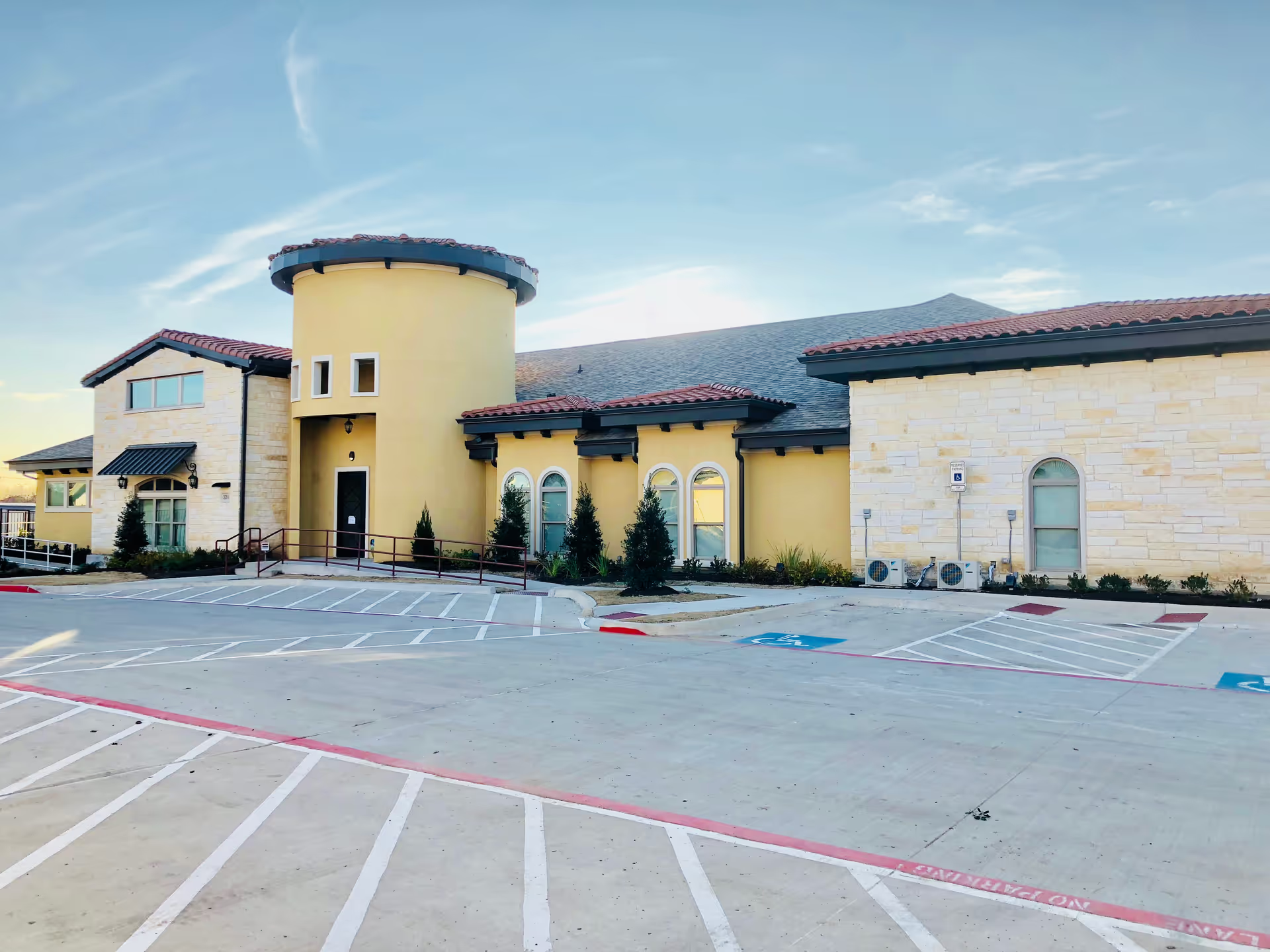
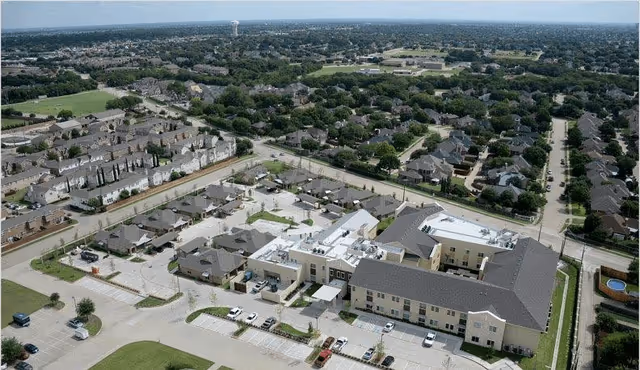
Alma Residential Care is portrayed as a small, family-style residence that emphasizes personalized, compassionate care and close family communication. Reviewers describe a consistently high level of hands-on attention from long-tenured staff and management, with the owner actively involved in day-to-day oversight and in liaising with hospitals, hospice, and physicians. The overall tone of reviews indicates that families feel reassured by the facility’s approach and the direct lines of communication it maintains.
Care and staffing receive repeated positive mention. The facility is characterized by a high staff-to-resident ratio and caregivers who are described as respectful, attentive, and responsive to immediate needs. Several accounts highlight a hands-on nurse and staff who proactively handle medication administration, meal delivery, and individualized stimulation. The presence of long-serving employees and direct owner involvement are presented as strengths that contribute to consistent routines and continuity of care.
Dining and daily living support are also noted favorably. Meals are described as nutritious and tailored to resident preferences, with examples of staff accommodating favorite foods. The facility provides medication dispensing and short-term or interim-stay amenities, which families found helpful. Reviewers emphasize cleanliness, comfortable and roomy accommodations, and wheelchair-accessible bathrooms; some described the environment as well-maintained and upgraded.
Activity offerings appear to be individualized rather than institutional. Reviews emphasize personalized stimulation and one-on-one attention rather than large-group programming. This aligns with the residence’s intimate scale and may suit residents who benefit from individualized engagement, though it does imply a smaller set of structured group activities compared with larger communities.
Management and operational patterns reflect a hands-on leadership model. The owner’s active role in care coordination and communication with families and external providers is highlighted as a facilitator of smooth transitions and medical navigation. Infection-control practices were also noted, with reviewers indicating proactive measures during the pandemic period.
Notable patterns and limitations: the facility’s small size and family-style model are core strengths but also imply trade-offs. Prospective residents with complex, high-acuity medical or intensive rehabilitative needs may find limited on-site specialty services. The operational model appears reliant on specific staff and owner involvement, which can create single-point dependencies. Similarly, the emphasis on individualized attention means fewer large-scale activity offerings or institutional-level programming.
In summary, Alma Residential Care appears well suited for families seeking an intimate, attentive environment with strong communication, compassionate staff, and personalized daily support. Those requiring extensive on-site medical specialty care, comprehensive rehabilitation services, or a wide array of formal group programs should evaluate whether the residence’s small-scale, hands-on model aligns with their needs.