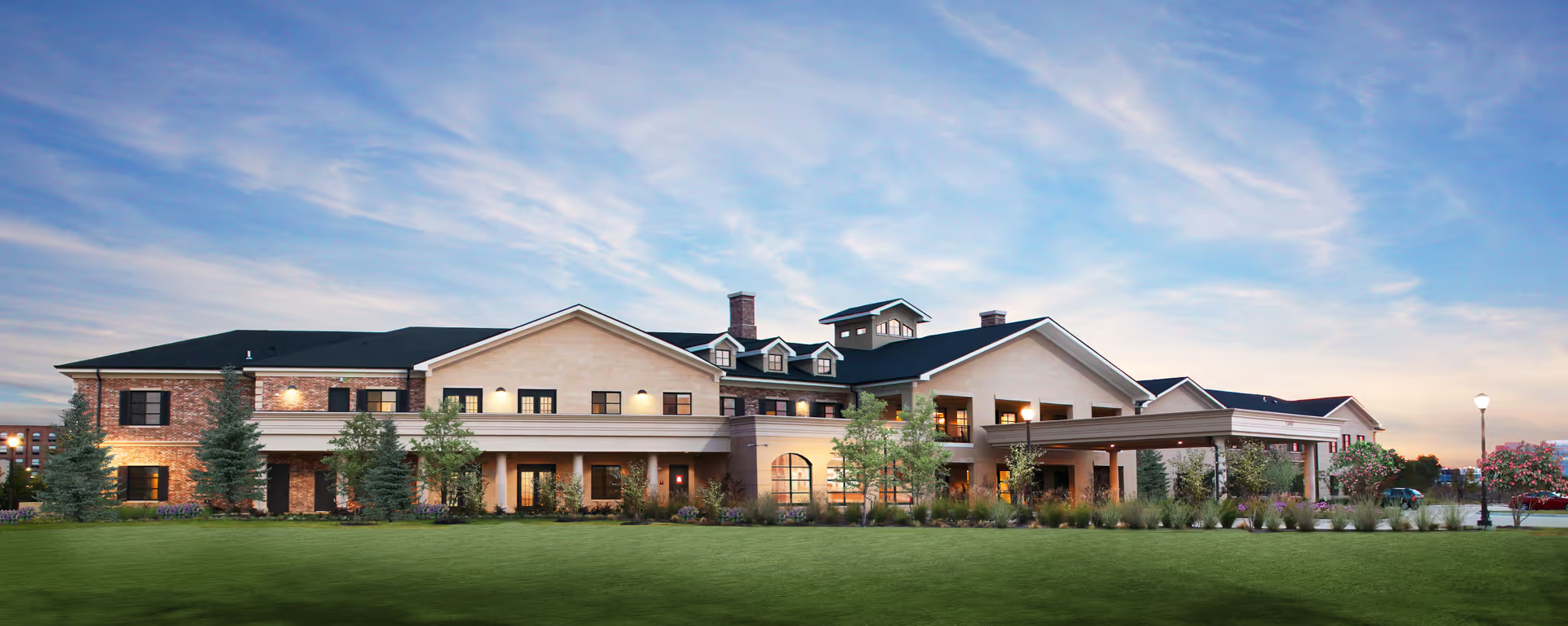
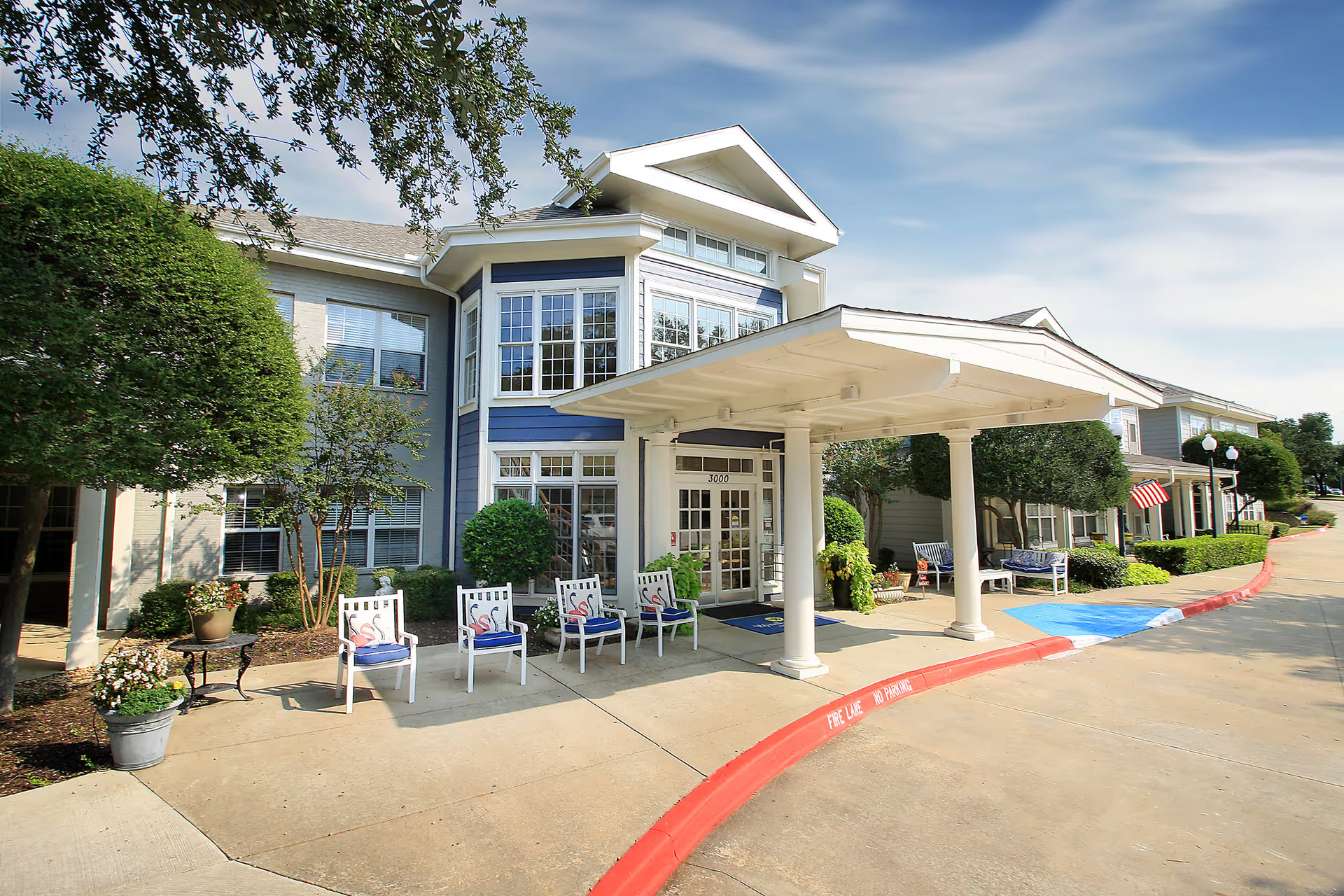
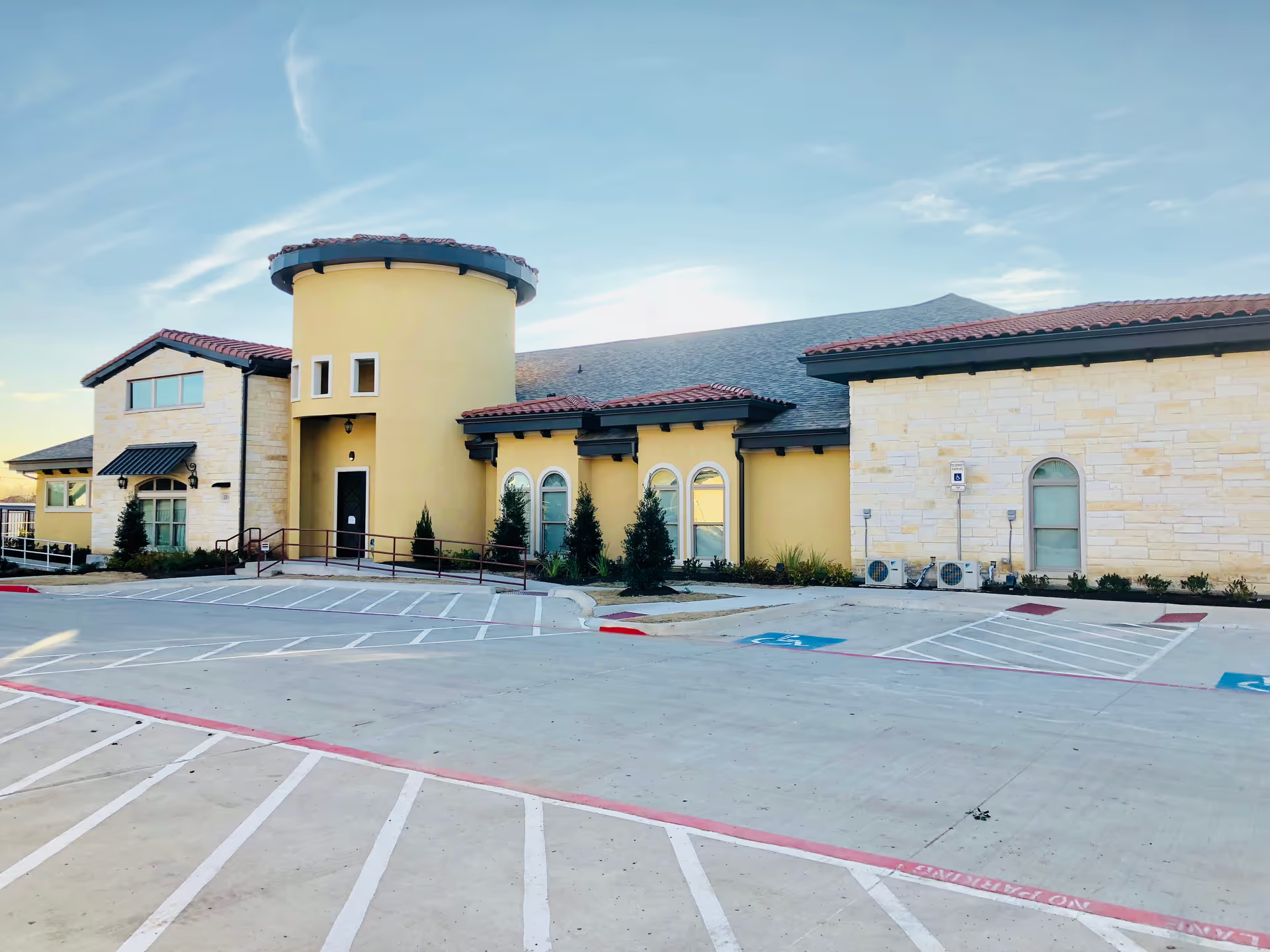
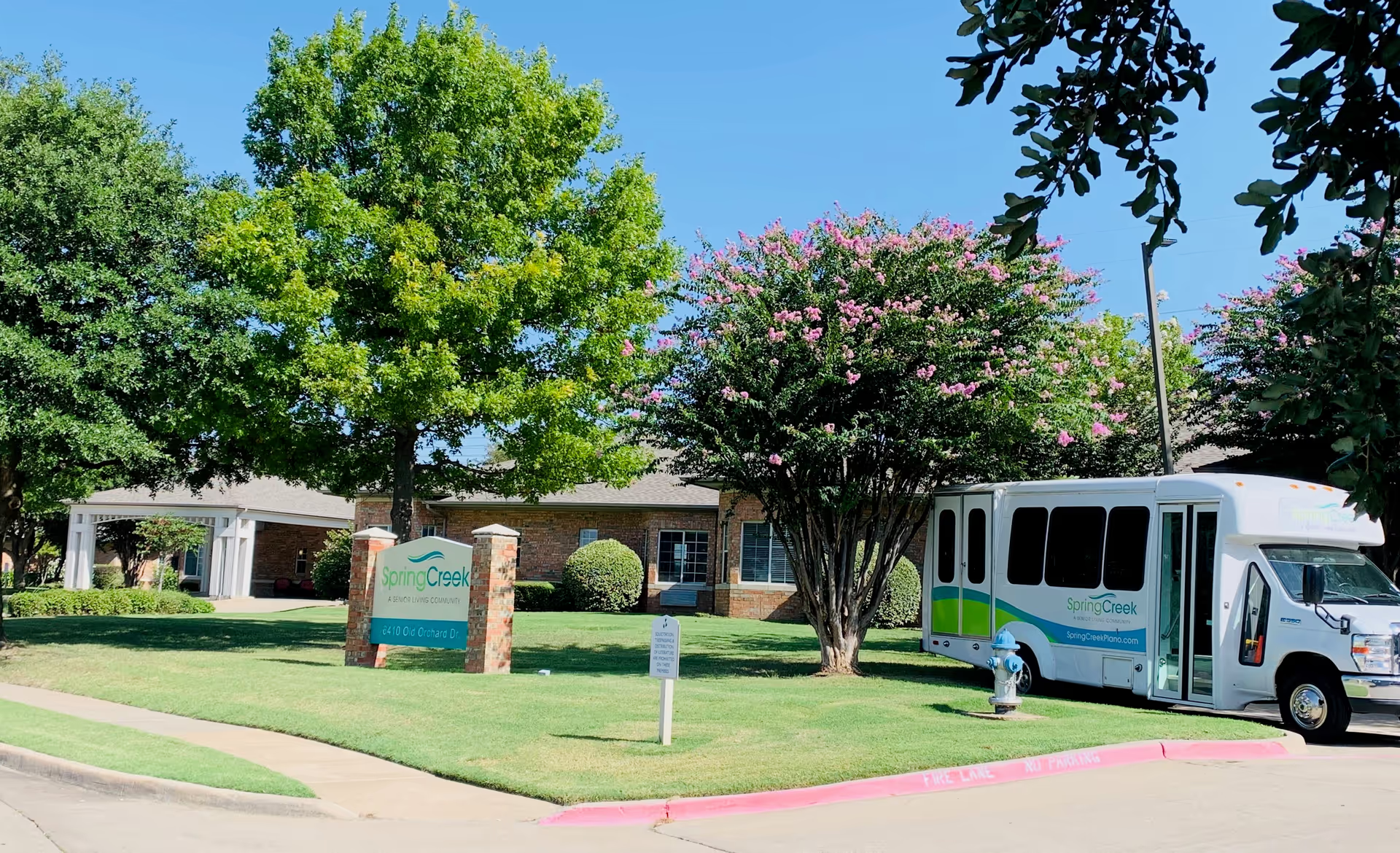
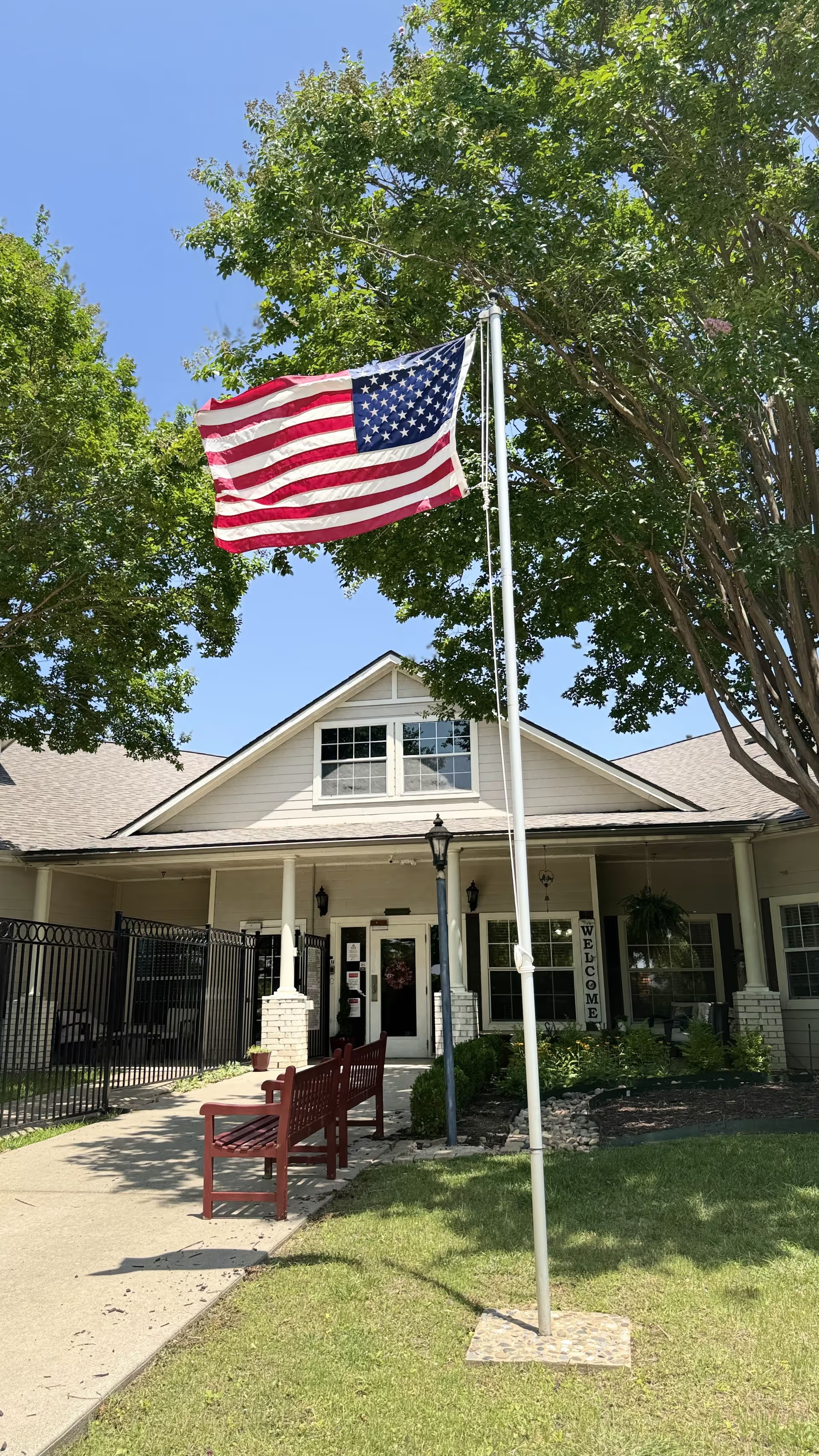
Conservatory at Plano presents as a well-appointed independent-living community with a strong emphasis on hospitality-style amenities, on-site clinical supports, and an active social program. Reviewers consistently highlight the quality of the staff and the accessibility of management: admissions and executive leadership are frequently described as personable and engaged, move-ins are often facilitated with individualized attention, and maintenance and housekeeping services are typically responsive. The property’s grounds, architecture, and interior finishes — high ceilings, woodwork, granite countertops and spacious two-bedroom plans — contribute to a resort-like environment that many residents and families find attractive.
Clinical and wellness supports are a notable strength. The community offers on-site primary care availability (including weekly physician visits), on-site physical and occupational therapy, and structured geriatric fitness programming with a full-time trainer. Safety features such as fall-alert bracelets, door monitors and other assistive technologies are in place, and reviewers frequently cite convenient transportation services and in-house medical coordination as useful for reducing off-campus appointments.
Dining earns repeated praise for restaurant-style presentation, chef-prepared meals, and varied menus. Multiple reviewers mention strong food quality, daily menu rotations, personalized table service, and options such as private-room service and take-out. Food-service leadership and dining-room staff are often singled out for attentive service. That said, there are operational notes about dining continuity — timing, wait times, and take-away policies — that prospective residents should clarify during a visit.
Social programming and resident engagement are central to community life. The calendar includes fitness classes, water aerobics, line dancing, games, arts, field trips, lectures, book groups and happy hours; residents describe abundant opportunities to socialize and a strong sense of belonging fostered by resident committees and staff-led activities. Families and residents frequently report improved social well-being and rapid integration into the community.
The physical plant and amenity set are robust: heated pools, a movie theater, salon, multiple lounges, indoor routes between apartments and dining/activity spaces, and well-kept walking trails. Apartment options include full kitchens and two-bedroom units with natural light, and routine housekeeping is typically included. Reviewers also note favorable financial features such as all-inclusive monthly pricing and no large entrance-fee buy-ins, though cost perceptions vary depending on unit choice.
Patterns of concern cluster around operational consistency and communications. Multiple reviewers describe periods of staff turnover and budget-related adjustments that they perceived as affecting service levels. There are accounts indicating coordination gaps for scheduled activities, occasional cleanliness or dining service delays in some common areas, and specific instances of emergency-communication breakdowns; these suggest that internal incident-response and cross-departmental coordination are areas for ongoing oversight. Wayfinding and signage were also identified as inadequate for residents with vision impairment. Finally, some prospective residents view the community’s upscale, hotel-like ambiance as less homelike, and others note limited payment or lease flexibility.
Overall, Conservatory at Plano rates strongly for families seeking an active, well-serviced independent-living environment with on-site clinical supports and high-quality dining. Prospective residents should tour during a mealtime and an activity period, ask about current staffing stability and emergency procedures, review lease/payment terms, and inspect signage and wayfinding relative to any sensory needs to confirm fit with personal preferences and care expectations.