Overall impression: Reviews describe a community with strong interpersonal strengths and a mixed operational record. Many families and residents praise the caregiving staff, on-site leadership, home-health partnership, and a rich calendar of social programming. At the same time, recurring operational problems — especially around dining, maintenance, and staffing stability — account for a significant portion of negative feedback. Prospective residents should weigh the facility’s community and clinical supports against those operational inconsistencies.
Care and clinical services: Caregiving staff are frequently characterized as compassionate, attentive, and willing to go beyond basic duties. On-site home-health and hospice coordination receive positive mention, and several accounts describe responsive nurse or hospice interactions. However, there are also concerns about clinical oversight: reviewers describe medication-management lapses, limited RN availability for 24-hour clinical supervision, and variable follow-through on clinical requests. These observations suggest generally strong frontline caregiving complemented by periodic gaps in higher-level clinical oversight and documentation processes.
Staff and management: Leadership and specific directors receive repeated praise for responsiveness and steadying the community, and many reports credit recent managers with improvements. Conversely, the facility has experienced notable staff turnover, which reviewers link to uneven service delivery in dining, housekeeping, and maintenance. Some comments describe unprofessional communication, delayed complaint resolution, and at least one allegation of staff theft; these indicate variability in management effectiveness and in internal controls.
Dining and nutrition: Dining is a polarizing area. Numerous residents commend the meal program, table service, and the inclusion of three daily meals in rent. At the same time, a substantial number of reviews report inconsistent food quality — bland or small portions, undercooked or cold dishes, limited fresh produce or protein options, and variability when kitchen leadership changes. Kitchen staffing instability and continuity issues are recurring themes. Families with specific dietary needs (diabetic, low-sodium, cultural restrictions) should confirm current menu practices and kitchen staffing stability before deciding.
Activities and community life: Activity programming is a clear strength. The facility offers daily and seven-days-a-week programming, frequent social events (happy hours, religious services, special events), and opportunities for resident socialization. Residents and families frequently describe an engaged, family-like community with active participation and volunteer involvement.
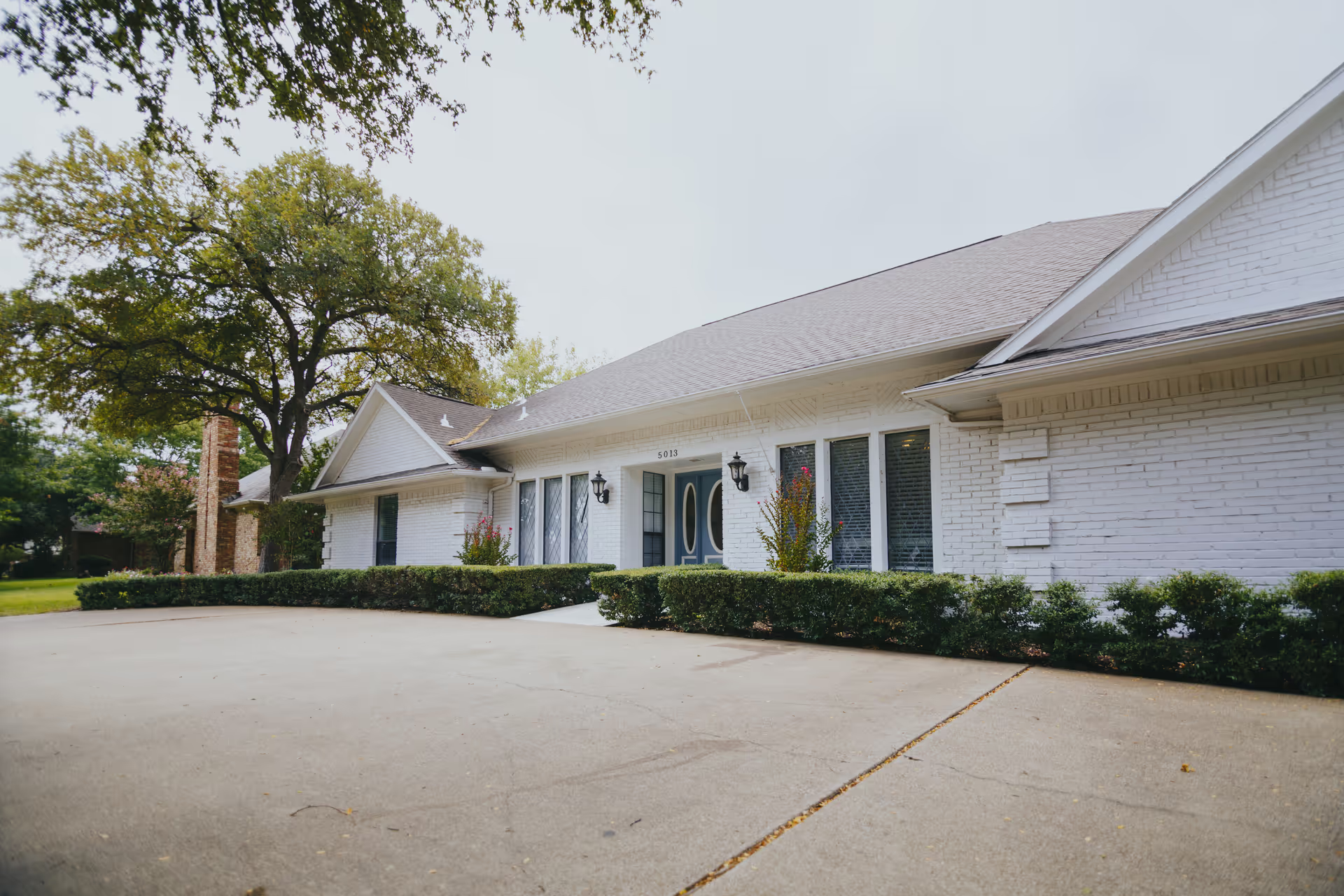
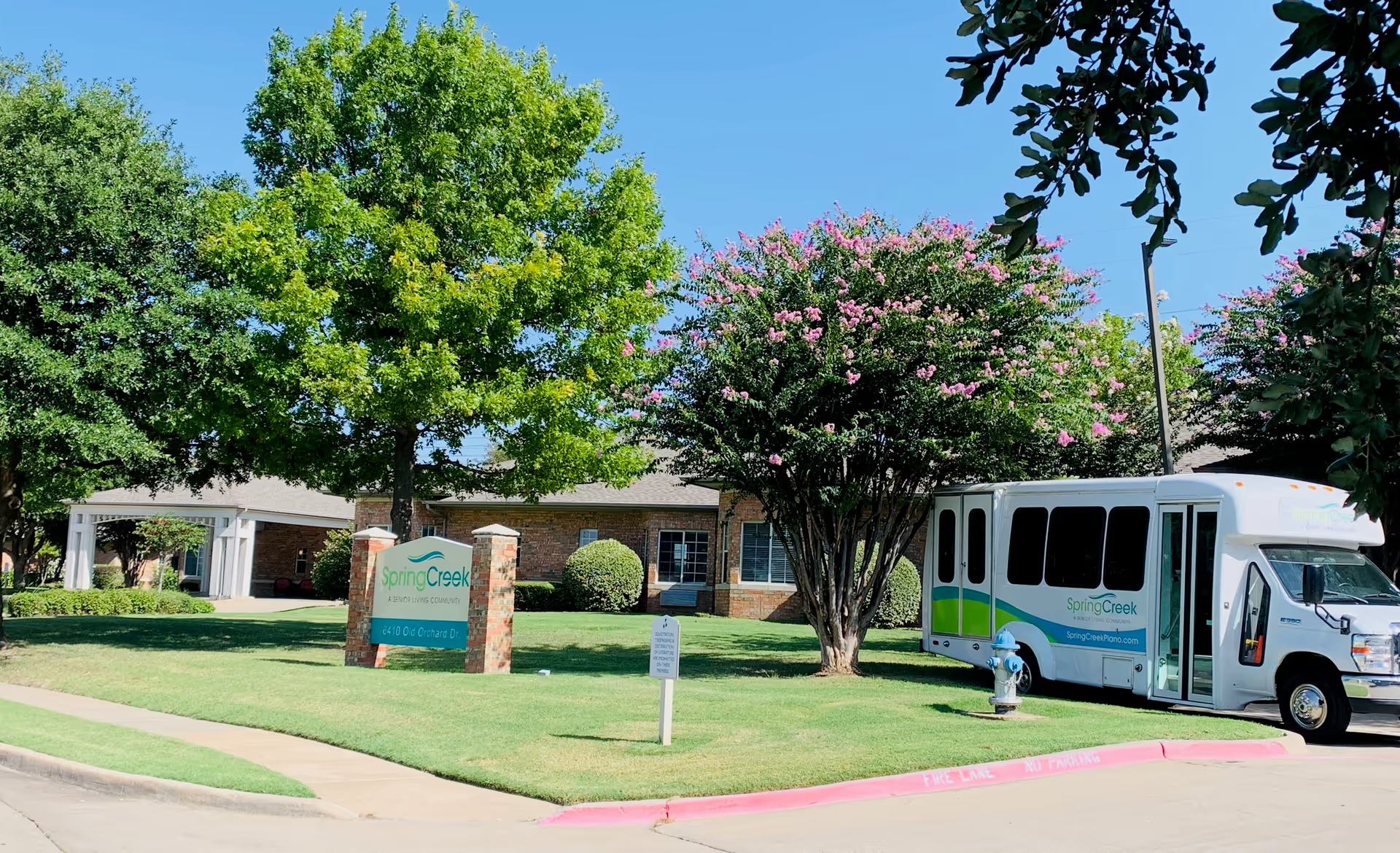
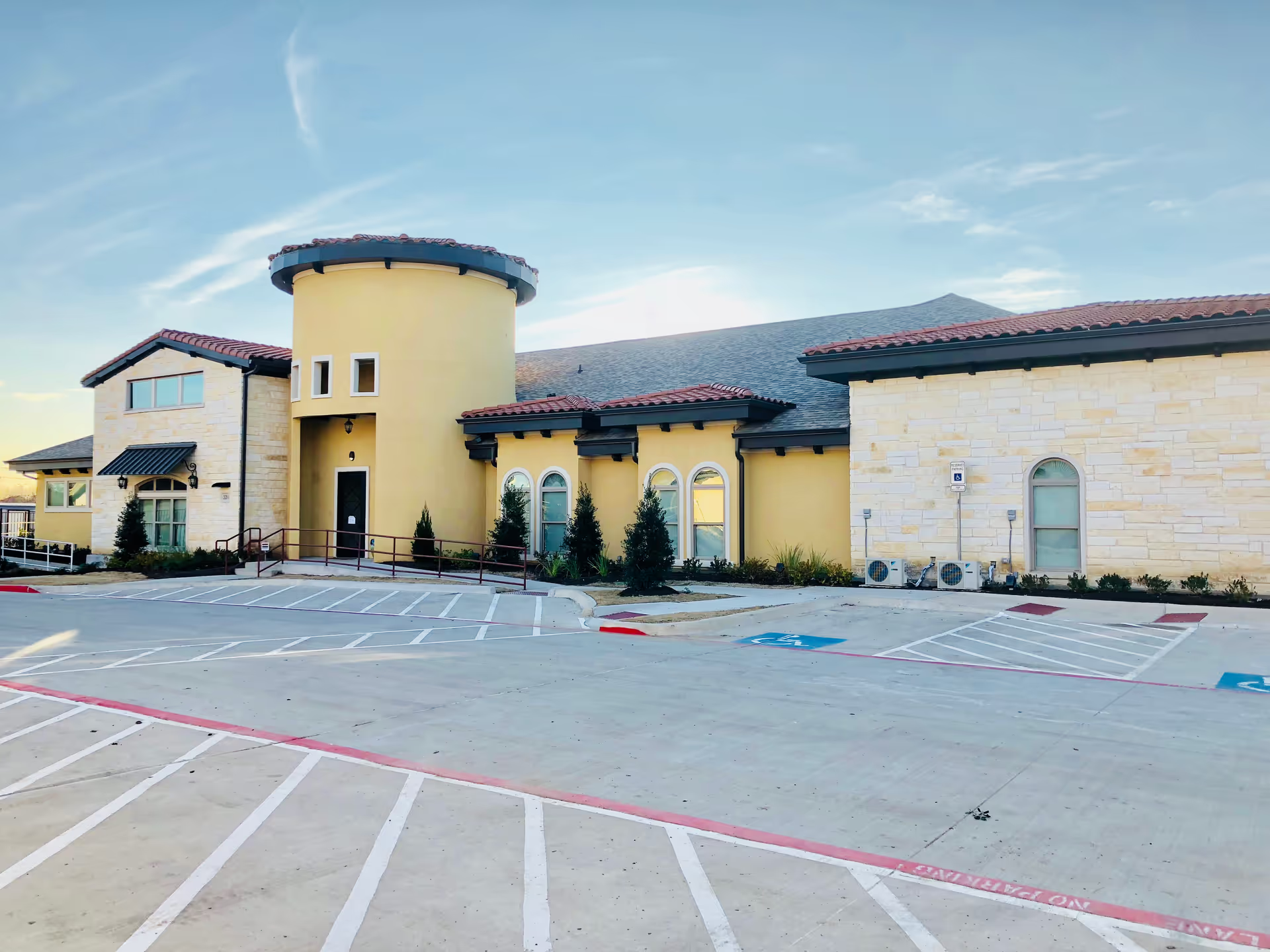
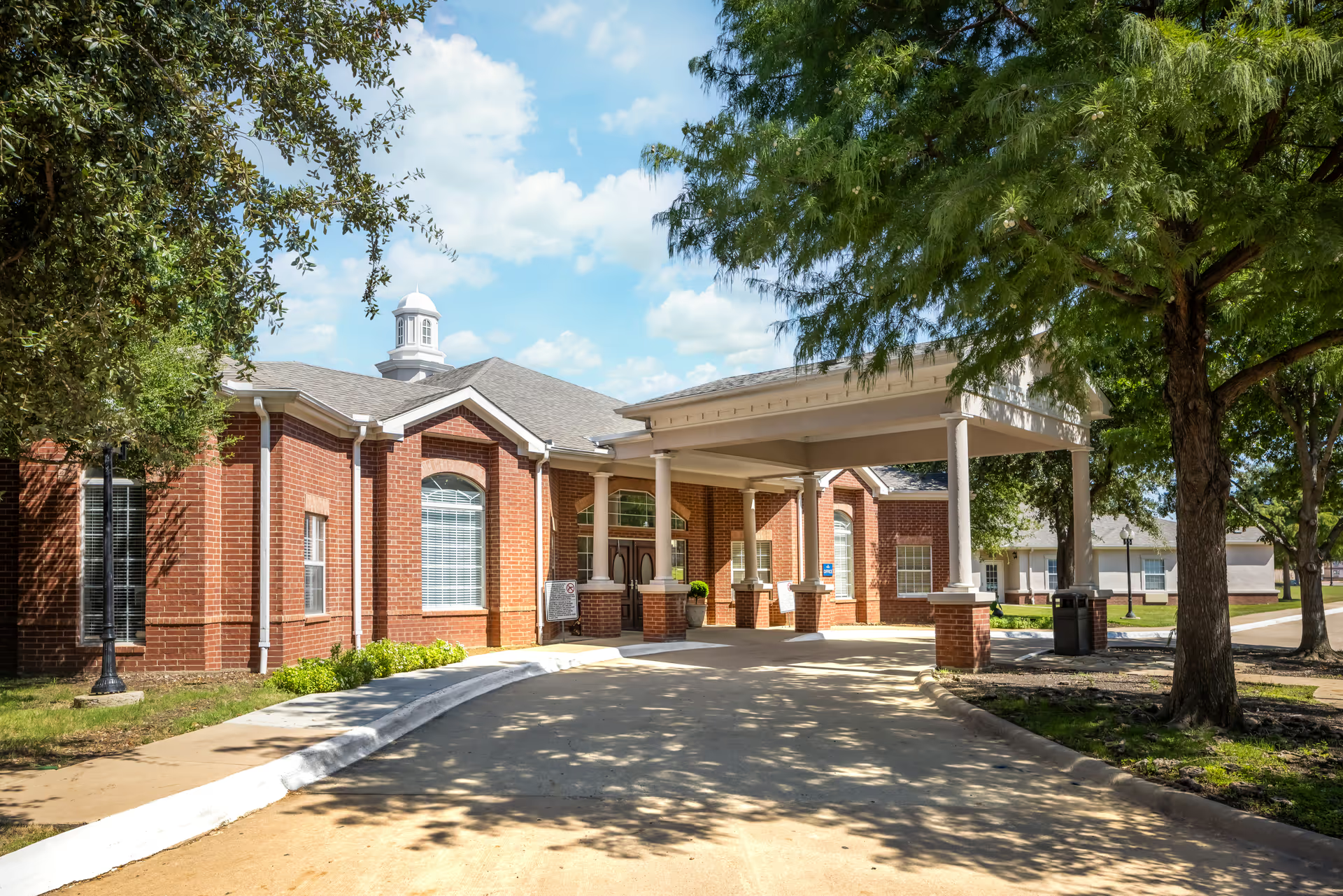
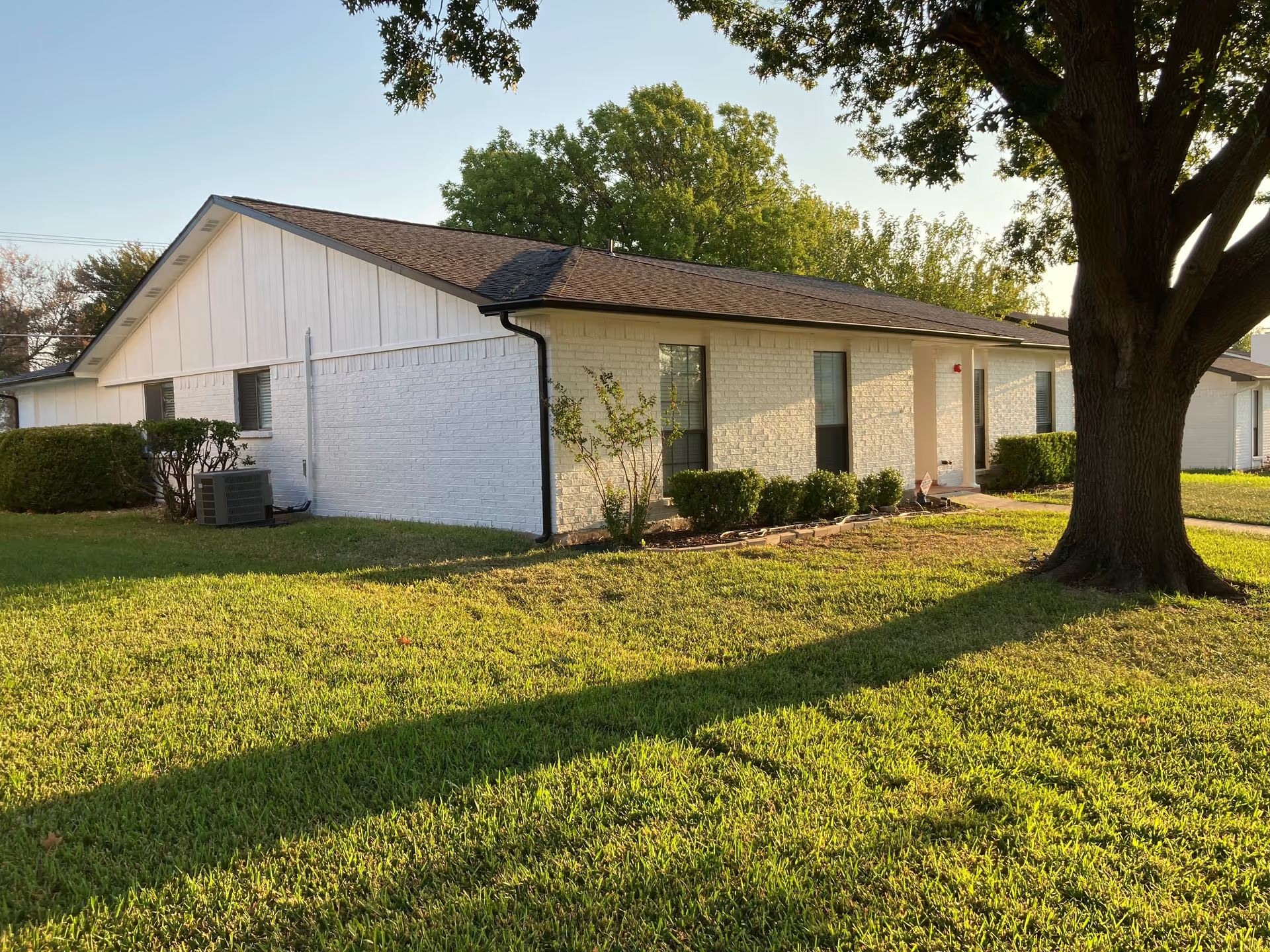
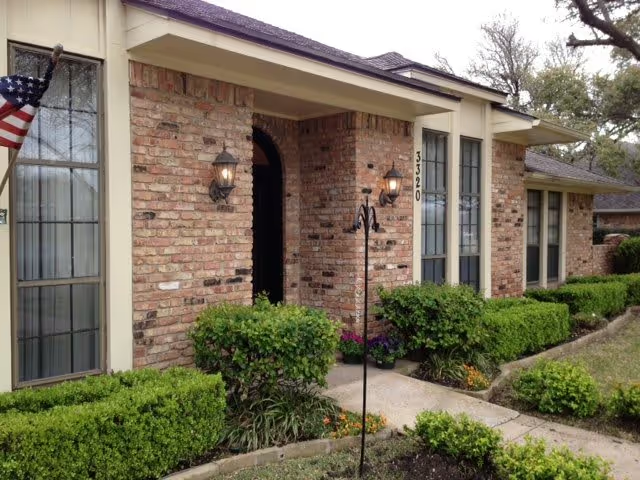
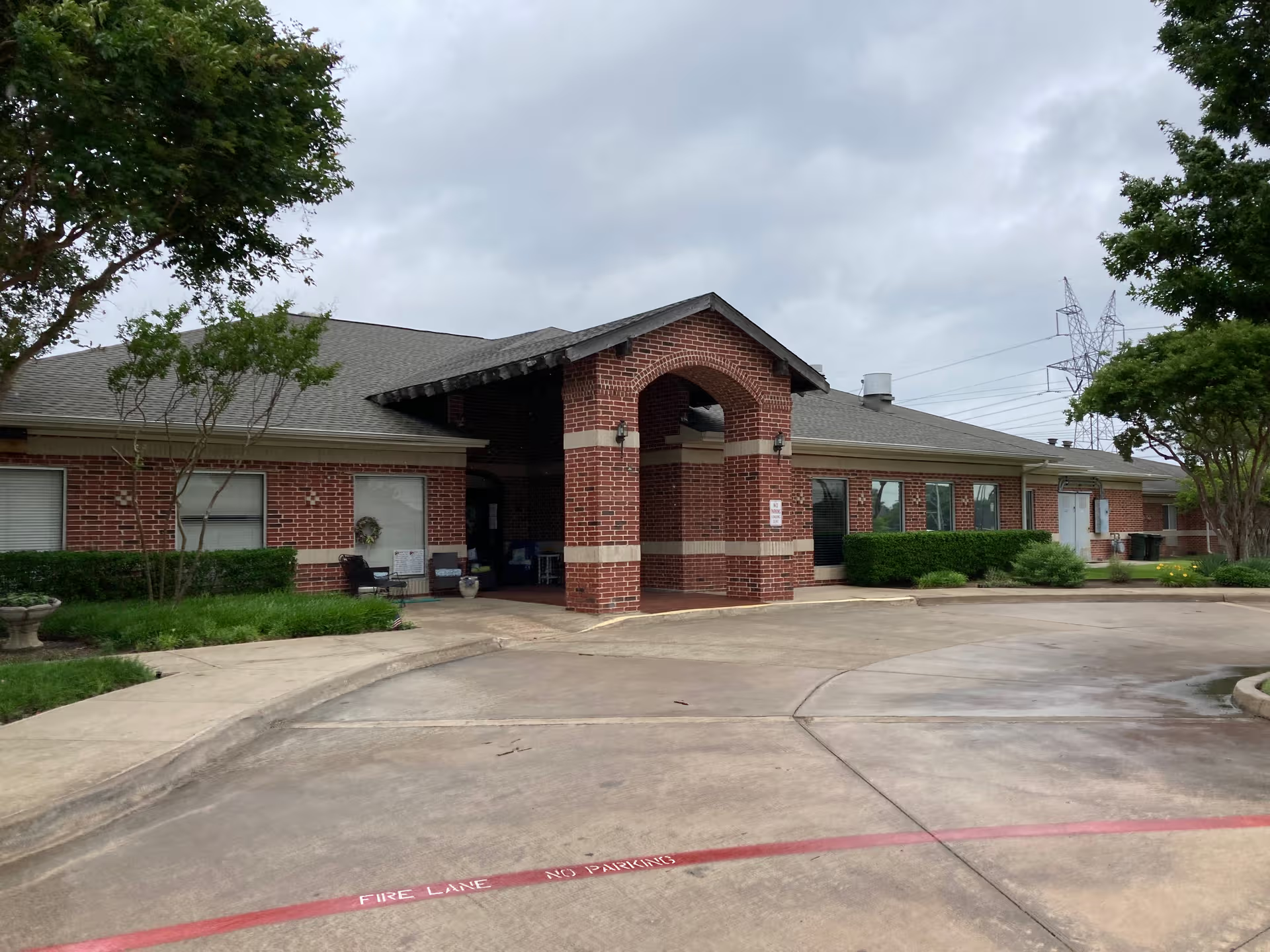
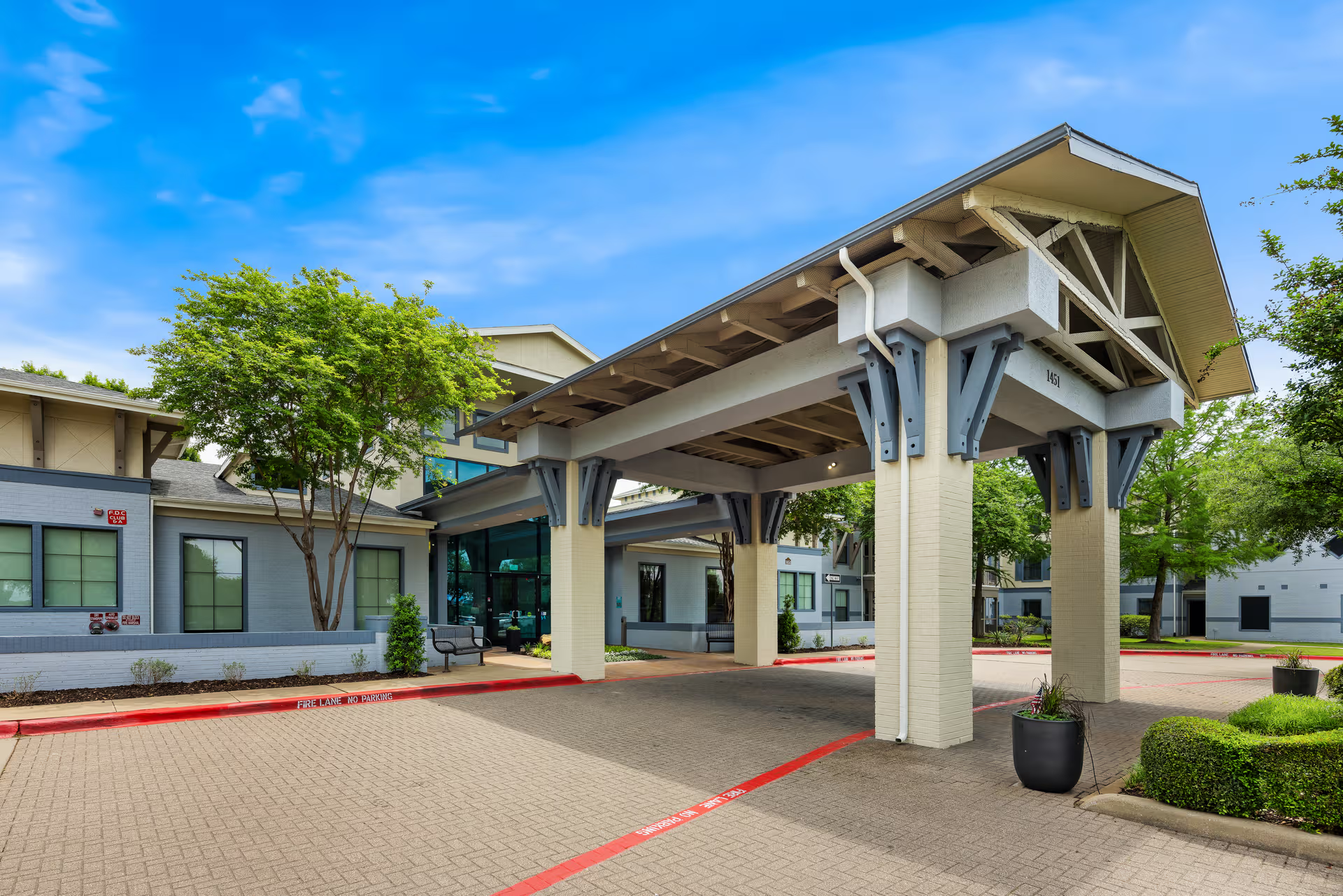
Facilities and maintenance: The physical plant is an older building with ongoing renovations: many common areas are described as clean, bright, and recently updated, and grounds are generally well kept. At the same time, reviewers note accessibility limitations (missing ramps, awkward toilet configurations), aging infrastructure (small refrigerators, limited in-unit cooking appliances), and periodic maintenance delays. Sanitation and odor concerns in some hallways and pest-control issues are also mentioned; these items point to uneven housekeeping and environmental services performance.
Notable patterns and guidance: The overall pattern is one of contrast — strong, caring frontline staff and a lively activity program combined with operational inconsistency in dining, housekeeping, maintenance, and supervisory clinical oversight. Leadership changes and high turnover in kitchen and other support roles appear to drive much of the variability. Prospective residents and families should verify up-to-date information about kitchen leadership and staffing, medication and RN coverage policies, pest-control and sanitation procedures, maintenance response times, and contract/fee terms (refund and move-out conditions). A focused tour that includes a meal, a conversation with nursing leadership, and a review of the resident contract will help clarify whether the facility’s current operational state matches the aspects that matter most to the prospective resident.