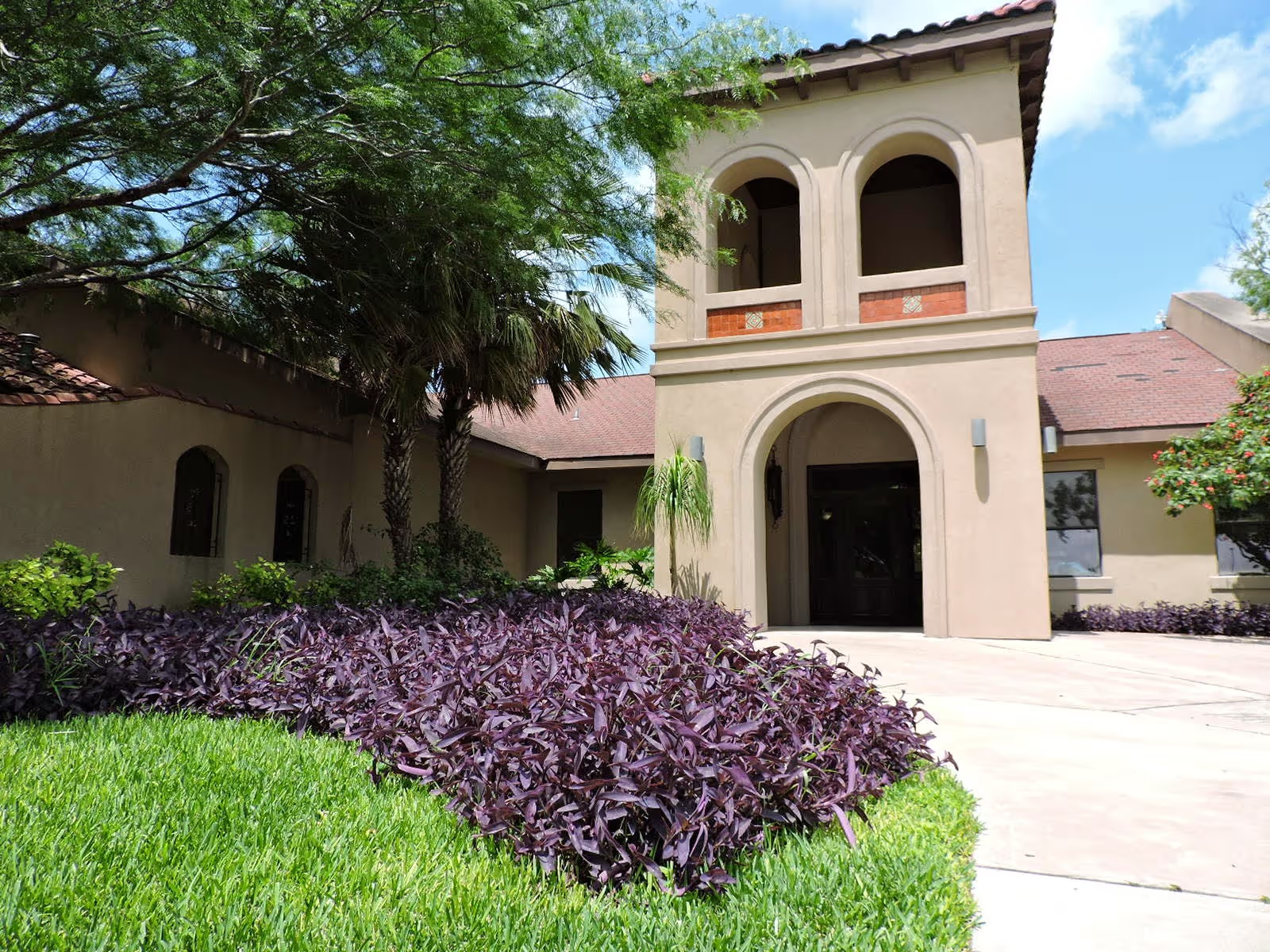
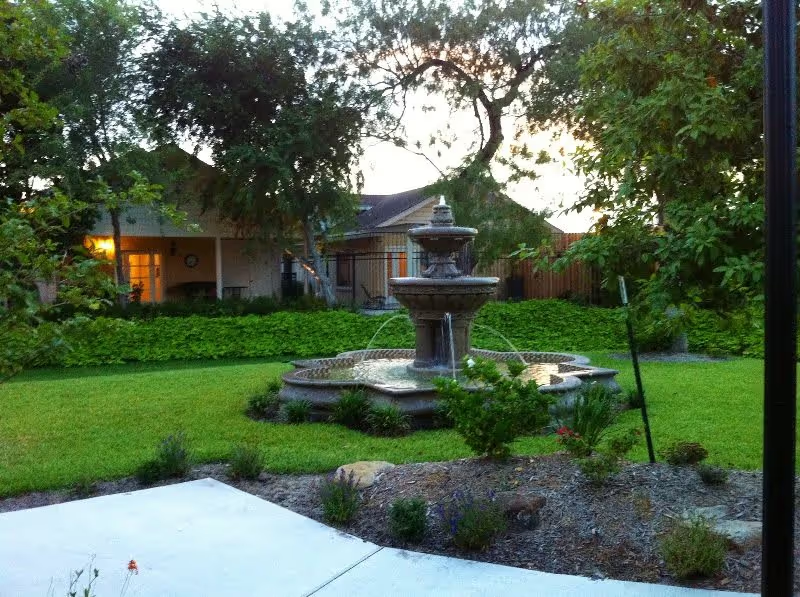
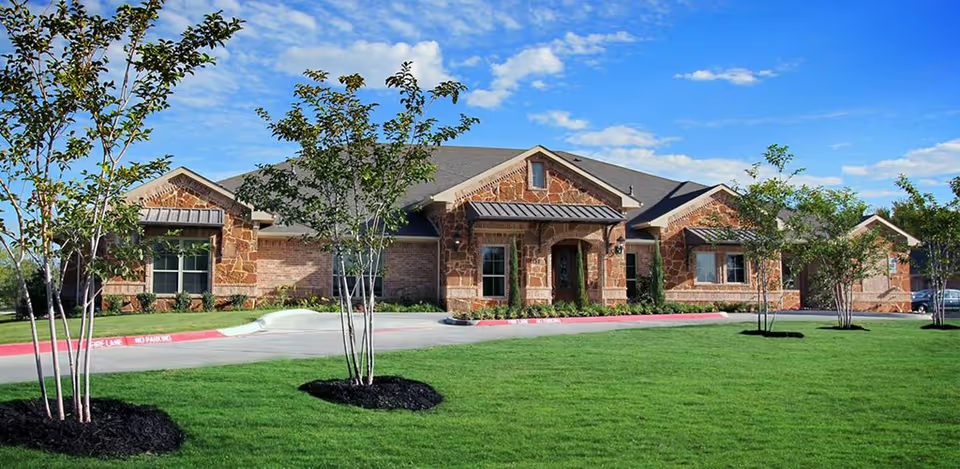
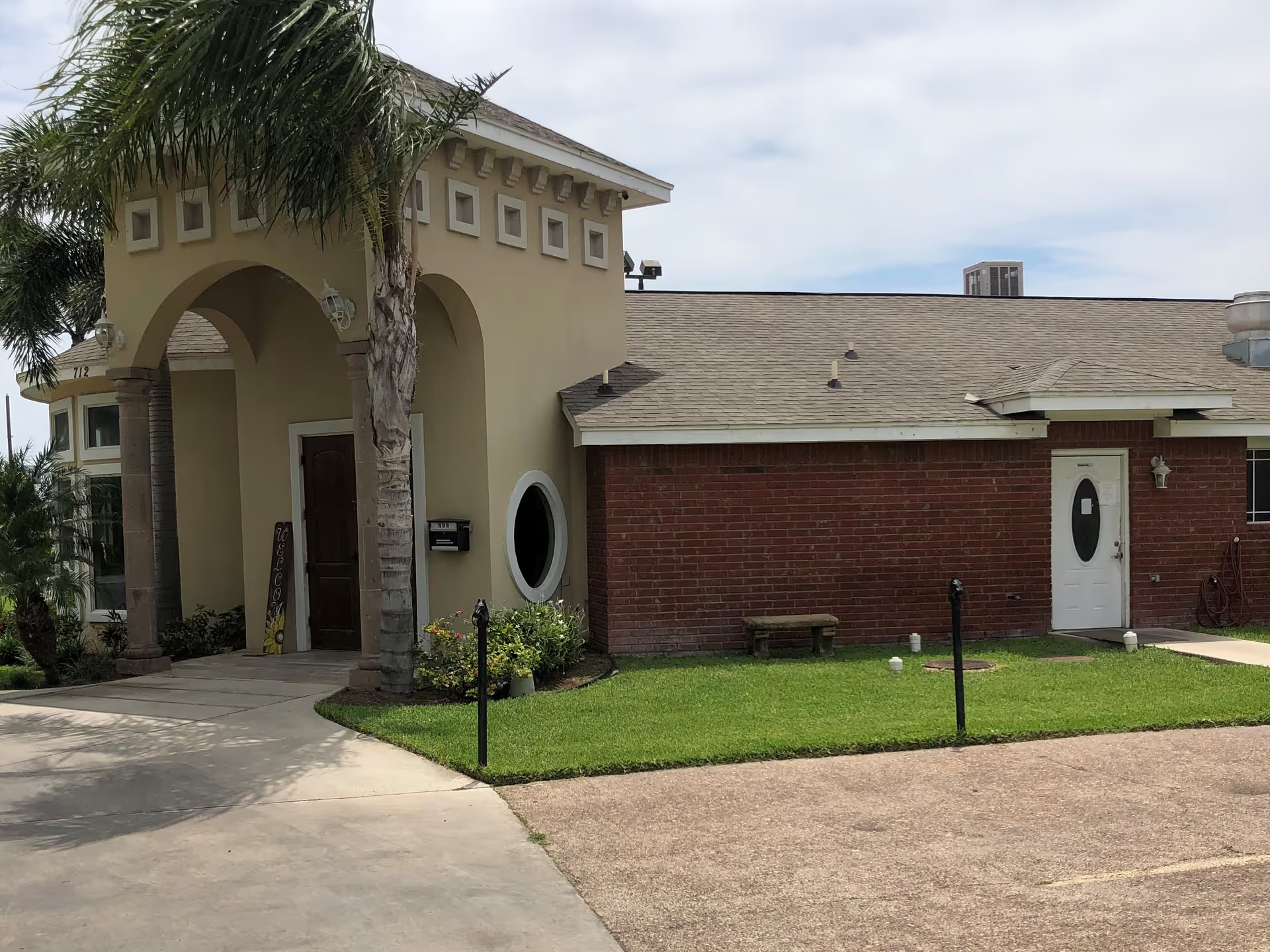
Overall impression: The reviews portray Rio Grande City Nursing and Rehabilitation Center as a facility that delivers broadly high-quality, person-centered care with notable strengths in nursing, therapy, and dining. Families and short-term rehab patients frequently describe the staff as compassionate, attentive, and professional; many single out individual employees and departments (nursing, therapy, wound care, dietary) for consistently good outcomes and helpful communication. The physical environment is characterized as clean, modern, and well maintained, with active programming that supports social engagement and rehabilitation goals.
Care and staffing: Clinical care is consistently described as attentive and respectful. Reviewers emphasize strong hands-on nursing, supportive CNAs, and an effective therapy team that achieves measurable rehab outcomes. At the same time, several family accounts raise operational concerns about staffing consistency. These concerns cluster around reduced coverage on weekends and nights, slower-than-expected responses to call lights or alarms, and periods when staff appear overwhelmed. Those staffing patterns are described as the primary operational factor that can erode otherwise positive care experiences.
Dining and activities: The dietary program is repeatedly praised for quality, variety, and individualized meal attention; the dietary manager and kitchen staff receive frequent positive mention. Activities and social programming are described as varied, resident-focused, and contributing to a sense of community and well-being. Together these departments are a clear strength and are often cited as reasons families feel their loved ones are comfortable and engaged.
Facilities and safety: The building and common areas are regularly described as clean and well maintained, with infection-control practices noted positively. A few reviewers identified security and access-management issues (for example, exit doors not always staffed) and described alarm/notification inconsistencies. Those items suggest opportunities to tighten environmental-safety procedures and monitoring.
Management and communication: Administrative staff and customer-service interactions receive largely positive feedback for professionalism and personalized attention. However, some reviews express concern about administrative decisions tied to budget priorities affecting supply procurement and readiness on admission. A small number of families raised serious concerns about clinical-safety during specific incidents; one family framed their experience as an allegation of a serious clinical-safety event. These accounts are atypical within the broader feedback but indicate the need for transparent incident review, consistent supply management, and clear family communication following any adverse event.
Notable patterns and recommendations: The dominant pattern is positive—residents are described as comfortable, well cared for, and known by staff. The most consistent operational weaknesses are staffing variability and responsiveness during off-peak hours, intermittent communication-tone issues, and occasional supply/security management gaps. Prospective residents and families should weigh the facility’s strong rehabilitation, nursing, dining, and activity offerings against these operational considerations; asking about current staffing ratios, weekend/night coverage, incident escalation processes, and supply readiness at tour time would help clarify whether the facility’s operational controls match a family’s expectations for safety and responsiveness.