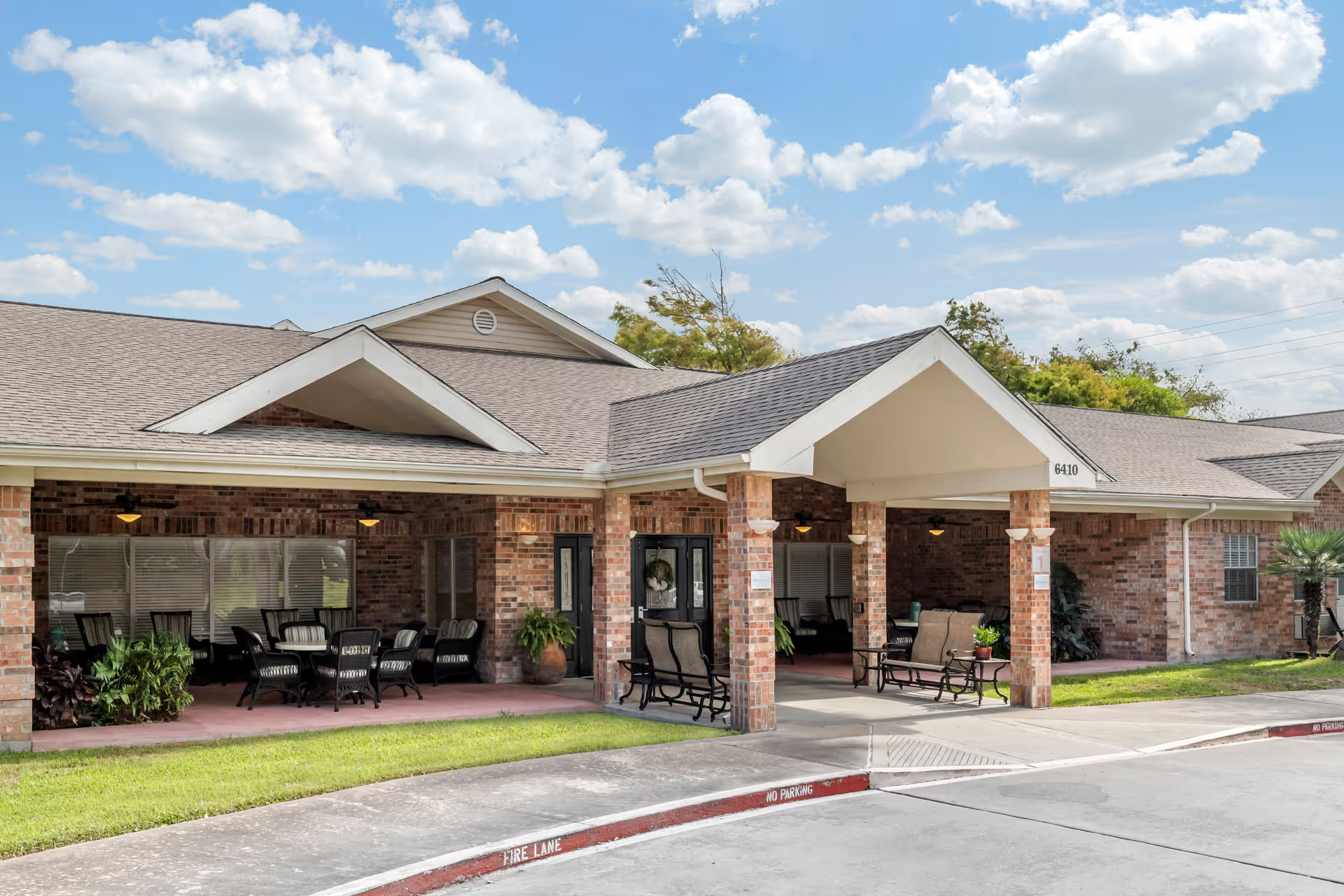
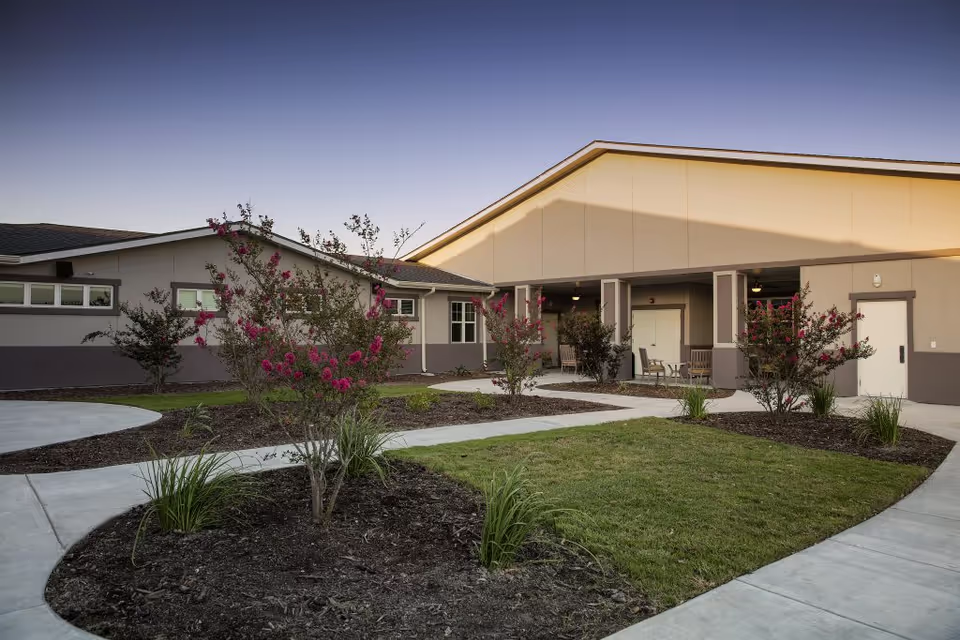
Reviews of Robstown Nursing and Rehabilitation Center present a mixed but distinct pattern: many families and visitors emphasize strengths in interpersonal care and rehabilitation services, while others describe operational gaps that have affected individual resident experience. Strengths most frequently cited include compassionate and courteous nursing staff, around-the-clock nursing availability, and attentive CNAs. Several accounts praise the facility’s rehabilitation program (physical and occupational therapy), noting effective, outcome-oriented therapy and positive functional gains for residents. Physician attentiveness, strong laundry services, quality meals, a variety of activities, and visible infection-control screening are additional positives highlighted by reviewers.
Care-quality observations are split. Positive feedback describes warm, resident-centered interactions and consistent therapeutic follow-through. Conversely, underlying operational weaknesses are implied by multiple mentions of delayed attention to personal-care needs and inconsistencies in daily care routines. Concerns about medication-handling processes also appear, suggesting the facility may benefit from strengthened medication-administration controls and clearer oversight mechanisms. Families considering placement should inquire directly about the facility’s medication policies, staffing ratios, and how personal-care tasks are scheduled and documented.
Dining, activities, and ancillary services receive generally favorable comments: meal quality is often described as good, laundry and housekeeping are frequently noted as well maintained, and activity programs are described as engaging and varied. At the same time, there are intermittent sanitation and odor-control concerns that point to unevenness in environmental maintenance. Prospective visitors should observe cleanliness on different days and shifts to assess consistency.
Management and leadership receive considerable positive attention. The administrator and leadership team are repeatedly characterized as engaged and nurturing, and several reviewers appreciate visible safety measures and pandemic screening. However, reviewers also describe staffing patterns—specifically staff clustering at the nurses’ station—that can reduce on-floor presence and responsiveness. This speaks to broader operational variability between shifts or units and to communication/oversight inconsistencies.
In summary, Robstown Nursing and Rehabilitation Center appears to offer strong rehabilitative services, compassionate staff, and solid ancillary support in many cases, alongside some operational weaknesses that have led to variable resident experiences. Families should weigh the facility’s strengths in therapy and leadership against the reported inconsistencies in personal-care routines, medication management, and environmental maintenance. Recommended next steps for prospective residents include in-person visits during different shifts, specific questions about staffing and medication protocols, and reviewing how the facility documents and responds to personal-care needs.