University Village presents as a predominantly well-regarded assisted- and memory-care community with a number of consistent strengths. The strongest themes across reviews are the quality and character of direct care: staff are described as compassionate, attentive, and familiar with residents, with many long-tenured employees and a generally favorable staff-to-resident ratio. Reviewers highlight dementia-care expertise, safety-focused design elements, and a home-like layout that supports family involvement.
Clinical and support services are an important asset. Families note on-site medical access, comprehensive therapy services (PT/OT/SLP), availability of nurse practitioners and physicians, and on-site hospice/home-health options. Several accounts praise prompt clinical responsiveness (including fall-alarm response) and personalized care planning. At the same time, a small number of reviewers raised serious clinical concerns, including at least one medication-related incident; these appear isolated but should prompt prospective families to ask about medication protocols, incident reporting, and clinical oversight during a tour.
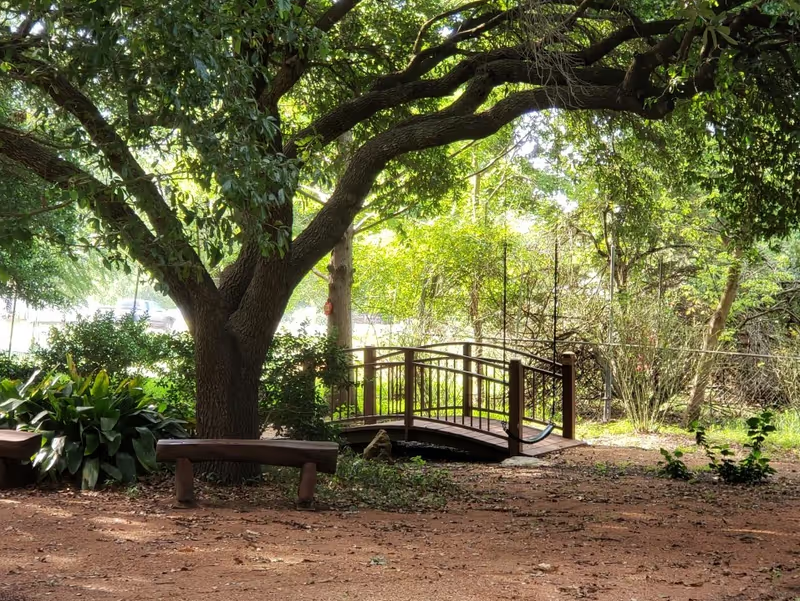
Dining and day-to-day living are generally positive. Meals are frequently described as nutritious, accommodating of preferences and special diets, and complemented by snacks throughout the day. The community offers a range of amenities — fitness center, salon, therapy rooms, bright dining areas, and open common spaces — and many families value the natural light, park-like grounds, and pet-friendly environment.
Activity programming receives mixed feedback. Many residents participate in puzzles, games, movie nights, outings, and culturally oriented events; cottages and some units are noted for creative, engaging programming. Conversely, some families feel the calendar can be insufficiently stimulating for higher-functioning residents and that activity staff awareness and creativity vary between neighborhoods. Prospective residents should review the current activity calendar and observe a program session to assess fit.
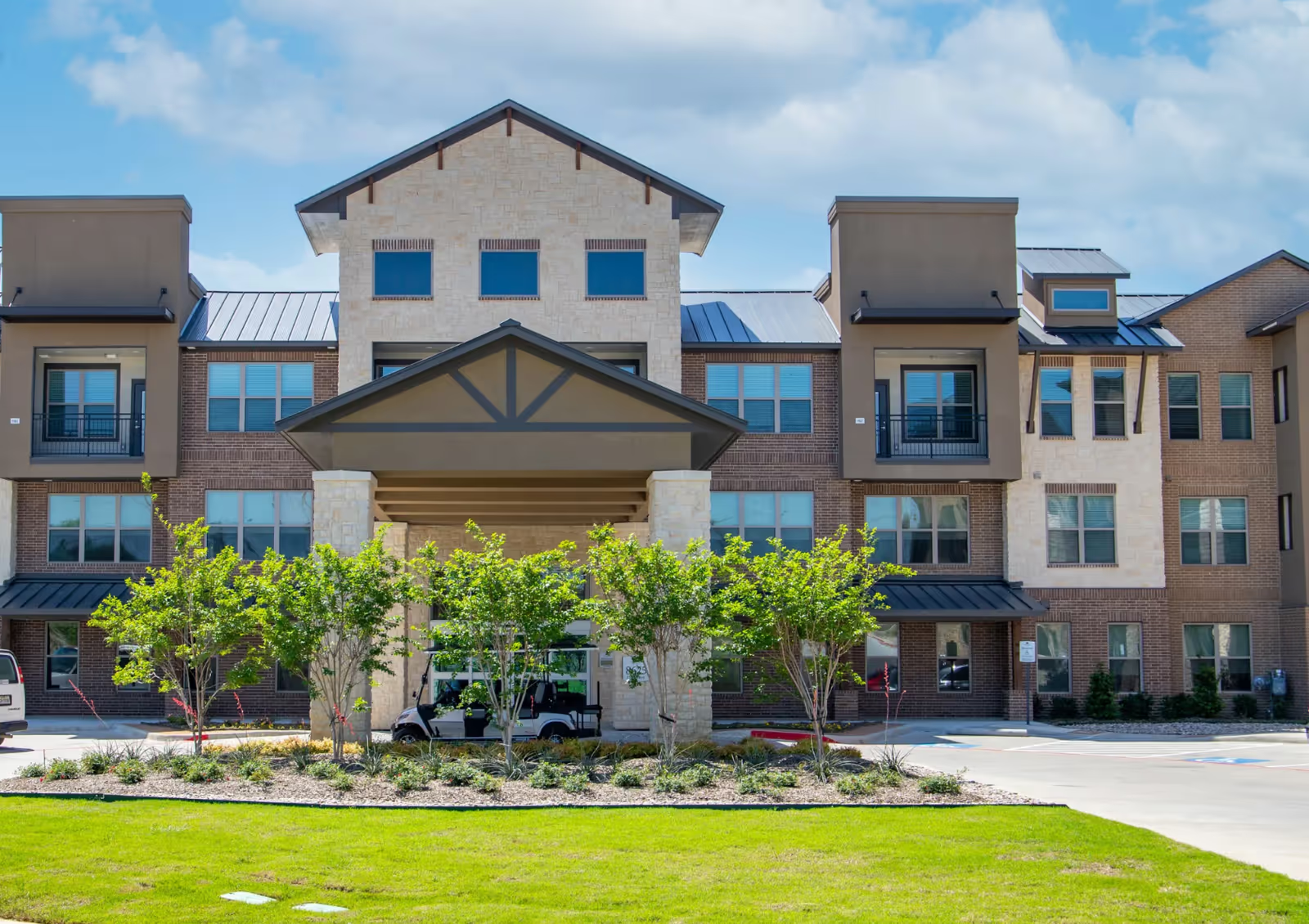
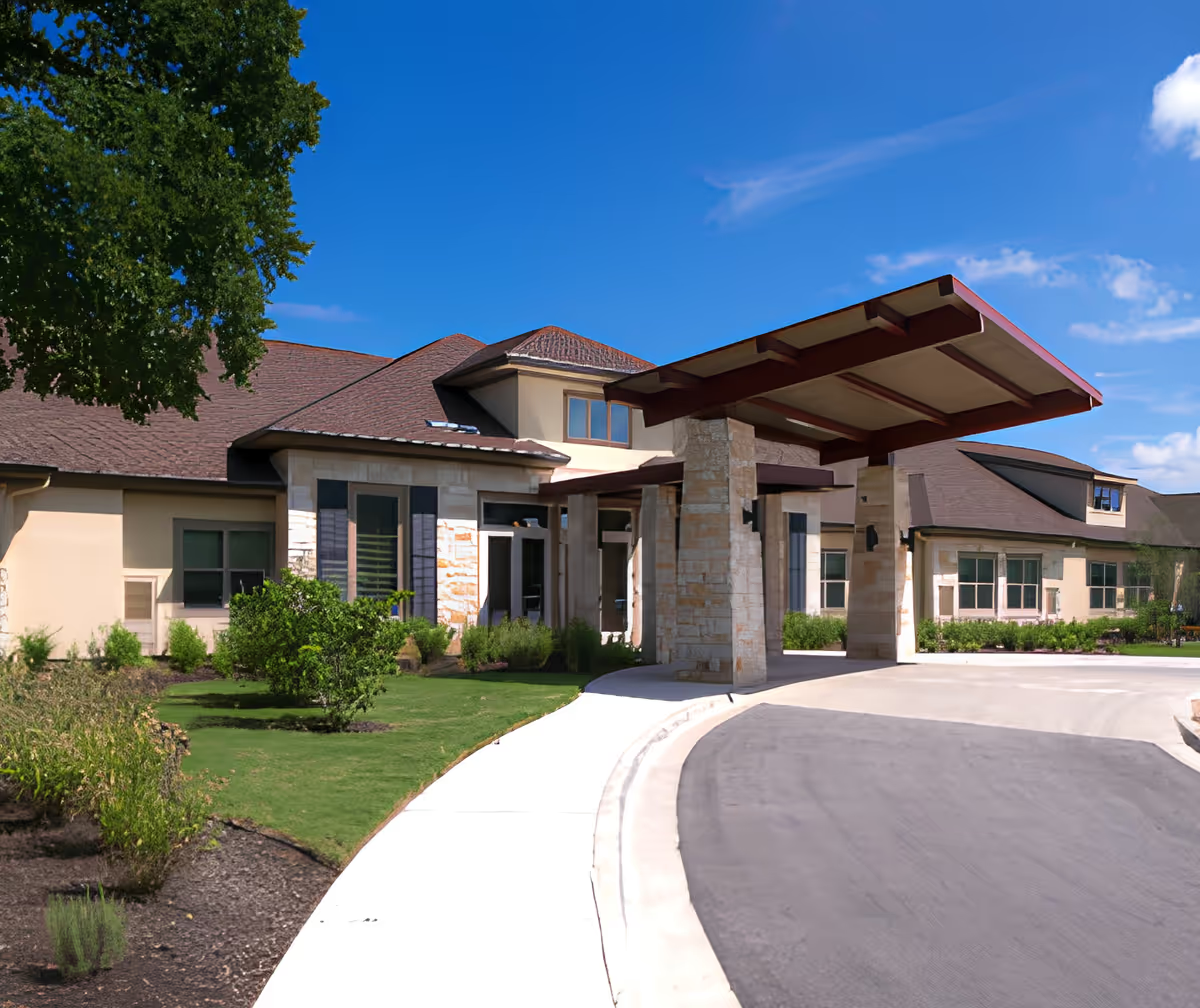
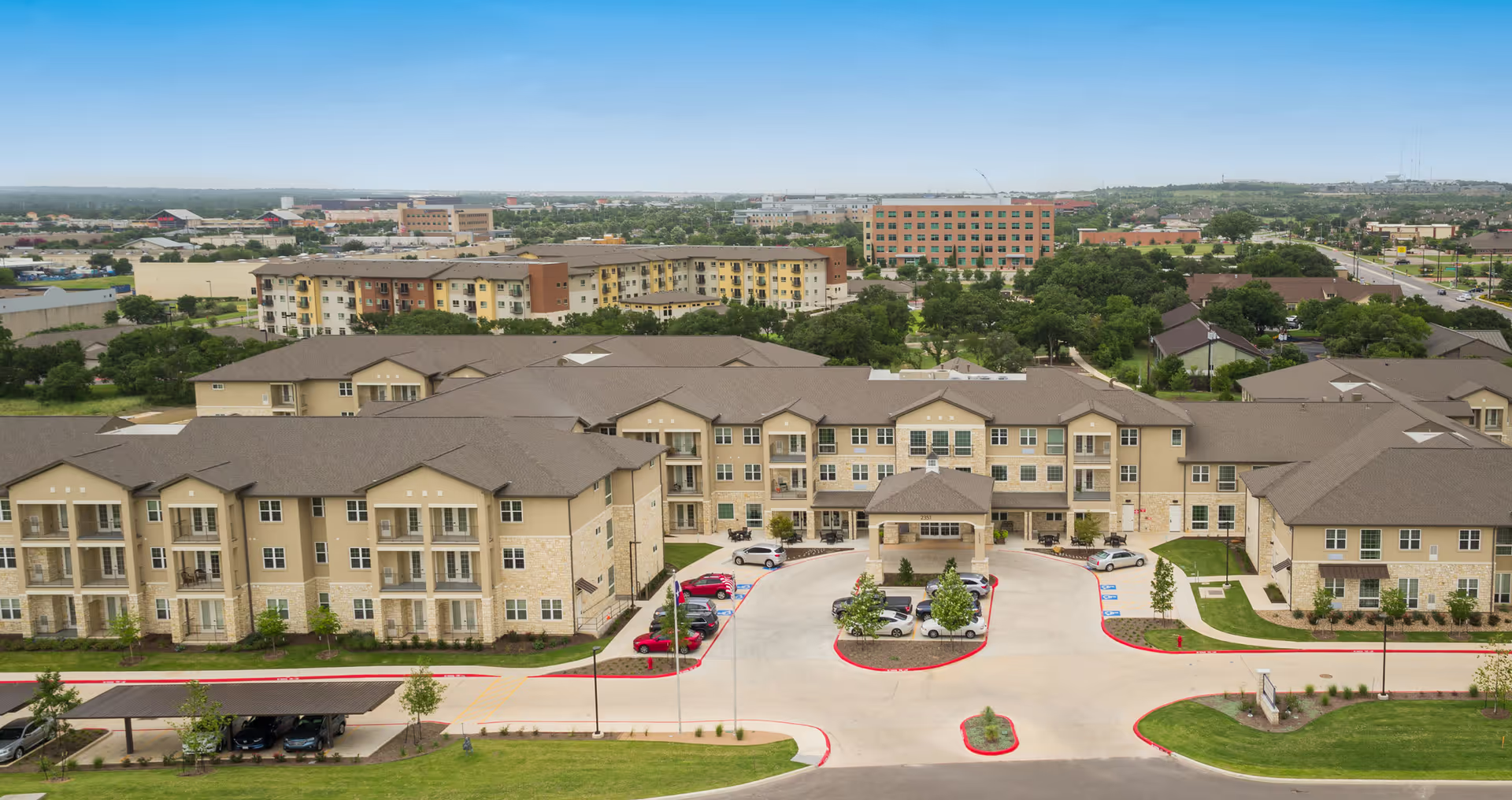
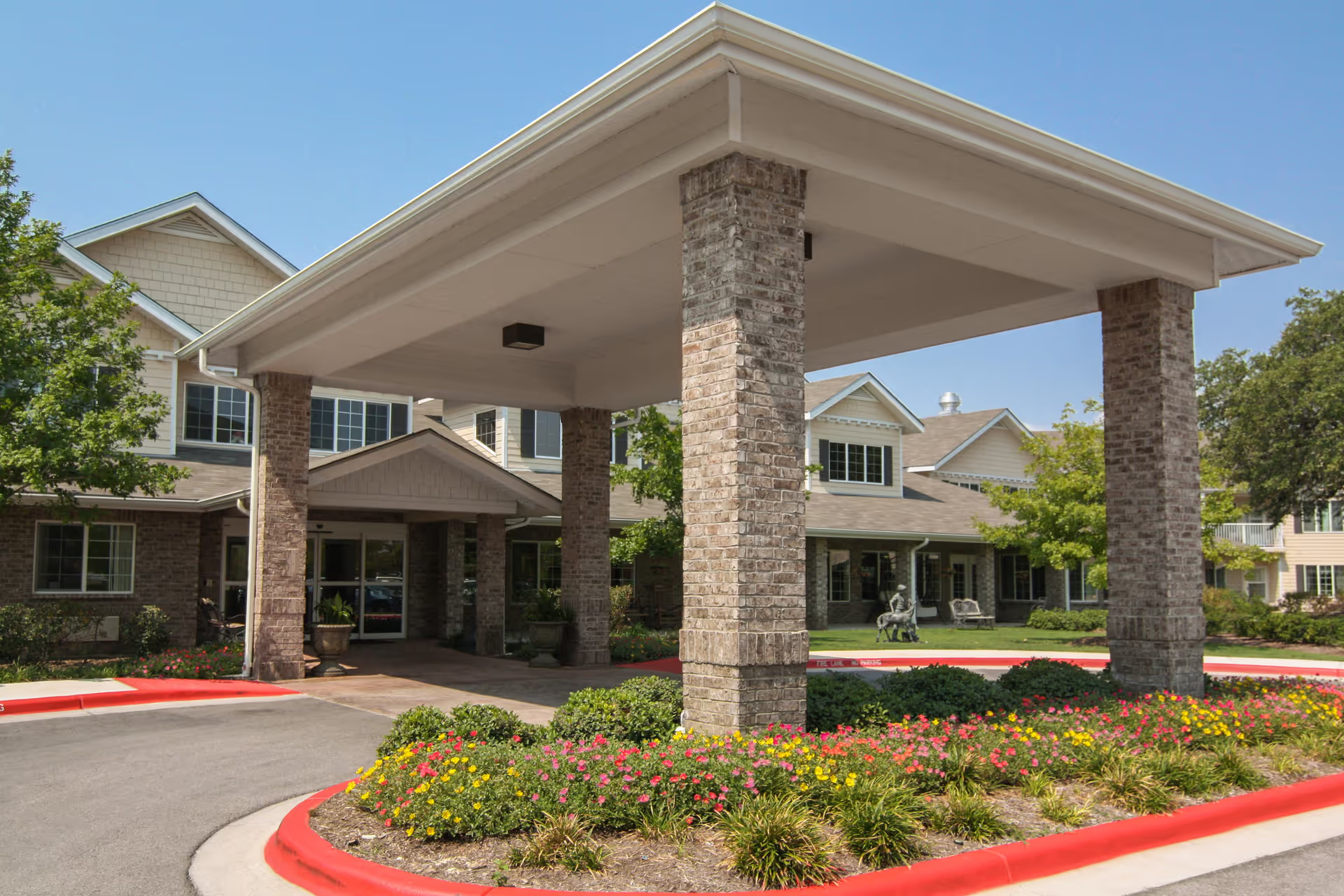
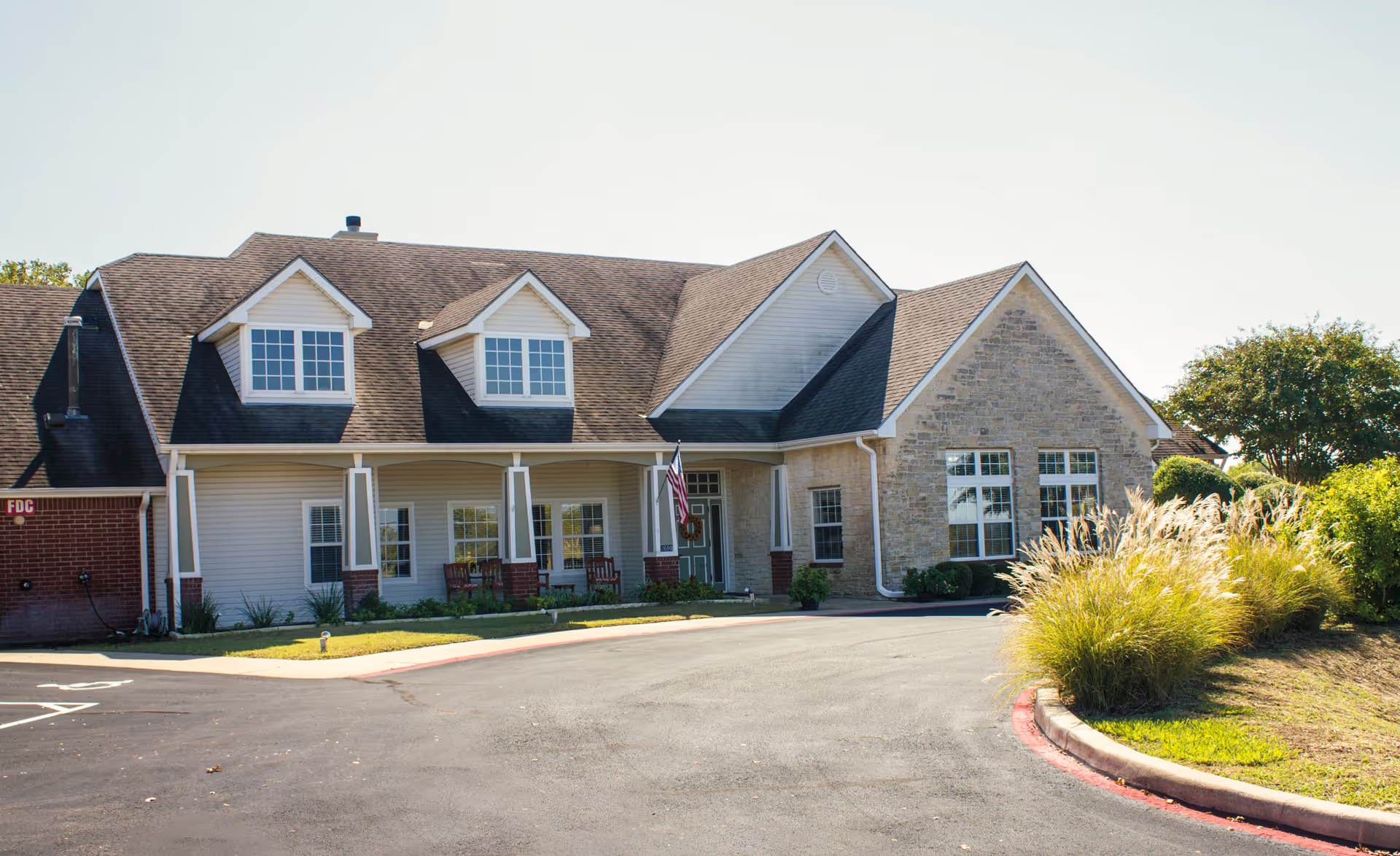
Facility condition and layout vary by building. Newer construction and common areas are described as bright, clean, and modern; private units can range from spacious light-filled rooms to smaller, more compact rooms with limited storage and few private showers. Noise from traffic or large patios and limited outdoor walking areas were cited in some locations. Housekeeping consistency in private rooms also varied in reviewers’ experiences.
Management and operations show strengths and some areas for inquiry. Many families praise an engaged executive director, proactive communication (including FaceTime/photo updates), and flexible move-in support. However, others noted intermittent administrative follow-through, paperwork delays, and communication lapses. Staffing patterns — including reliance on temporary staff during shortages — were linked to variability in care continuity and activity delivery. Concerns about pricing transparency and perceived upselling of higher care levels were also raised.
Bottom line: University Village offers a strong caregiving culture, robust clinical and therapy services, and a comfortable, secure physical environment that many families find reassuring for memory-care and assisted-living needs. At the same time, prospective residents should investigate unit size/layout options, private-bath availability, current activity programming, staffing stability, medication-safety protocols, and the facility’s pricing structure during an in-person visit to ensure the community’s operational patterns align with the resident’s needs and expectations.