Iris Memory Care of Rowlett is frequently described as a small, home-like memory care community with a strong emphasis on dementia-focused caregiving. A consistent theme across feedback is the quality of direct care: reviewers highlight a compassionate, highly engaged caregiving team, a favorable staff-to-resident ratio, and a family-oriented approach that includes frequent updates, photo-sharing, and collaborative care planning. Onsite clinical supports and a hospice partnership are noted as contributors to clinical continuity and end-of-life planning.
Dining and programmatic life are commonly cited strengths. The facility features an onsite chef and an open kitchen; meals from scratch, healthy snacks, and a visible dining experience are repeatedly praised. Activities programming is broad and active, with creative in-house opportunities, baking and gardening classes, group games, and organized field trips. Families describe residents as socially engaged, uplifted by activities, and benefiting from personalized programming and holiday events.
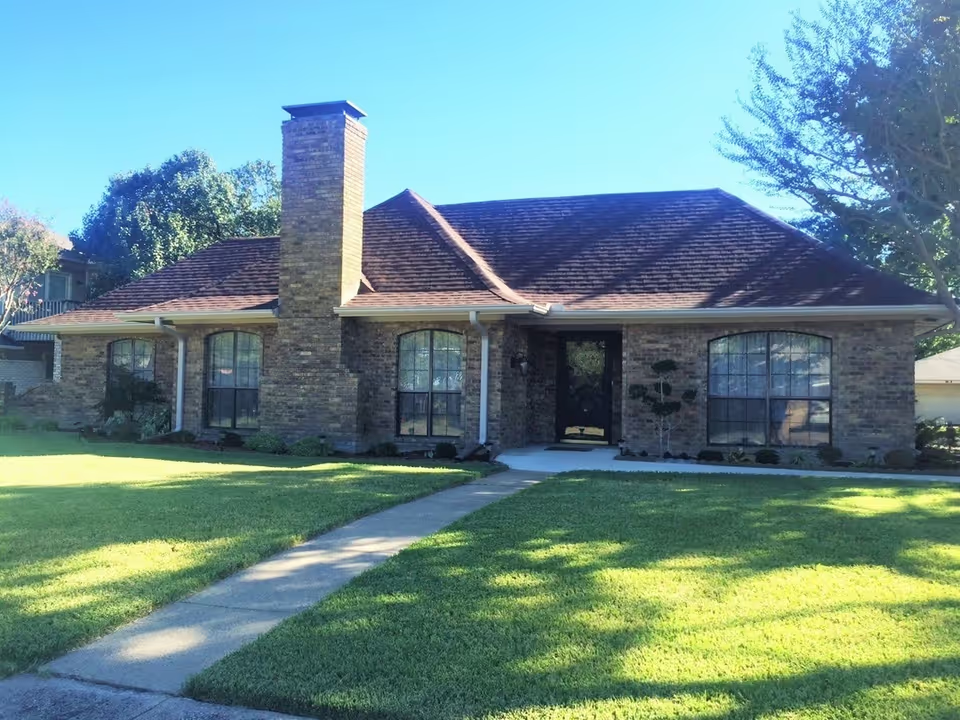
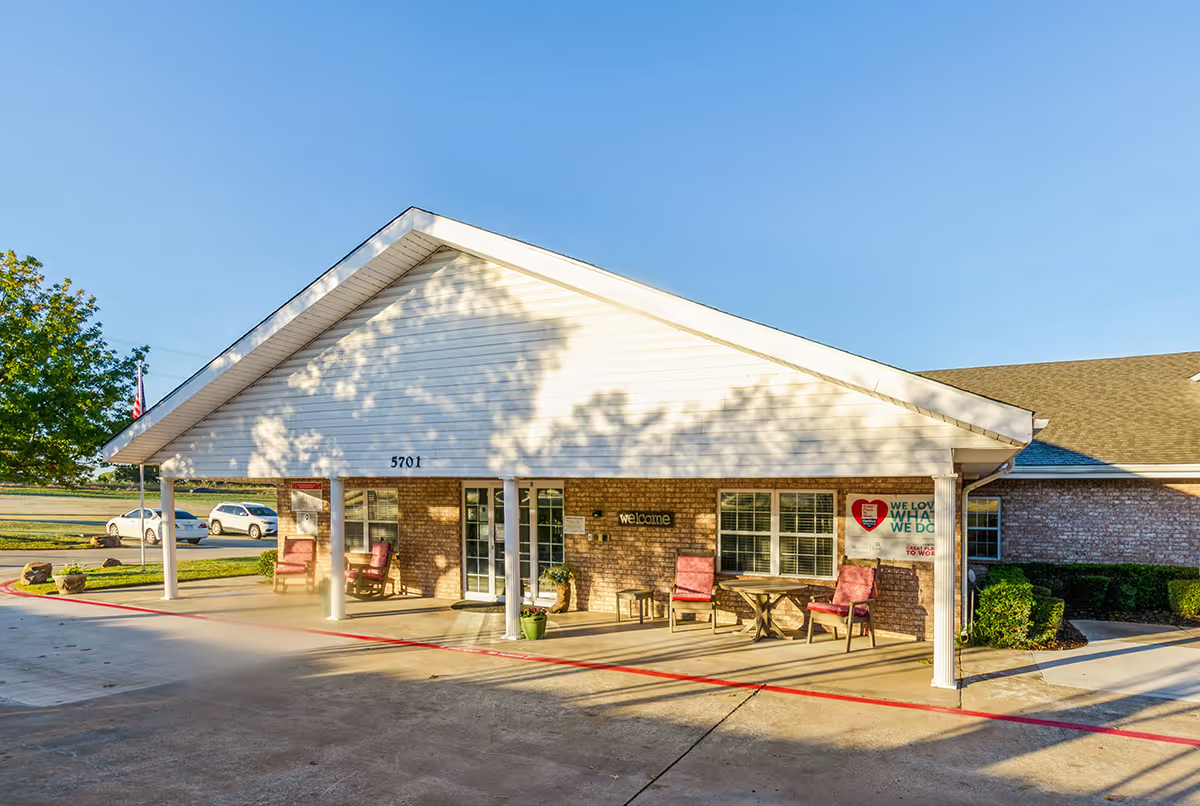
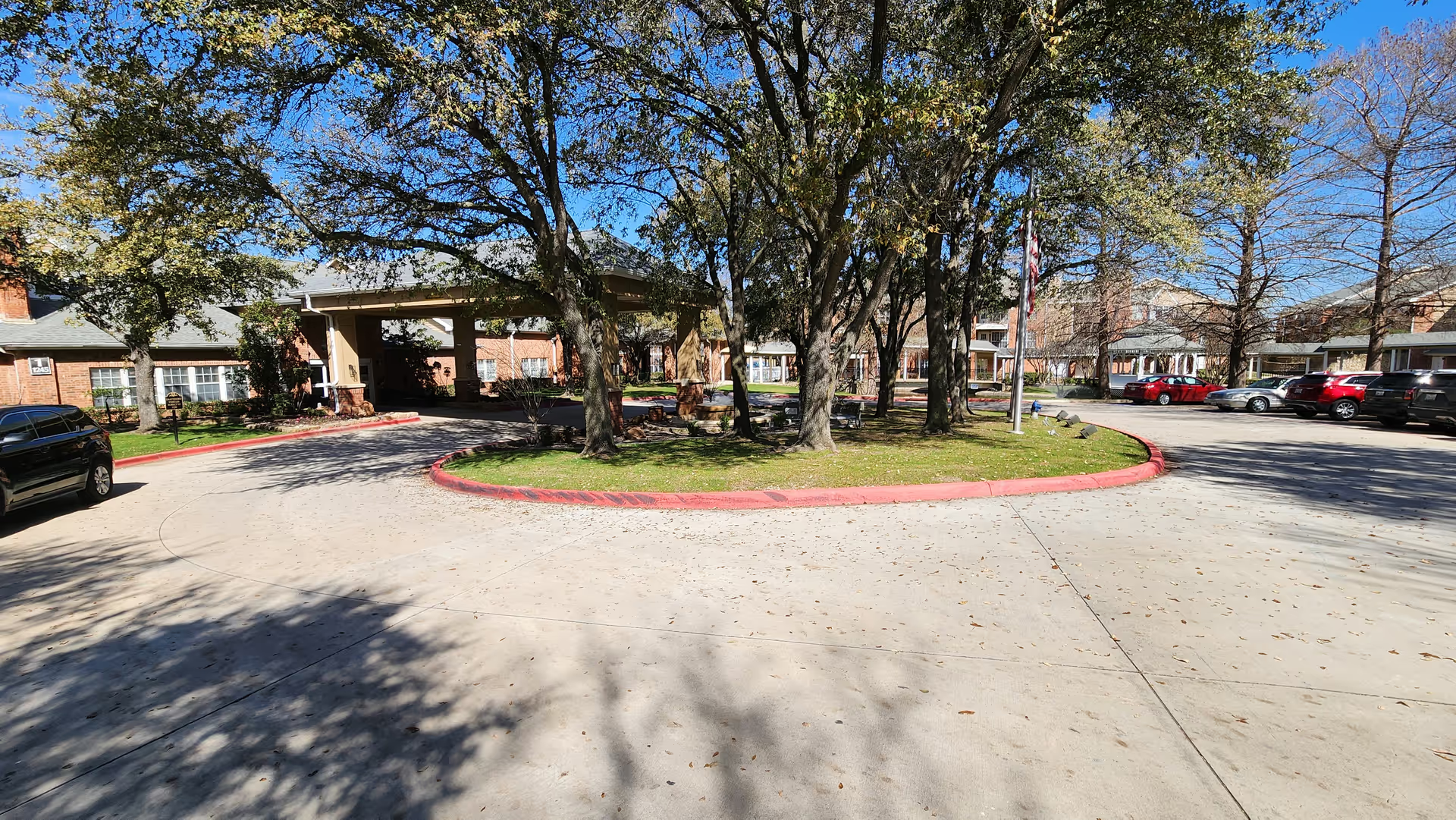
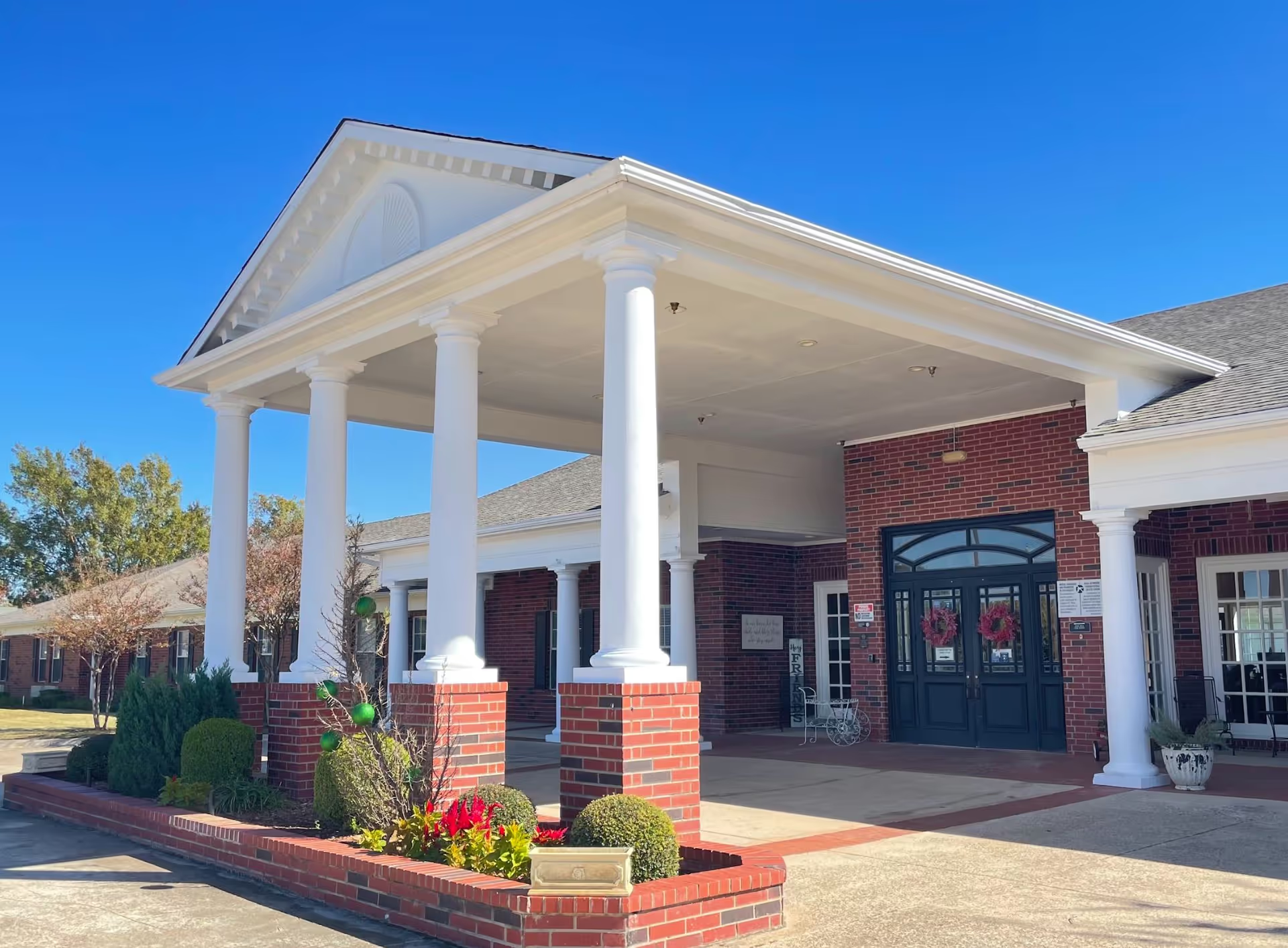
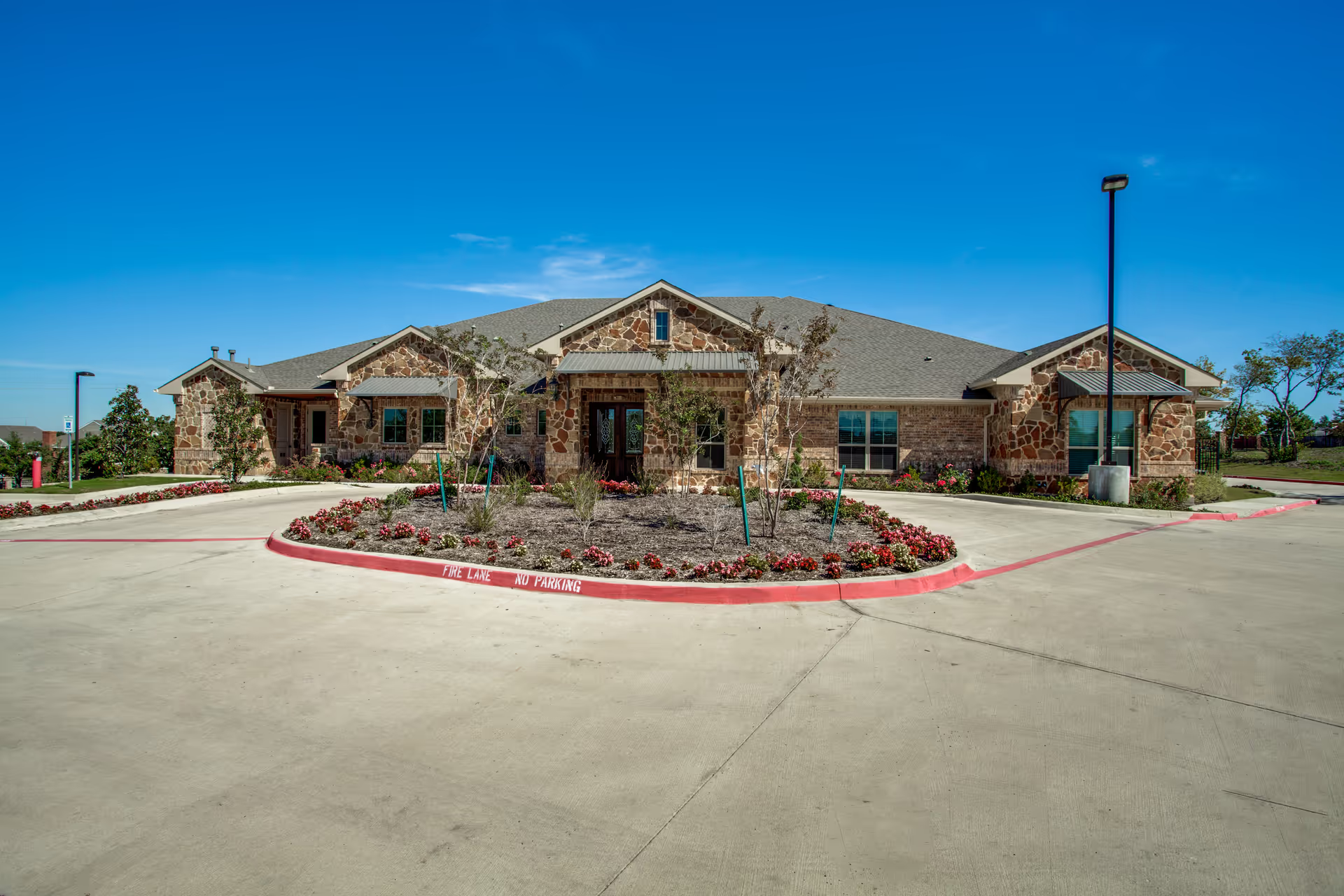
The physical environment is described as clean, inviting, and safety-oriented. Many reviewers note an open-concept layout, comfortable furnishings, accessible outdoor patio and garden areas, and on-site services such as a salon. The secure design and monitoring systems are viewed positively for resident safety. At the same time, reviewers identify some facility-level limitations: availability of private rooms is constrained, a number of units lack in-room amenities such as televisions or refrigerators, and a few comments reference an institutional feel in certain areas.
Operational patterns include mostly positive leadership and responsive communication, though several comments point to variability during management transitions. Nighttime coverage and responsiveness are recurring operational concerns; families described waits for assistance during overnight hours. There are also occasional references to delays in addressing individualized dietary needs and perceived issues related to medication effects that families would advise monitoring. A minority of reviewers raised serious allegations about staff misconduct and theft, and some noted tension around room-monitoring and privacy; these claims contrast with the broader positive pattern and are items families should probe directly during a tour.
For prospective families: the facility appears to offer strong dementia-focused care, robust activities, and high-quality dining in a smaller, more personalized setting. Recommended due-diligence items include asking about nighttime staffing levels and response protocols, private-room availability and in-room amenity options, processes for dietary accommodations, recent management changes and quality metrics, medication oversight practices, and policies around room monitoring and security. Touring in person, meeting leadership and caregivers, and requesting documentation on staffing ratios and incident follow-up will help verify the aspects most important to a prospective resident and their family.