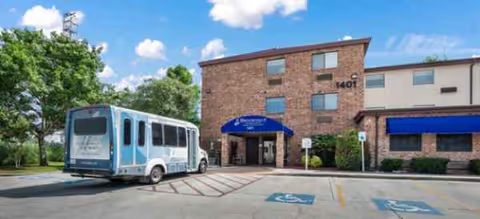
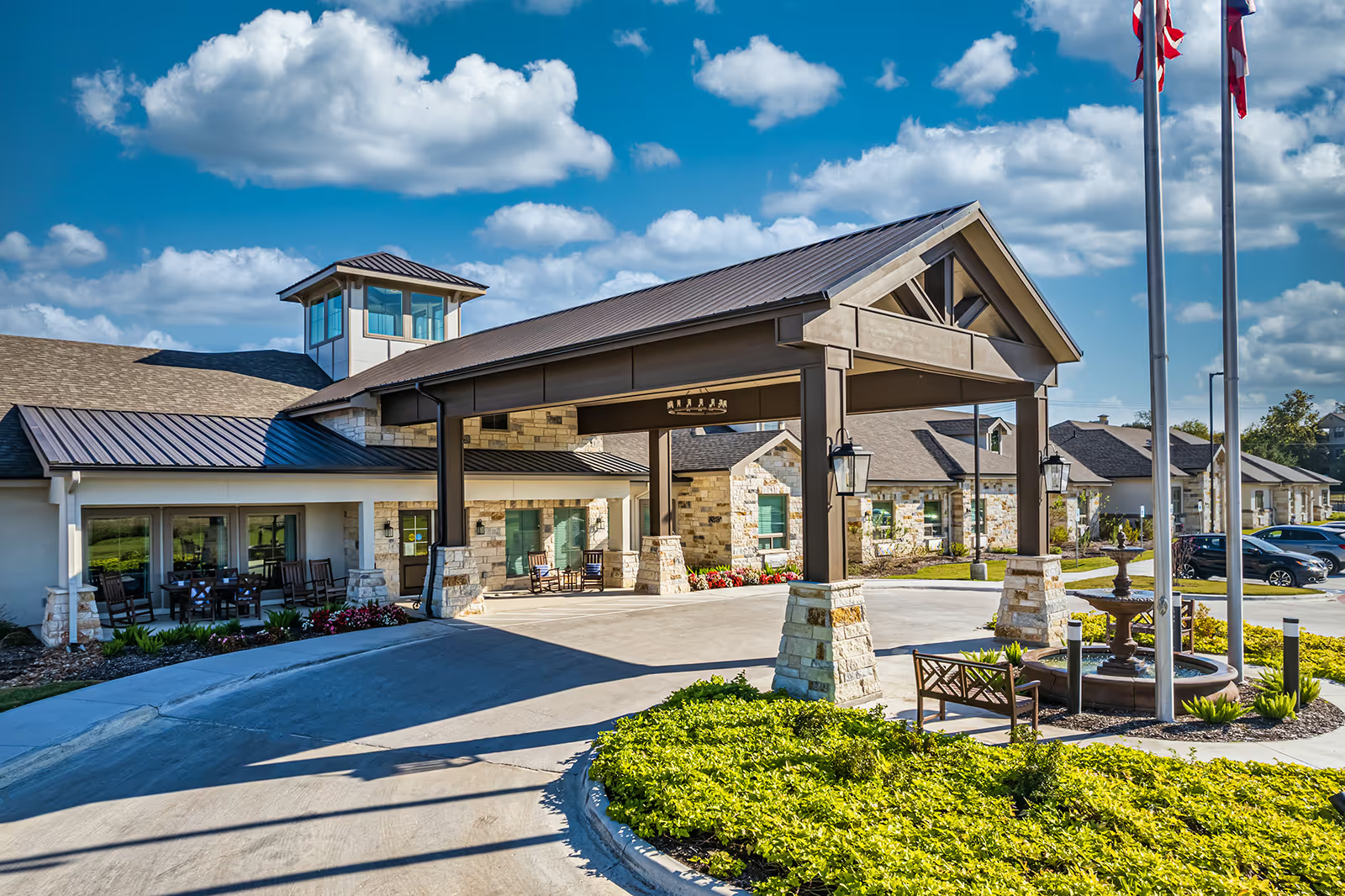
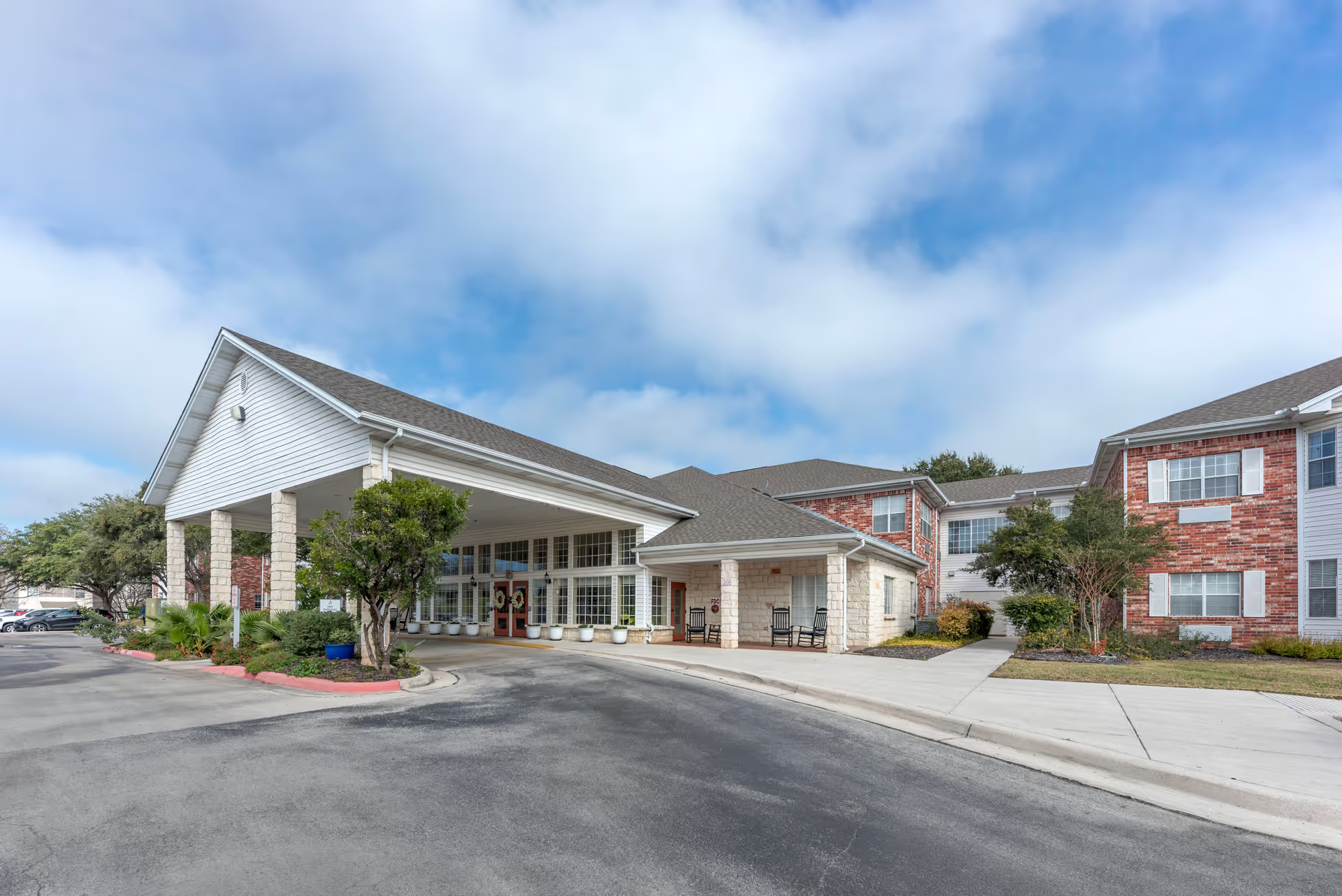
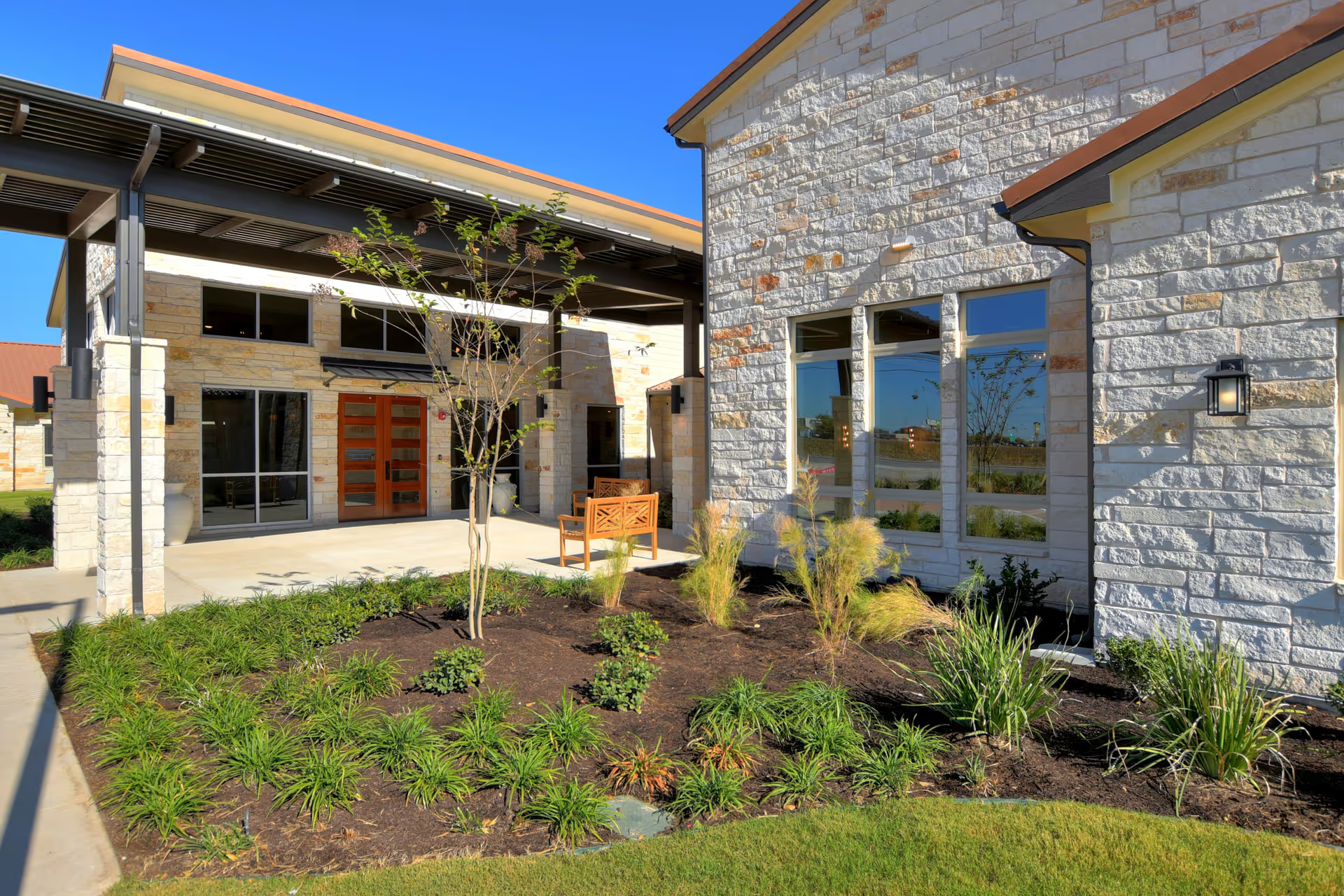
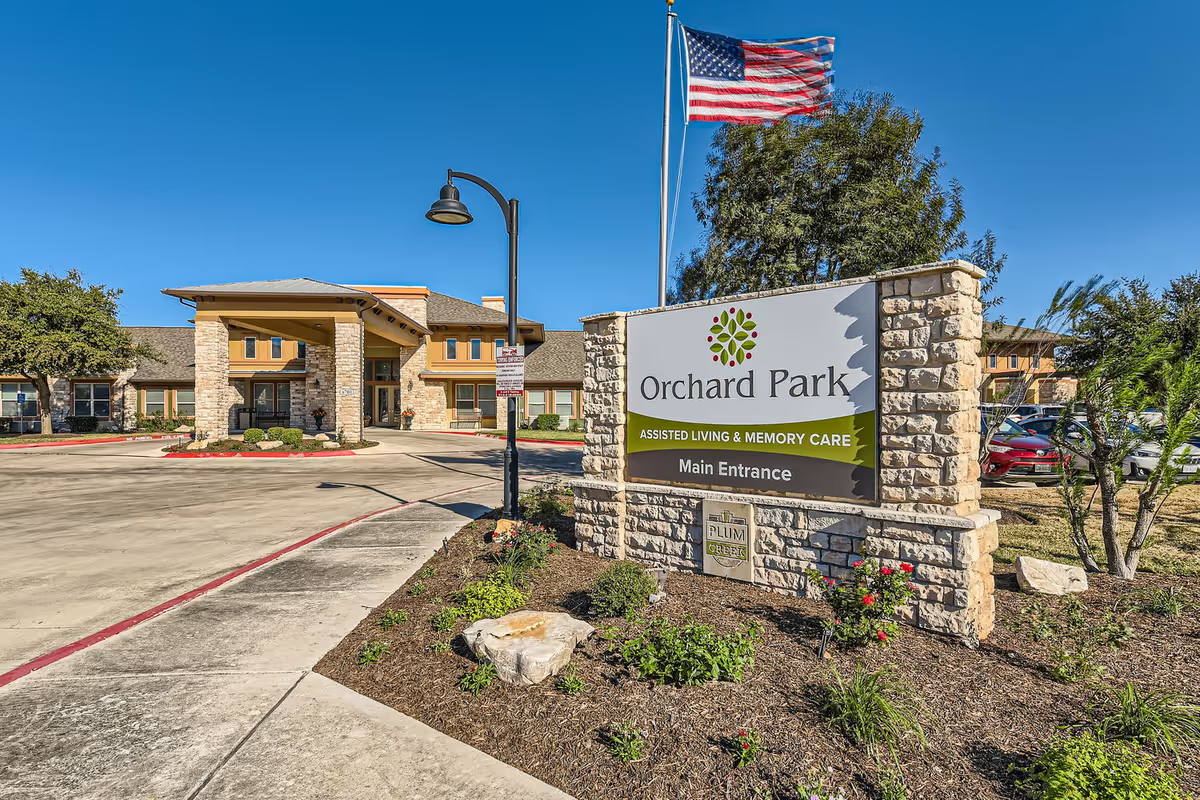
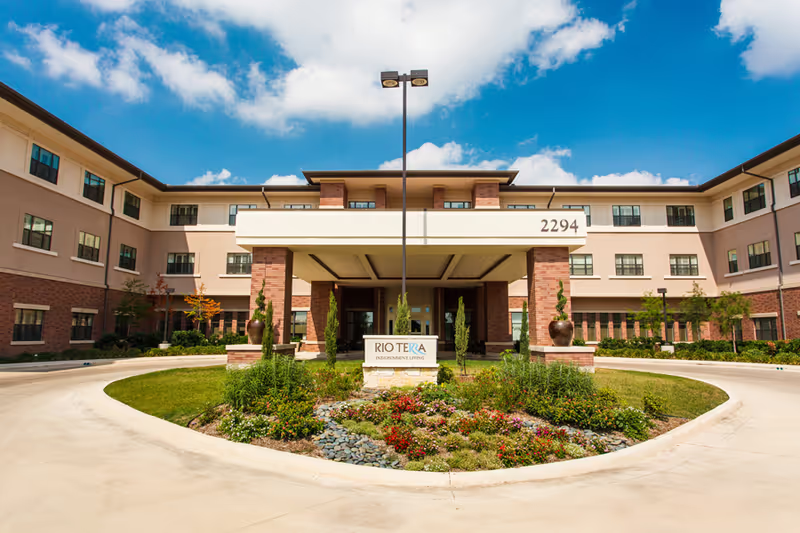
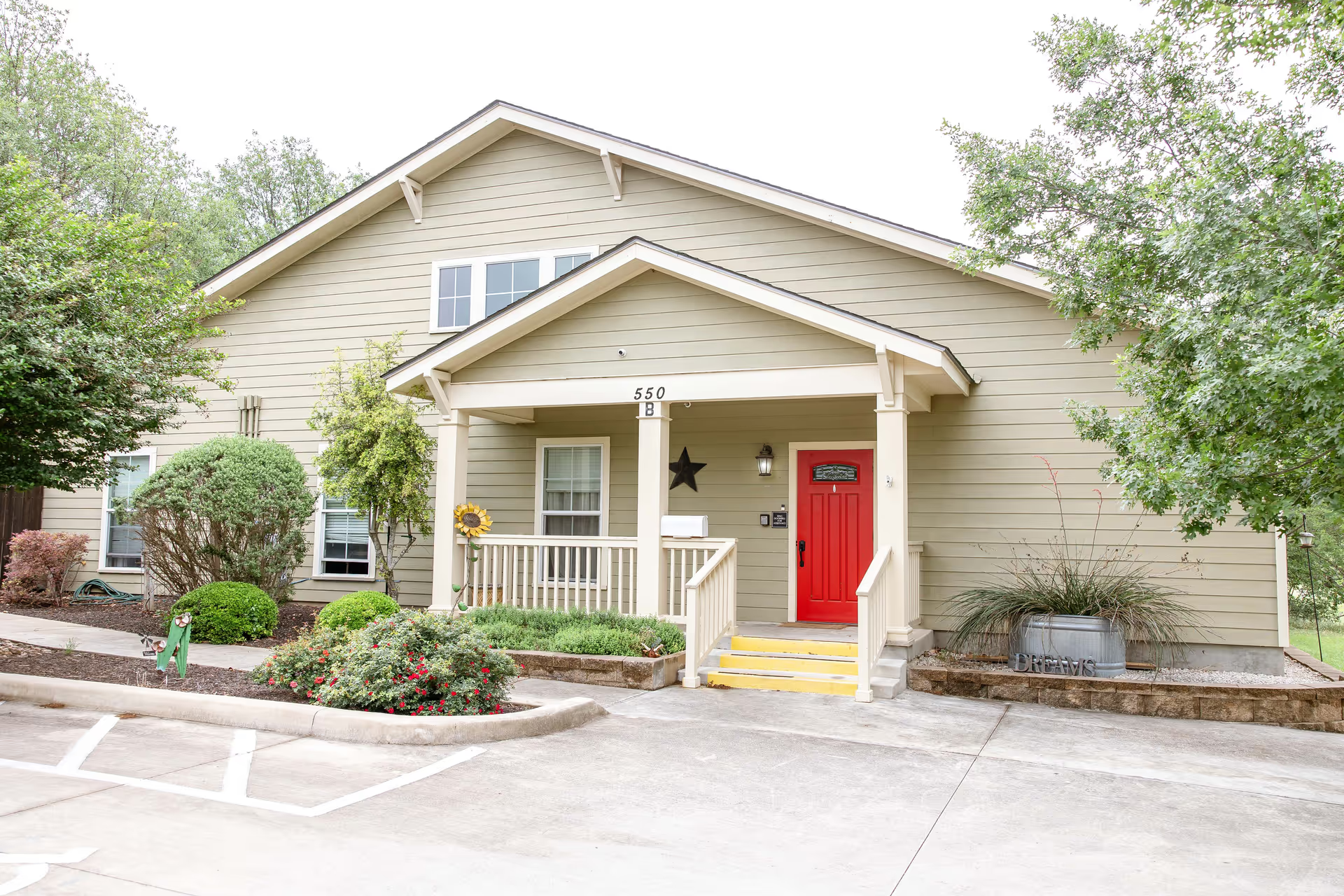
La Vista Retirement Community presents a mixed but coherent profile: the property and community aspects are frequently praised while long-term physical maintenance and certain operational practices generate concern. The campus is described as attractive and set back from the road, with pleasant grounds and walking areas, distinctive apartment character, on-site parking, and an overall quiet, elderly-friendly atmosphere. Apartments are noted as spacious and affordable, making the community appealing to cost-conscious retirees who prioritize community programming and proximity to fellow residents.
Staff and care quality elicit divergent impressions. Many accounts describe helpful, conscientious maintenance personnel, friendly front-desk interactions, and management collaboration with the community; these reports indicate a supportive environment for everyday needs and social engagement. At the same time, other accounts point to inconsistent staff professionalism, variability in customer service, and delays in responding to maintenance or operational concerns. There is limited direct information about clinical nursing or medical-care services in the reviews; the community appears oriented primarily toward independent or assisted residents rather than providing higher-level clinical care. Prospective residents who require reliable mobility support should note accessibility shortcomings and limited wheelchair entry points, which may reduce suitability for individuals with significant mobility impairment.
Facilities and amenities reflect the building's age. Reviewers praise the outdoor areas and communal activities (including Sunday services with ASL interpretation), but they also describe interior wear such as dated finishes, carpeting with associated odor concerns, and the need for fresh paint and upgrades. Pest-control issues and deferred capital maintenance are raised as operational weaknesses in some units. Compared with newer complexes, La Vista may offer fewer modern amenities; this trade-off is often balanced by lower rent and a close-knit community feel.
Management and operational patterns show both strengths and risks. Positive notes about community engagement and some well-handled maintenance work coexist with criticisms about slow responsiveness, inconsistent resolution of issues, and variable treatment of residents. There is at least one serious allegation concerning the handling of a resident's belongings following a death; this particular claim highlights potential gaps in accountability, inventory controls, and post-occupancy transition procedures that families should probe. Overall, patterns suggest a facility where day-to-day community life and social programming can be strong, but where operational and physical-plant weaknesses can affect resident experience.
For prospective residents and family decision-makers: visit multiple times, inspect specific apartment units for finish condition and odors, ask about pest-control protocols and recent capital improvements, confirm response times for maintenance requests, review accessibility accommodations, and request written policies on inventory, move-out procedures, and incident accountability. Also verify the availability of ASL services and the regular schedule of activities to ensure programmatic fit. These targeted questions will help determine whether the community’s affordability and social strengths align with individual care and safety needs.