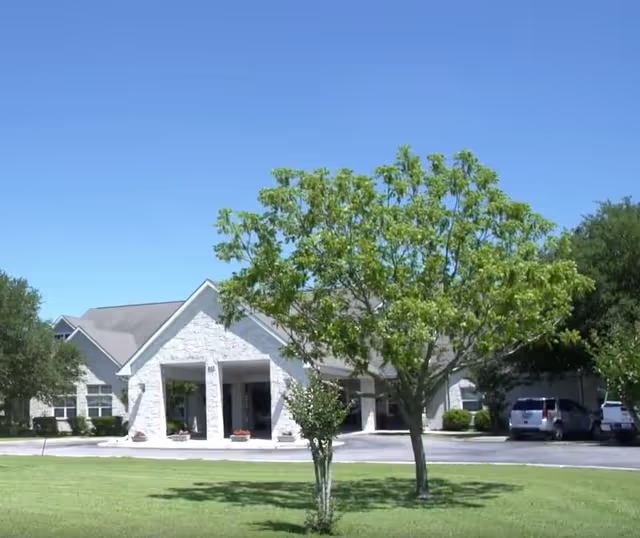
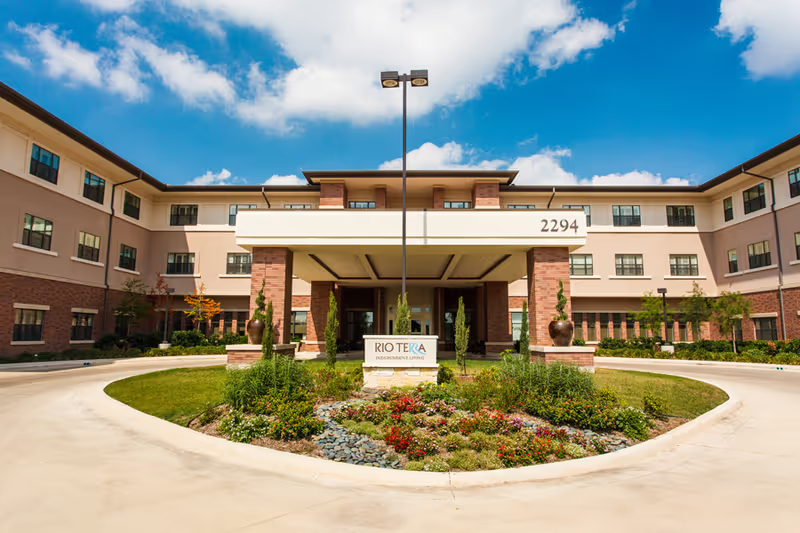
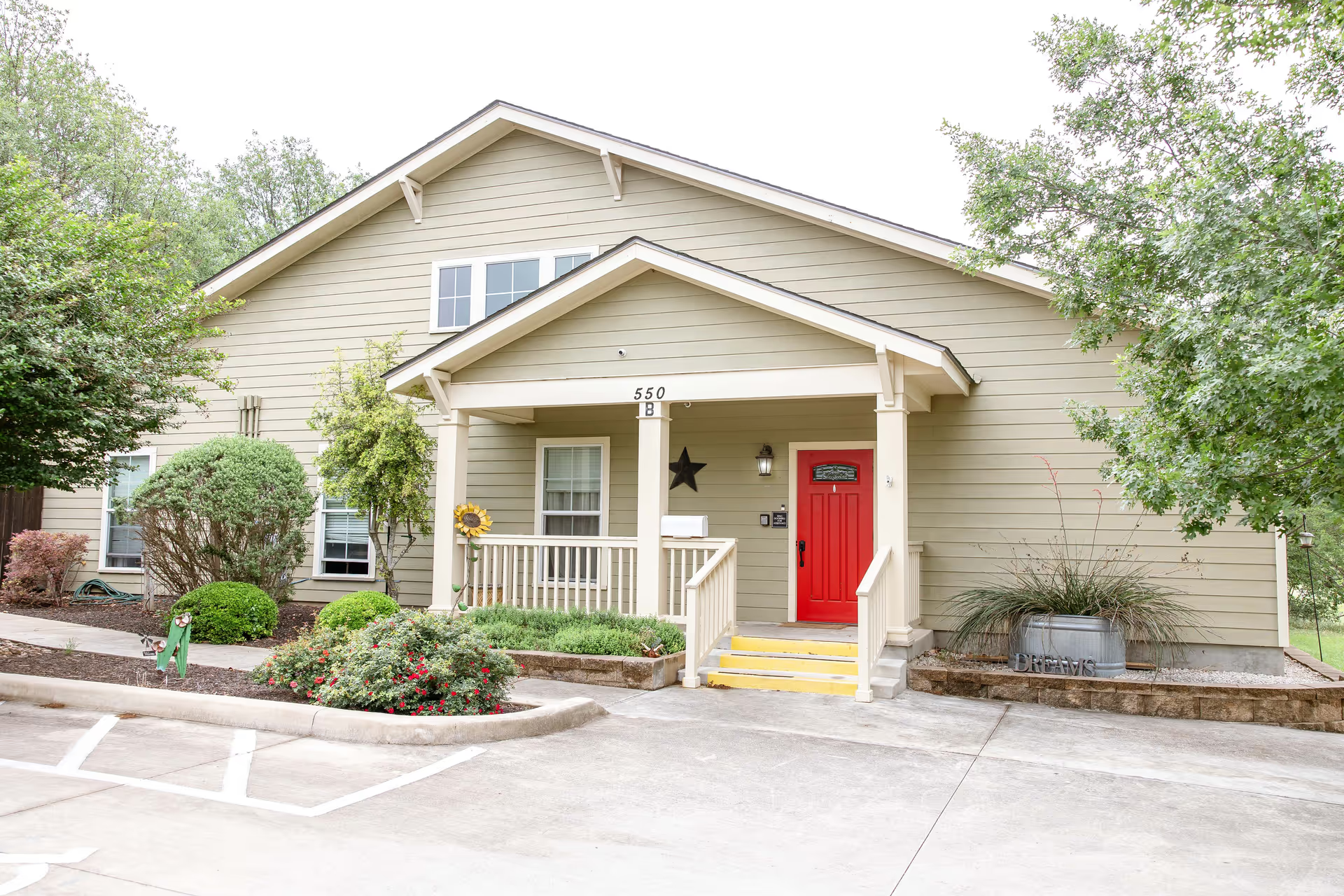
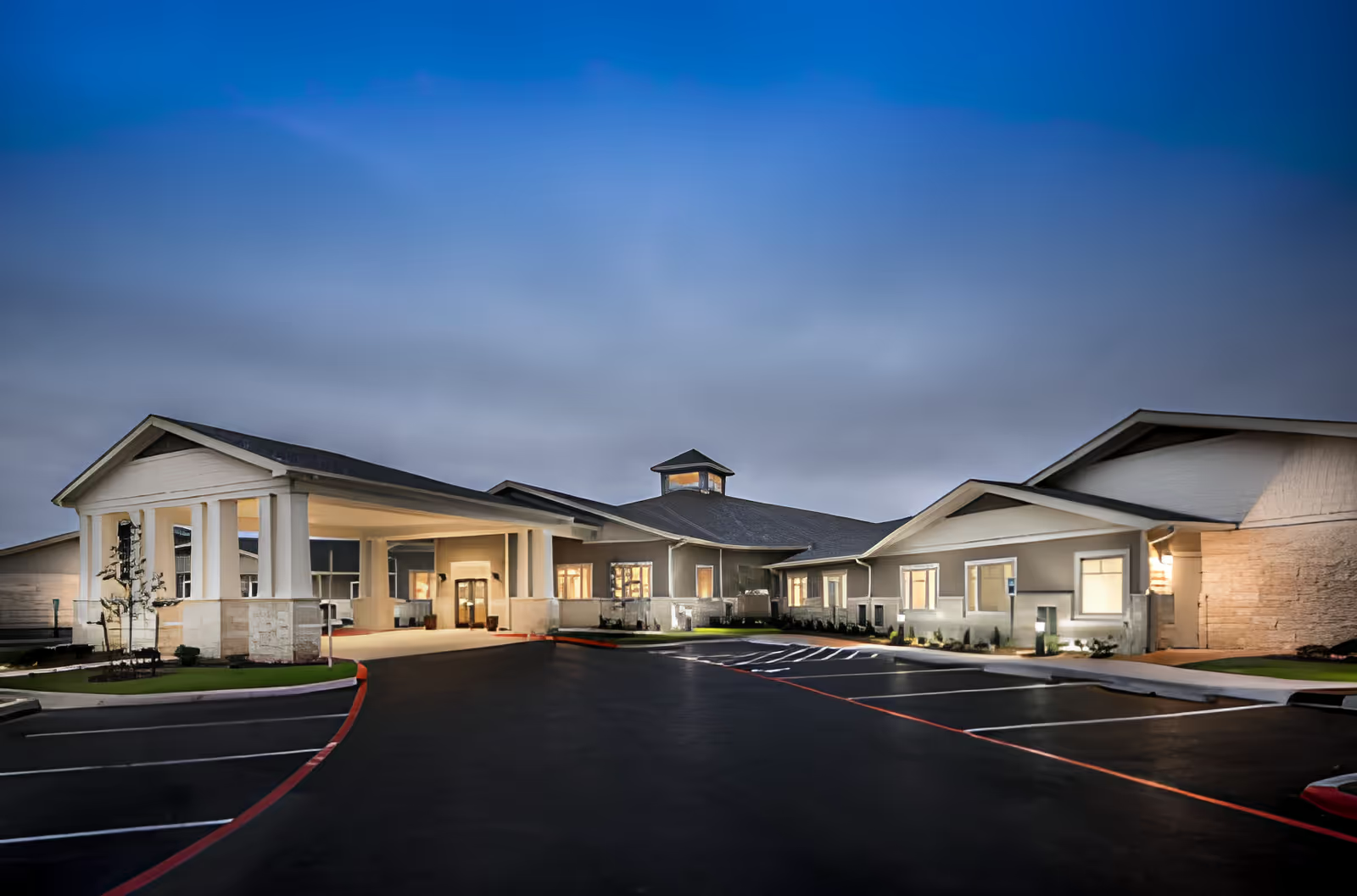
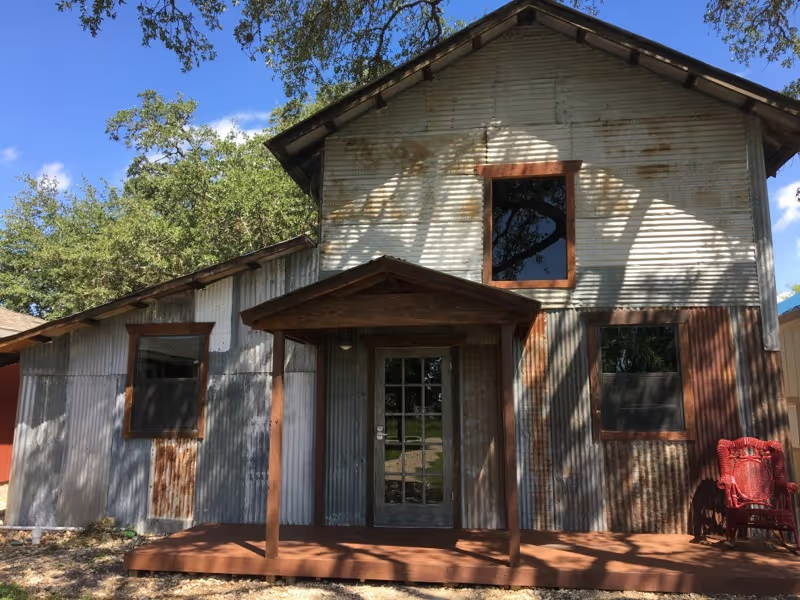
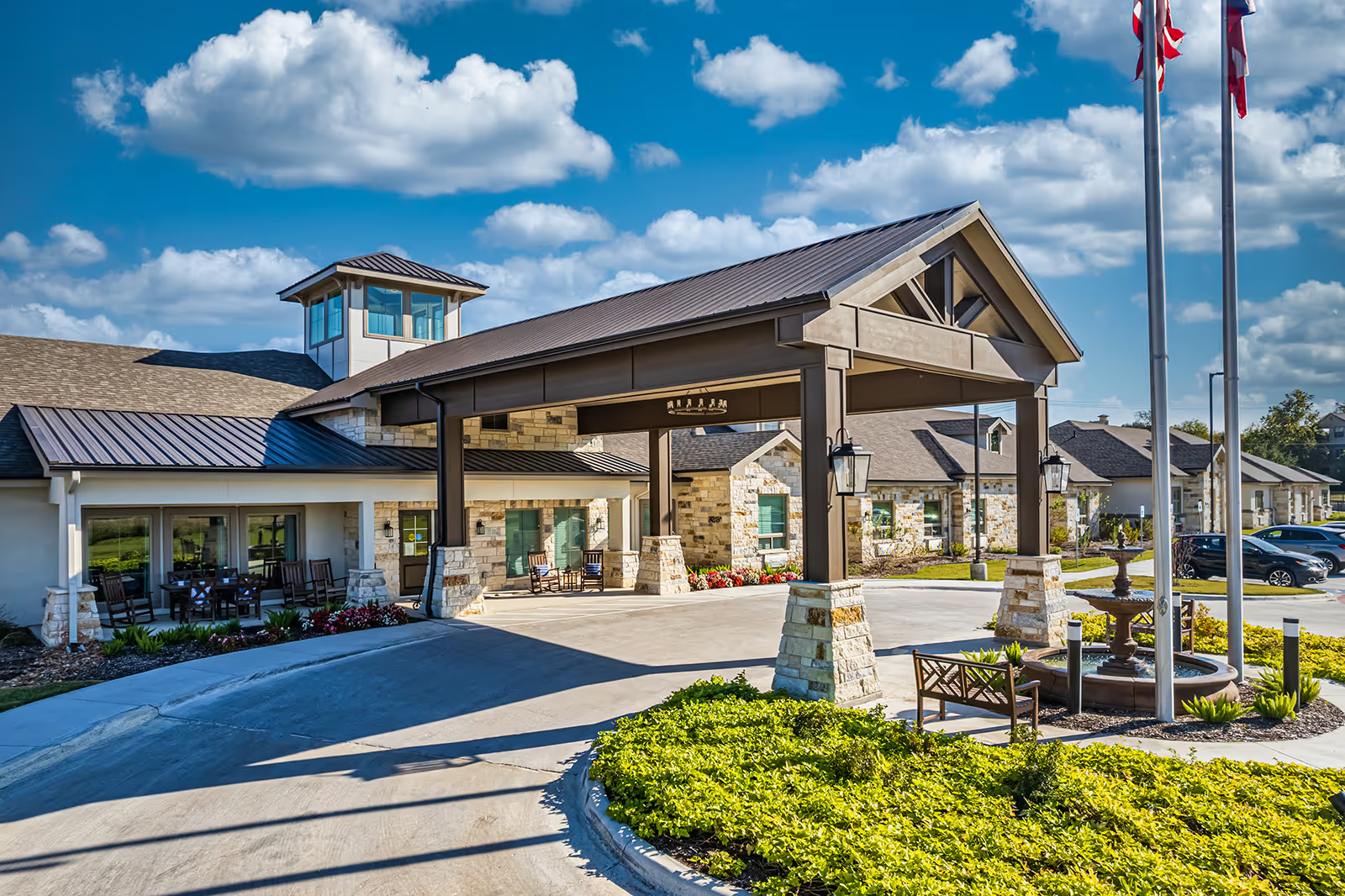
Seguin Assisted Living presents as a generally well-kept, family-owned assisted living community with numerous strengths in daily life and resident engagement. Multiple comments emphasize cleanliness, attractive seasonal decor, and a home-like atmosphere supported by modern furnishings and comfortable common areas. Apartment-style living, including kitchenettes, private climate control, and accessible bathrooms, is a consistent positive; some units are noted as larger and well-appointed, and the community supports couples living together.
Care and staff interactions are recurrent strengths. Reviewers describe staff who know residents by name, who are caring and prompt, and who participate in everyday life on the floor. Owner involvement is visible in several accounts, including follow-up after tours and an administrator who is also the owner; this appears to contribute to personalized attention and operational responsiveness in many situations. Dining receives favorable comments: an attentive dietary manager, varied menus, regular meal options and snacks, and occasional themed items (for example, ice cream and familiar entrees) are cited as contributing to resident satisfaction.
Activity programming is robust, with daily exercise classes, social gatherings, church services, piano performances and seasonal events. The community offers multiple social rooms and cozy gathering spaces that support interaction and leisure. These offerings likely contribute to the facility’s popularity and high occupancy noted by some reviewers.
At the same time, a few serious concerns are evident and should be explored further by prospective residents and families. One reviewer described a significant incident involving resident-room transfers and handling of personal belongings and medical paperwork; this raises questions about the community’s transfer procedures and record-handling safeguards. More broadly, there are indications of gaps in family communication and complaint resolution in at least one case. Those operational weaknesses suggest the facility may benefit from clearer protocols and oversight around transfers, documentation, and family notifications.
Other patterns include variability in how residents experience the environment: while many find the atmosphere warm and engaging, others perceive parts of the building as dated or institutional and note odor concerns in some common areas. Unit sizes and layouts are variable, with some apartments described as smaller than others. A few comments also frame cost as relatively high for the area, though others consider the facility to offer good value.
Recommendation: Prospective residents and families should balance the facility’s clear strengths — cleanliness, active programming, personable staff, apartment-style units, and engaged dietary services — against the operational issues flagged. When touring, ask specifically about transfer and inventory procedures for resident moves, how medical records are handled and protected, examples of recent family concerns and how they were resolved, the maintenance schedule for common-area odor control, and the range of unit sizes available. Those follow-up questions will help clarify whether the facility’s overall environment and management practices align with your expectations and risk tolerance.