The review corpus paints Spanish Trail Assisted Living of Silsbee as an assisted‑living community with a pronounced emphasis on compassionate, family‑style caregiving and a comfortable, non‑institutional environment. Families and residents consistently describe staff as warm, respectful and attentive; caregivers are frequently characterized as going above and beyond routine duties, engaging residents personally, and maintaining good communication with family members. Night coverage and on‑shift aides are noted as attentive, and reviewers highlight preservation of resident independence alongside personalized attention.
Care quality is described in largely favorable terms: staff conduct, individualized care plans, and responsiveness to family concerns are prominent strengths. Management and the director receive positive mentions for being knowledgeable and accommodating, and families report ease of communication and responsiveness when needs arise. The overall tone indicates a culture that prioritizes dignity, respectful interactions, and close staff–resident relationships.
Dining and daily life are also strong elements according to reviewers. Meals are described as appealing and well‑liked, with several comments indicating satisfaction with food quality and consistency. Activity programming and the social environment contribute to a sense of community; reviewers emphasize welcoming common spaces, regular engagement opportunities, and easy visitation that supports family involvement.
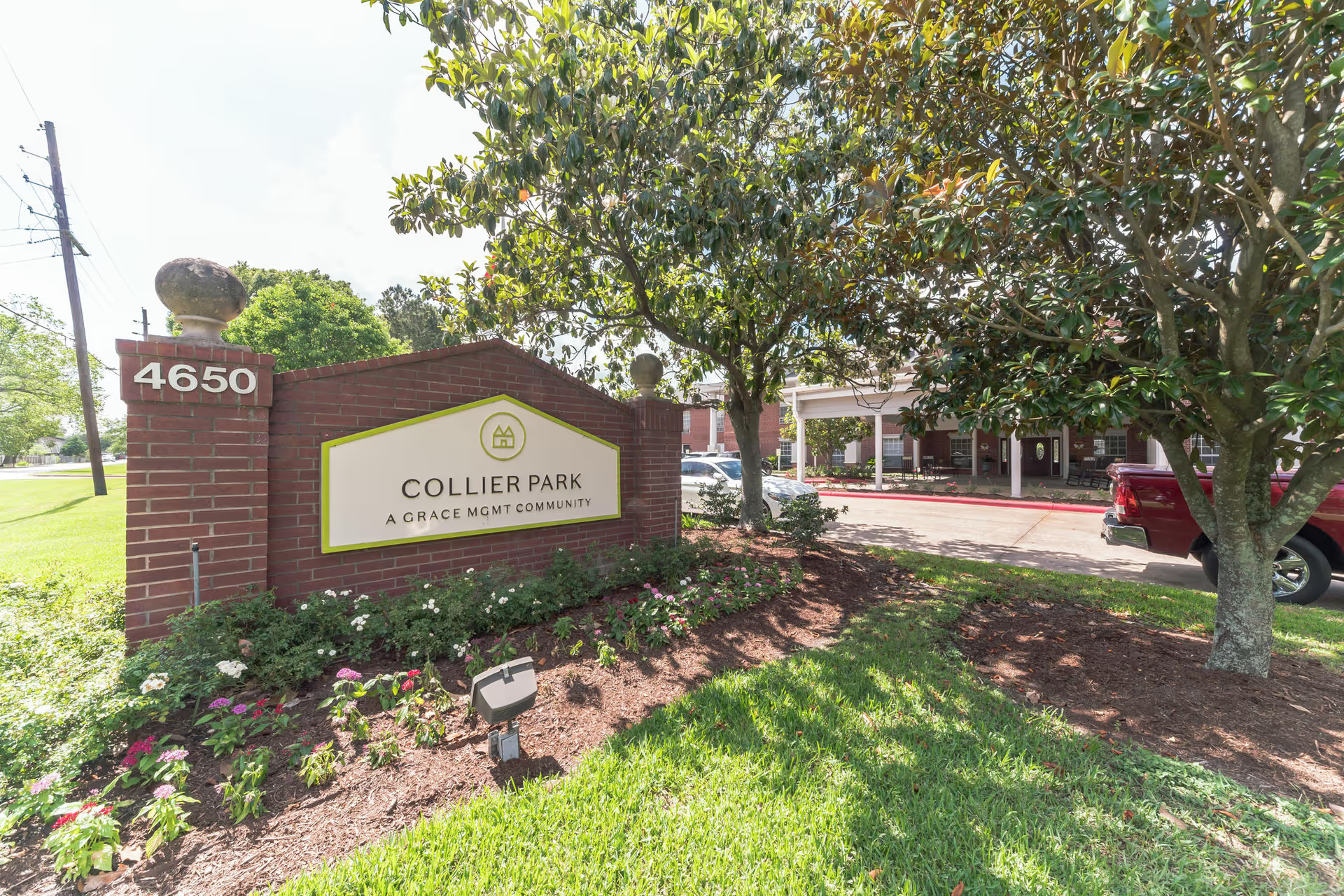
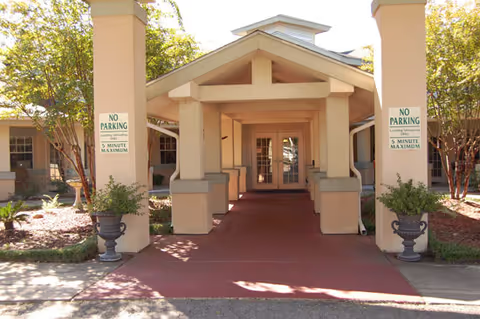
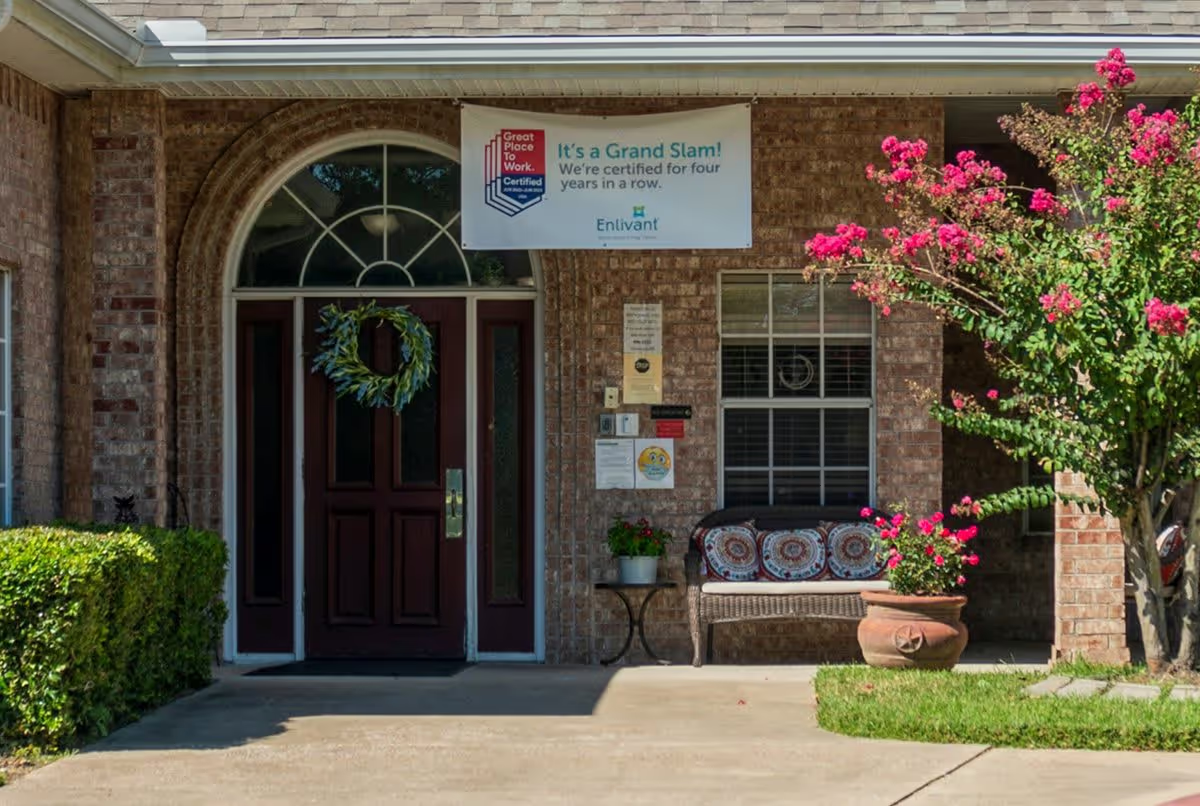
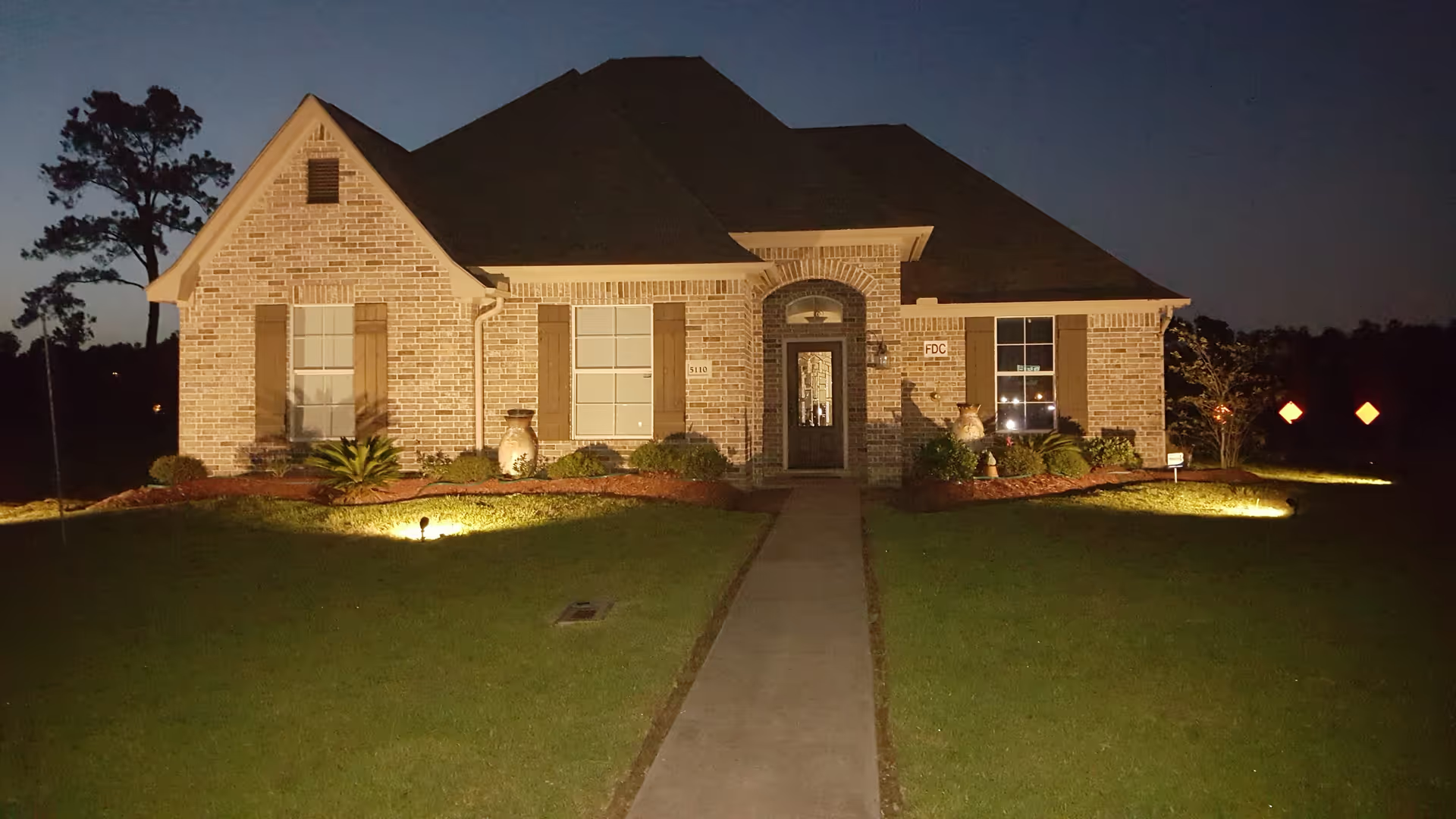
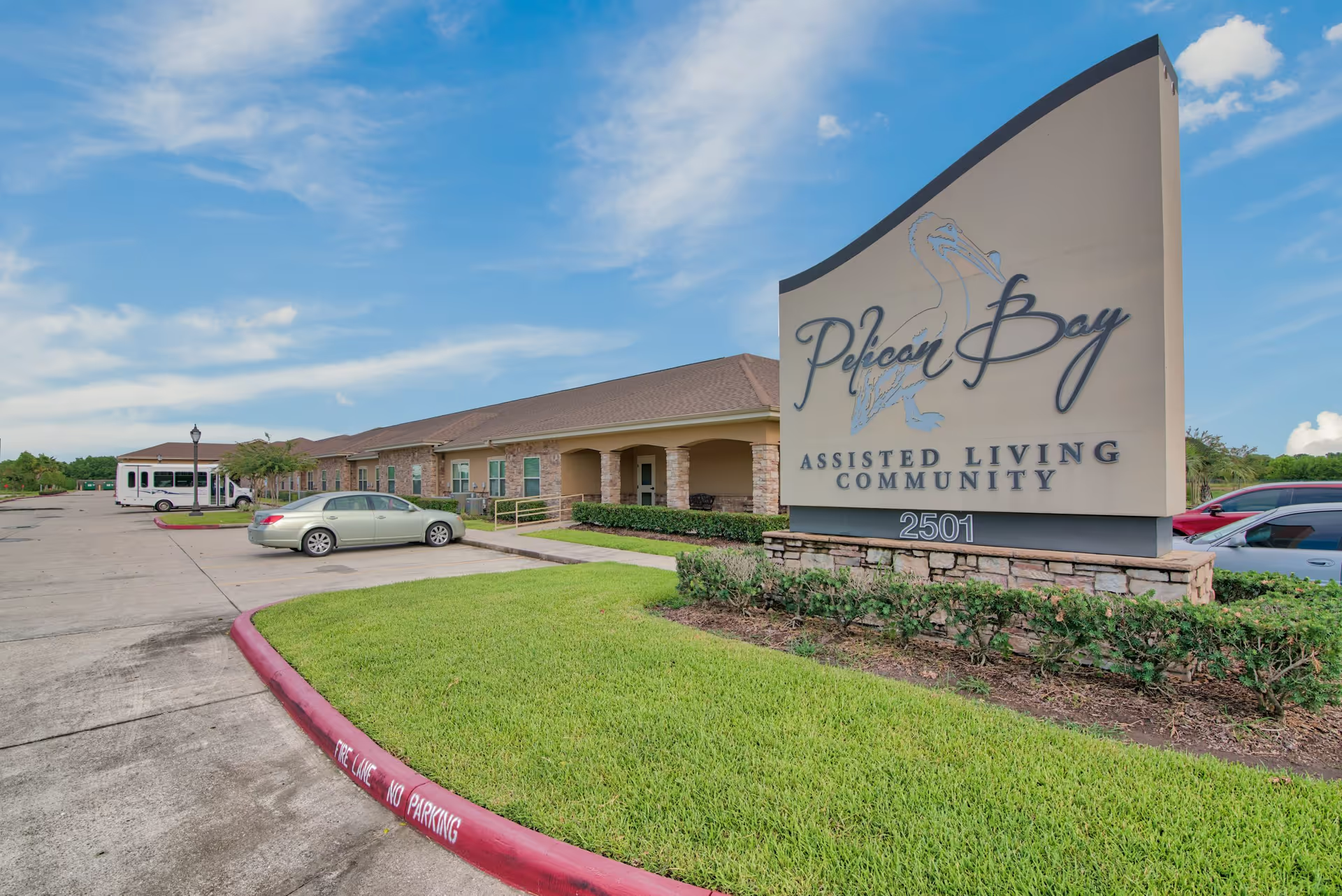
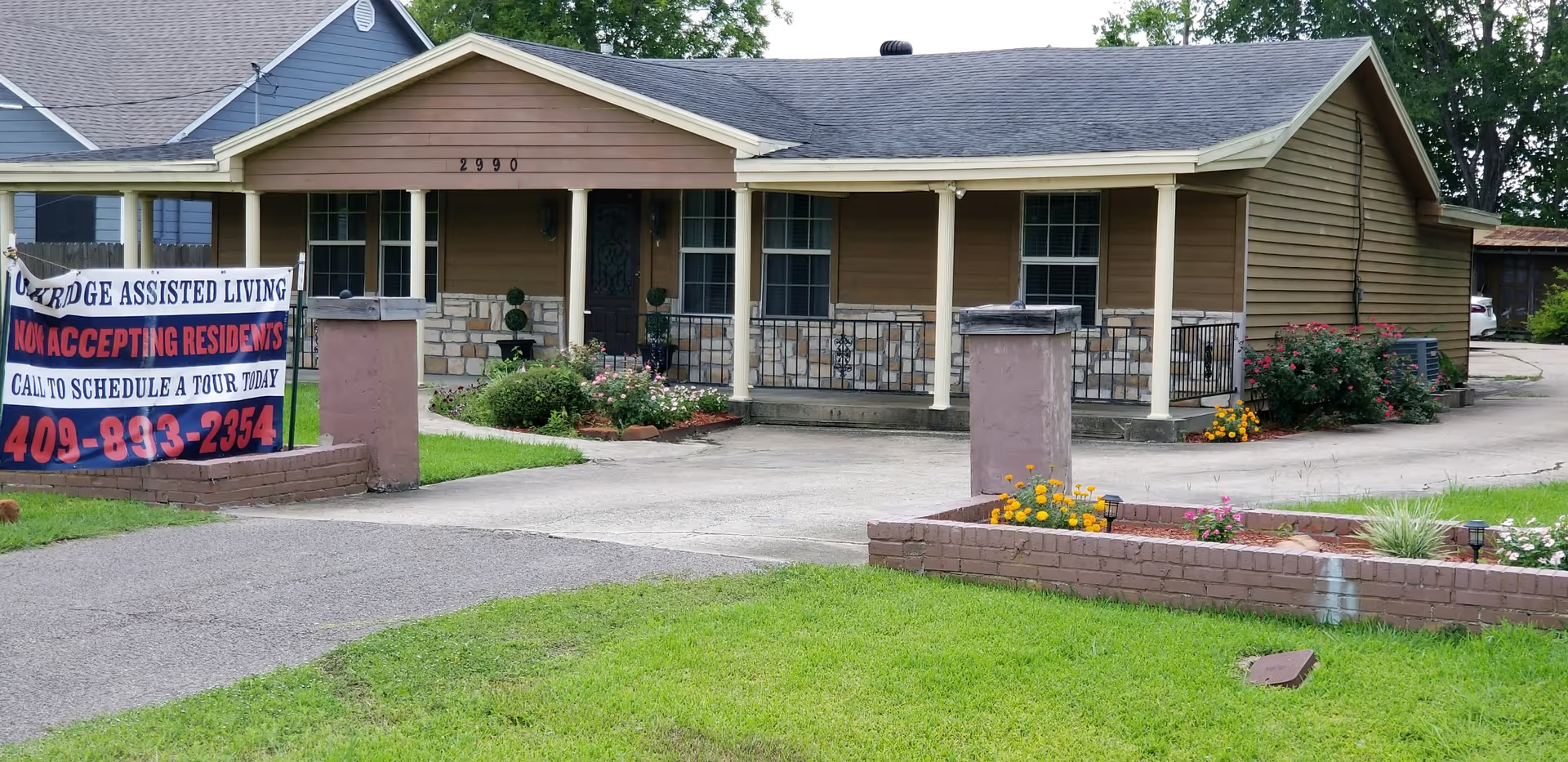
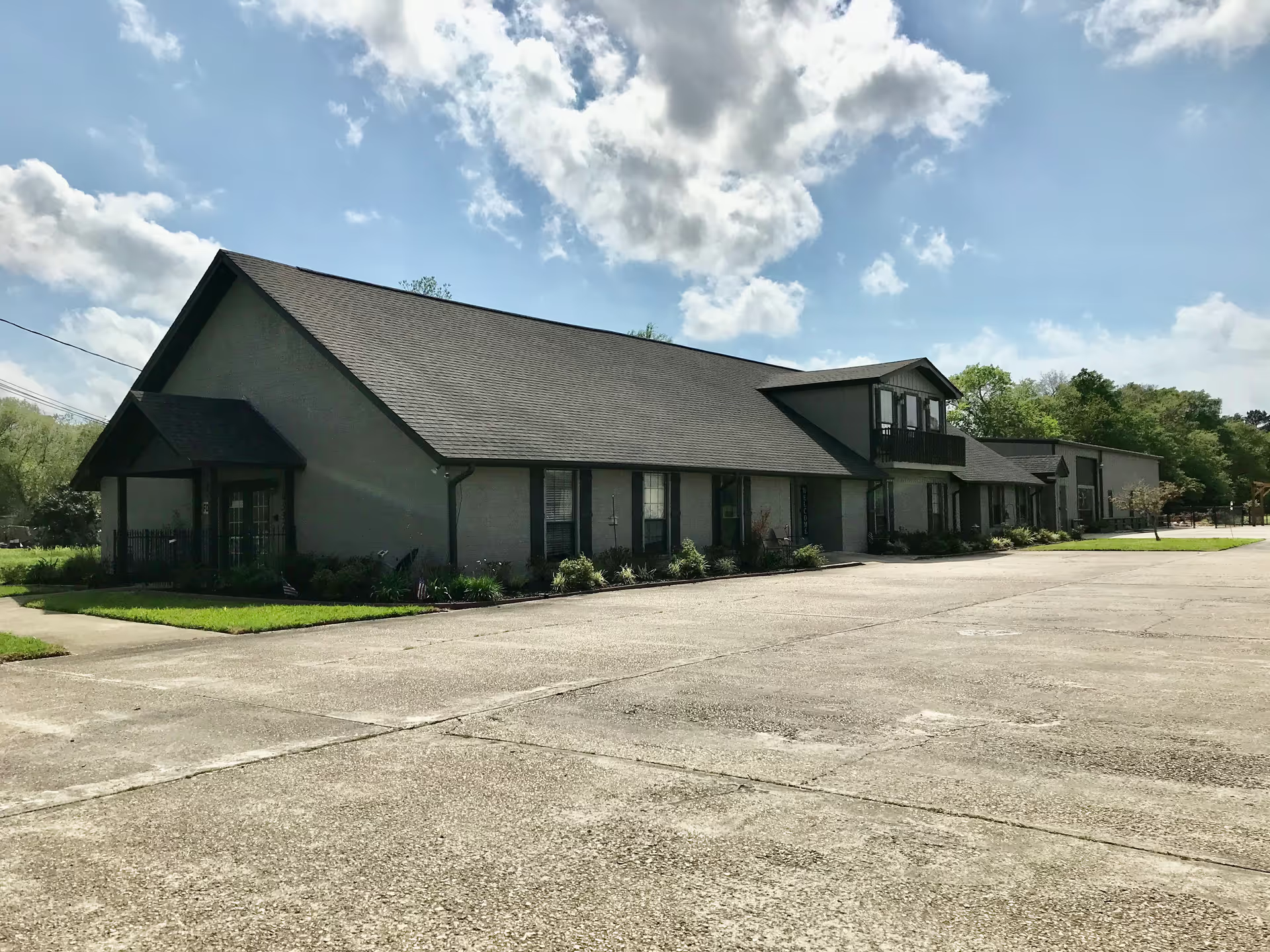
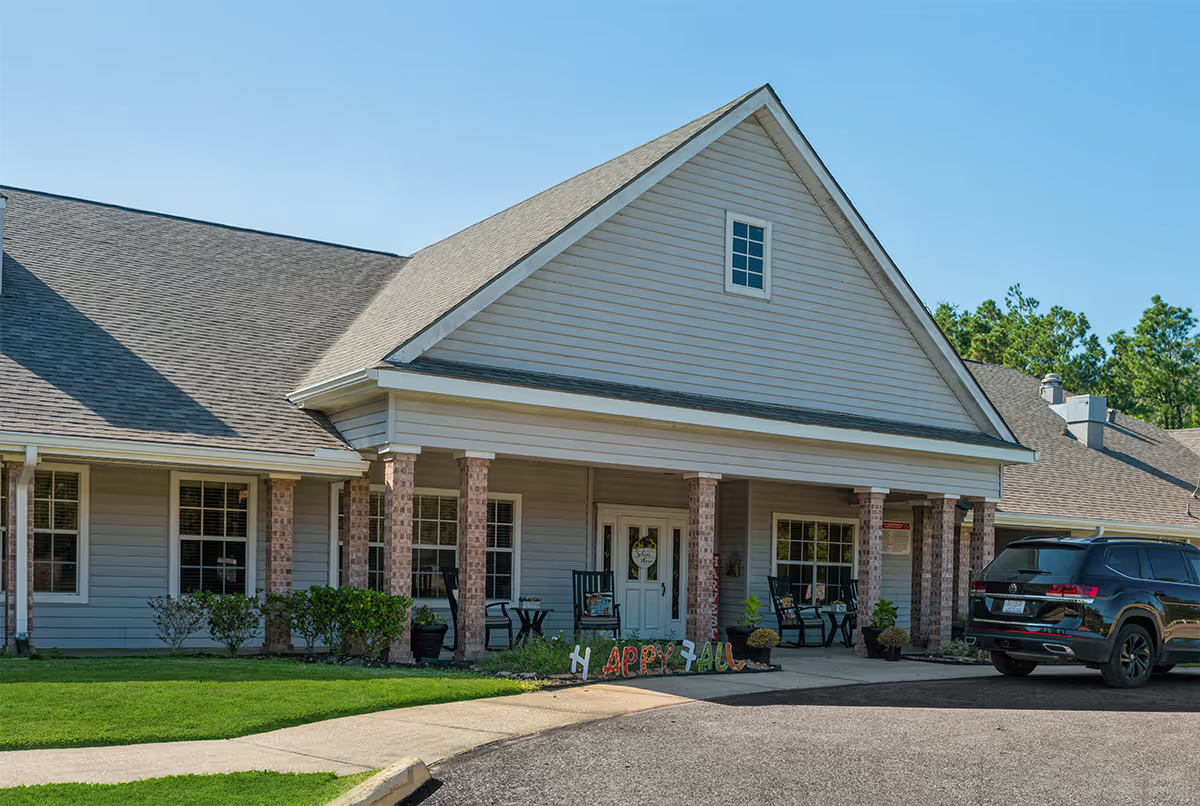
Facilities and upkeep are regularly praised: the building and grounds are described as attractive, clean, and safe. Reviewers note well‑maintained rooms and communal areas, and a generally home‑like ambience rather than a clinical setting. This physical environment appears to reinforce the facility’s focus on comfort and social connection.
Notable patterns and caveats: reviewers portray the facility as well suited for individuals who need assisted‑living support but not intensive nursing‑home level care. Families looking for higher‑acuity clinical services should confirm the facility’s clinical capabilities before placement. A minority of comments reference occasional operational inconsistencies or changes over time; these are framed as intermittent and not primarily reflective of caregiver conduct, but they suggest that prospective residents and families should ask about current staffing levels, continuity, and any recent operational changes during tours.
In summary, Spanish Trail Assisted Living of Silsbee is consistently described as a clean, welcoming community with compassionate staff, appealing meals, and active social programming. Its strengths lie in personalized, family‑oriented care and responsive management. The primary limitations are related to scope of clinical services and occasional variability in day‑to‑day operations, so families should verify clinical capacity and staffing stability when assessing suitability for a particular resident’s needs.