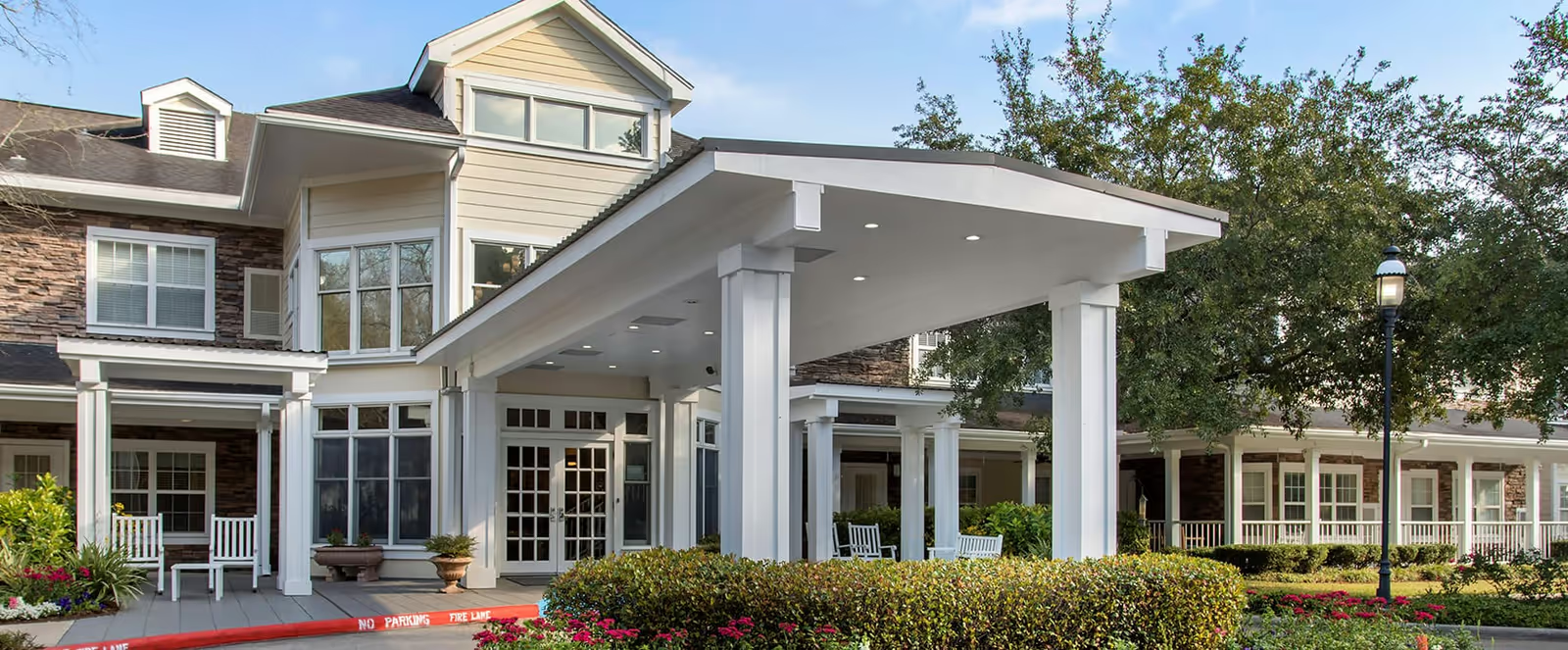
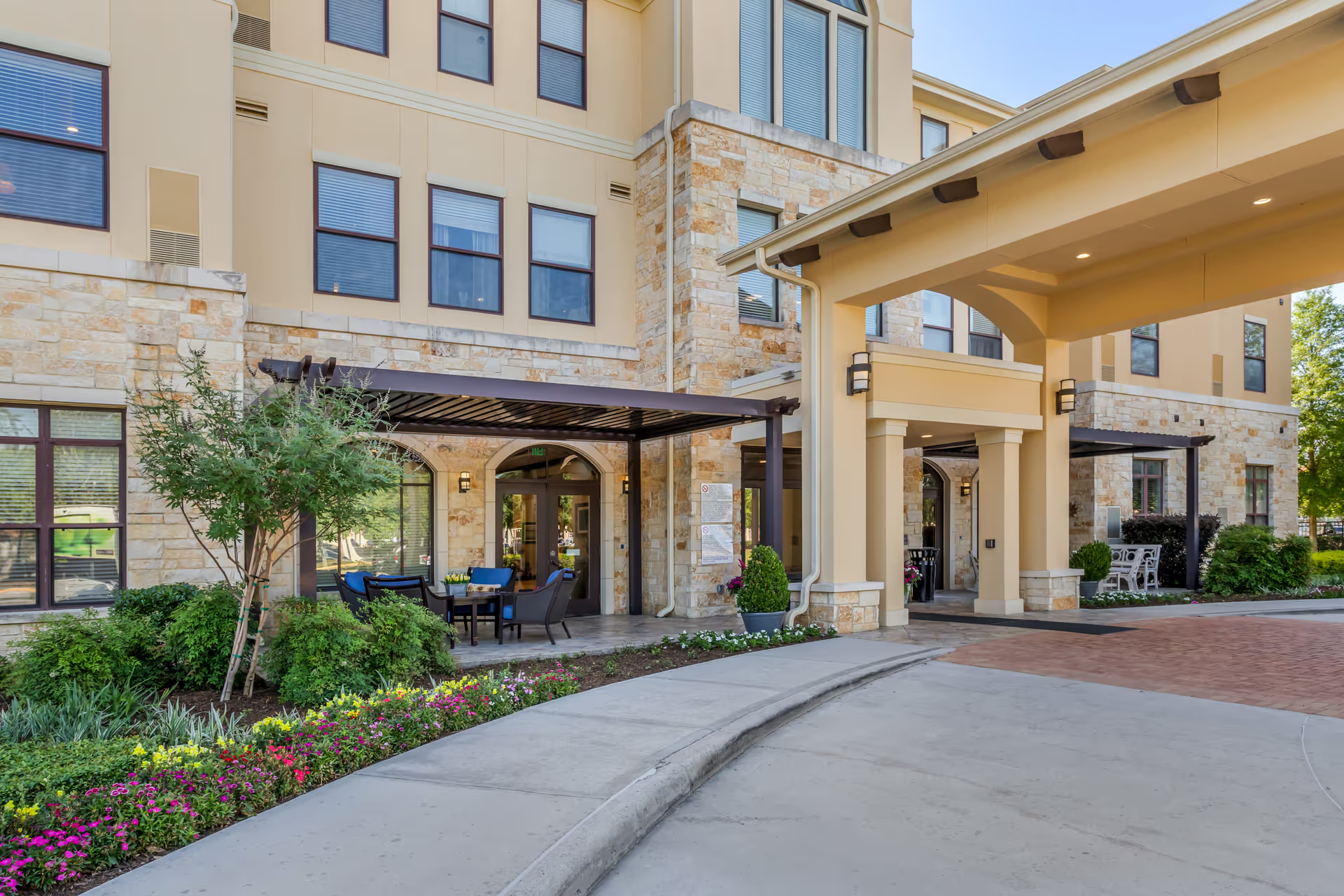
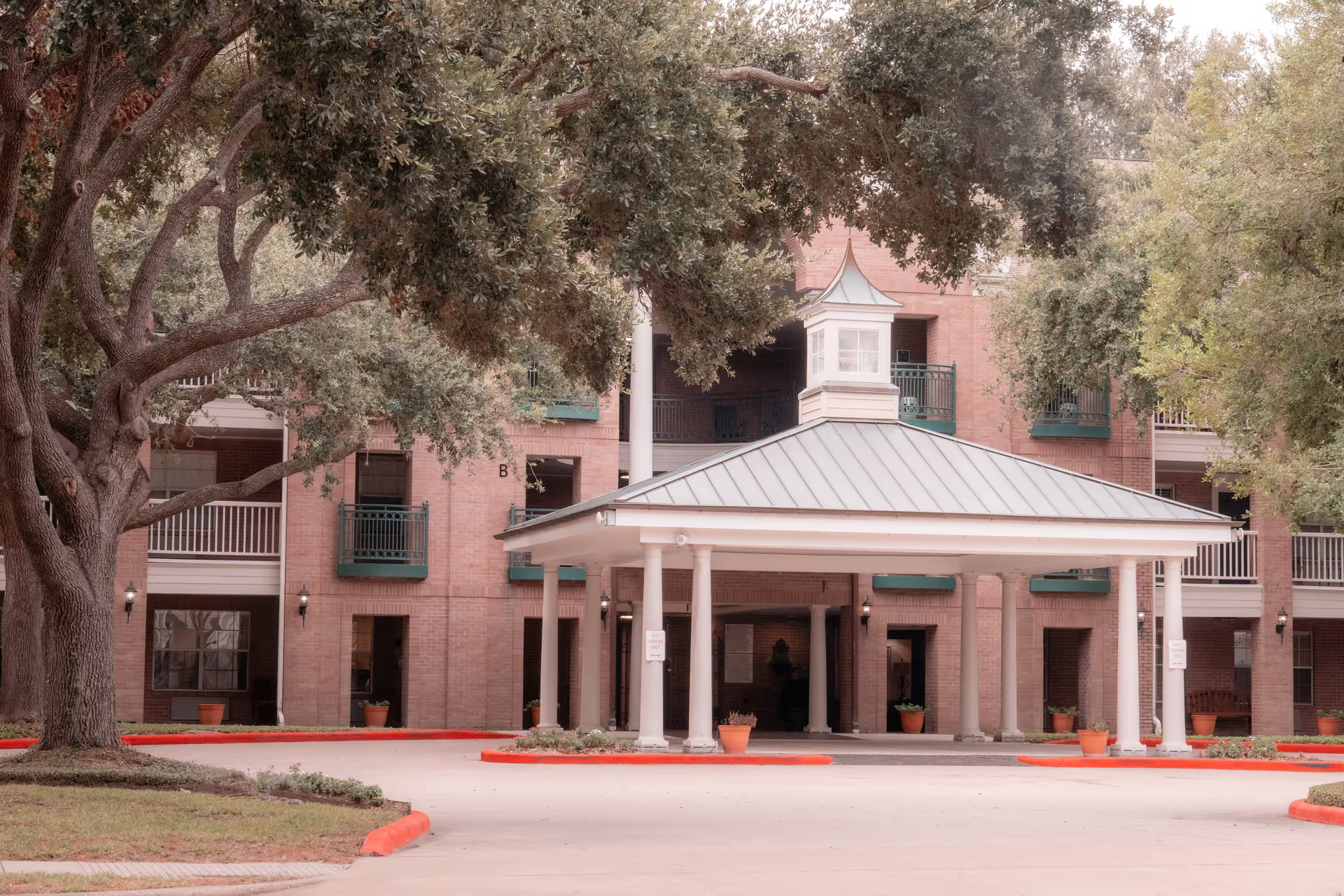
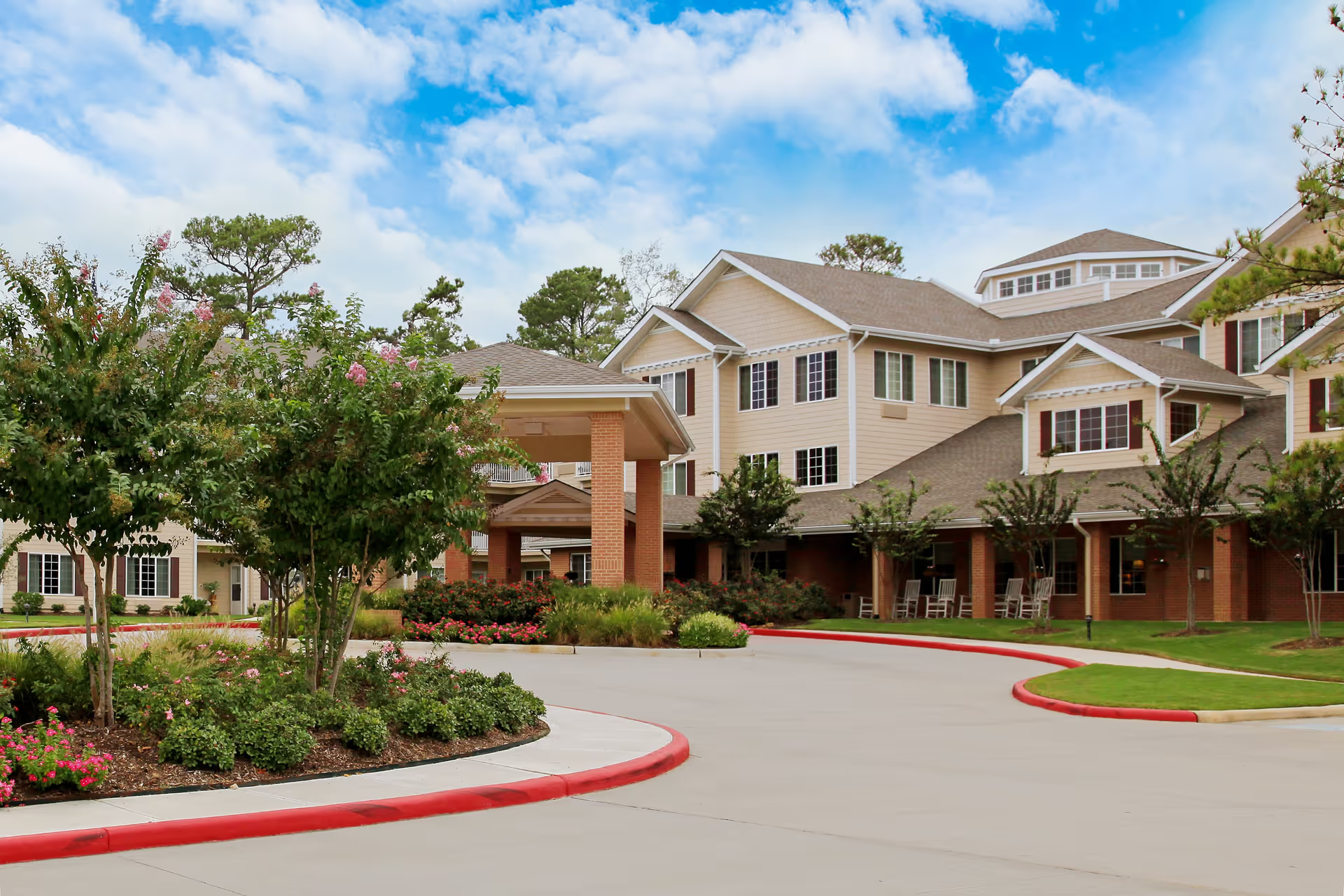
Conservatory at Champion Forest presents as an upscale independent-living community with many features commonly associated with resort-style senior housing. The property’s physical environment — elegant lobby, landscaped grounds, theater, pool, well-equipped gym, salon, and artful interiors — is consistently described as attractive and well appointed. Apartment options are varied and frequently praised for being spacious and well-equipped (in-unit washer/dryer, balconies, multiple floor plans). The community offers numerous amenity-driven conveniences including concierge and front-desk support, guest suites, housekeeping, scheduled transportation, and on-site rehabilitation and therapy services, which together support independent living with ready access to ancillary clinical care when needed.
Staff and care quality are prominent strengths in many accounts. Reviewers repeatedly describe staff as courteous, compassionate, and willing to go the extra mile; front-desk and concierge interactions are often singled out as responsive and personalized. The community provides fall-detection monitoring and 24/7 on-call assistance, and several families noted helpful move-in coordination and transition support. On-site therapy, home-health availability, and daily activity programming contribute to residents’ functional support and social engagement.
Dining and social programming are major selling points but also an area of variability. When operating well, dining is characterized as chef-driven, restaurant-style with flexible hours, room service options, and special offerings such as brunch and happy hour. A robust activities calendar, outings, exercise classes, and many social events support a strong sense of community and reduce isolation for residents. However, there are recurring reports of inconsistent meal quality, slow or disrupted service, and menu changes related to kitchen staffing turnover. Activity scheduling is broad and energetic but described by some as overloaded or subject to last-minute cancellations, which can frustrate residents seeking predictable programming.
Operationally, reviewers indicate both strengths and critical areas for improvement. Positive operational features include housekeeping, maintenance responsiveness in many instances, reliable transportation for appointments, and move-in incentives. Conversely, several operational patterns raise concern: leadership turnover and variable management practices appear to correlate with fluctuating service levels; there are documented instances of incomplete follow-through on repairs; and some residents and families noted unclear or surprising billing items at year-end. Importantly, weather-related vulnerabilities were reported — past flooding and occasional water intrusion through windows or balcony doors during storms — and multiple reviewers flagged the absence of backup power systems, which presents a risk during extended heat or HVAC outages, particularly for oxygen-dependent residents.
Finally, suitability and value depend on resident needs and expectations. Many families find the community’s amenity set, personalized staff attention, and social environment justify a premium price. At the same time, the community is oriented toward independent living; reviewers cautioned that residents with higher medical or assistance needs may be better served elsewhere. Prospective residents should weigh the strong social and amenity offerings and reported staff dedication against the documented operational inconsistencies (dining execution, management variability, storm-related infrastructure exposure, and billing transparency). A focused pre-move assessment — confirming current dining operations, emergency power contingencies, maintenance response processes, and written billing policies — is advisable to align expectations with the community’s present performance.