Overall impression: The Pines at Oakhurst presents as a small, converted-home personal care setting with a consistently positive culture of hands-on, individualized care. Reviewers emphasize a family-like atmosphere in which staff are described as compassionate, attentive, and knowledgeable about resident preferences. Staffing levels and a favorable staff-to-resident ratio during day and night shifts were highlighted as contributors to timely assistance and continuity of care. Management and owners are frequently characterized as accessible and involved in day-to-day operations.
Care and staff: Care quality is portrayed as a central strength. Families described respectful treatment, dignity-preserving assistance, and staff who know residents’ routines and preferences. Several accounts referenced 24/7 access to caregivers, customized care plans, and continuity after acute events (for example, a seamless transition following an injury). Communication with families—regular updates and a welcoming admissions/tour experience—was repeatedly noted as a positive operational feature.
Dining and food service: Dining is a distinguishing feature for many families. The kitchen prepares home-style meals from scratch, with desserts and family-style dining cited favorably. Meal customization (including flexible breakfast and attention to preferences) is commonly offered. That said, there are mixed impressions about consistency: while many praise the food quality and variety, others noted occasions of poor preparation or lower-quality meals, suggesting variability in culinary execution.
Activities and social programming: The Pines runs a range of low-key, engaging activities—crossword puzzles, crafts, piano and gospel music, and other group events that contribute to a warm, social environment. Live music and opportunities for participation were described as uplifting. A recurring operational gap is limited transparency about the activity schedule; some families said they received little information about daily programming and suggested more formalized or specialized offerings (for example, music therapy sessions).
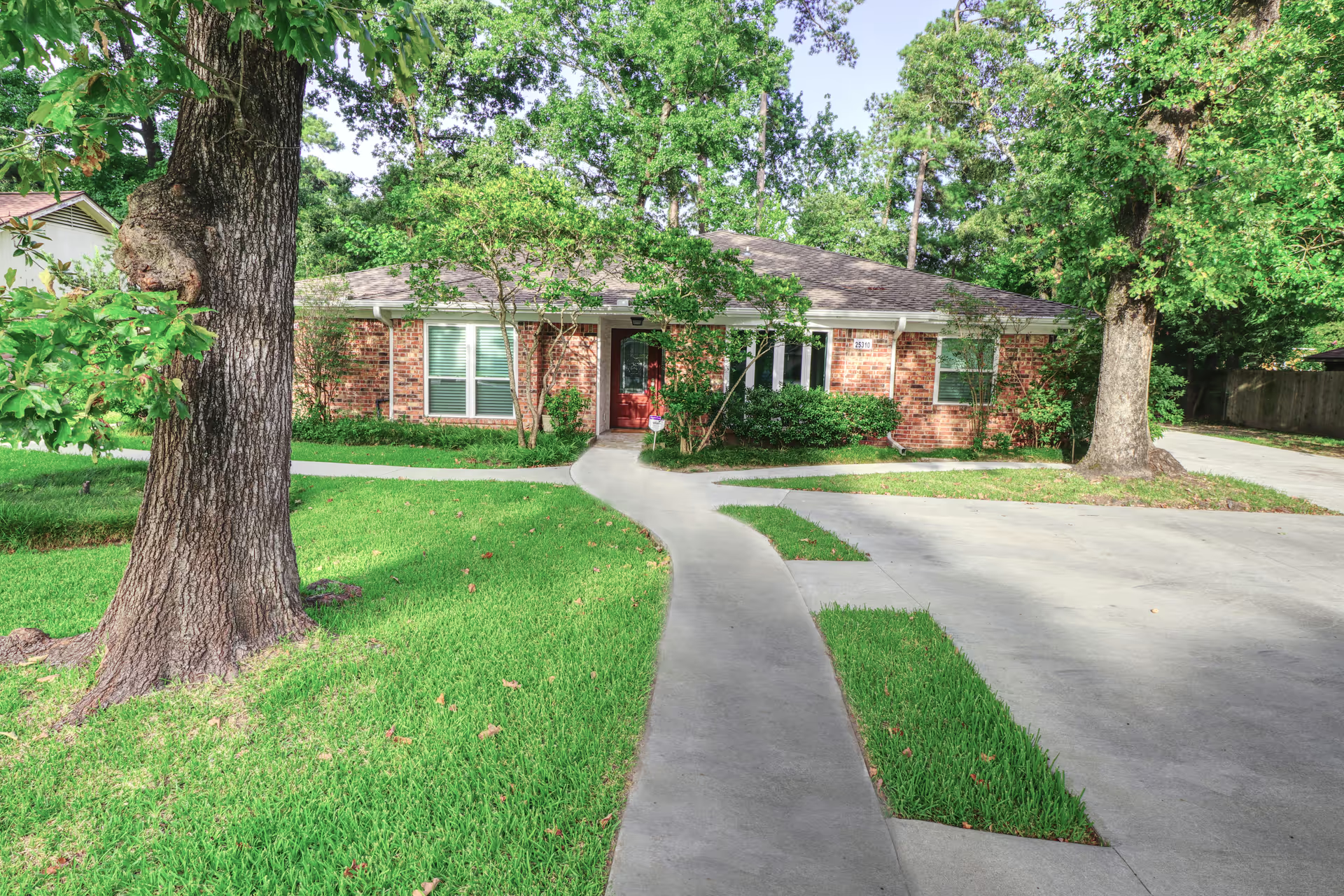
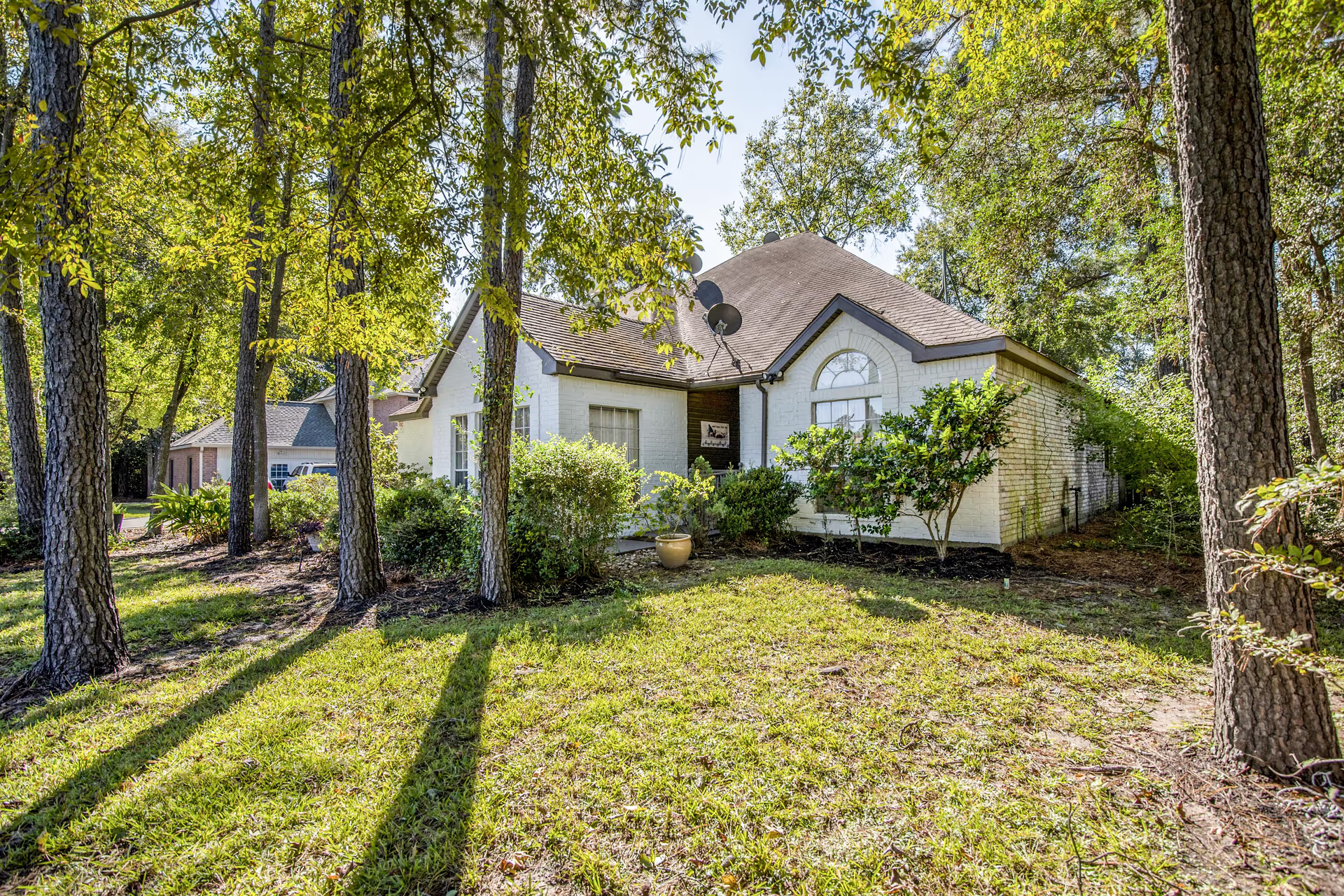
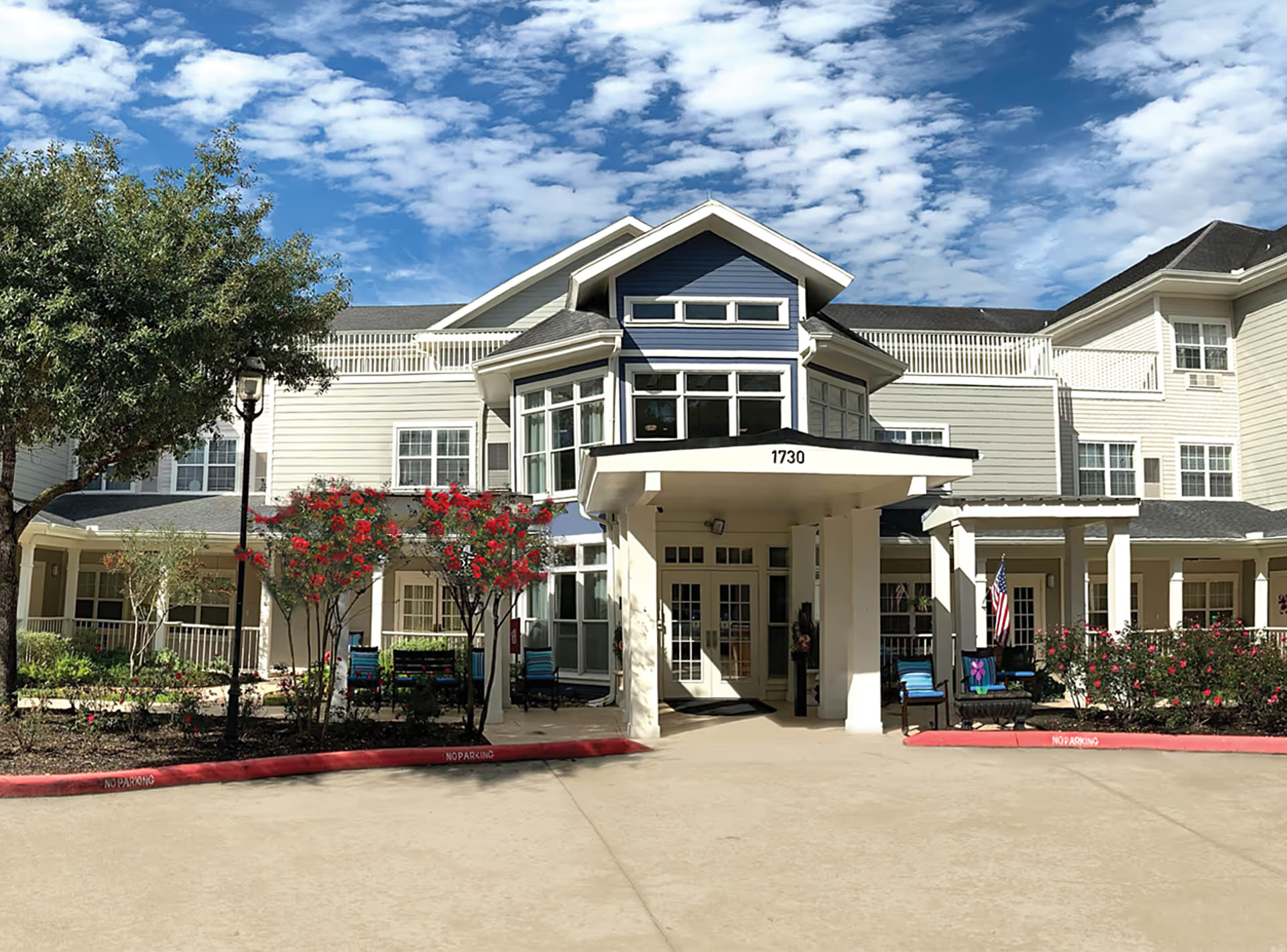
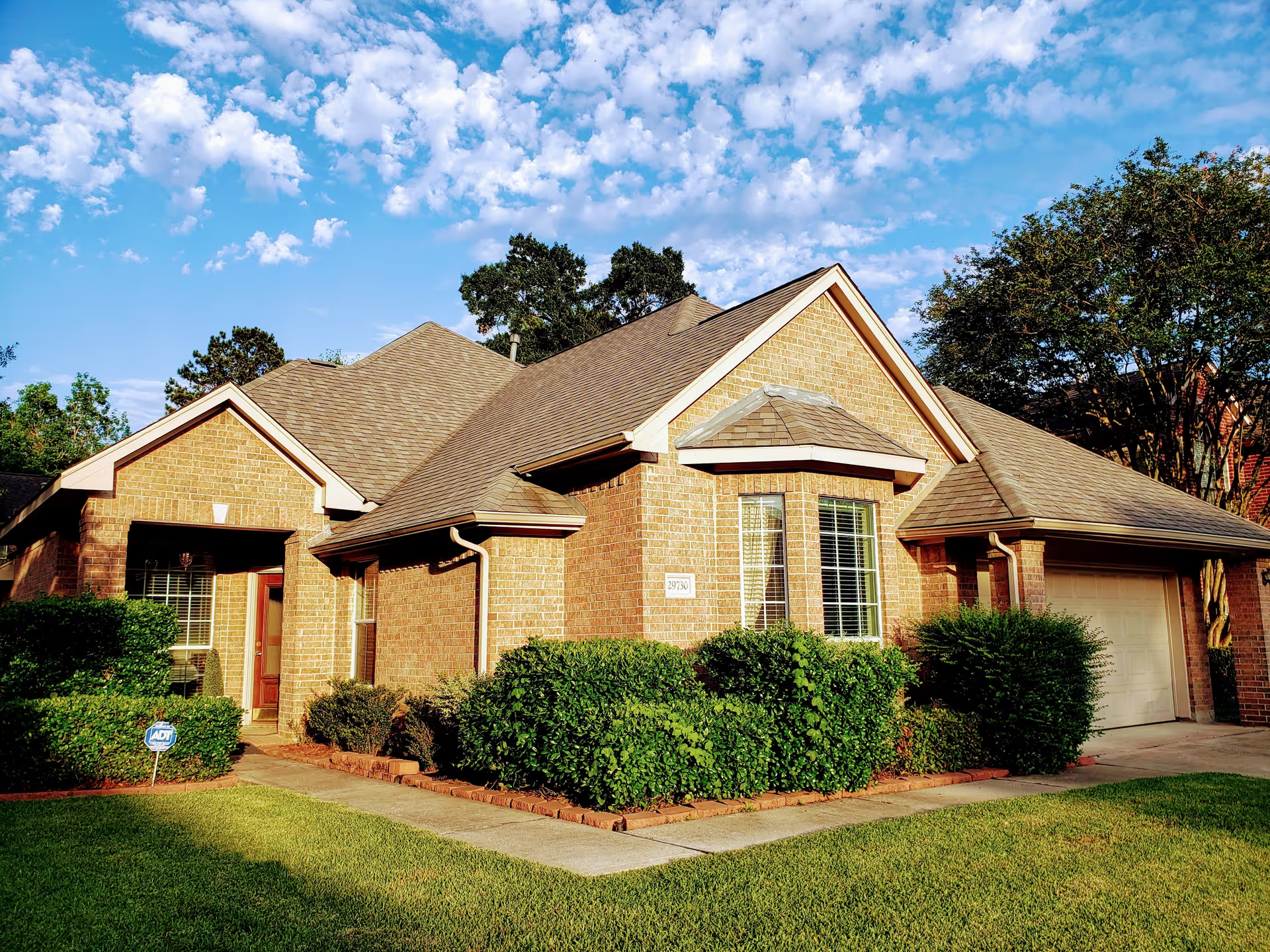
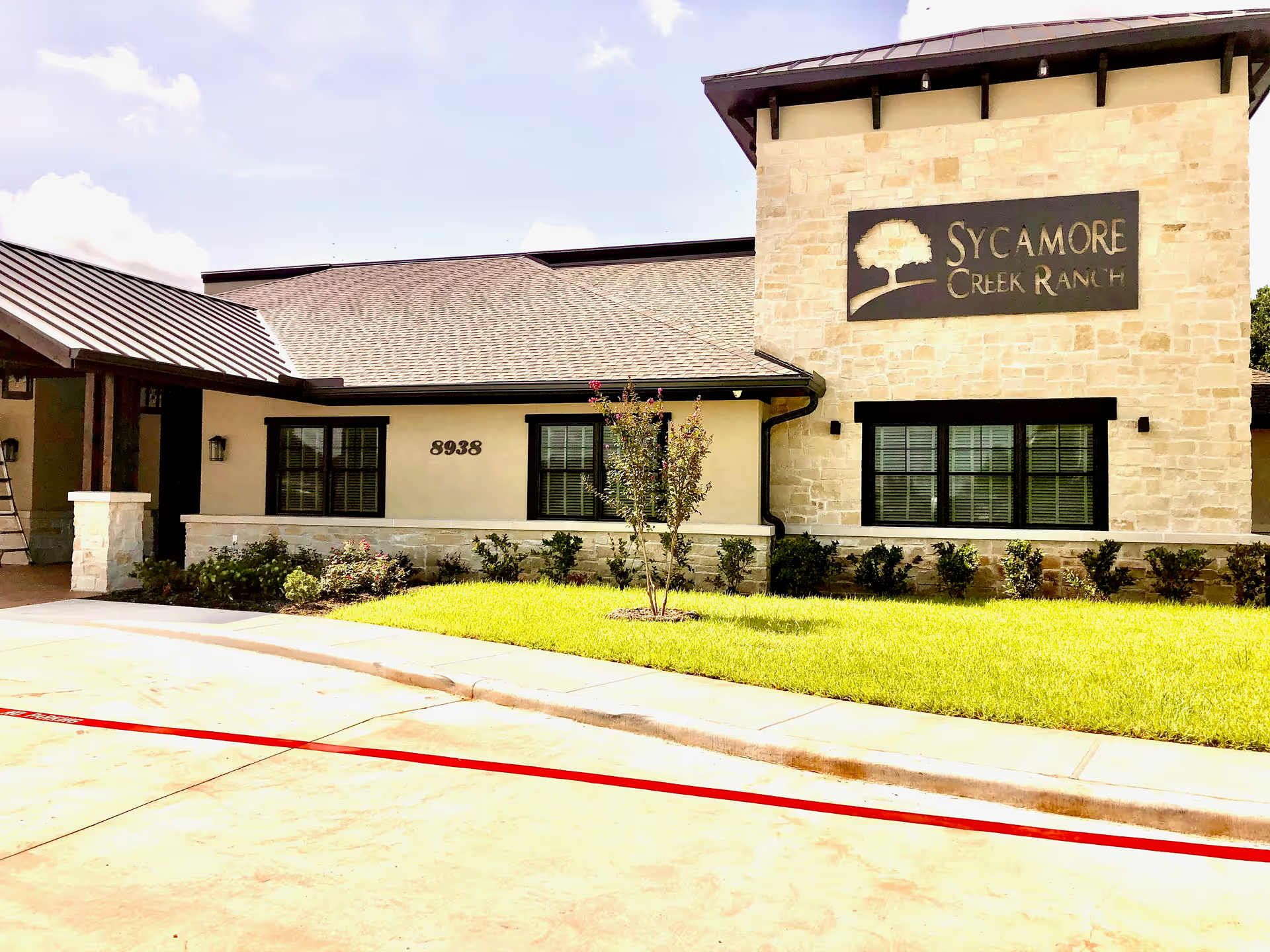
Facilities and environment: The facility is small, clean, and described as homelike rather than institutional. Safety-focused modifications (widened doorways, single beds, and accessible bedrooms) and a tidy interior were noted. The outdoor backyard with seating is an appreciated amenity. Areas for improvement include aging décor, some outdated furniture, small private rooms with limited personal space, and occasional clutter in shared spaces. Access logistics can be challenging: the building sits on a narrow, busy street with limited parking and minimal exterior signage, which has made locating and entering the facility difficult for some visitors.
Management and operational patterns: Leadership is described as engaged and responsive; owners and managers are frequently noted as approachable. Communication with families is generally strong, though phone or connectivity reliability has been identified as an operational weakness in some cases. There are mixed signals about staffing continuity—many accounts praise low turnover and consistent caregivers, while a few note periods of staff change. These patterns suggest overall stable staffing with occasional variability.
Notable patterns and recommendation considerations: The Pines is best suited to prospective residents and families seeking a small, homelike setting with personal attention, home-cooked meals, and active staff involvement. Strengths center on individualized care, strong family communication, and a warm social environment. If visual aesthetics, larger private spaces, predictable on-site parking, or a formalized, fully consistent dining program are priorities, families should tour the site and ask targeted questions about recent renovations, current staffing stability, activity schedules, and phone/connectivity arrangements before deciding.