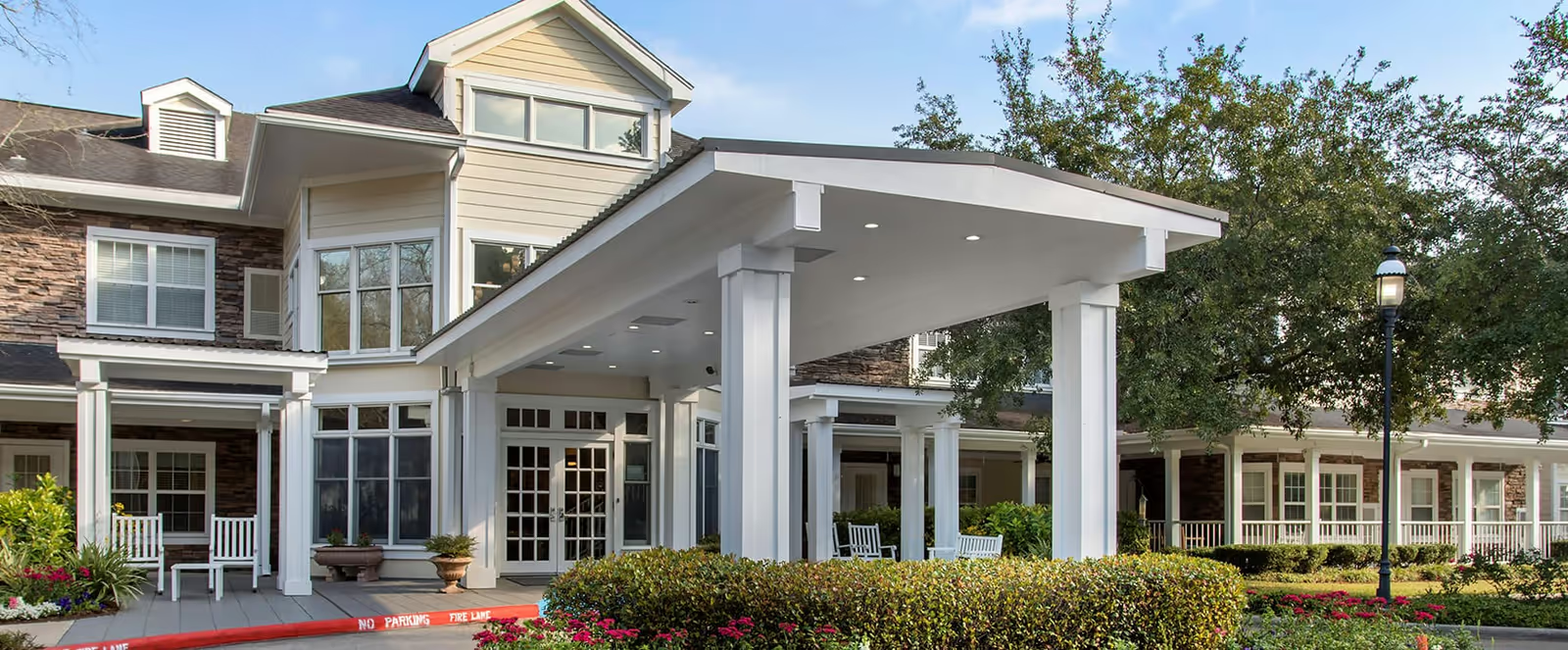
Overall impression: Willow Care Cottages presents as a small, home-like assisted living community with consistently emphasized strengths in person-centered caregiving, clinical oversight, and a welcoming atmosphere. Families and visitors describe a calm, organized environment with clearly appreciated interpersonal relationships between staff and residents. Clinical processes for medication appear robust; RN medication reviews and a focus on correct medication administration are recurring strengths noted by families.
Care and staff: The facility's caregiving team is frequently described as compassionate, attentive, and engaged. Low staff turnover and long-tenured employees contribute to continuity of care and a family-like culture. Leadership presence is notable; the administrator and supervisory nurses are described as available and communicative, and staff willingness to accept short-notice/respite admissions is highlighted. Reviewers also point to proactive practices in emergencies, such as generator operation and crisis responsiveness, which underline an orientation toward resident safety.
Dining and activities: Many reviewers praise home-cooked, hot meals and an accommodating approach to resident preferences and substitutions. At the same time, there is a pattern of variable dining quality and occasional reliance on pre-prepared items, which suggests inconsistencies in kitchen output. Activity offerings include pet therapy, music therapy, clergy visits, and social time in a central great room; these provide meaningful engagement for residents. However, activity programming appears to rely heavily on volunteers and may lack breadth and structure for residents seeking a wider or more regular schedule of organized activities.
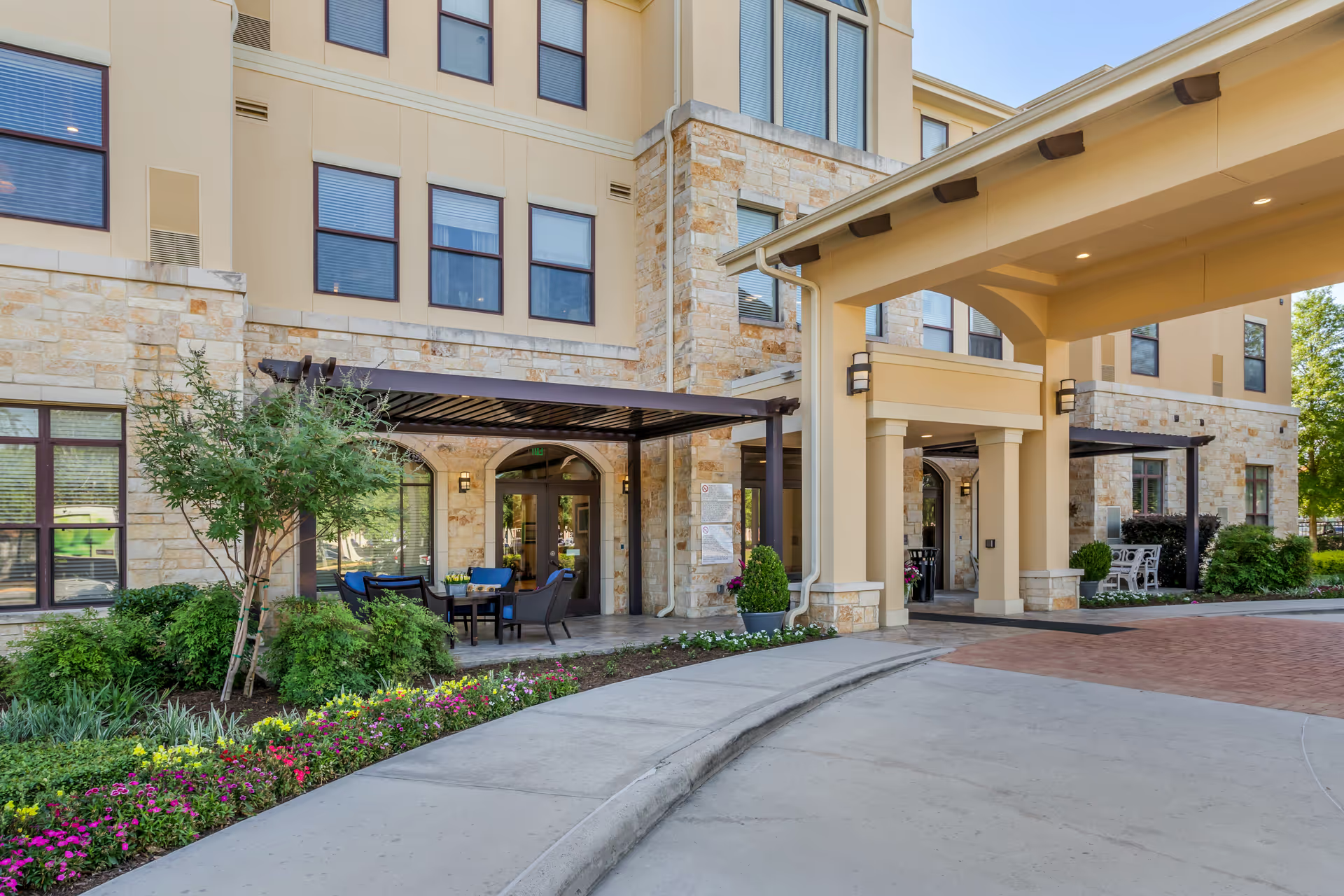
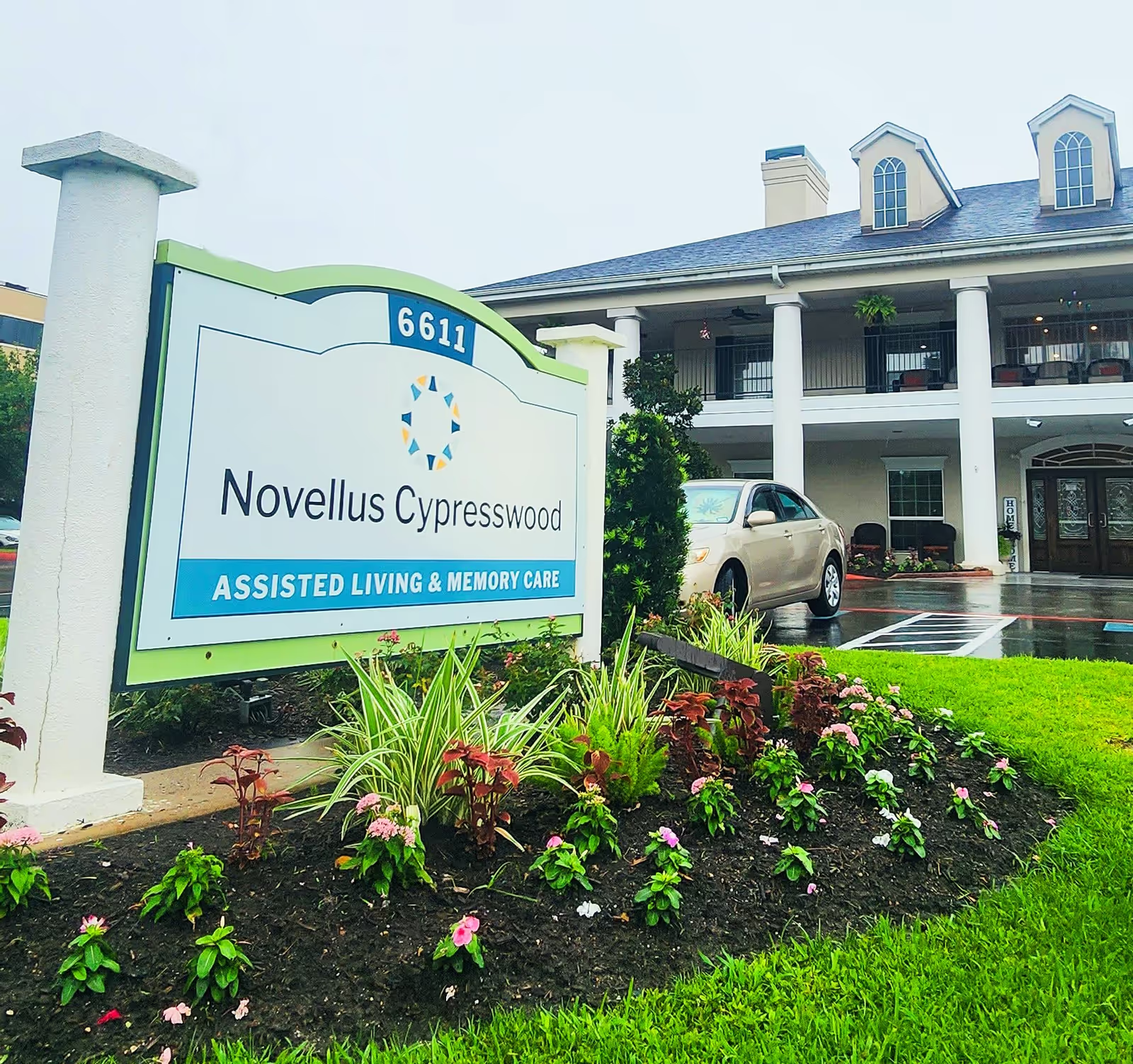
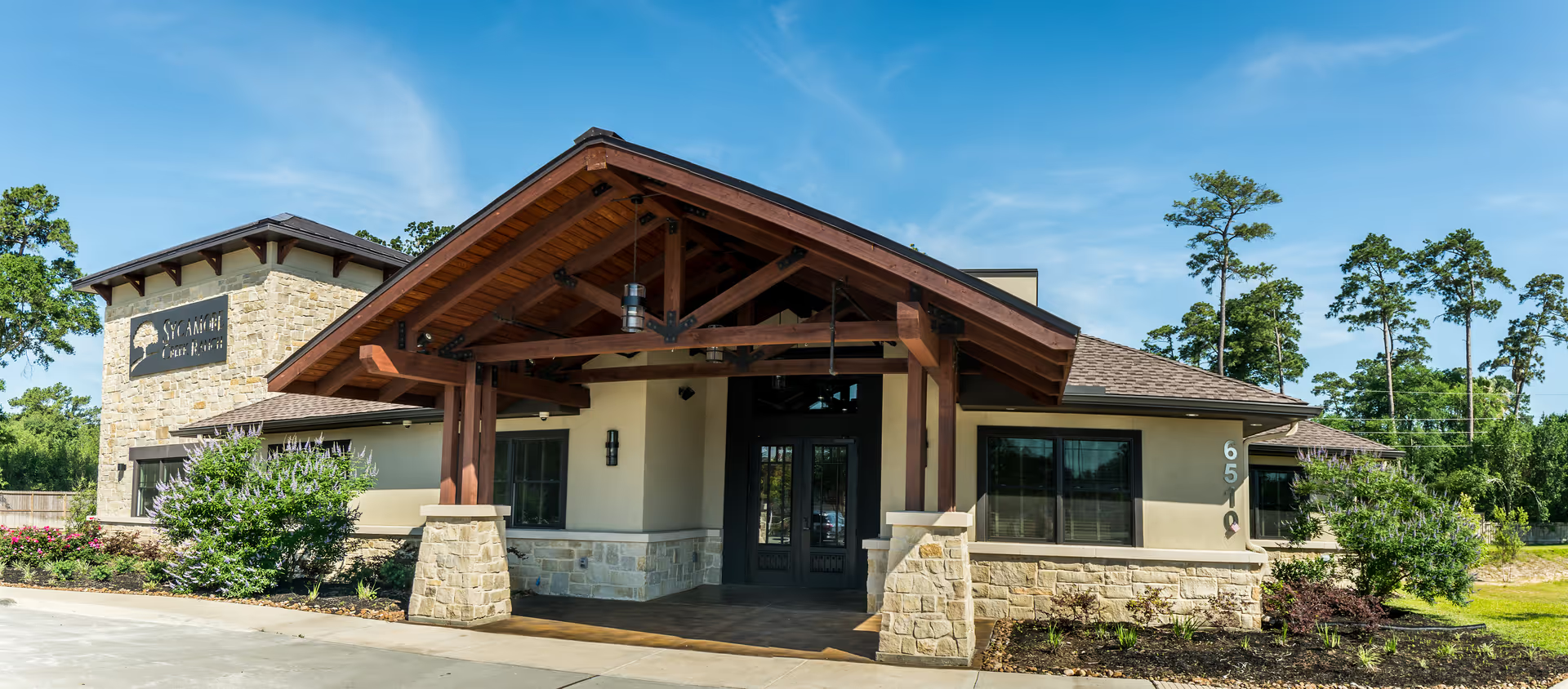
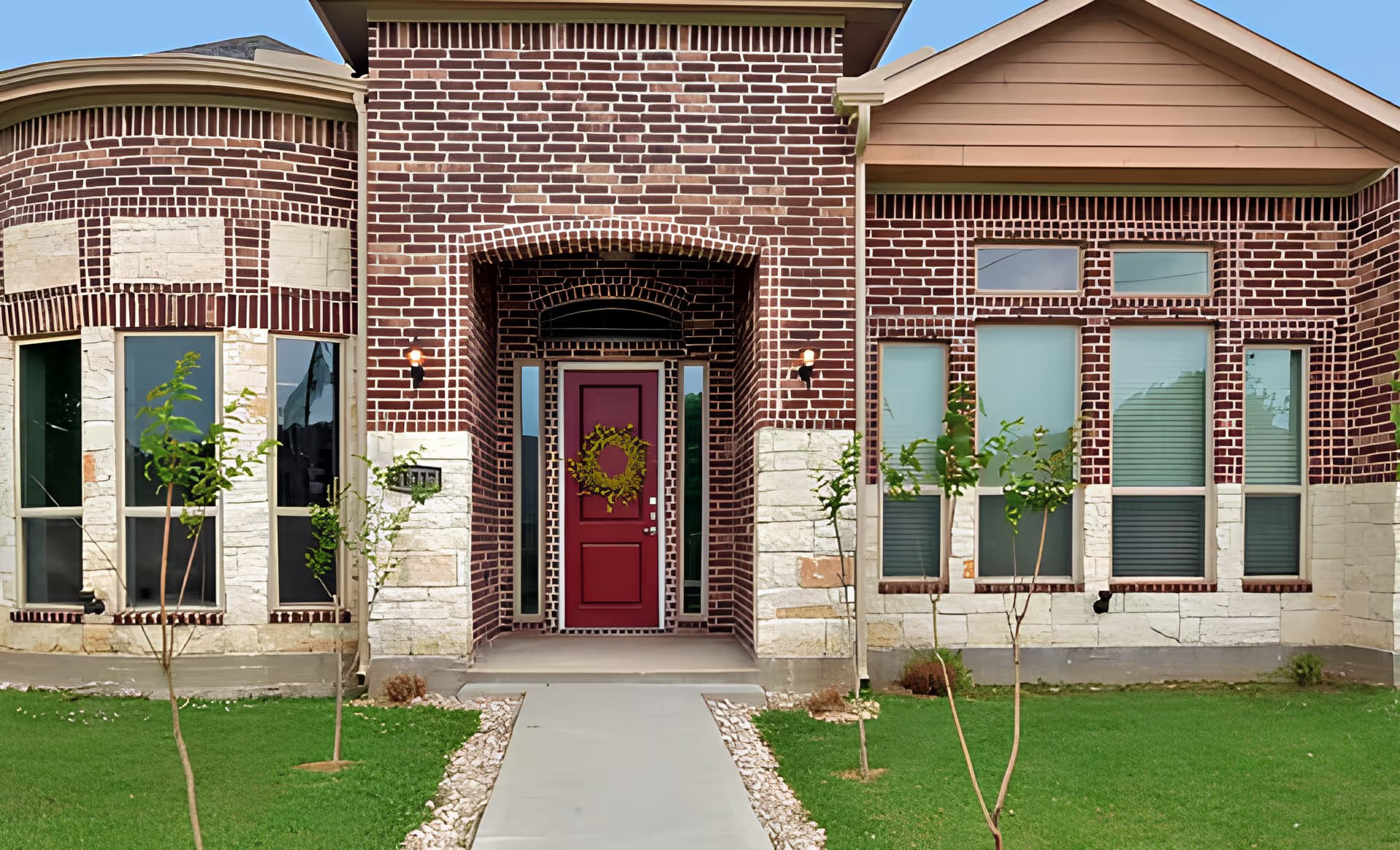
Facilities and housekeeping: Common areas, outdoor spaces, and the overall property are generally described as well-maintained, with an inviting, open-plan layout and accessible patio. That said, reviewers identified intermittent cleanliness issues in peripheral areas and instances where room cleaning or housekeeping schedules were inconsistent. These operational gaps indicate opportunities to standardize housekeeping protocols and monitoring.
Management and operational patterns: Administrative leadership receives substantial positive feedback for communication and resident advocacy, yet there are also mentions of variability in administrative responsiveness and other operational inconsistencies. Direct-care staff are praised for going above and beyond, but workload stretch during busier periods is a recurrent theme; this can affect the consistency of nonclinical tasks such as room cleaning and activity facilitation. Finally, several comments raise concerns about pricing and fee structure, suggesting prospective families should clarify costs and what is included before admission.
Conclusion: Willow Care Cottages appears to excel in compassionate, personalized caregiving, clinical medication management, and maintaining a homelike environment with engaged leadership. Prospective residents and families should weigh those strengths against operational limitations such as inconsistent housekeeping, variable dining quality, constrained activity programming, and perceived pricing concerns. Those prioritizing close staff relationships, continuity of care, and a warm, small-community setting are likely to view this community favorably; families seeking highly structured activities and fully standardized operational processes may want to ask targeted questions and observe staffing patterns during different times of day before deciding.