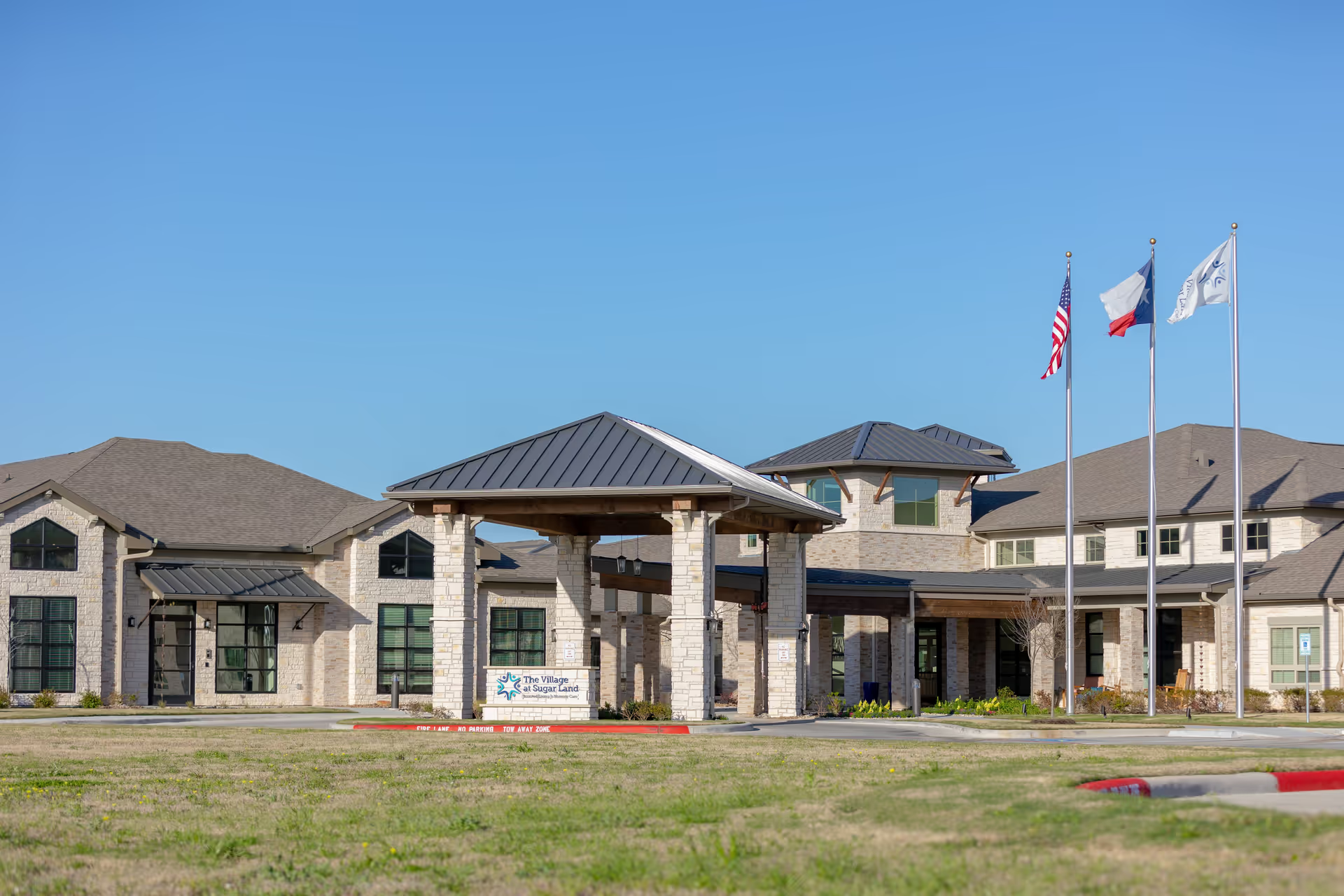
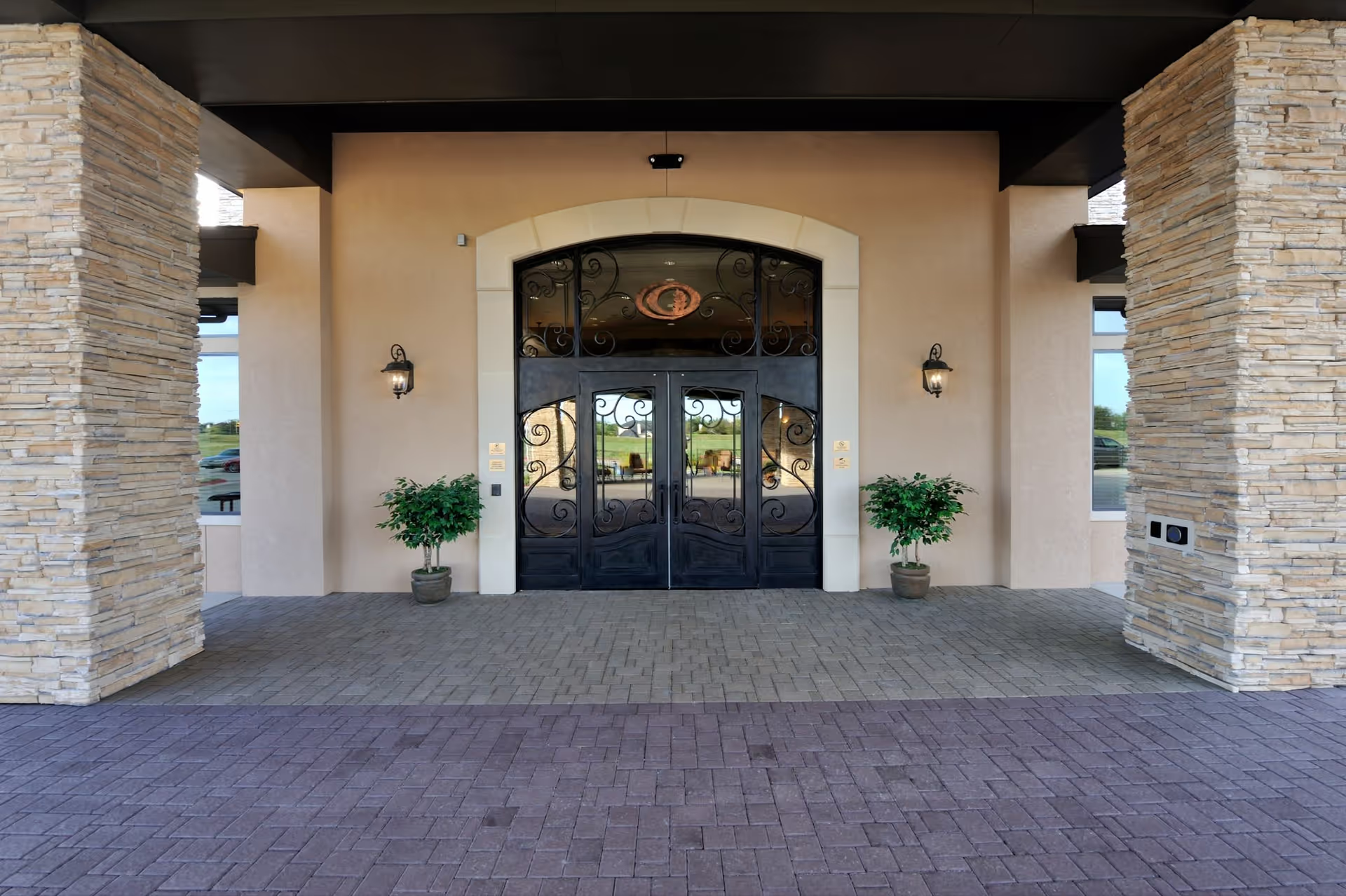
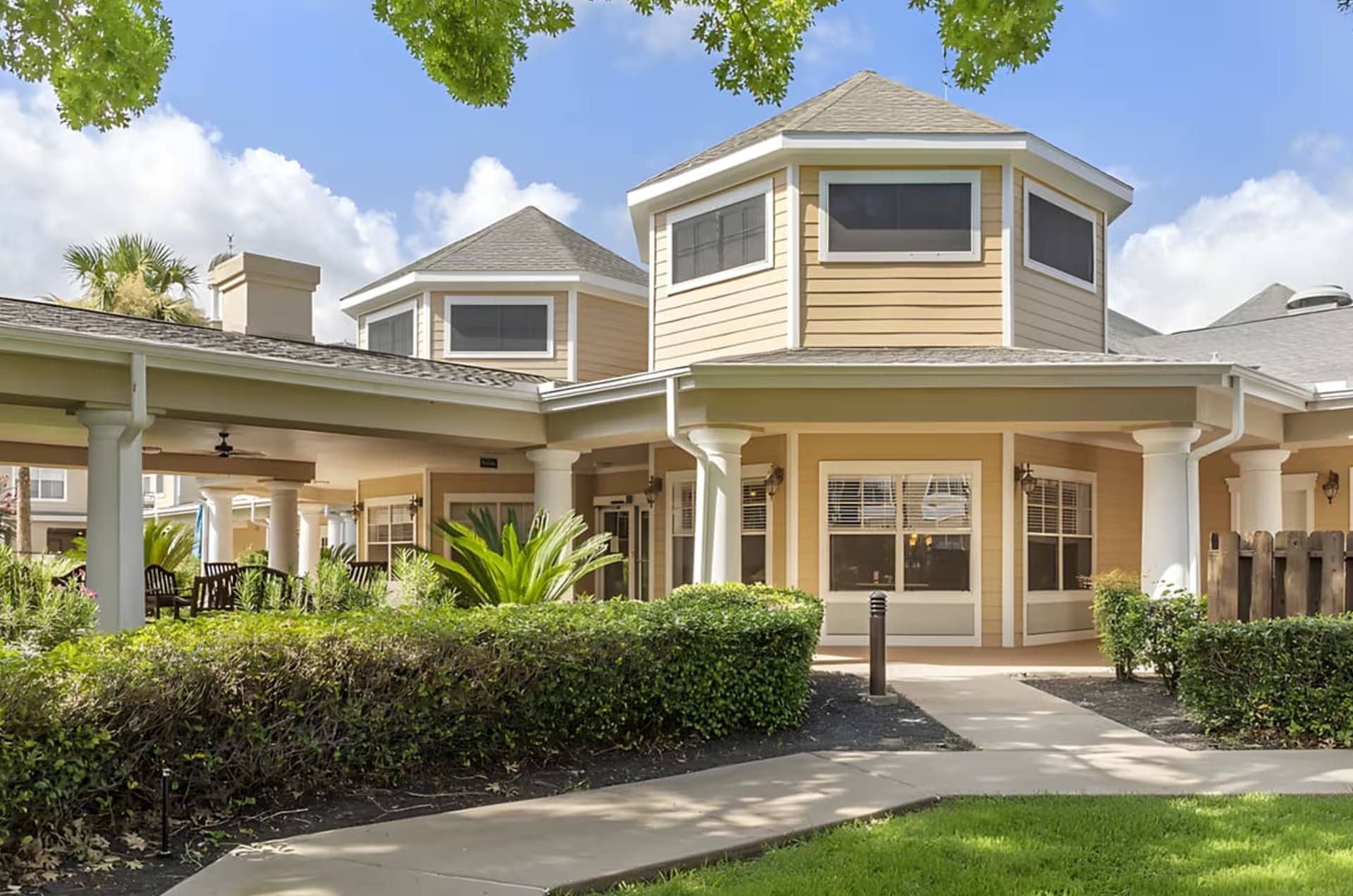
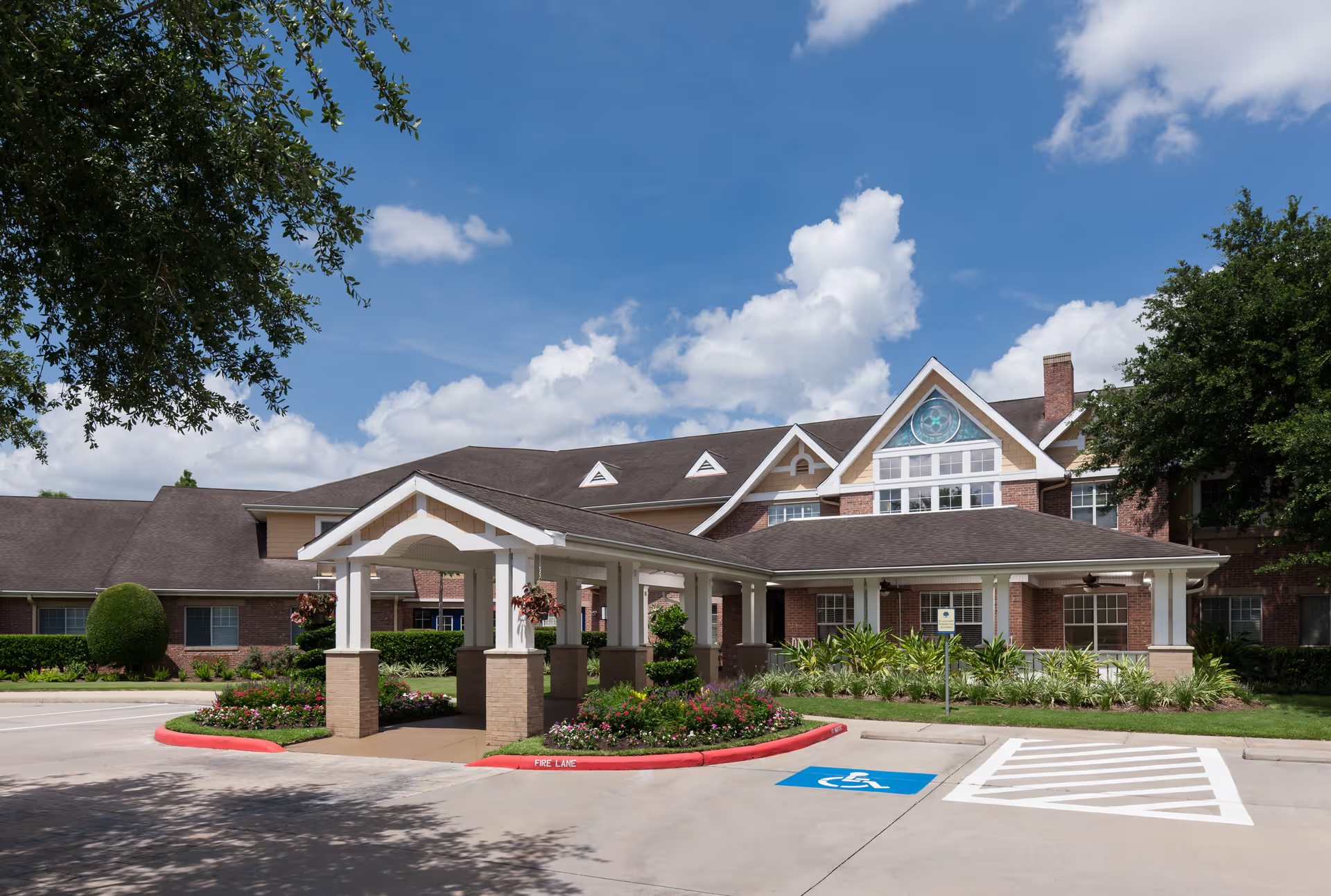
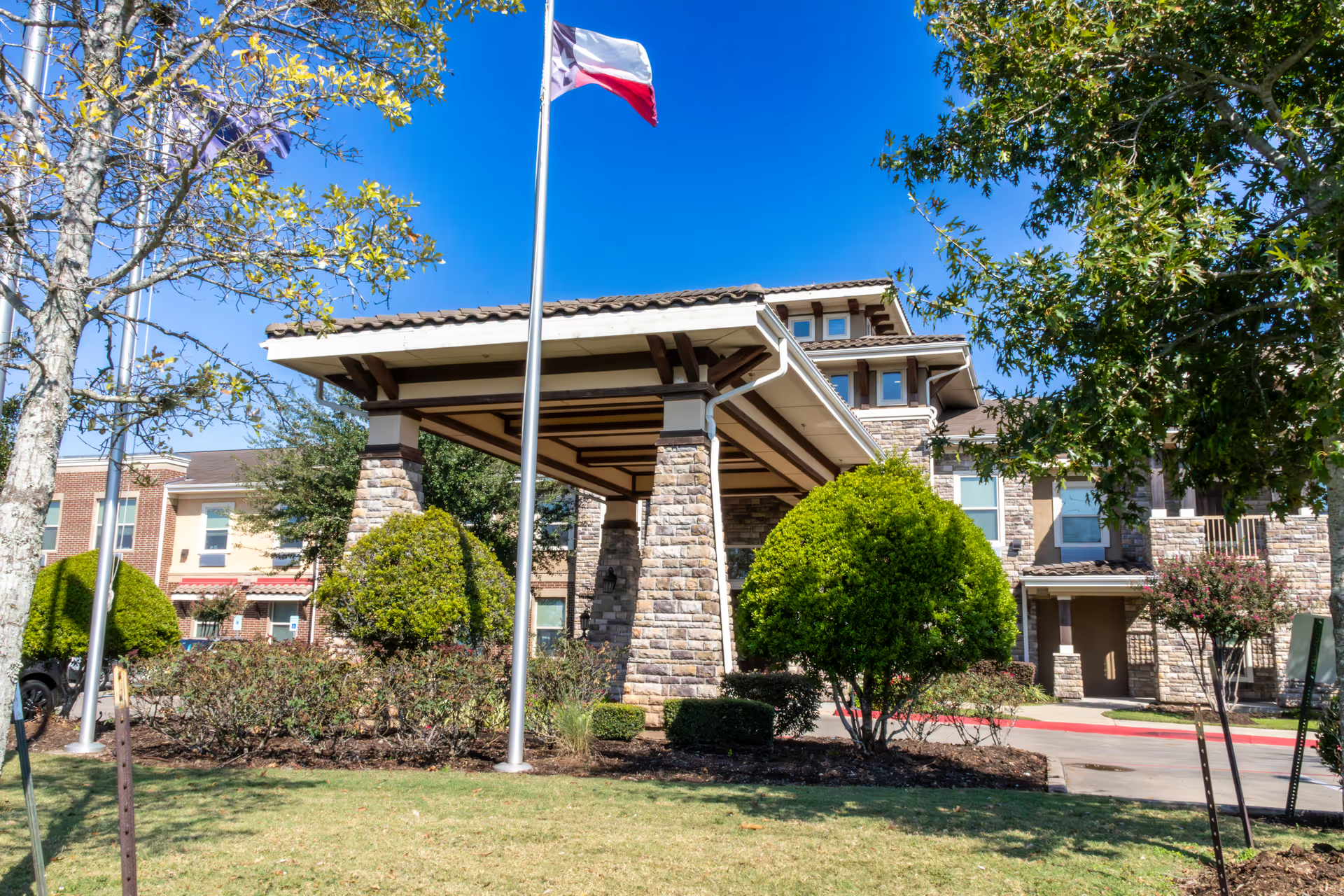
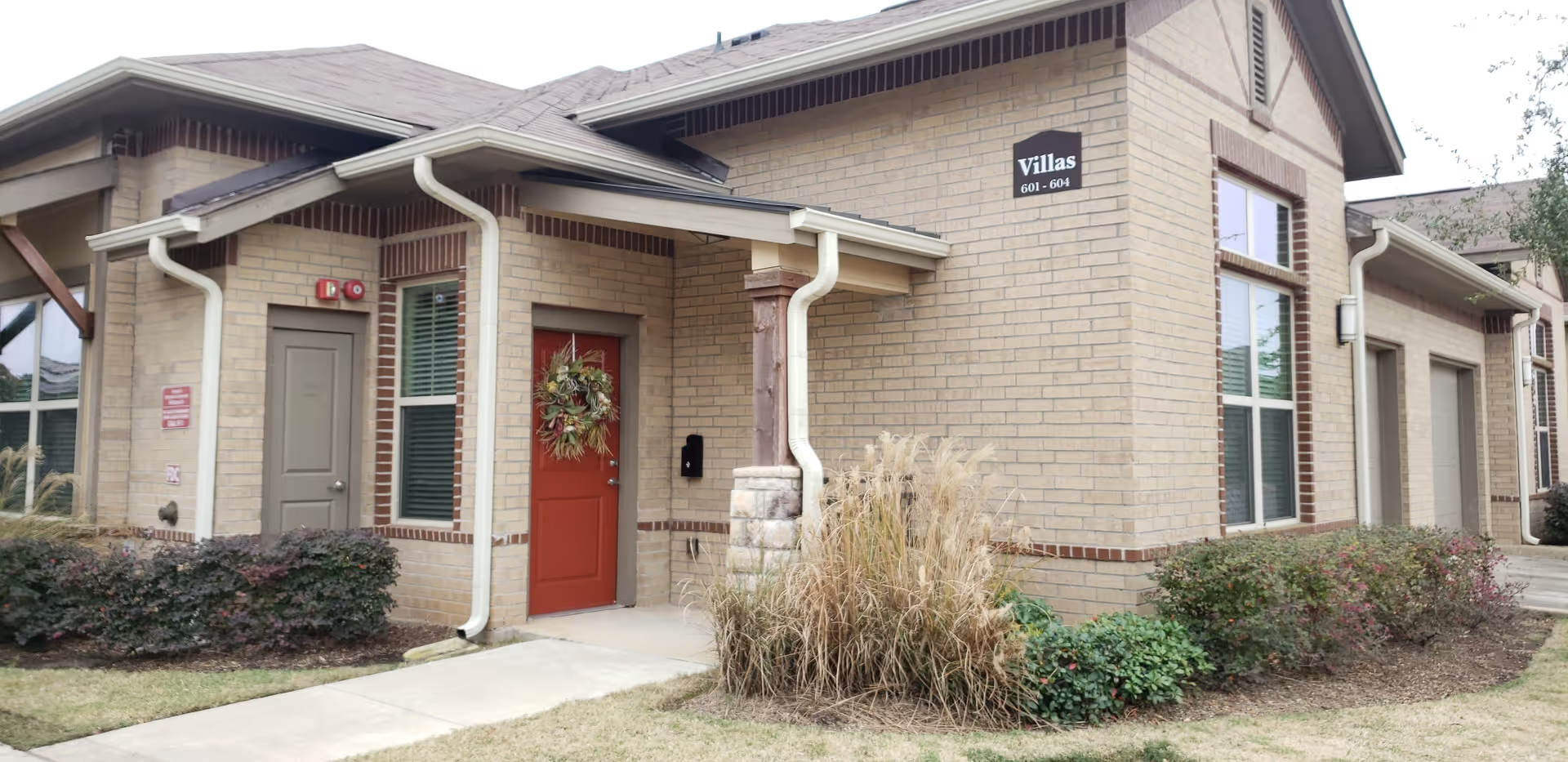
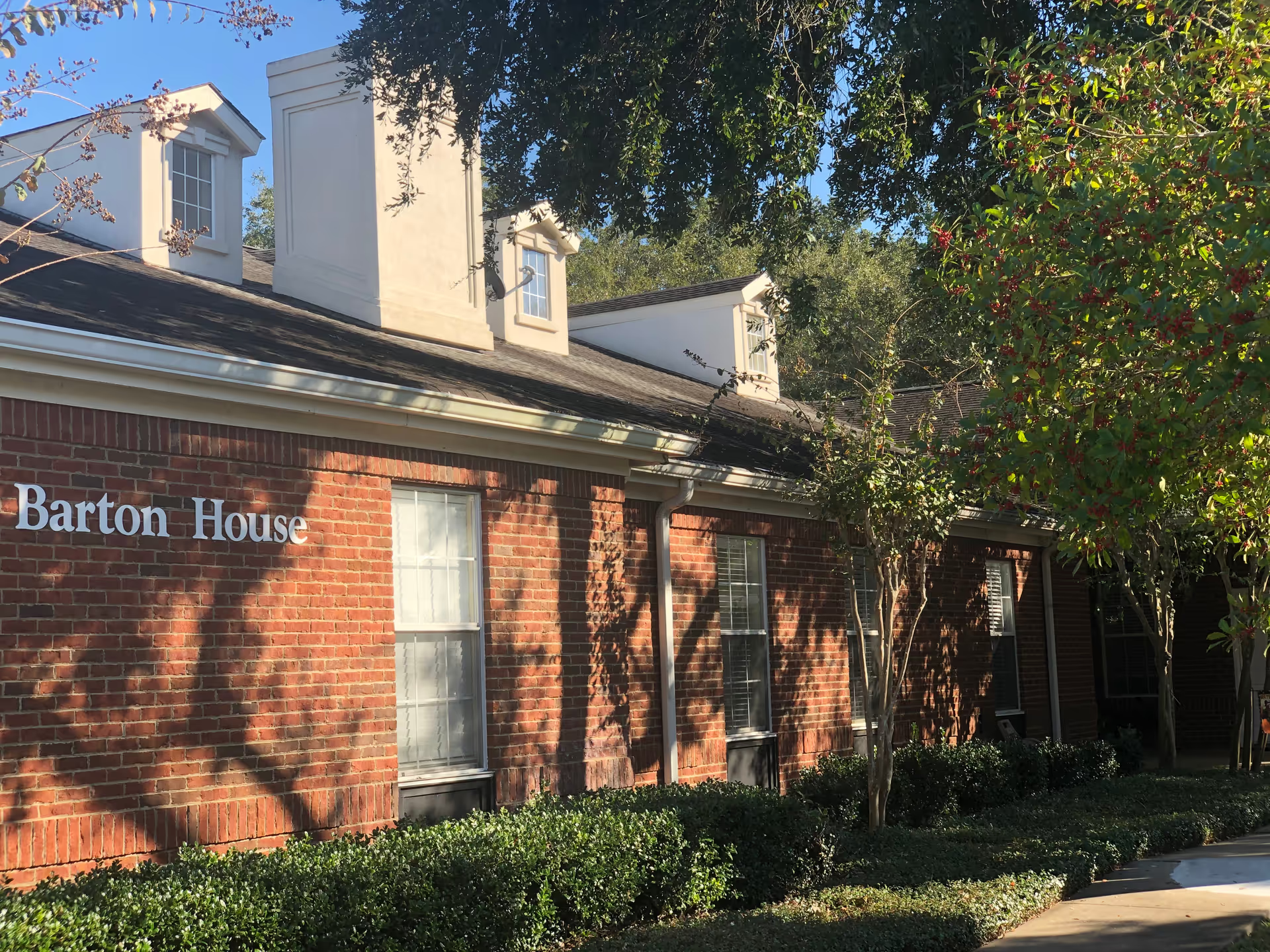
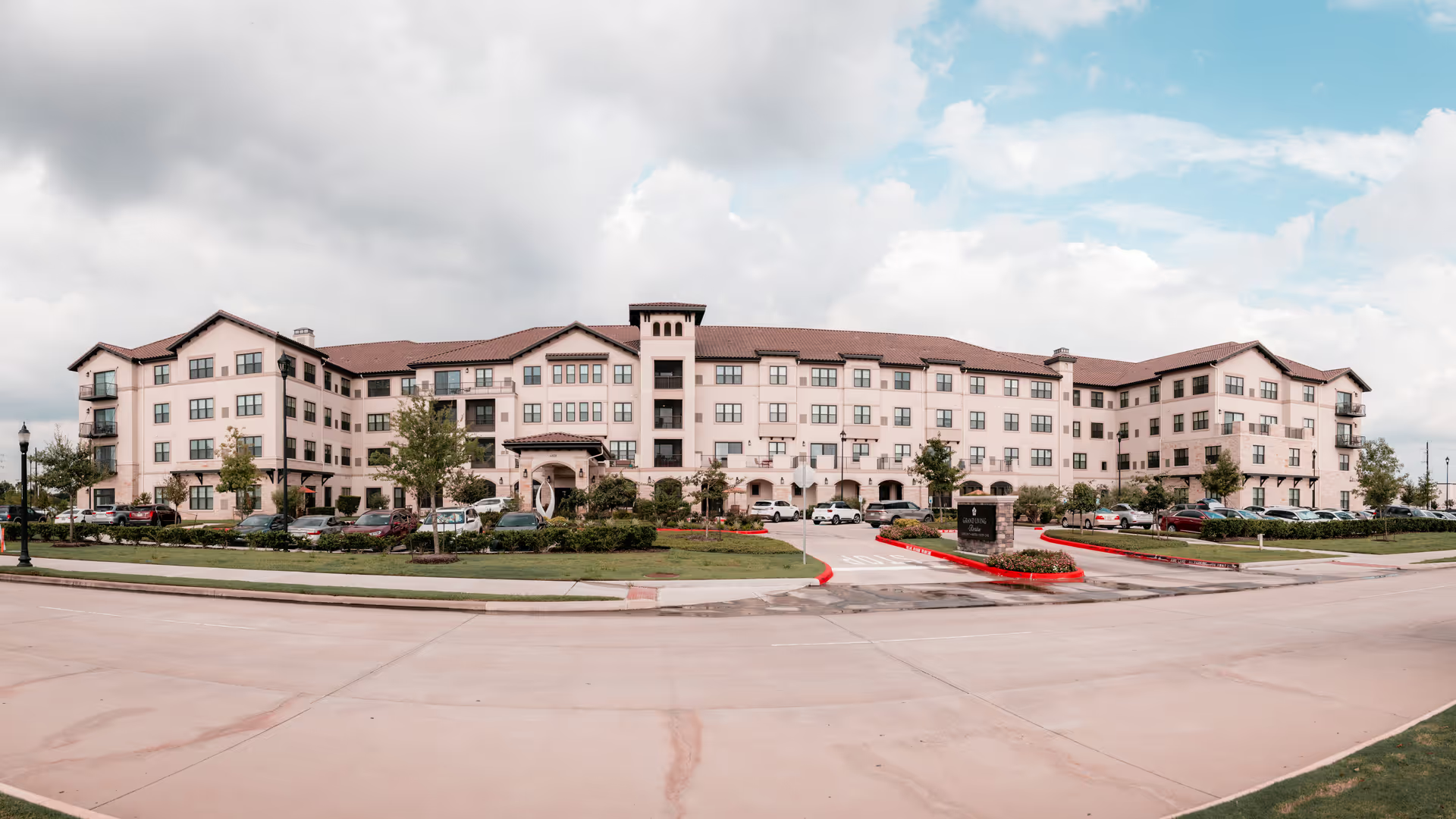
Greatwood at Sugar Land presents a mixed but instructive profile for prospective residents and families. Strengths that recur across feedback include a consistently warm, personable caregiving staff and a supportive move‑in/tour experience. Many residents and families praise the community culture, active programs, and involvement opportunities such as a resident council. The campus offers a strong set of on‑site amenities — library, game and craft rooms, salon services, scheduled transportation, and well‑kept grounds — and apartment options with kitchens and accessible features (walk‑in showers, emergency call buttons) that suit independent living preferences.
Activity programming is widely regarded as a highlight: offerings range from arts and crafts to outings and themed events, and activity staff (frequently named in reviews) are credited with creating engagement. The community’s continuum model — independent living and assisted living in close proximity — is convenient for families seeking flexible transitions. Routine services such as weekly housekeeping and laundry, concierge support, and private dining/events also add to the community’s appeal.
However, the community has recurring operational weaknesses that families should evaluate. Dining quality and meal delivery are inconsistent: reports describe meals that are cold, unappealing, or subject to shortages, and dietary accommodations for conditions such as diabetes or gluten sensitivity are sometimes limited. Staffing stability is a significant theme — many reviewers cite understaffing, high turnover, and slow response times to calls — which ties into concerns about medication handling, delays in clinical response, and variable caregiver availability. Several comments point to gaps in communication from management, including follow‑through on family inquiries, billing transparency, and inconsistent messaging during health‑related incidents.
Facility condition and maintenance also show variation. While landscaping and certain public spaces are praised, other areas of the physical plant appear aged: worn carpeting, patch repairs, and occasional water‑damage or pest‑control concerns were noted. These maintenance issues, combined with management turnover in some periods, have contributed to perceptions of declining service quality among long‑term residents. A few reviewers described serious clinical or safety incidents; while these appear as individual events, they underscore the broader patterns around staffing, emergency response procedures, and communication that prospective families should review closely.
In summary, Greatwood at Sugar Land offers many attributes that attract residents who value community life, activities, and personable staff, and it provides practical conveniences and apartment features that support aging in place. At the same time, prospective residents should investigate current staffing levels, meal-service practices, clinical protocols (medication administration and emergency response), maintenance plans for older areas of the building, and the facility’s billing policies. Visiting at mealtimes, speaking with the activity and clinical leadership, and reviewing the latest staffing ratios and recent ownership/management changes will help families assess whether the community’s current operations align with their care and transparency expectations.