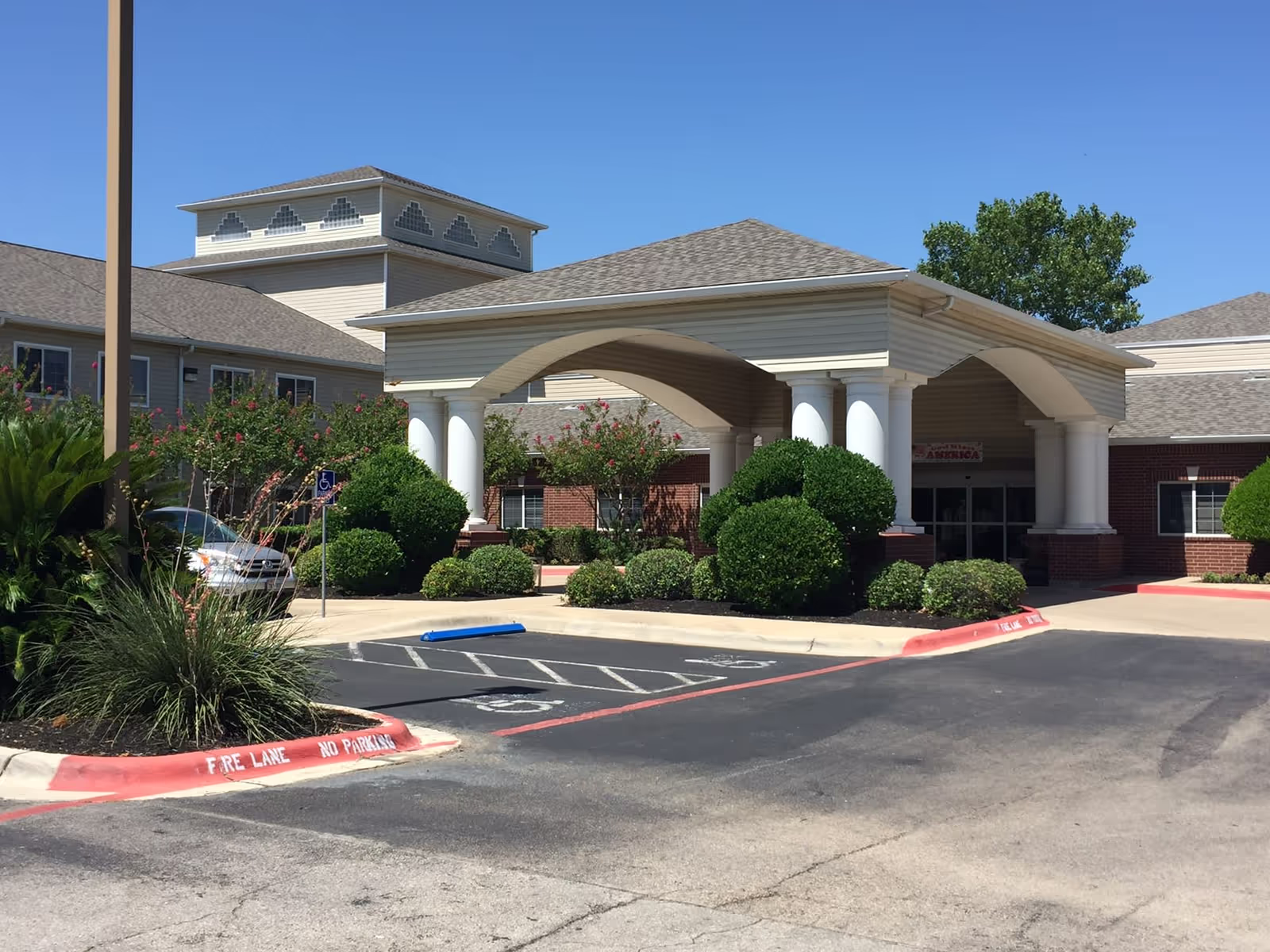
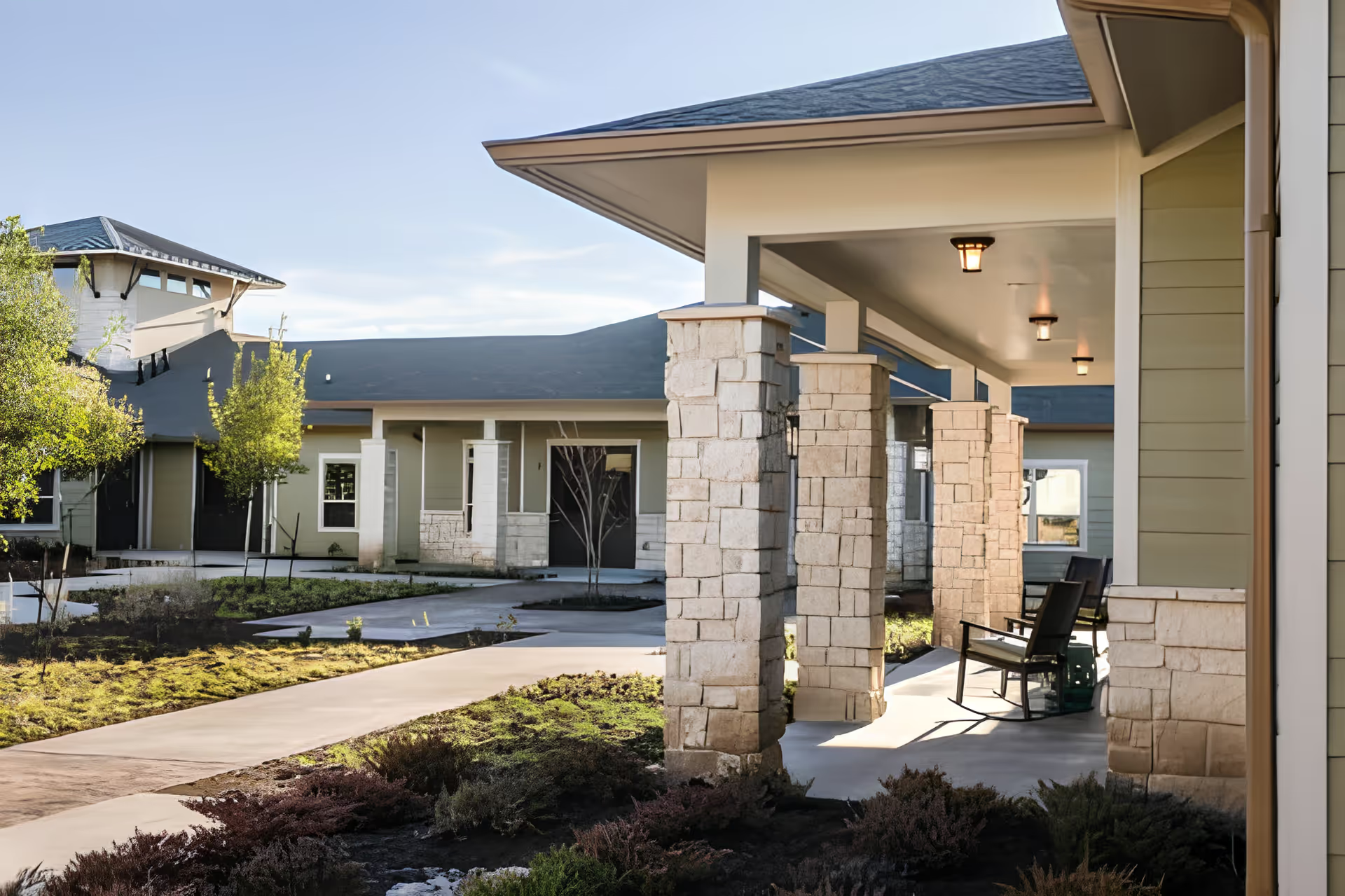
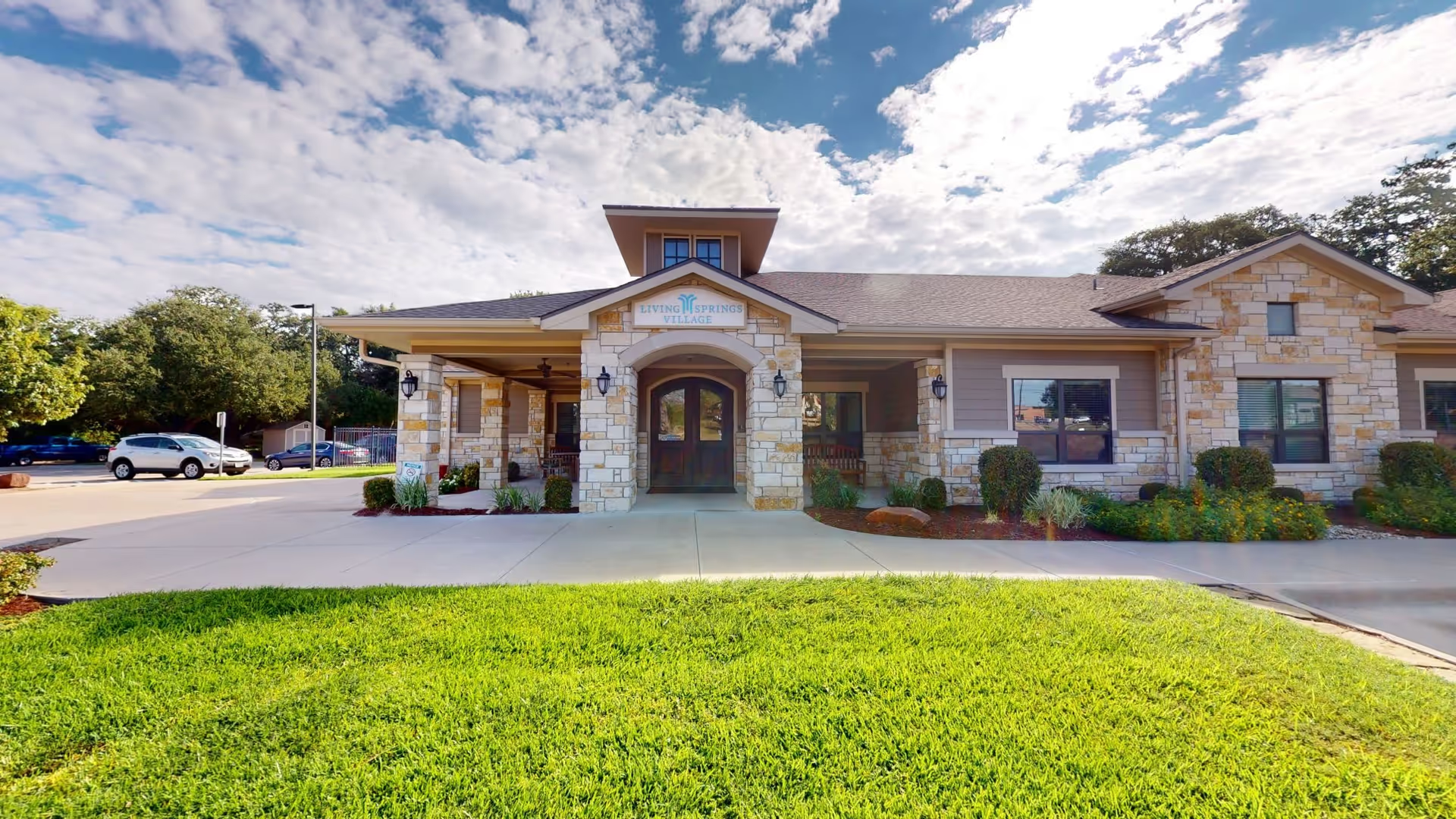
Reviewer experiences at Canyon Creek Memory Care are markedly polarized: many families describe a warm, small-house environment with compassionate caregivers and active programming, while others raise operational concerns that affect care consistency. Strengths cited include engaged, personable staff, a small-group memory-care model, and visible effort toward a homelike, memory-friendly atmosphere. Several reviewers also praised on-site therapy services, furnished rooms at no extra cost, an inclusive flat-fee structure, and a calendar of activities that can include live music and social events.
Care and staffing descriptions diverge substantially across accounts. Positive comments emphasize attentive, patient caregivers who interact directly with residents and help them settle, eat, and engage. In contrast, a recurring operational pattern centers on inconsistent staffing levels and coverage; reviewers describe situations that imply stretched aide-to-resident ratios and periods when clinical staff presence is limited. These staffing inconsistencies are linked in some accounts to gaps in clinical-incident response and family communication, as well as to medication-management inconsistencies. Several families also expressed incontinence-care concerns and noted odor-related and cleanliness issues in resident areas and shared bathrooms, indicating variability in routine personal care and room maintenance.
Dining and activity offerings show mixed performance. Many reviewers praised meal quality and a family-style dining approach, while others described cold food, limited choices, or insufficient portions. Activity programming is likewise inconsistent in the reports: some families describe a rich schedule of games, outings, and live entertainment, whereas others found the program sparse or limited primarily to television. Laundry and linen handling procedures were described as functional in processing but sometimes disorganized in storage and distribution, which can affect room readiness and perceived cleanliness.
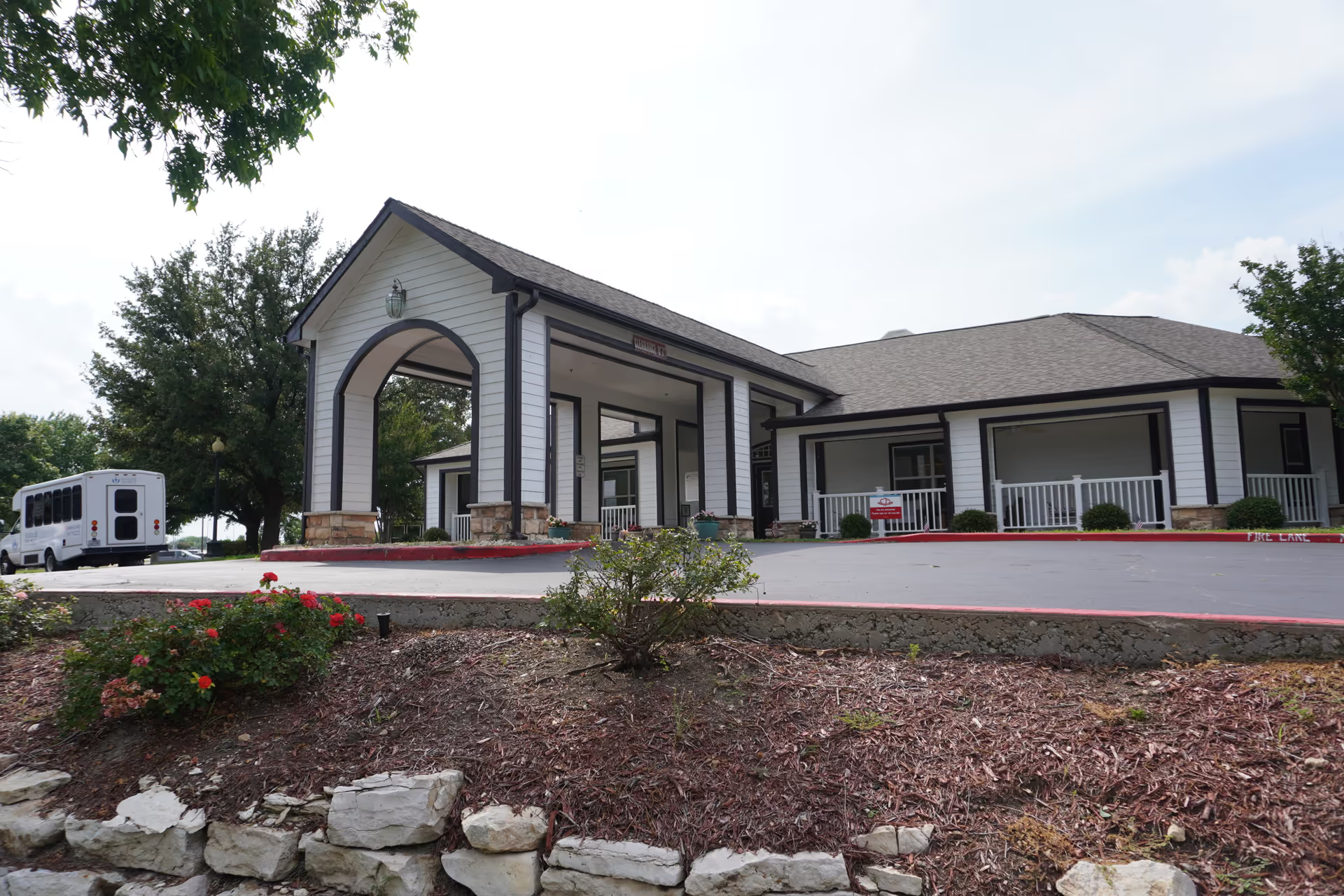
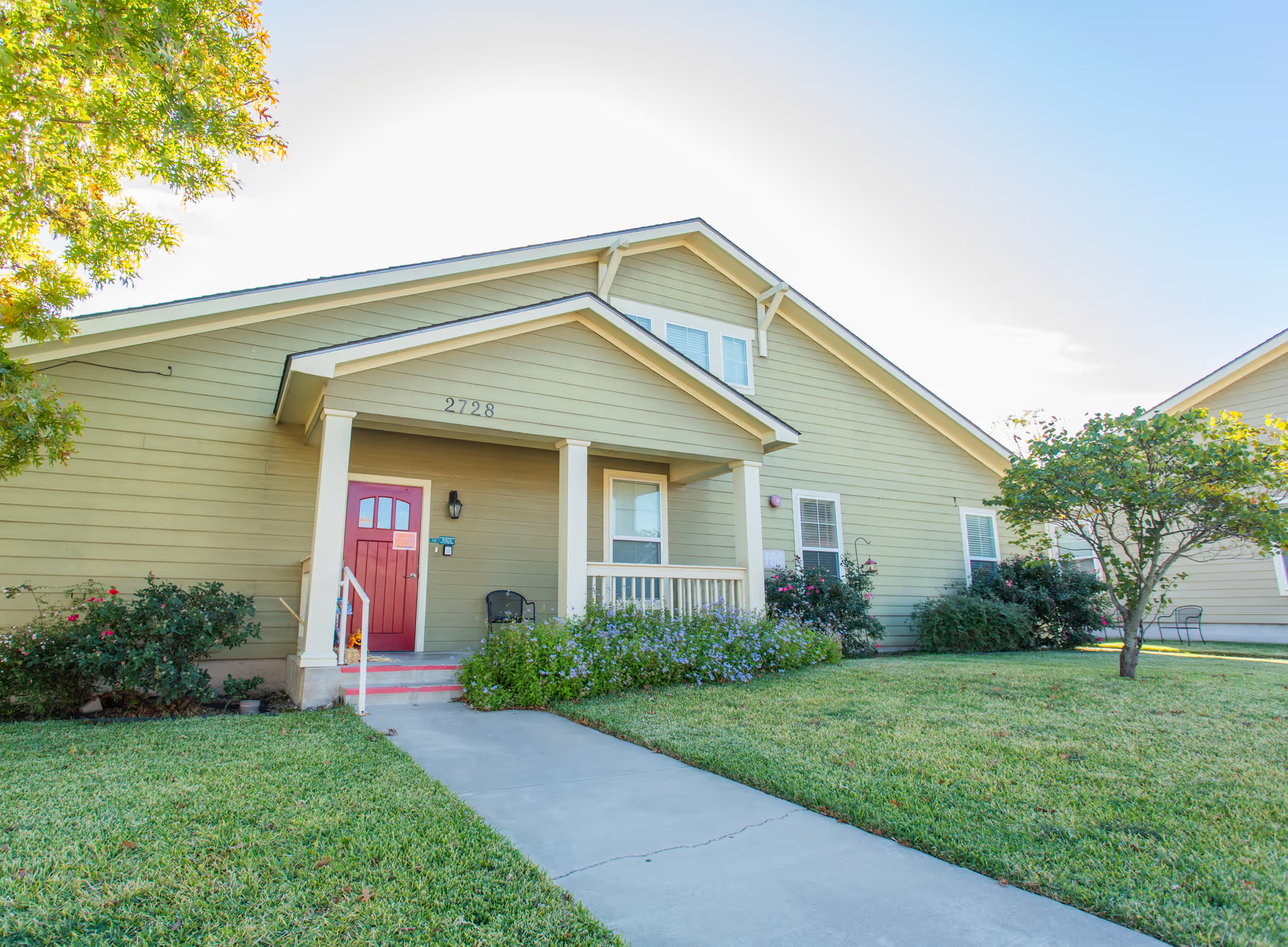
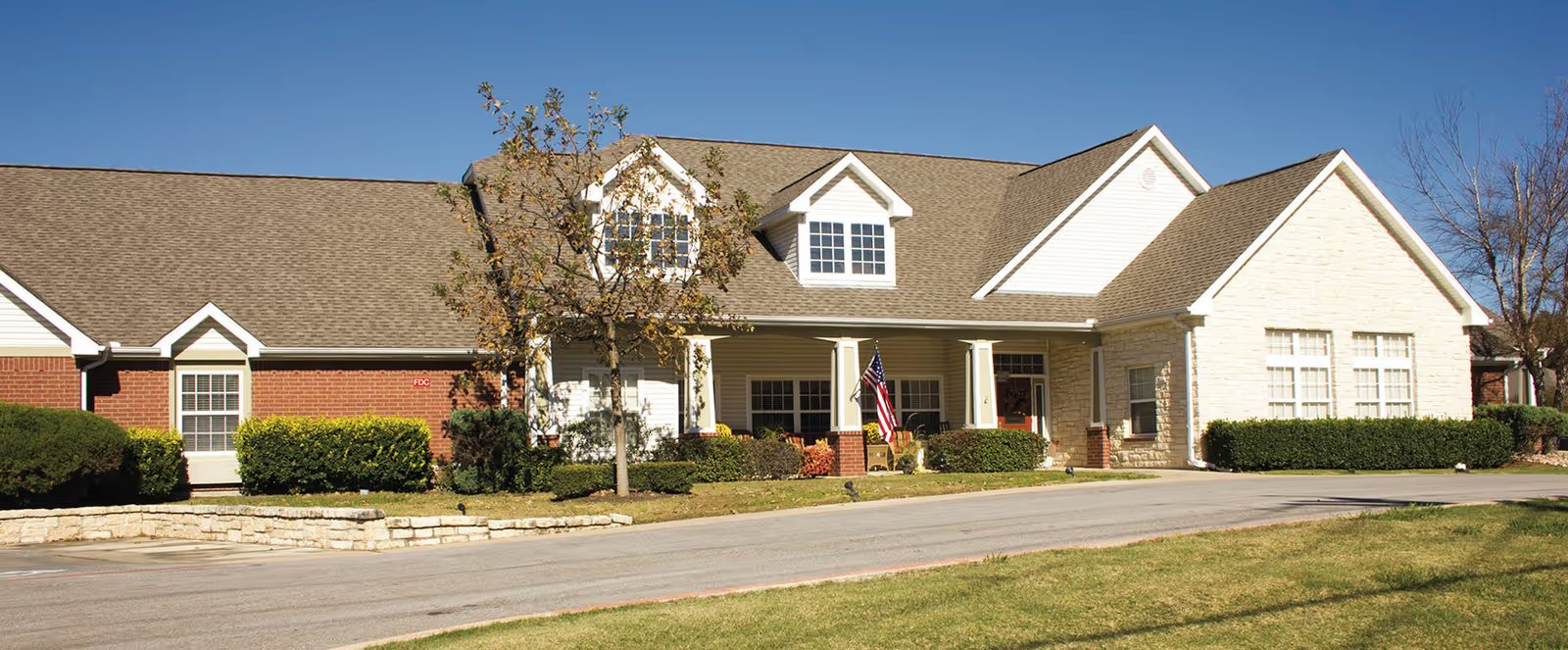
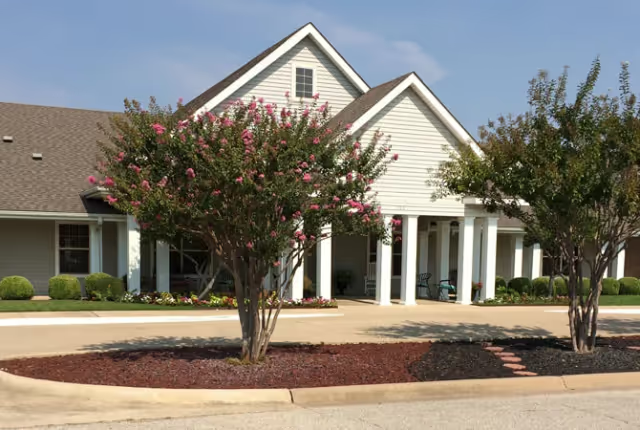
Facility features and management impressions are likewise mixed. The community’s small size, bright decor, memory boards, and secure layout are frequently cited as positives. At the same time, some reviewers noted inconsistent environmental controls (for example, resident rooms described as warmer than administrative areas) and occasional delays with room readiness. Management feedback ranges from hands-on, responsive leadership to instances where families felt regional or on-site managers were unhelpful in resolving concerns. A small number of reviewers referenced formal complaints or legal action; these appear as isolated but notable points for further inquiry.
Notable patterns for prospective families: experiences vary from highly positive to critically concerned, often hinging on staffing consistency, clinical oversight, and management responsiveness. Visitors should observe staffing levels during care times, ask about nurse and physician visit schedules, clarify medication-management and incident-response protocols, review laundry and housekeeping workflows, and tour during meal and activity periods to gauge program quality. Verifying current leadership stability and turnover rates may also help set expectations about consistency of care.