Overall impression is mixed: multiple reviewers describe a compassionate, attentive caregiving team and a robust activity program that supports resident engagement and independence. Families frequently praise nursing and aide interactions, note improvements in mood and cognition for some residents, and report that meals are well-liked. Several accounts also indicate that staff can respond effectively to challenging situations and maintain basic clinical and infection-safety practices.
Care and staff: Many comments emphasize courteous, supportive caregivers and helpful nursing personnel who communicate with families and assist residents with daily living in a way that promotes independence. At the same time, there are significant concerns about inconsistency in care delivery. Operational gaps appear to manifest as delays in attending to personal-care needs and uneven responsiveness across shifts, producing variability in the day-to-day experience for residents and families.
Dining and activities: The dining program receives consistent positive feedback; food quality is described as good and residents generally enjoy meals. Programming is a clear strength — frequent, engaging activities are credited with improving resident mood and promoting social interaction and cognitive stimulation.
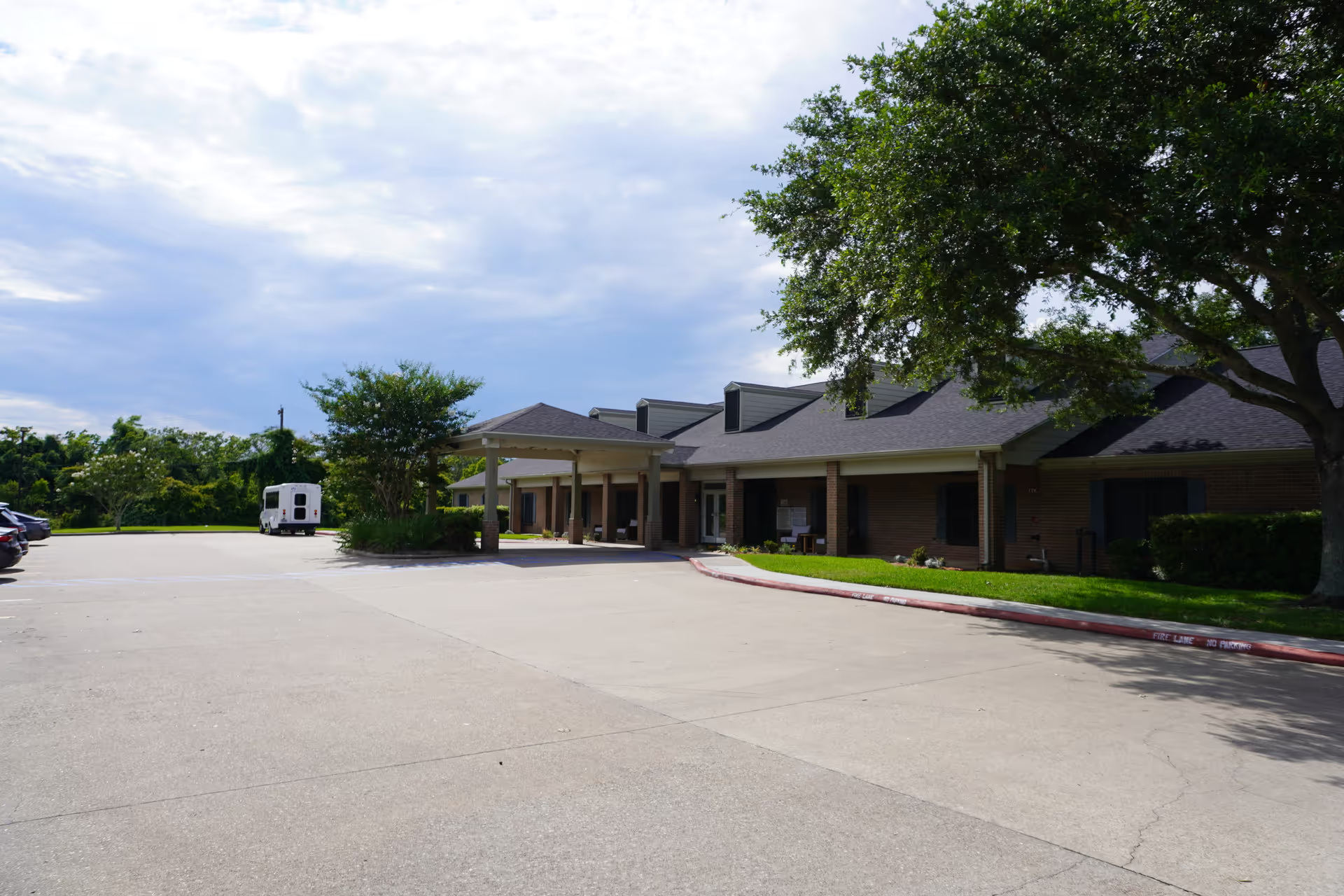
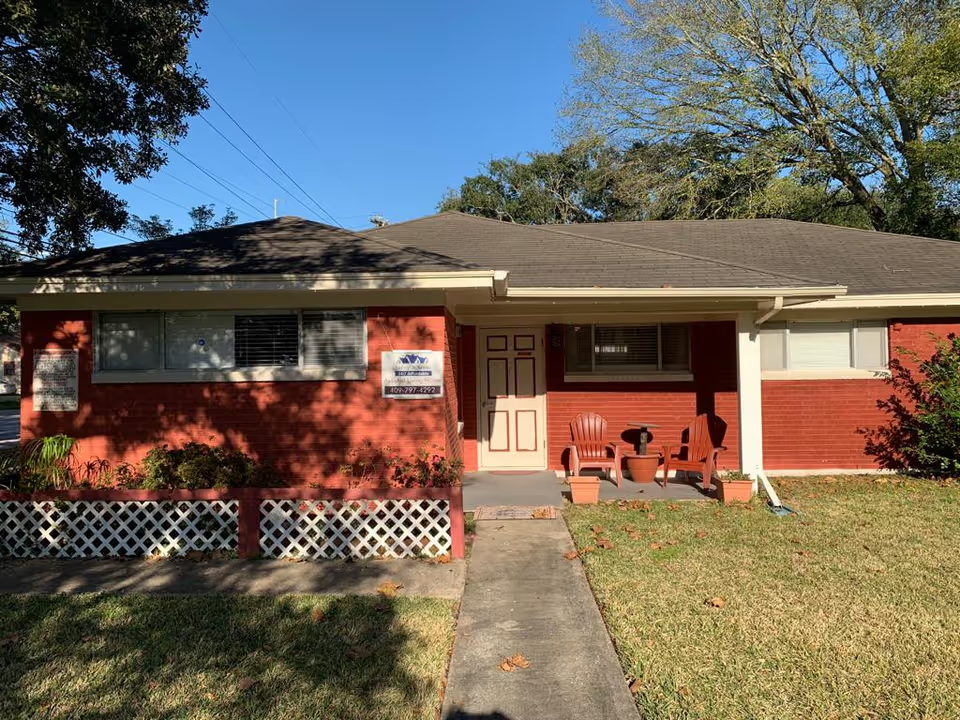
Facilities and cleanliness: Several reviewers identify sanitation and cleanliness shortcomings in resident areas and communal spaces, and the physical environment is described as in need of cosmetic updating to create a brighter atmosphere. These facility-level issues — including housekeeping processes and overall appearance — are an important area for improvement given their impact on resident comfort and family confidence.
Management and safety: Communication from staff is often cited as a positive, but there are documented operational weaknesses around personal-care procedures and building access control. Specifically, visitor check-in and security processes are described as lax in some accounts, which raises concerns about consistent implementation of access and safety protocols.
Notable patterns and advice for prospective families: The strongest signals point to compassionate caregiving, active programming, and satisfactory meals; the clearest weaknesses involve sanitation protocols, consistency of personal-care delivery, and facility upkeep. Prospective residents and families should tour the facility during active hours, ask about bathing and incontinence-care procedures, inquire about staffing levels and shift coverage, review cleaning schedules and recent inspection records, and confirm visitor access and security procedures before making a placement decision.