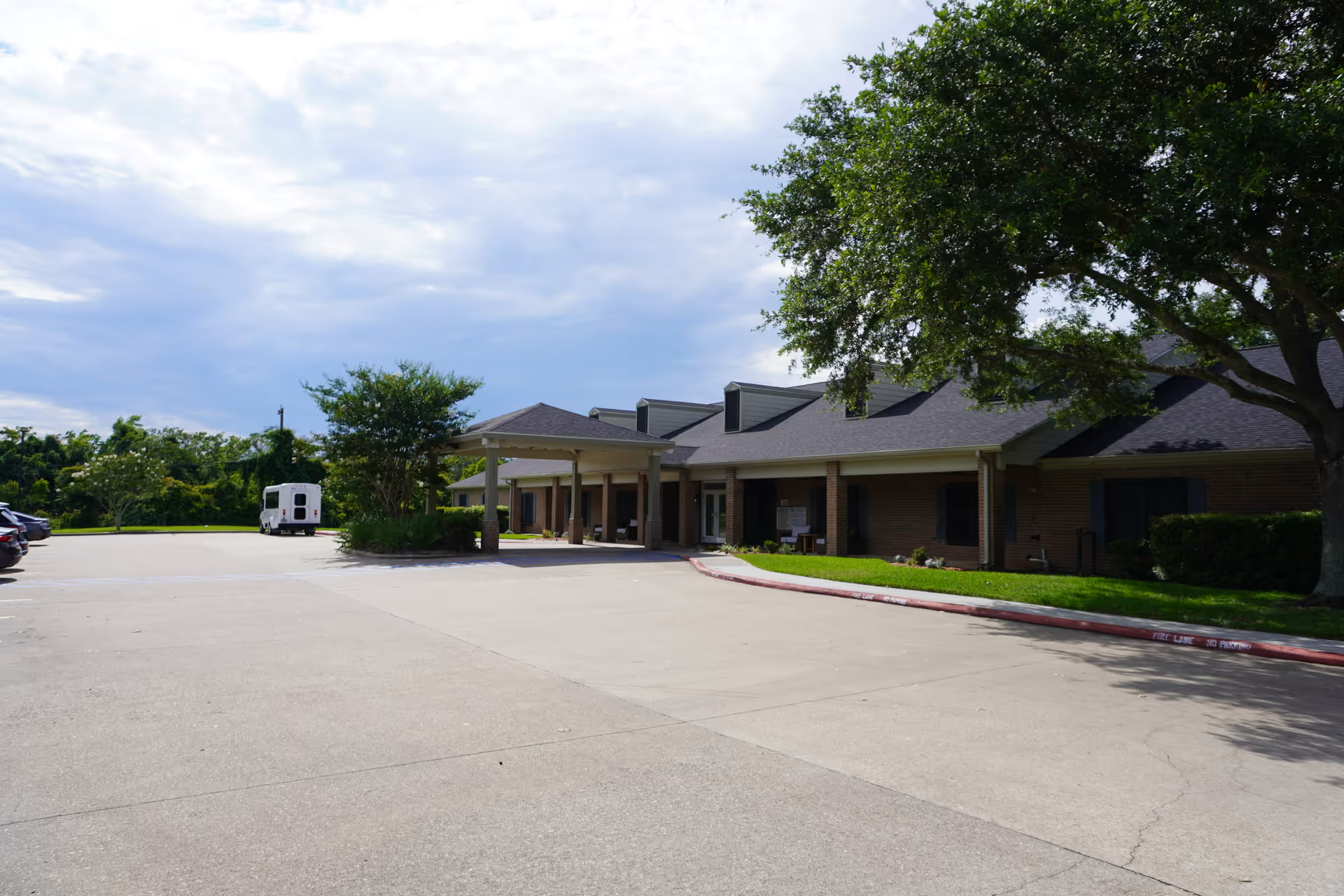
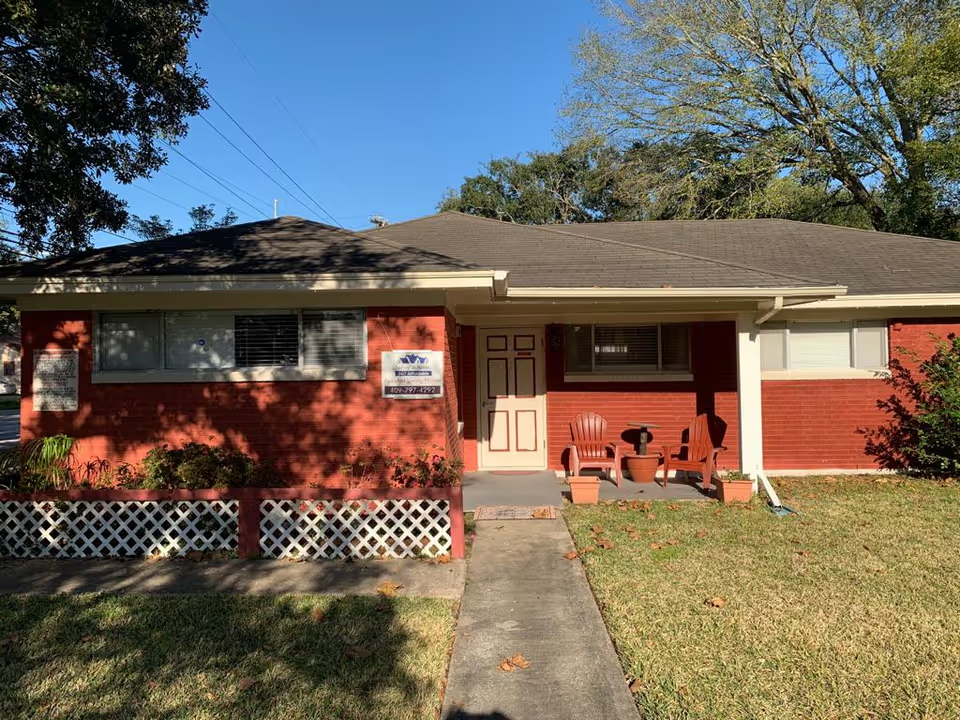
Reviews for Seabreeze Nursing and Rehabilitation present a mixed picture, with distinct strengths in therapy and pockets of consistent concern around basic care processes. Positive accounts emphasize a strong rehabilitation program—physical and occupational therapy teams are frequently described as engaged and effective in helping residents regain mobility and independence. Many families also point to compassionate direct-care staff (nurses and CNAs), personalized care plans, and improved quality indicators following management changes. The facility's outdoor spaces and some well-maintained common areas are noted as pleasant, and several mentions highlight responsive kitchen staff and attractive meal presentation.
At the same time, a substantial portion of feedback raises operational concerns that affect resident experience. Reviews indicate inconsistent staff responsiveness and conduct across shifts, including delays in medication administration and in attending to personal care needs. There are recurrent mentions of incontinence-care and bathing schedule inconsistencies and sanitation issues in specific areas. Safety-related patterns emerge as well: repeated falls, mobility-safety gaps, and pressure-injury prevention shortfalls were cited, along with concerns following a resident's decline. Allegations of theft or withholding of personal items are serious and appear in the feedback.
Communication and administrative processes are another area of variability. Families describe uneven communication from nursing and management, unanswered phones, and voicemail overflow. Admission and bed-assignment processes, including coordination with insurance or Medicaid placement, are also described as unreliable in some cases. Programming and activities receive mixed ratings: therapy-led and engaging activities are praised, but planned gardens or social programming are sometimes reported as not fully implemented. Room-level amenities and furnishing (nightstands, television availability) are noted as inadequate by some families.
Overall, the pattern is one of contrasts: strong therapy and several examples of attentive, professional care coexist with recurring operational weaknesses that can materially affect daily living and safety. Prospective families should verify current staffing levels and turnover, review the facility's medication-administration and pressure-injury prevention protocols, ask about personal-belongings security measures, and request recent quality metrics and inspection outcomes. A focused tour that includes conversations with the rehab team, nursing leadership, and dining services—plus checks of resident rooms and the courtyard—will help assess whether the facility's positive elements are consistent and whether the cited weaknesses have been addressed.