Reviewer impressions of Lawrence Street Health Care Center are highly mixed, with clear strengths in clinical rehabilitation, wound care, hospice support and many personnel, alongside recurring operational weaknesses that have materially affected some families.
Care and clinical services: Many families praised the clinical teams — physical and occupational therapy, wound-care nursing, and onsite physicians/nurse-practitioners — for producing measurable recovery and pain-controlled outcomes. The facility is also able to provide hospice and end-of-life services, and some reviewers described coordinated transitions to appropriate hospice care. However, there are recurring concerns about clinical reliability: reviewers described medication delays or prescription-processing errors, inconsistent therapy delivery, and instances where ordered interventions were not completed in a timely manner. A small number of accounts describe serious clinical escalation issues that resulted in hospitalization; these raise questions about escalation procedures and clinician responsiveness.
Staff and culture: Numerous reviews highlight compassionate, attentive caregivers, friendly CNAs, and staff who create a warm, family-like atmosphere. Some units report long-tenured teams and strong teamwork. Conversely, staffing shortfalls and high turnover are also recurring themes — reviewers link understaffing to delayed responses, missed personal-care tasks, and supervisor accountability gaps. Management visibility is mixed: several reviewers commend accessible leadership and individual managers, while others describe a perceived administrative focus on business issues or inconsistent follow-through on complaints.
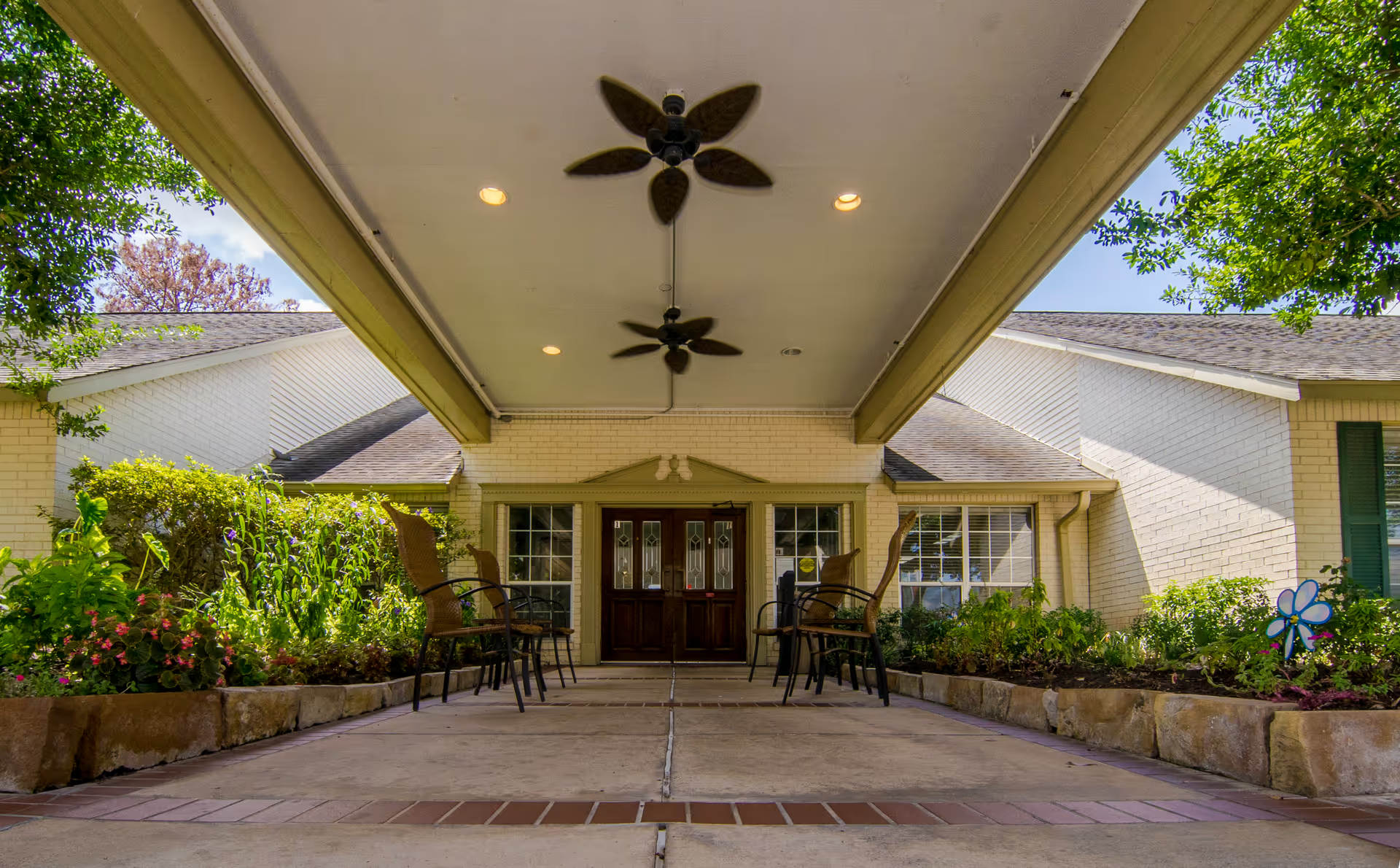
Dining and activities: Dining receives generally positive comments about food quality and accommodating dietary staff, with examples of staff dining with residents and appealing meals. At the same time, some families report variable meal quality across shifts or units. Activity programming, social meals, outings, salon services and outdoor spaces (patio, trees, flowers) are cited as strengths that support resident engagement.
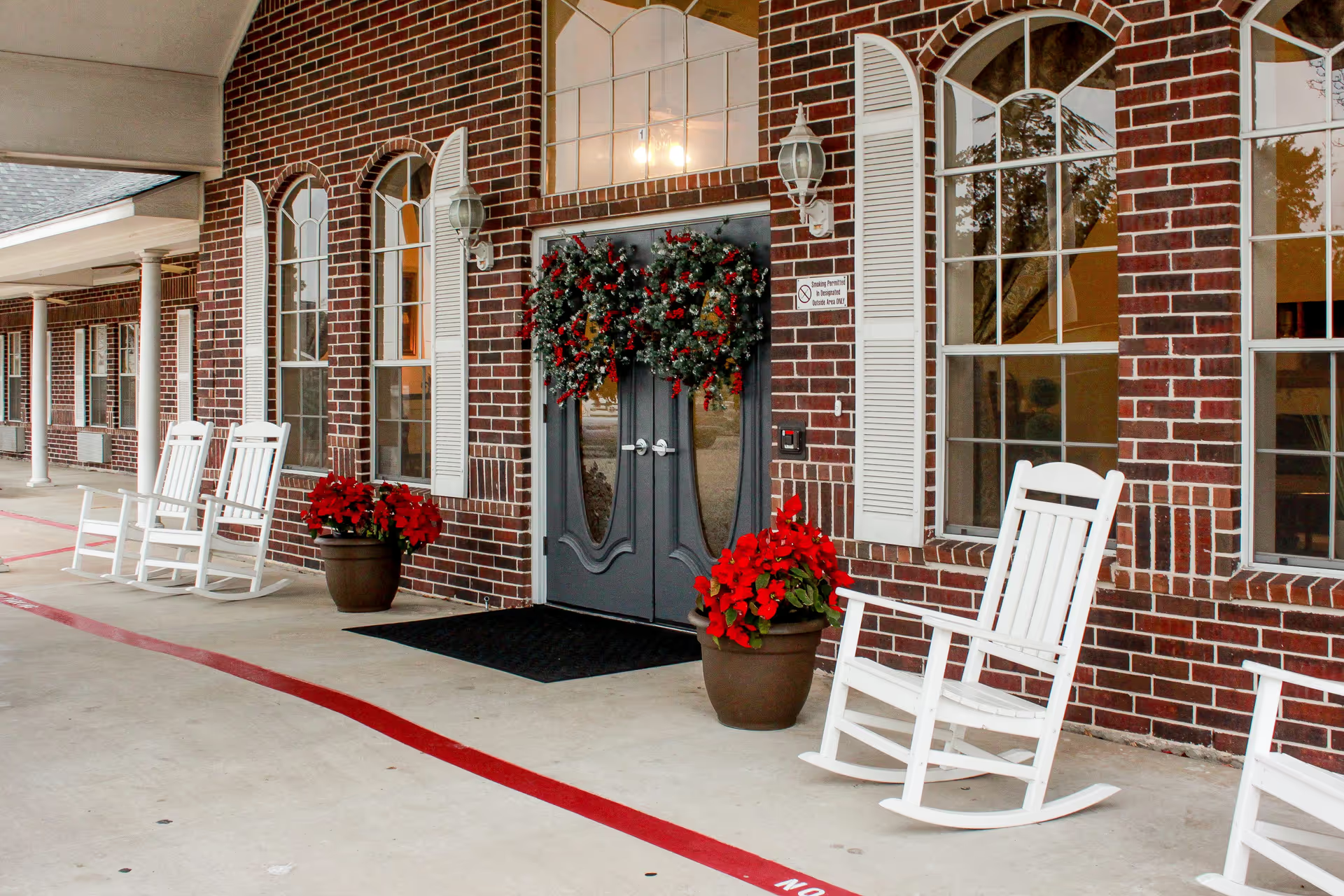
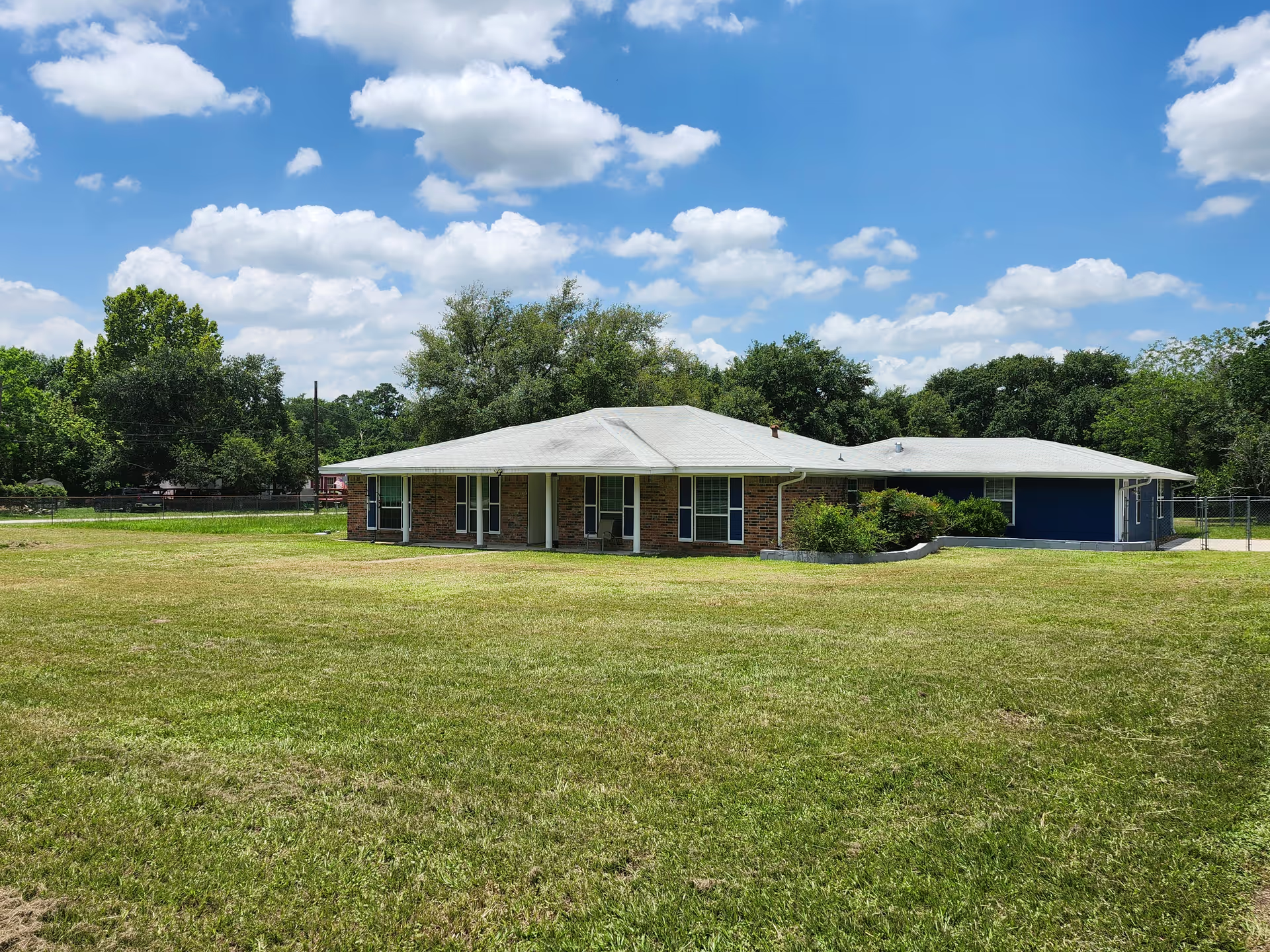
Facilities and safety: The physical plant shows variability. Portions of the building are described as updated, clean and hotel-like, with large private rooms and en-suite bathrooms, while other areas are characterized as older with small shared rooms and in-need-of-repair items. Safety-related concerns include supervision gaps contributing to falls, inconsistent personal-hygiene assistance, and reports of missing belongings; these point to weaknesses in supervision, property controls and fall-prevention practices.
Management and communication: Communication and administrative responsiveness are polarizing. Several reviewers praised business managers and admissions staff for being helpful, providing Medicaid guidance, and making families feel welcome. Others report poor follow-up on complaints, lack of accountability, and misalignment between promised services (for example, memory-care capabilities or private-room availability) and delivered services.
Notable patterns and recommendations for prospective families: Overall impressions range from highly positive — particularly for short-term skilled rehab, wound care and compassionate staff — to seriously concerned regarding operations tied to staffing, medication management and supervision. Prospective residents and families should tour the specific unit they would occupy, ask for current staffing ratios and turnover information, request written protocols for medication administration and clinical escalation, verify memory-care specifics in writing, and inquire about property-inventory policies. Doing so can help clarify whether the facility’s strengths align with an individual’s clinical needs and expectations.