Overall impression: Reviewers consistently emphasize the quality of interpersonal care at Morada Victoria. Staff across roles — aides, nurses, activity coordinators, and leadership in the Memory Care unit — are described as compassionate, attentive, and family‑oriented. Many accounts highlight strong family communication, prompt updates, and supportive transitions to hospice or end‑of‑life services. For families prioritizing relational care and a community feel, Morada Victoria is frequently characterized as a positive, welcoming option.
Care quality and clinical concerns: Numerous comments praise individualized care, especially within the Memory Care unit, where leadership and staff are viewed as knowledgeable and steady. At the same time, reviewers have flagged operational weaknesses that could affect clinical outcomes: staffing levels appear to fluctuate by shift (notably overnight), there are expressed concerns about medication management practices, and several narratives point to mobility‑related incidents that indicate gaps in fall‑prevention and transfer safety. Prospective families should inquire about staffing ratios by shift, medication‑administration protocols, and formal fall‑risk mitigation strategies.
Dining and activities: Dining is generally seen as a strength; reviewers note good variety, pleasant meals, and positive reception by residents. The activity program receives repeated praise for daily options, fitness classes, line dancing, bingo, and community outings, often coordinated by an energetic events coordinator. These offerings contribute to an engaged resident life and a sense of community among families and residents.
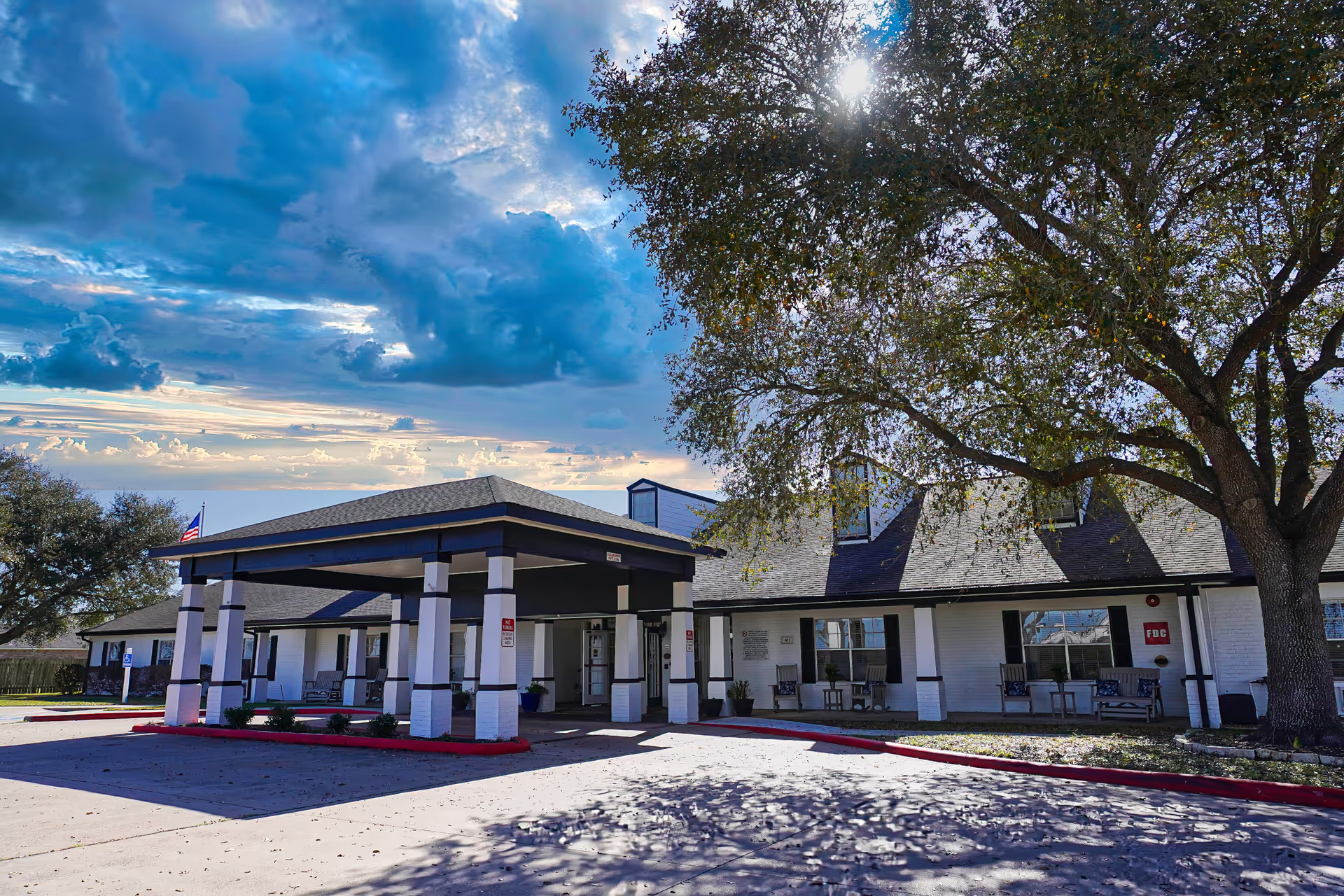
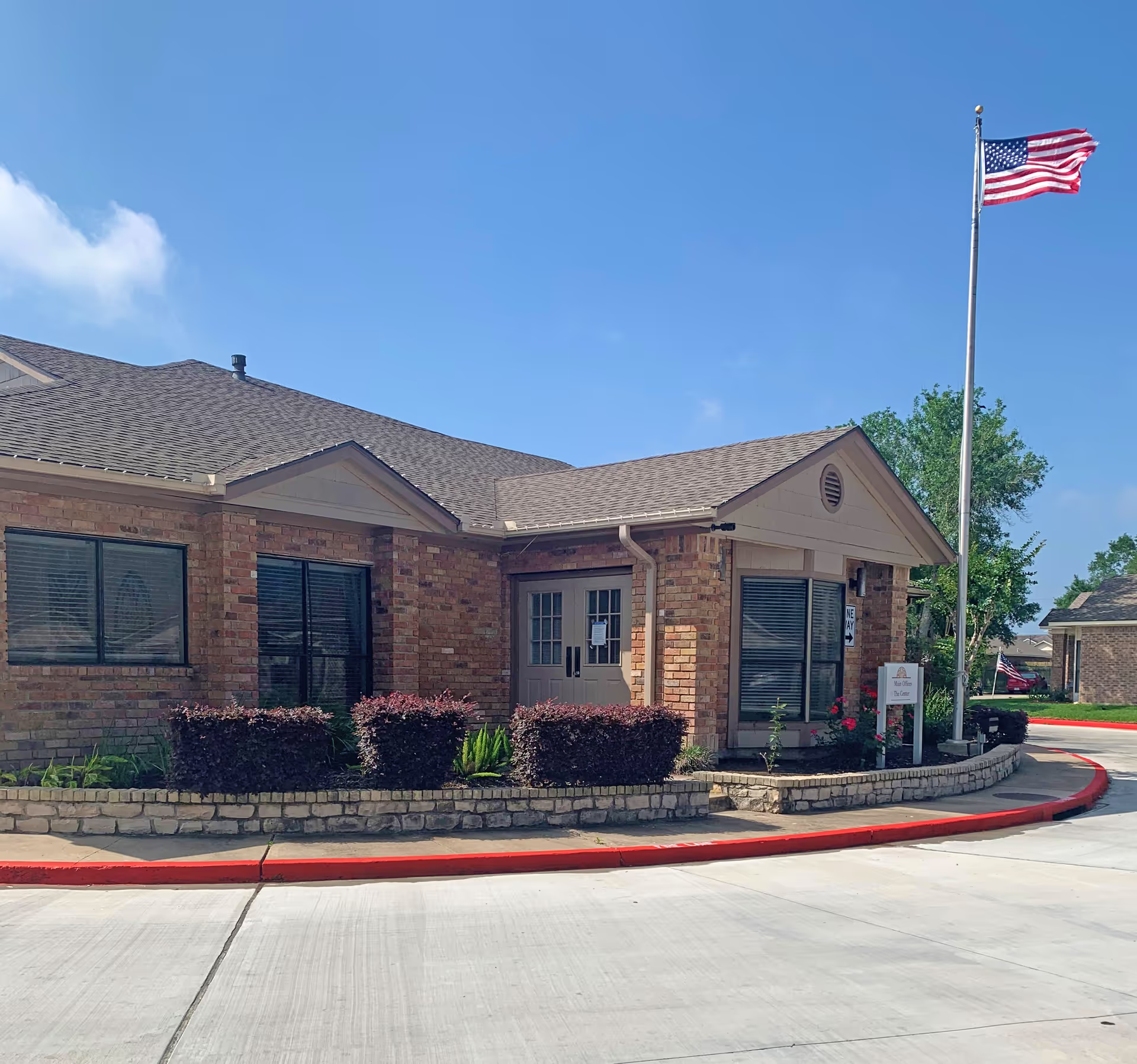
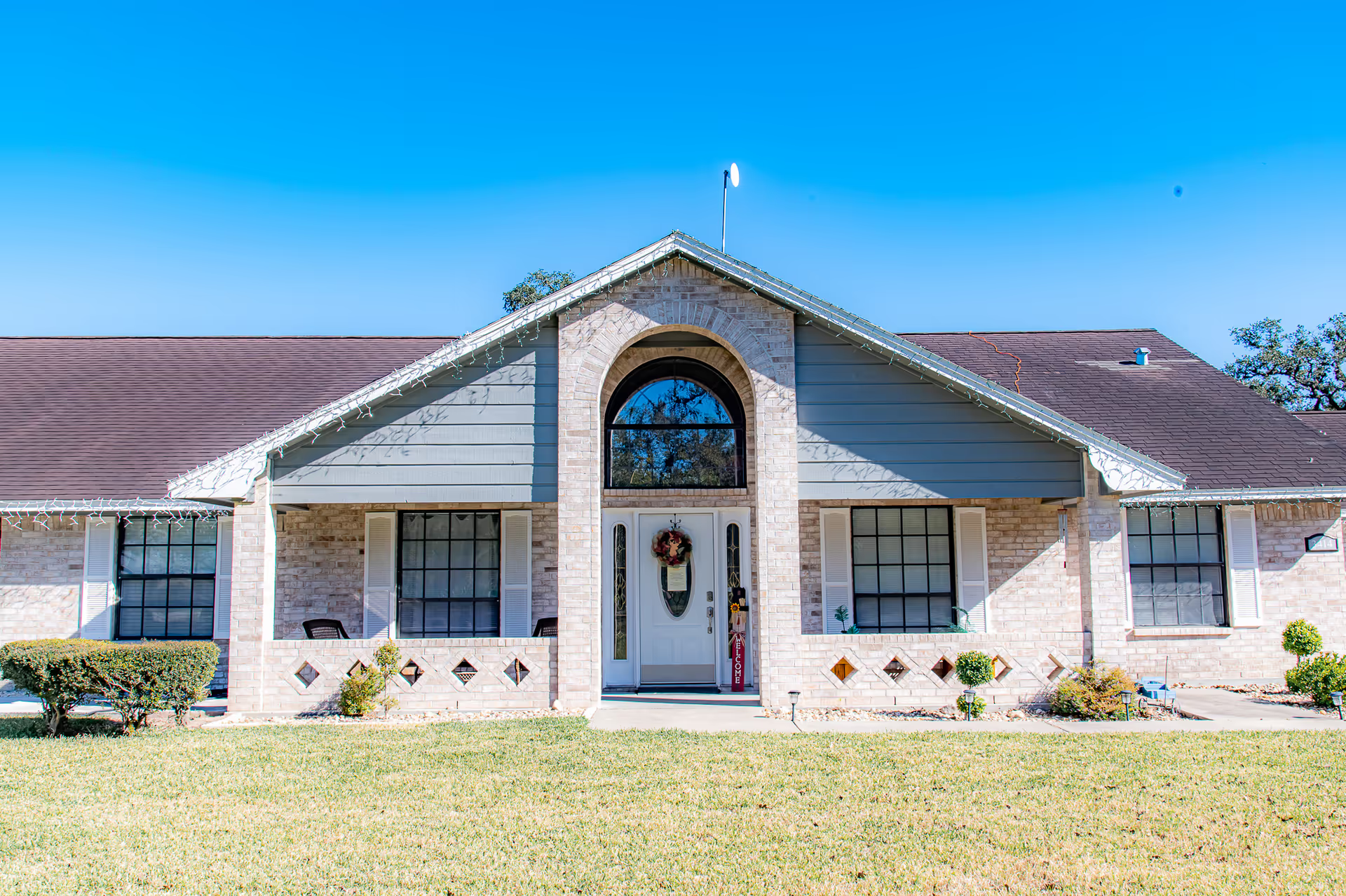
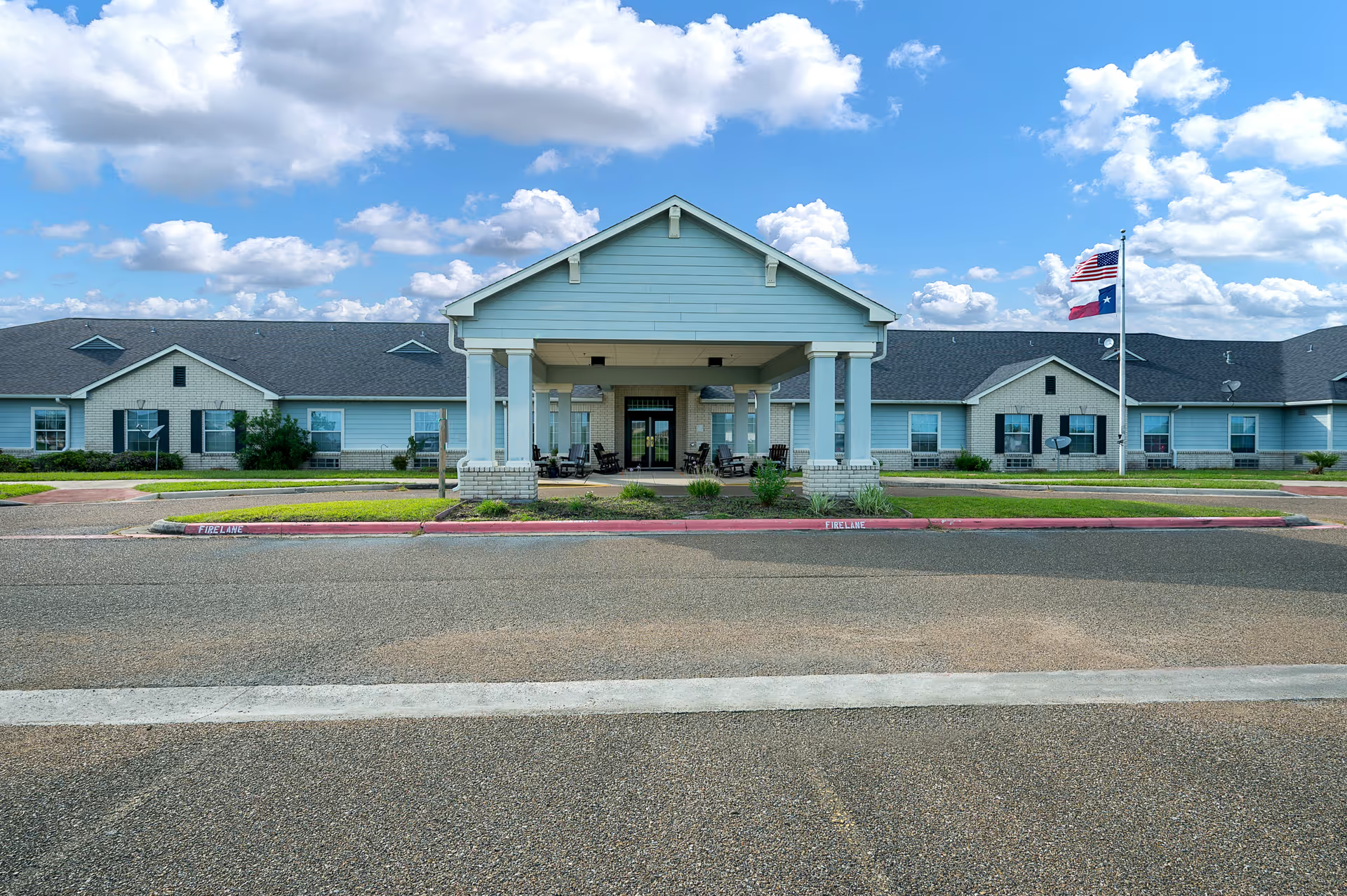
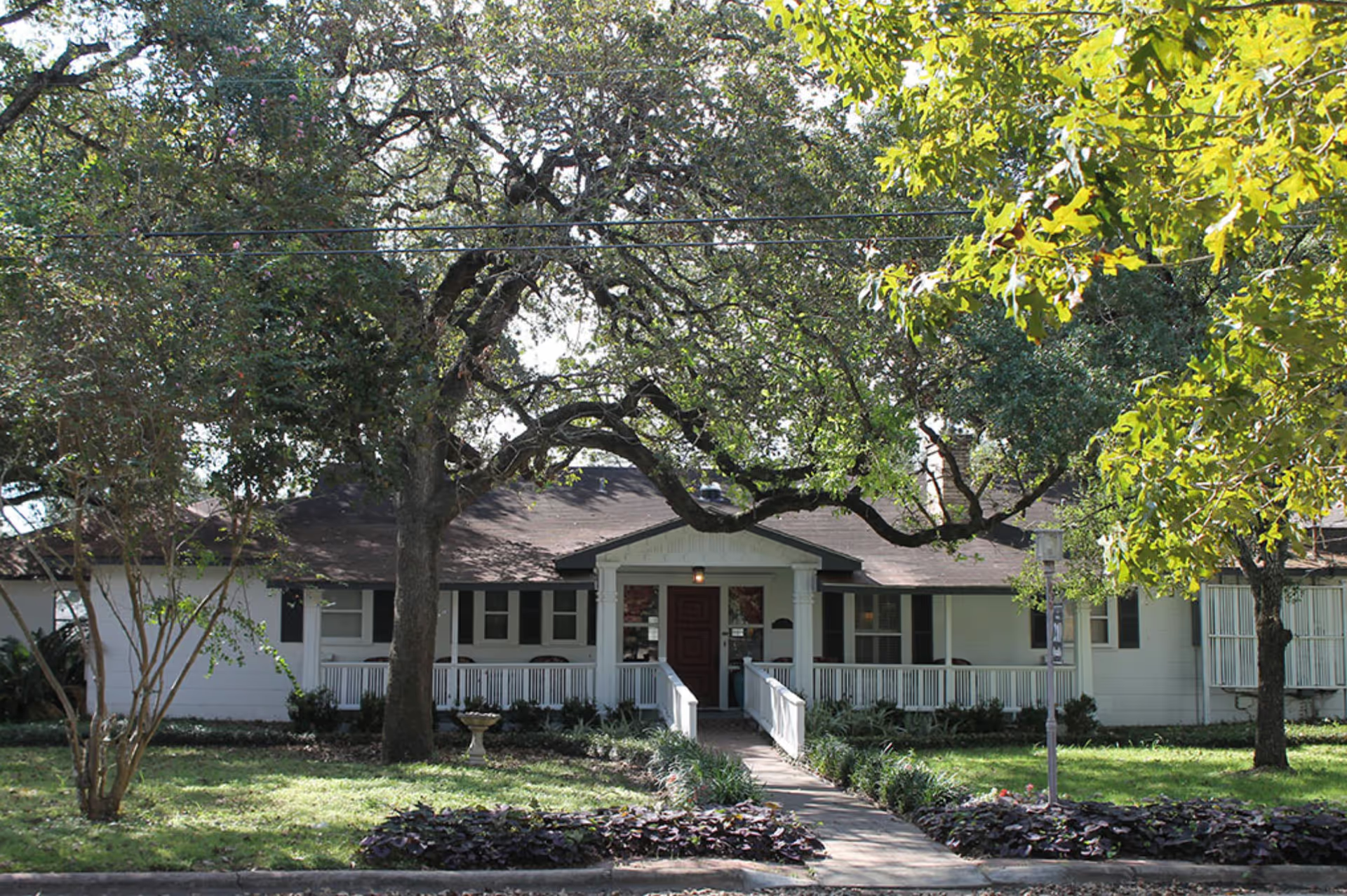
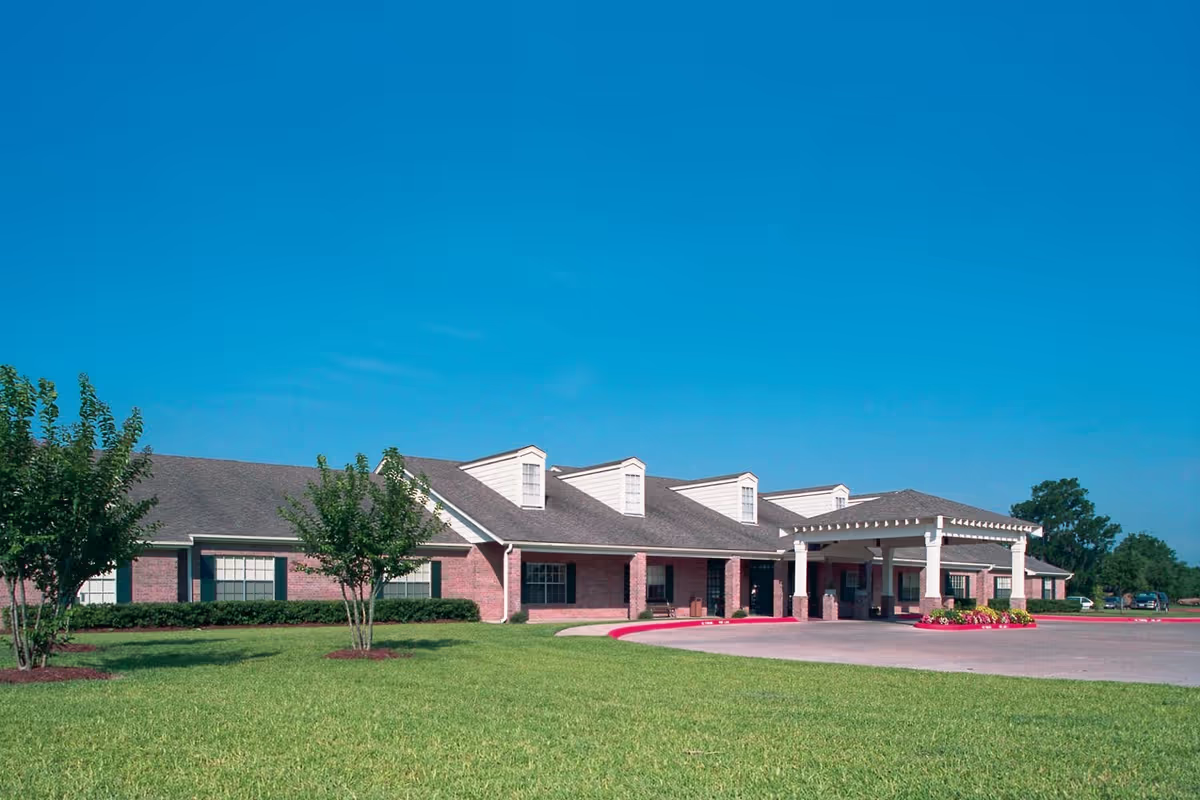
Facilities and cleanliness: Many reviewers describe the building and grounds as attractive, well maintained, and clean, with pleasant decor, gardens, and walking paths. However, there are isolated sanitation and odor concerns in some common areas and specific mentions of mold and pest issues. These indicate unevenness in environmental maintenance and pest‑control effectiveness. Interested parties should ask about recent maintenance records, pest‑control measures, and remediation timelines.
Management, value, and operations: Administrative staff and the admissions team are frequently praised for being helpful and responsive. At the same time, cost is a recurring issue: pricing is viewed by some as significantly higher than expected for the market, affecting perceived value. Service scope varies by level of care (for example, independent living housekeeping frequency is limited in some tiers), and reviewers note variable responsiveness to maintenance and pest concerns. Before committing, families should review contract inclusions, housekeeping schedules, and the facility’s policy for addressing maintenance and environmental complaints.
Notable patterns and recommendations: Morada Victoria’s strongest, consistent theme is the quality of its people—caregivers and activity staff who create a welcoming, engaged environment. Counterbalancing strengths are operational items that could materially affect safety and comfort: staffing stability across shifts, medication‑management controls, fall‑prevention practices, and environmental maintenance (pest/mold remediation and sanitation). Prospective residents and families should tour multiple areas of the community, request current staffing ratios and incident‑response procedures, review medication and fall‑risk protocols, and obtain documentation of recent maintenance/pest‑control actions. Those steps will help confirm whether the facility’s strong interpersonal care is matched by the operational safeguards needed for clinical safety and long‑term value.