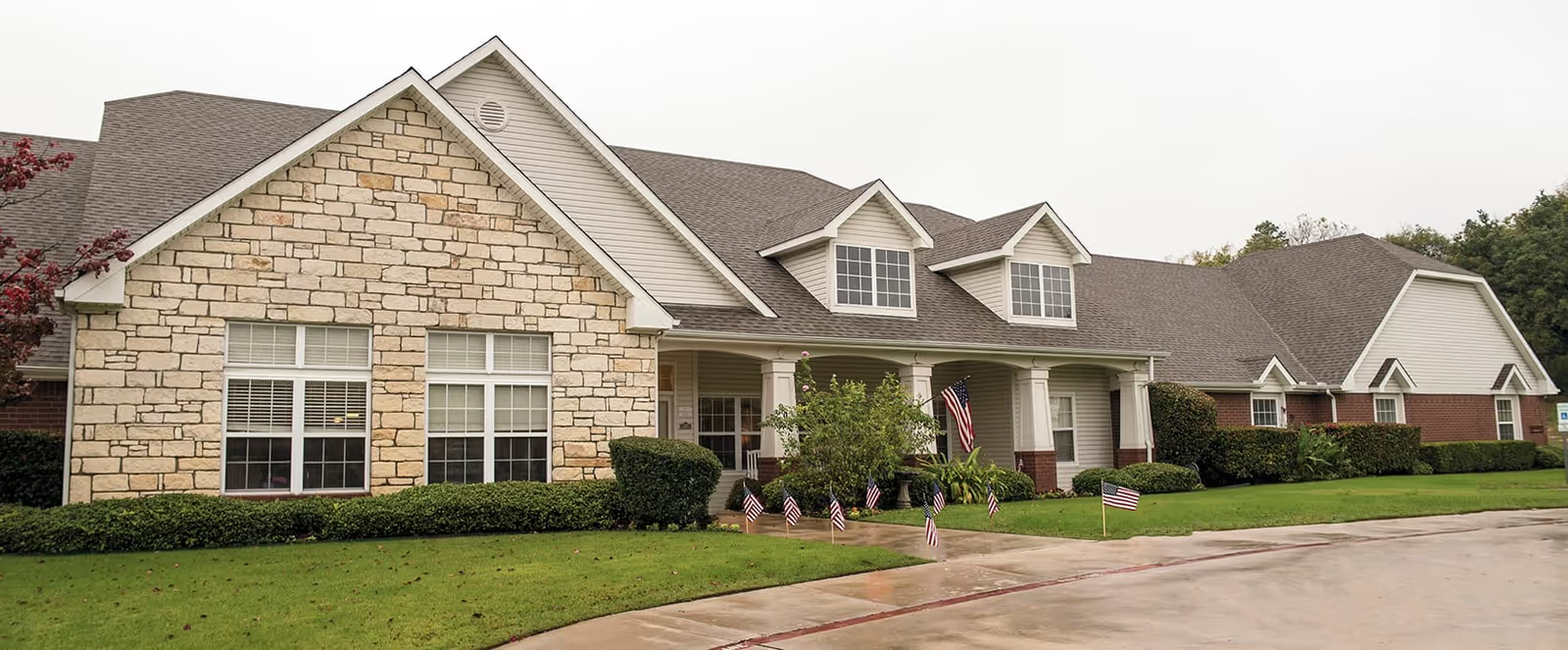
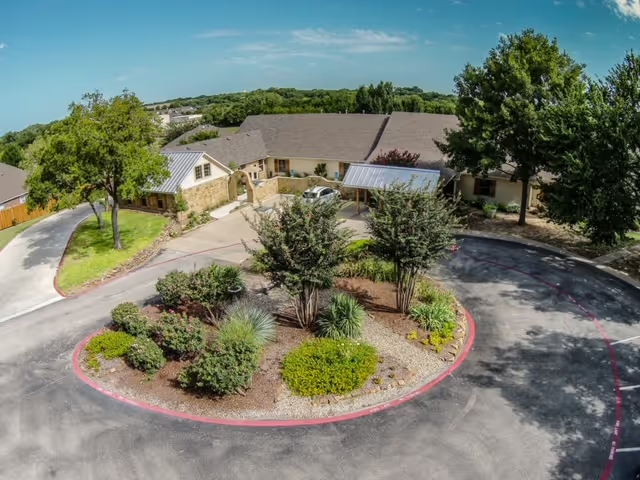
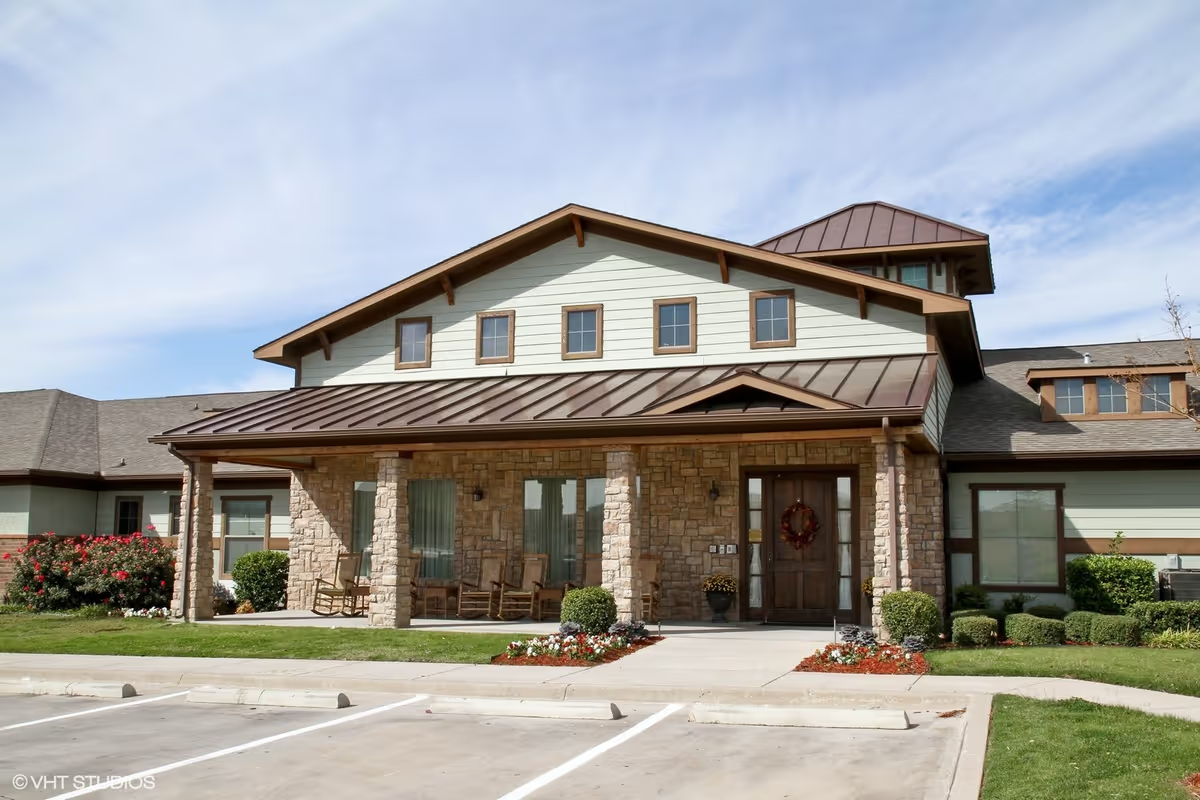
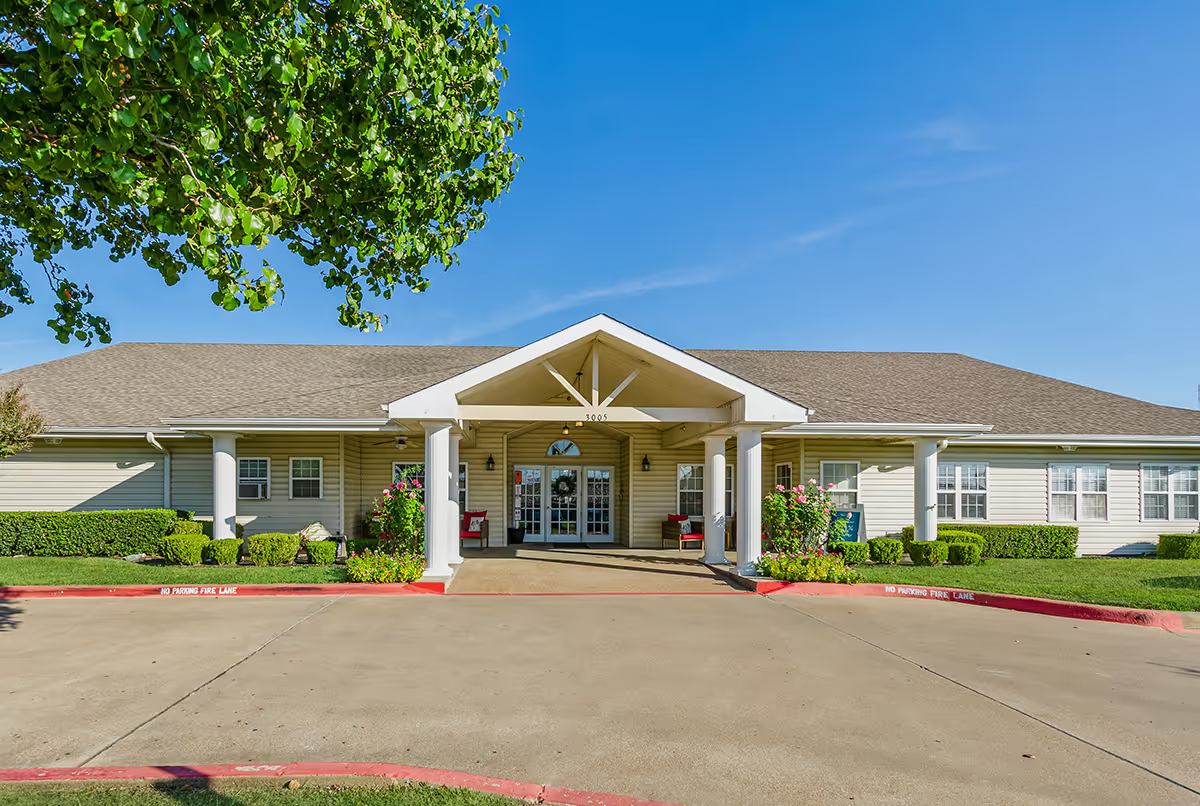
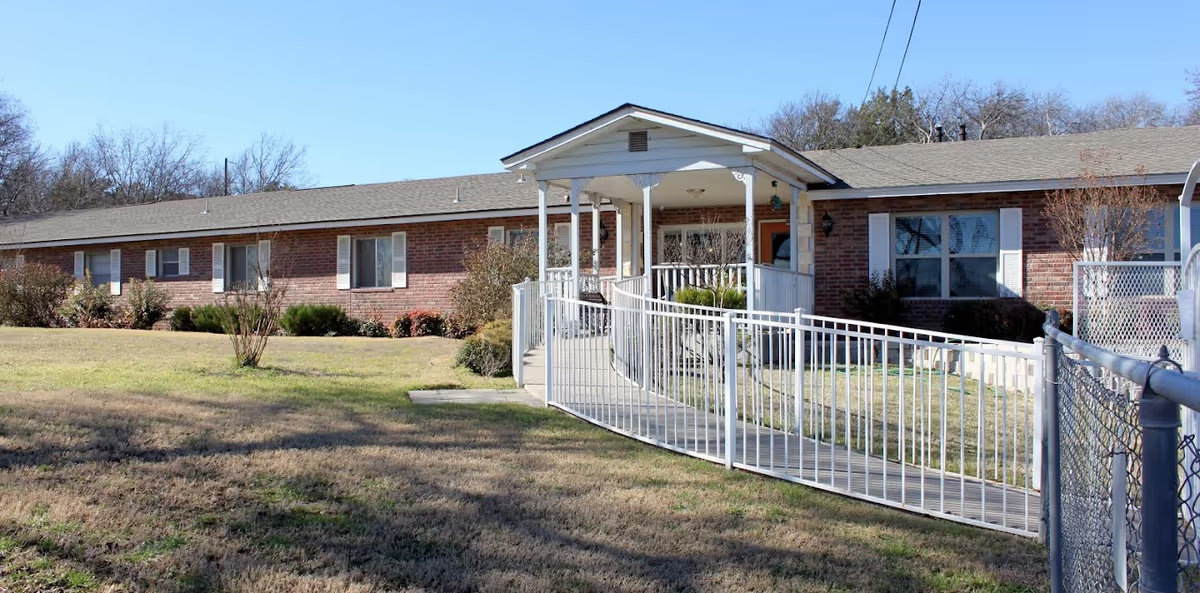
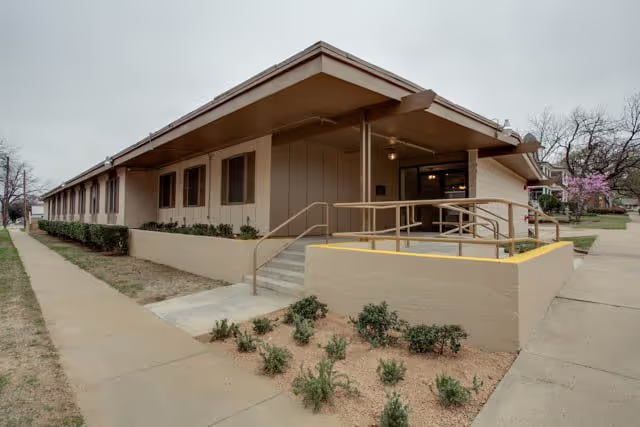
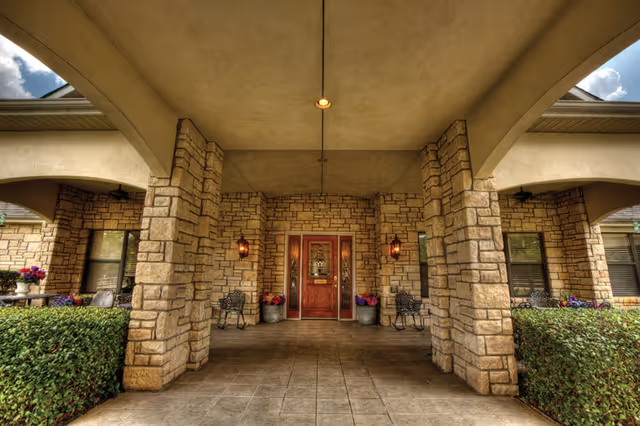
Keeneland Nursing & Rehabilitation elicits strongly mixed impressions. Many families and visitors describe the facility as warm, clean, and well maintained, with housekeeping and kitchen staff singled out for positive service and occasional special meals. The administrative and office staff are frequently described as responsive and helpful, and reviewers commonly note a caring, family-like attitude among many CNAs and nurses. Therapy services — particularly physical and occupational therapy — receive positive comments for competence and effectiveness, and the facility offers engaging activities including dementia-focused programming.
At the same time, reviewers describe significant variability in day-to-day clinical care. The most common operational concerns are inconsistent caregiver performance and bedside technique among nursing assistants, and unreliable therapy scheduling and follow-through. Several accounts point to gaps in wound care and pressure-area management and to delays in basic comfort measures such as repositioning; these are described as care-process weaknesses rather than isolated administrative oversights. Medication management and documentation are another area of concern for some families, and there are statements alleging misconduct that include medication and documentation issues as well as restricted family access; such claims have prompted regulatory scrutiny according to the reviews.
Management and staff culture present a mixed picture. Some reviewers praise proactive leadership, staff training sessions, and conscientious employees who go beyond their duties. Others describe inconsistencies between shifts or units, resulting in uneven resident outcomes and divergent family experiences. Dining and social programming are frequently noted as strengths, with positive remarks about food quality and resident engagement, while the physical environment is generally characterized as clean and welcoming.
For prospective residents and families, the key pattern is variability: strong elements are present and meaningful for many, but there are operational weaknesses that have affected care continuity and clinical outcomes for others. Recommended areas to probe during a tour or intake conversation include current staffing levels and turnover, wound-care and pressure-area protocols, therapy scheduling processes, medication administration and documentation practices, and any recent regulatory findings or corrective actions. Reviewing state inspection reports and asking for recent family references can help gauge whether the positive practices described are consistent and persistent across the facility.