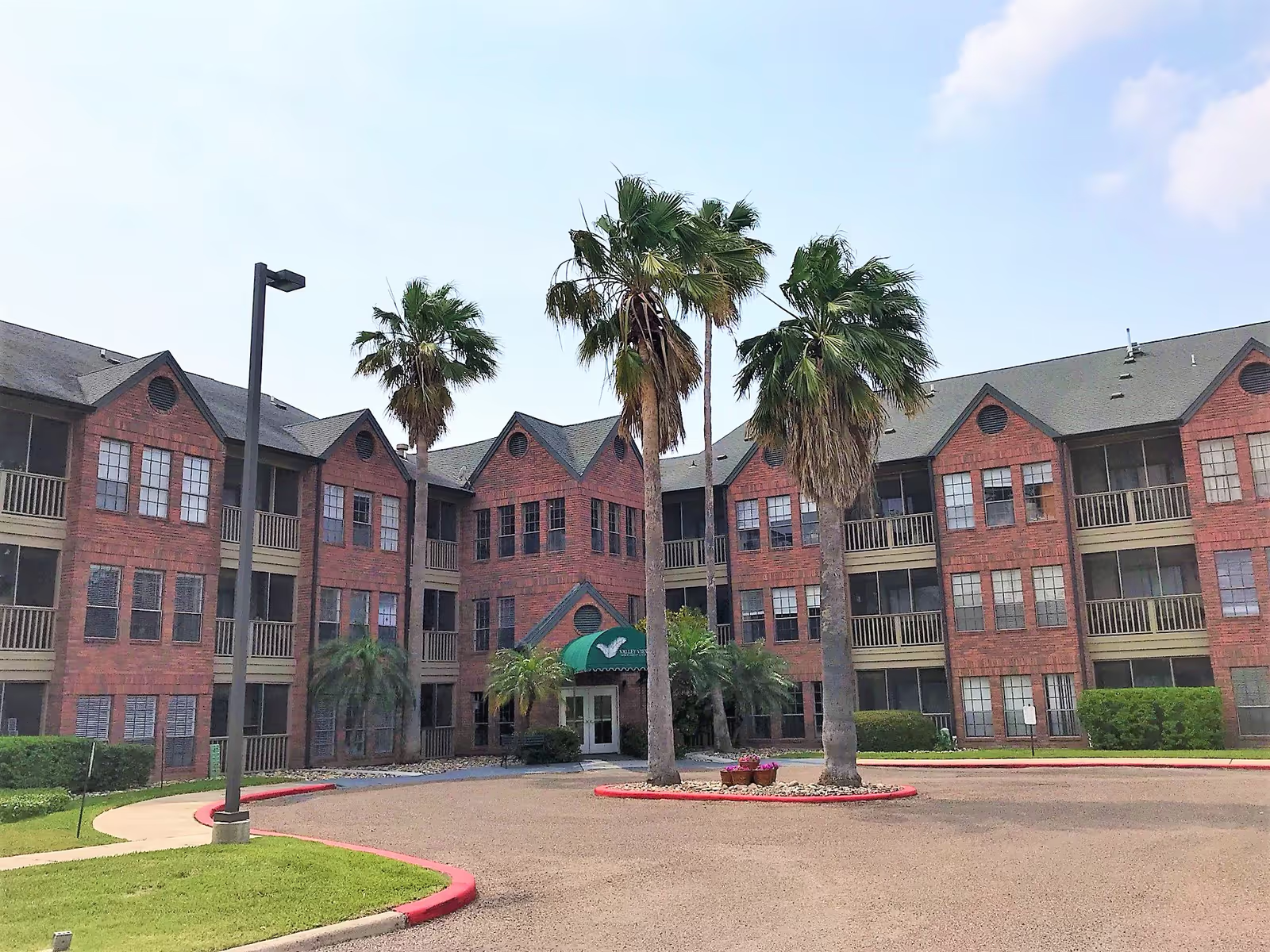
The reviews present a mixed but informative picture of Weslaco Nursing and Rehabilitation Center. Strengths are concentrated in direct care and rehabilitation: many families and residents praised compassionate nurses and CNAs, a skilled physical/occupational therapy team, and an effective wound-care program. Several accounts describe rapid functional improvement during rehab stays, and activities staff and leadership are frequently credited with creating a welcoming, engaging environment. Admissions, case-management, and certain administrative staff receive positive mention for helpfulness and coordination when the system is functioning well.
At the same time, a clear pattern of operational variability emerges. Reviewers repeatedly describe uneven staff responsiveness, with particular concerns about overnight staffing and slow responses to call buttons. These delays are linked to longer wait times for assistance and heightened fall risk for residents who need help mobilizing. Relatedly, there are multiple notes about medication-administration issues and monitoring gaps — including specific concerns about insulin management and delayed medication delivery — which suggest the facility may have weaknesses in medication oversight and cross-shift handoffs.
Dining and nutrition also show mixed performance. Some reviewers complimented meal quality and praised kitchen staff; others reported that clinical dietary needs (for example, renal and diabetic diets) were not consistently accommodated and that some menu items were inappropriate for restricted diets. This points to inconsistencies in the clinical nutrition management workflow and in communication between nursing, dietary staff, and families.
Several operational and environmental themes recur: communication and care-coordination deficits related to room moves and discharge planning, variability in staff tone and professionalism, irregular availability of personal-care services (such as daily bathing), and noise and roommate-related disturbances that affect sleep. A subset of reviewers raised sanitation and pest-control concerns and inconsistent housekeeping standards in certain units, indicating that environmental management may be uneven across the building.
There are isolated but serious allegations involving prolonged device maintenance and infection concerns; these are outlying descriptions that, if accurate, would warrant investigation by families and regulators. More commonly reported are accountability and follow-through gaps between shifts and units — for example, morning shifts described as attentive while night shifts are characterized as slower and less responsive.
For prospective residents and families: the facility appears capable of delivering high-quality rehabilitation and compassionate bedside care under favorable staffing conditions, and activities and therapy programs can be strong contributors to recovery and quality of life. At the same time, families should explicitly confirm protocols for medication administration and monitoring, diet customization for chronic conditions, nighttime staffing levels, toileting and bathing schedules, pest-control policies, and how the facility communicates about room changes and discharge. Visiting at different times (including nights and weekends) and speaking directly with nursing leadership and the clinical nutritionist can help set expectations and identify unit-level differences before admission.