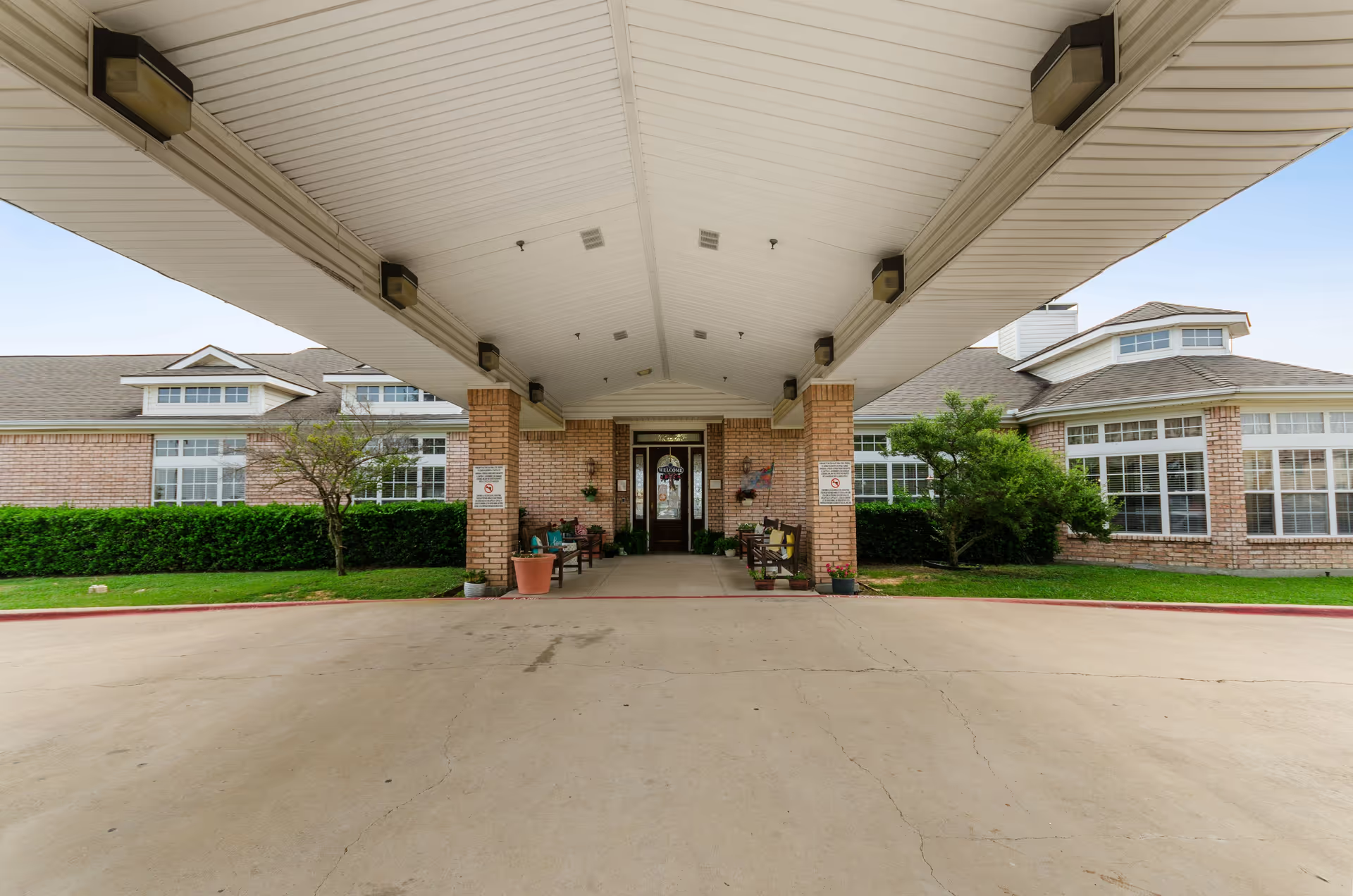
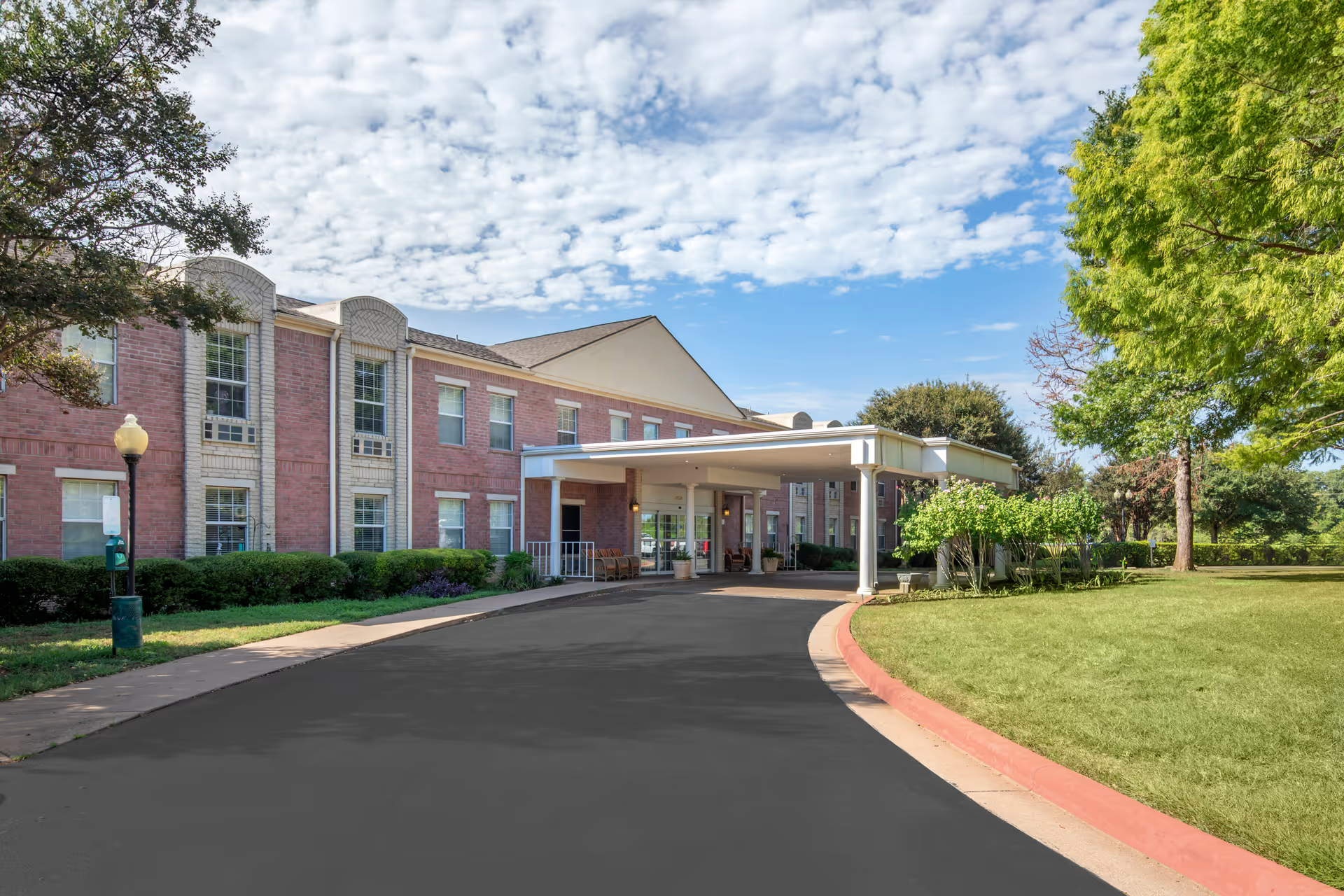
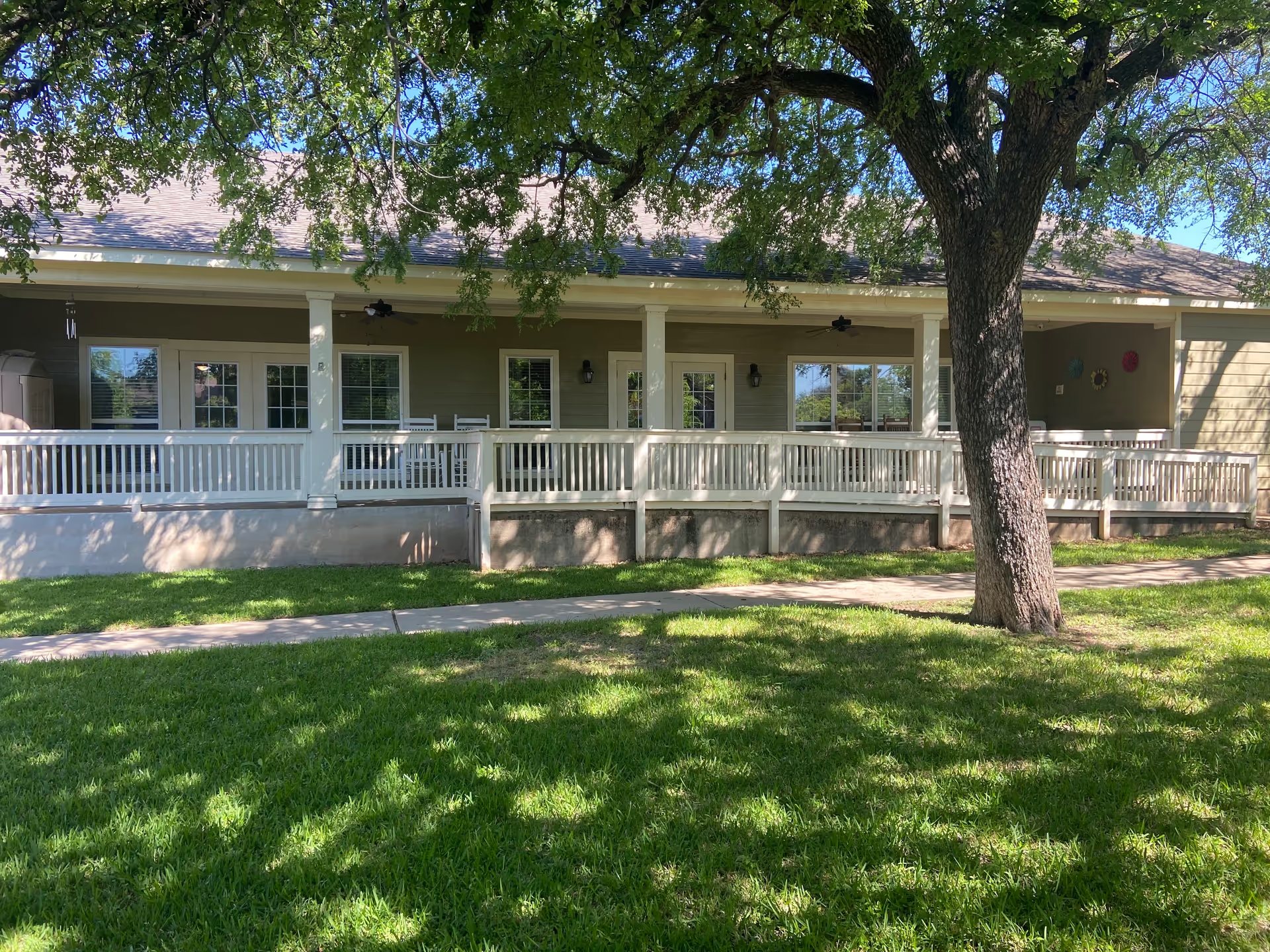
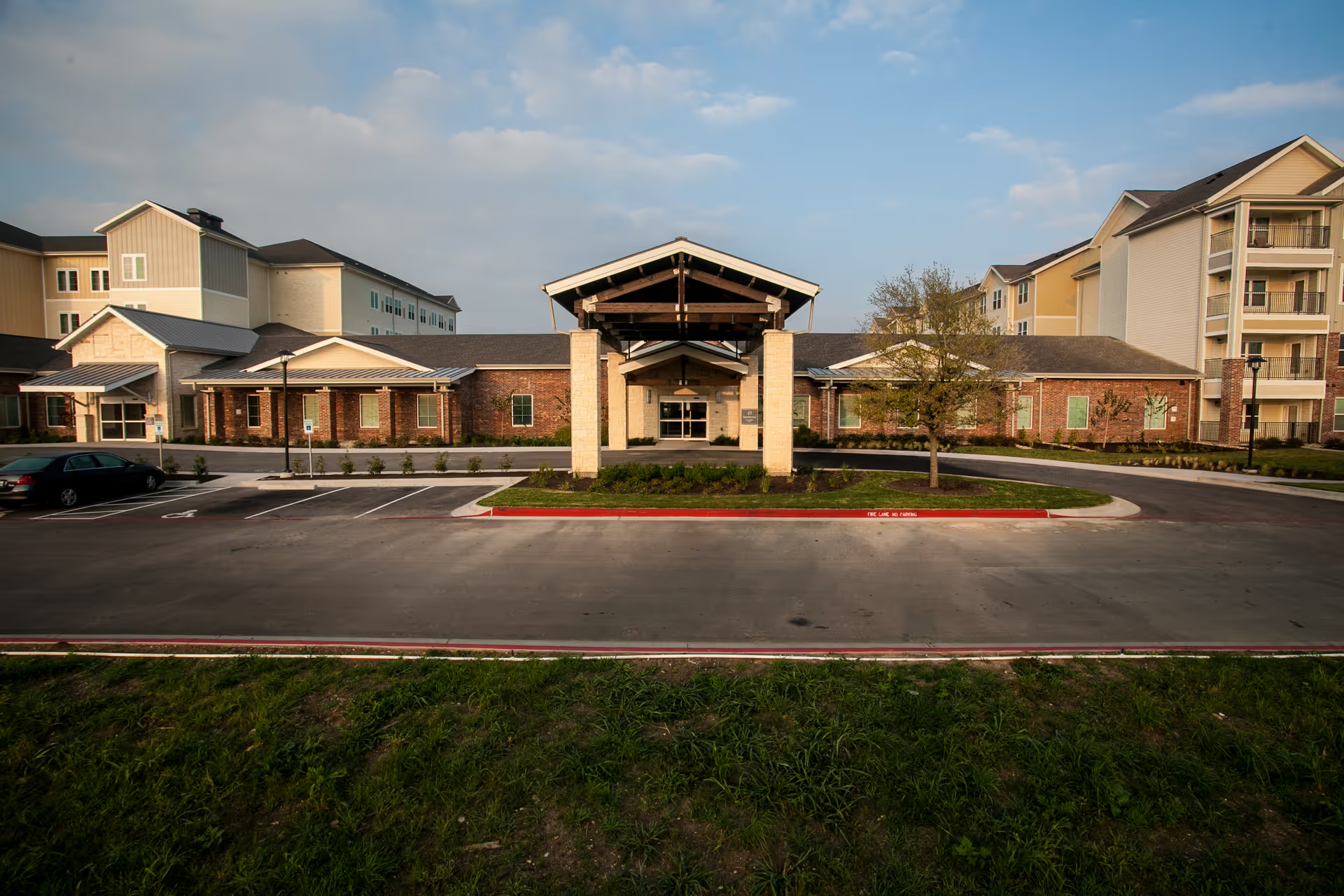
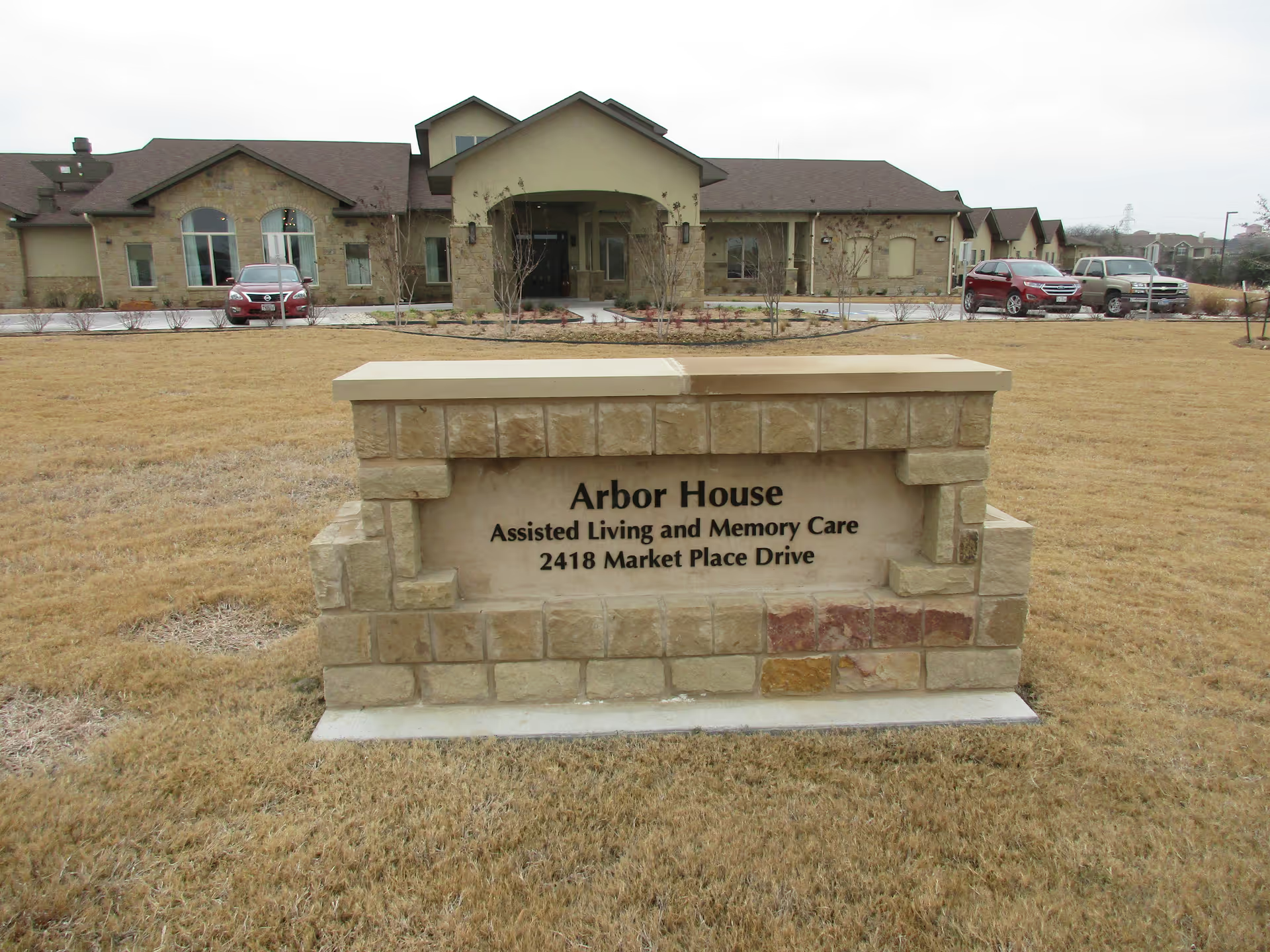
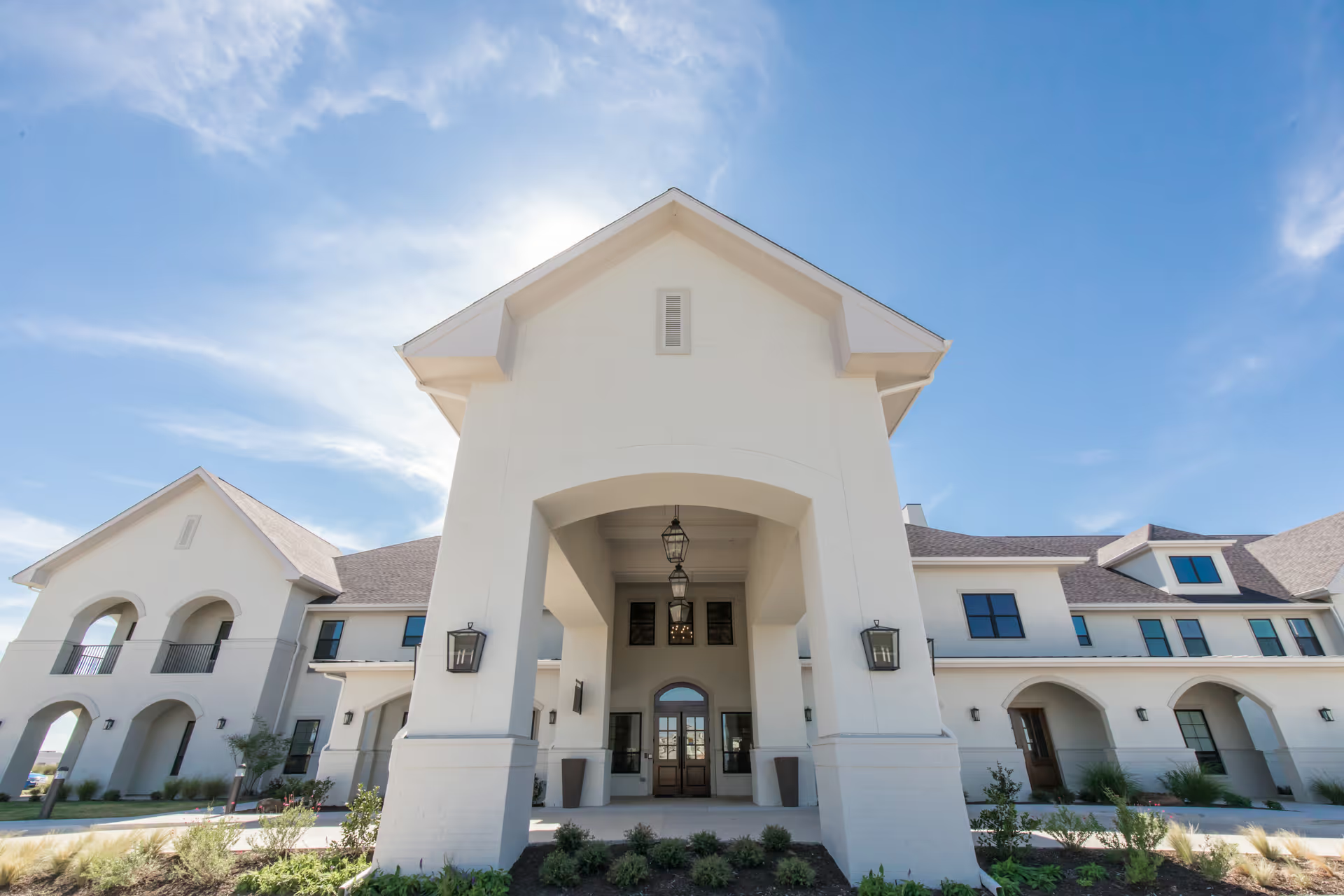
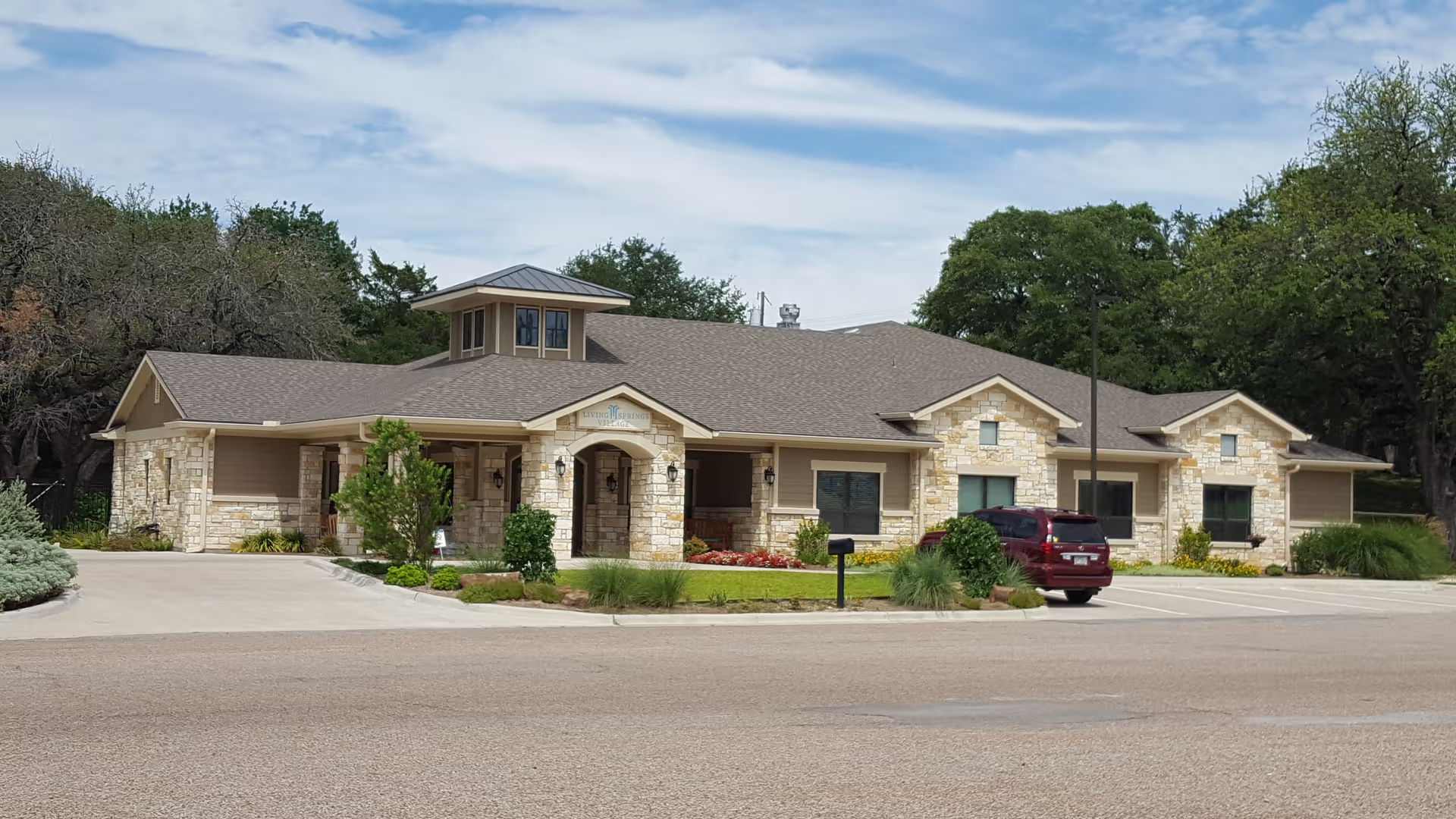
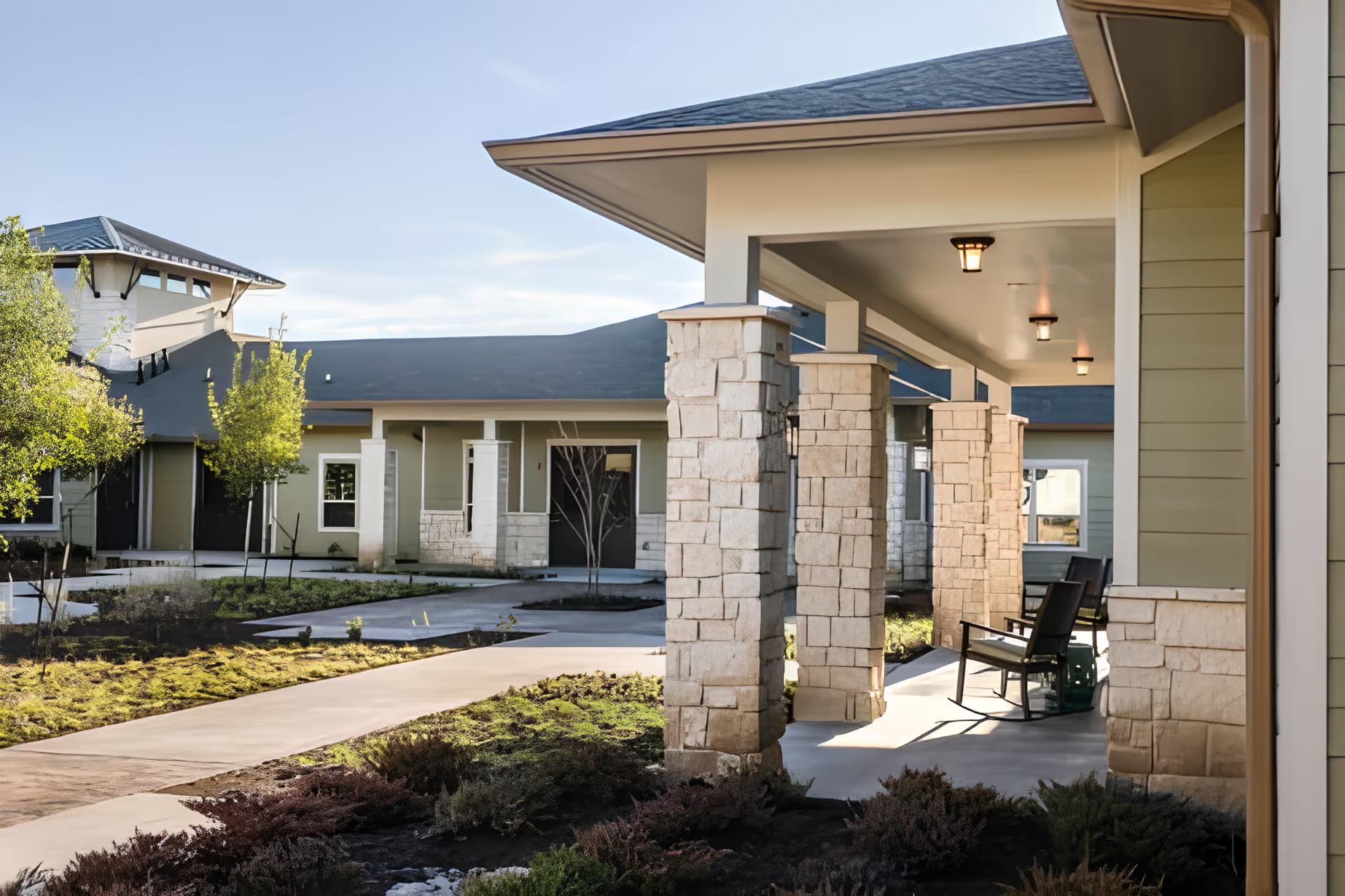
The reviews present a highly mixed picture of West Rest Haven. Positive comments consistently describe a clean, well-kept building with bright, windowed rooms and common areas that contribute to a home-like, family atmosphere. Multiple accounts highlight engaging communal programming — holiday decorations, group birthday parties, and a bird feature in the sitting area — plus personalized touches such as favorite shows on an iPad and extra blankets. Dining is frequently described as a reliable service (three meals a day with dessert) and family-style dinners are noted as mood-boosting social occasions.
Care and staffing commentary is polarized. Many families and visitors cite compassionate, attentive caregivers and responsive bedside care — for example, reachable call lights and staff who provide individualized comforts. At the same time, there are consistent operational concerns: variability in clinical care and adherence to care plans, gaps in wound prevention and skin integrity practices, inconsistent pain and medication management, and uneven oversight of nutrition and hydration. These issues suggest variability in clinical processes across shifts or units rather than uniform performance.
Staffing patterns appear to be a core driver of the mixed experience. Reviews mention a committed core of dedicated staff alongside periods of low engagement or ineffective coverage, particularly on weekends when temporary or agency nurses are used. This reliance on temporary staff and variable engagement levels is associated in reviews with slower responses and inconsistent follow-through on clinical needs. Several comments also point to limitations in end-of-life support due to an absence of hospice partnerships and to perceptions that veteran-specific services are insufficient.
Management and communication are additional areas of concern. Reviews raise questions about administrative leadership, family communication, and accountability; there are also one or two serious claims touching on financial trust that prospective families may wish to explore further. Conversely, some families praise professional conduct and the facility’s cleanliness, indicating there are operational strengths to build on.
For prospective residents and families: arrange multiple visits that include evenings and weekends, ask for current staffing ratios and use of agency nurses, review wound-care and pain-management protocols, confirm hospice and palliative partnerships, inquire about nutrition monitoring practices, and request recent inspection or complaint histories. Speaking with current families and observing meal service and activity periods will help clarify whether the facility’s positive environment and engaged caregivers are consistent across all shifts and units.