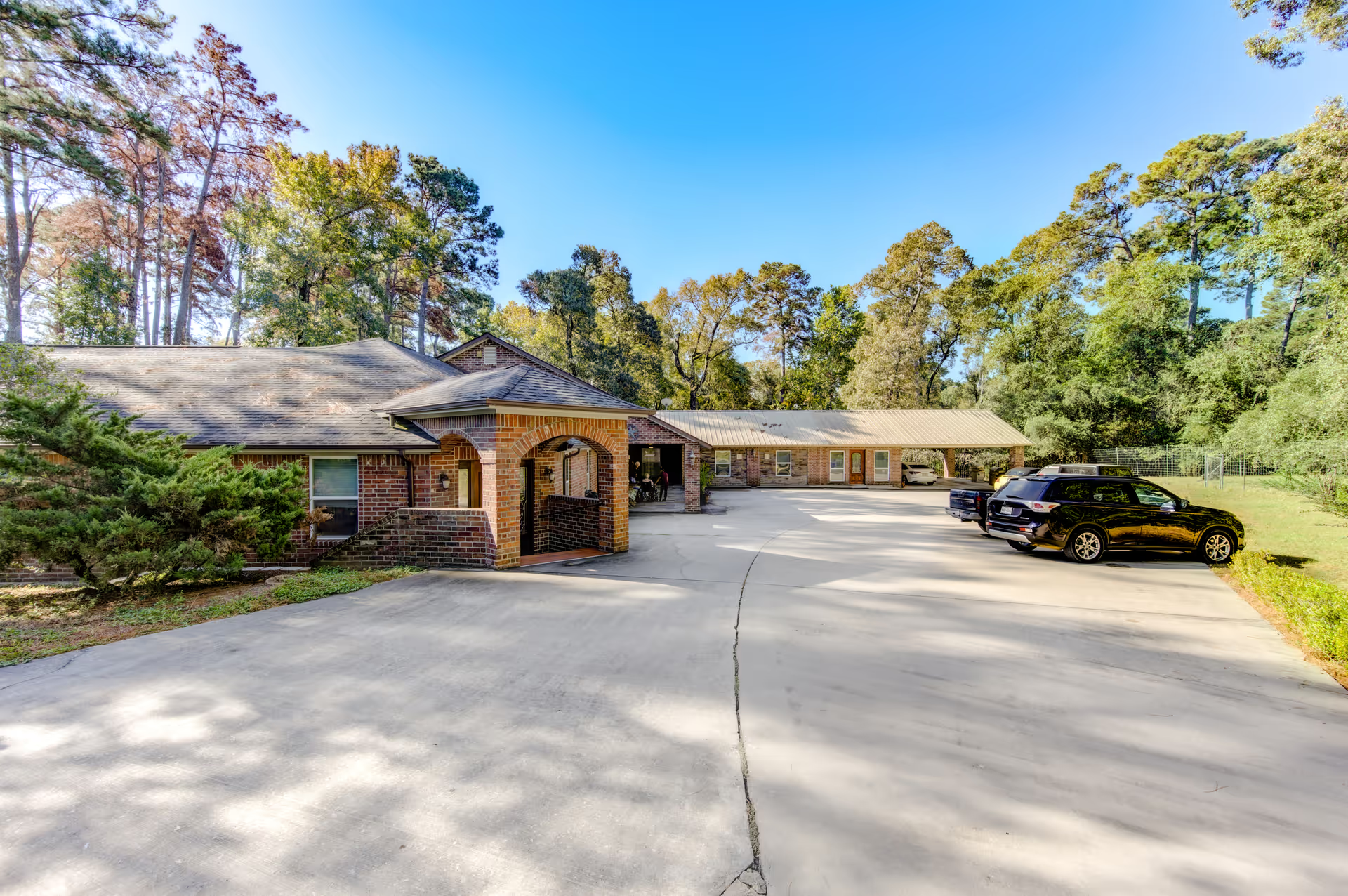
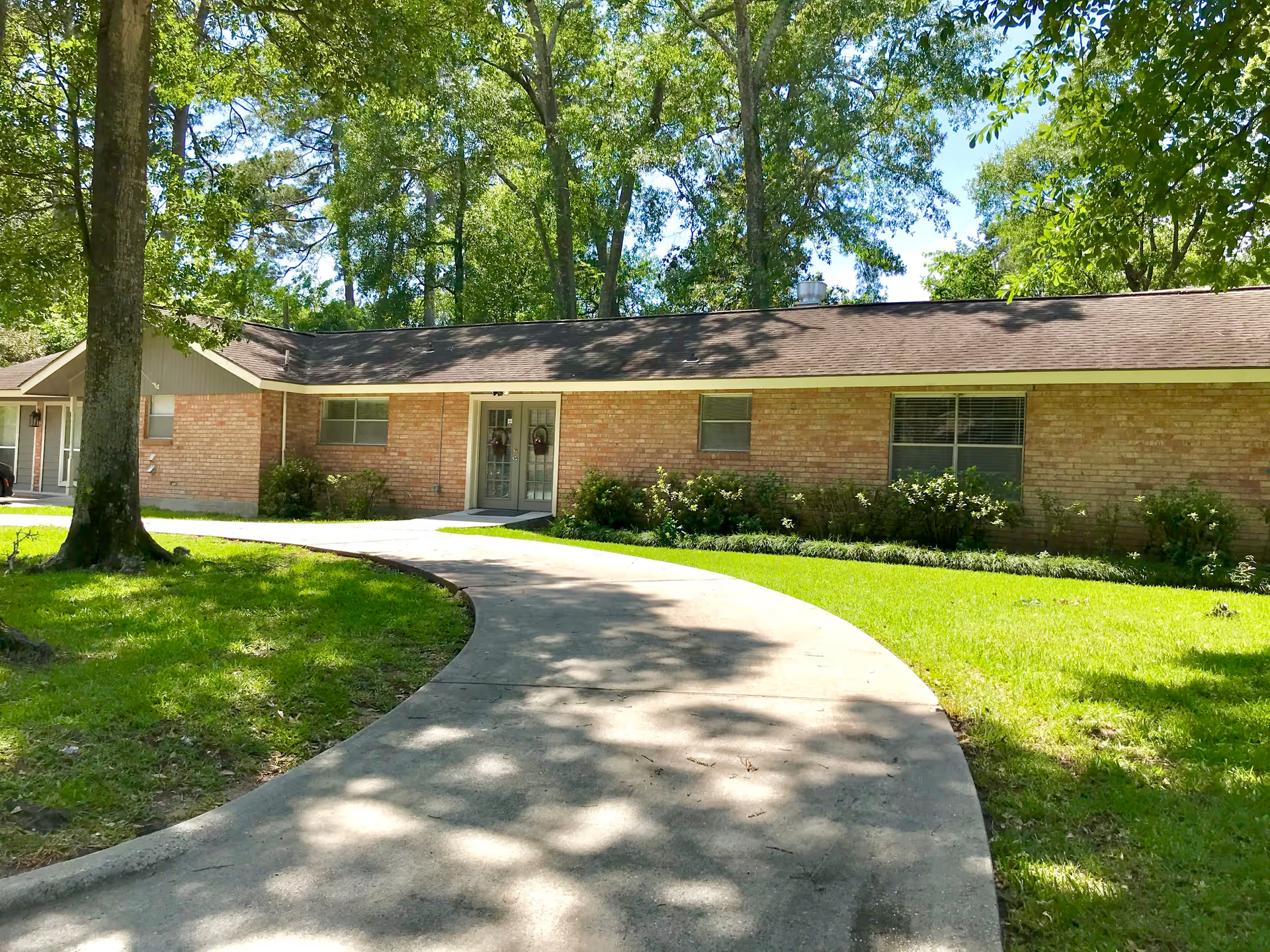
Willis Nursing & Rehabilitation elicits strongly polarized impressions. Many reviewers emphasize a core strength in direct care: long‑tenured, compassionate staff who create a homelike, family‑oriented environment, deliver effective rehabilitation therapy, and provide supportive hospice and end‑of‑life attention. Families commonly describe successful therapy outcomes (returning residents to independent walking and improved function), timely assistance with benefits and admission paperwork, and an interior that is generally clean and orderly with accessible common areas such as the cafeteria and restrooms. The facility's small, country setting and palatable meals are additional positive features noted by several visitors and residents. At least one review referenced favorable regulatory survey results, which aligns with reports of staff professionalism and attention to clinical detail in many accounts.
Counterbalancing those positive themes are recurring operational concerns. The most frequent issues relate to responsiveness and staffing: reviewers described delayed responses to call lights and buzzer systems, with staffing shortfalls most pronounced on nights and weekends. Several accounts raised concerns about medication‑administration practices and missed doses or follow‑up, which reviewers connected to broader worries about clinical oversight. There are also repeated references to variability in short‑stay or admissions experiences—some short stays were highly positive while others were described as unsatisfactory—suggesting inconsistency in how care transitions and brief admissions are handled.
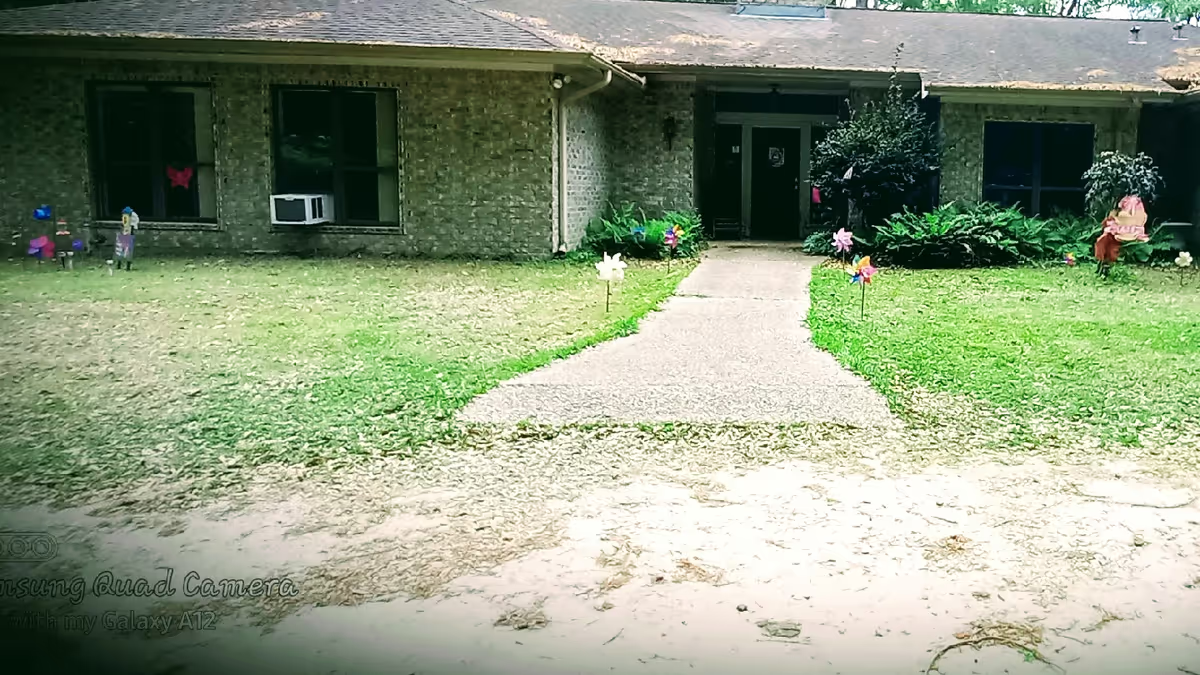
Other patterns concern the facility’s physical environment and interpersonal communication. Multiple reviewers described the building as dated and in need of renovation, even as they reported that the interior is kept clean. Meal quality was generally praised, but a number of reviewers noted occasional issues with meal temperature or timing. Front‑desk and admissions communication emerged as a distinct operational weakness for some families: unhelpful, abrupt, or unresponsive interactions and at least one billing/reimbursement dispute were cited, indicating potential gaps in customer‑service processes and financial communication.
Taken together, Willis appears to deliver strong hands‑on clinical care and rehabilitation within a small, welcoming setting, with several staff members described as going above and beyond for residents and families. However, prospective residents and families should be aware of variability in responsiveness, staffing levels (particularly off‑hours), and some administrative and facility maintenance gaps. When evaluating this facility in person, it may be helpful to assess night/weekend staffing visibility, observe mealtime service, ask about medication‑administration and clinical‑oversight protocols, and inquire about billing and dispute resolution processes to confirm that the facility’s strengths align with the prospective resident’s priorities.