Overall impression: Reviews present a facility with many clear operational strengths alongside a few important operational weaknesses. Positive commentary centers on an attentive, professional staff and a clean, well-maintained environment. Residents and families frequently describe the community as warm and homelike, with tasteful decor, spacious private areas, and comfortable common rooms that support socialization. Management is often characterized as engaged and willing to go above and beyond, and particular staff members are singled out for compassionate, respectful interactions.
Care and staff: Staffing is a consistent strength in the feedback. Care is described as personalized and delivered with kindness and professionalism; reviewers praise staff responsiveness, dignity in interactions, and an overall sense of respect for residents. Management practices such as an open-door policy and visible leadership contribute to a perception of accessible oversight. These strengths support a generally positive day-to-day experience for many residents.
Dining and activities: Dining service receives favorable comments for thoughtfully planned menus and appealing meals. Reviewers describe the dining program as a positive aspect of life at the community. Programming and activities are noted as diverse and engaging, contributing to a supportive, enriching community environment that encourages participation and social connection.
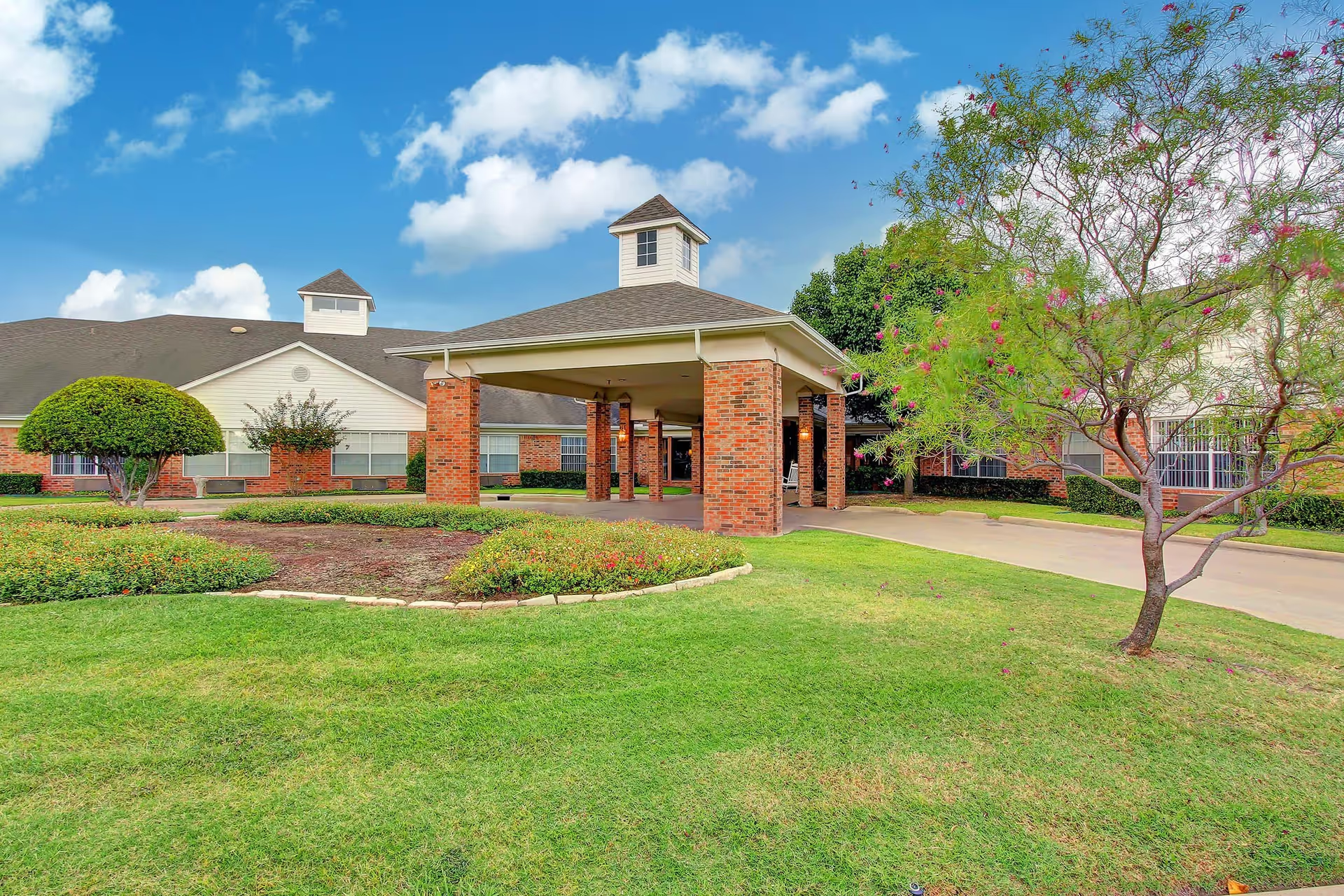
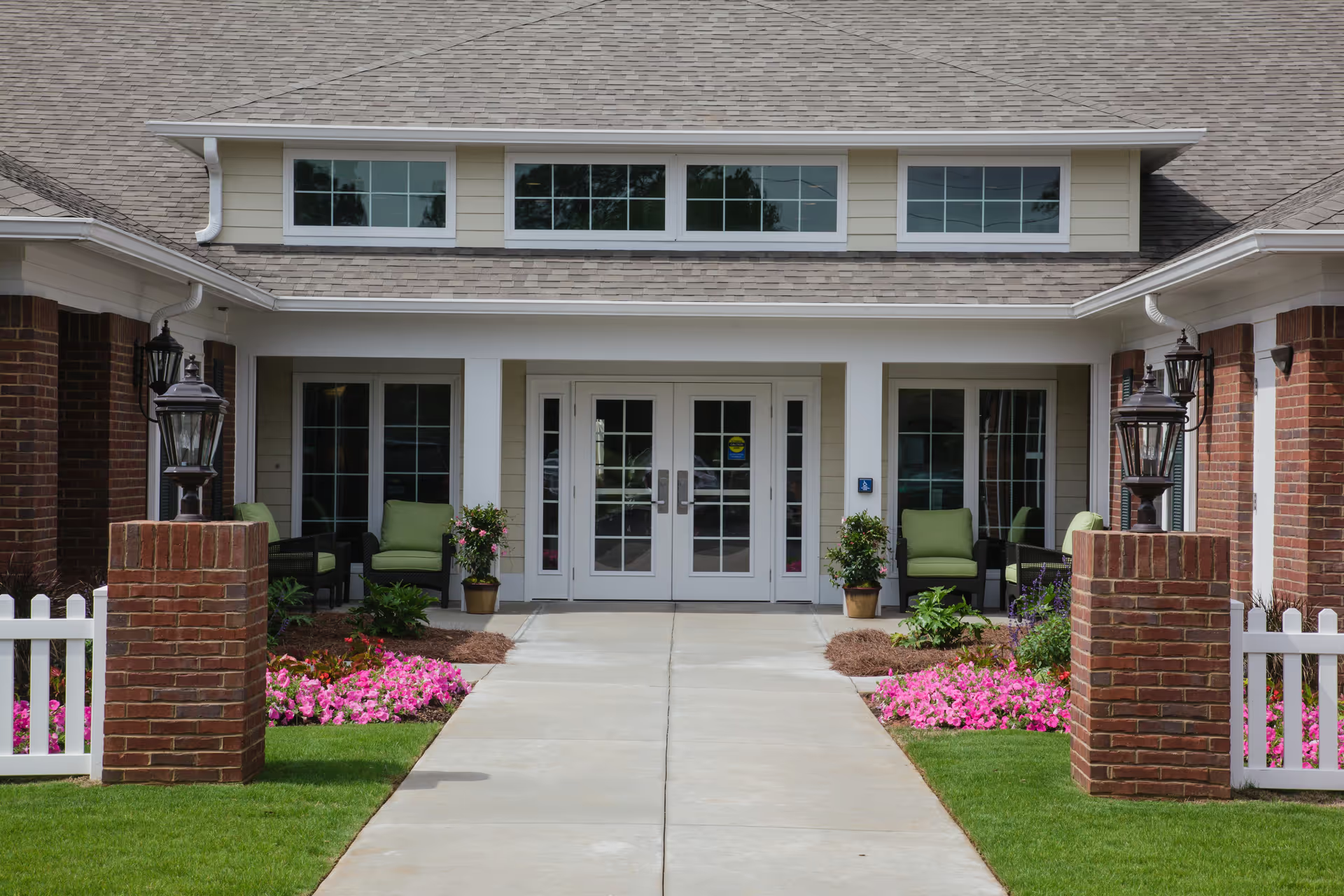
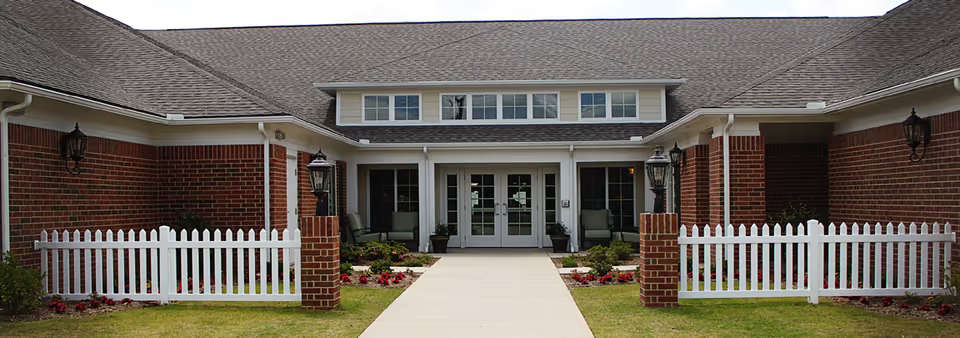
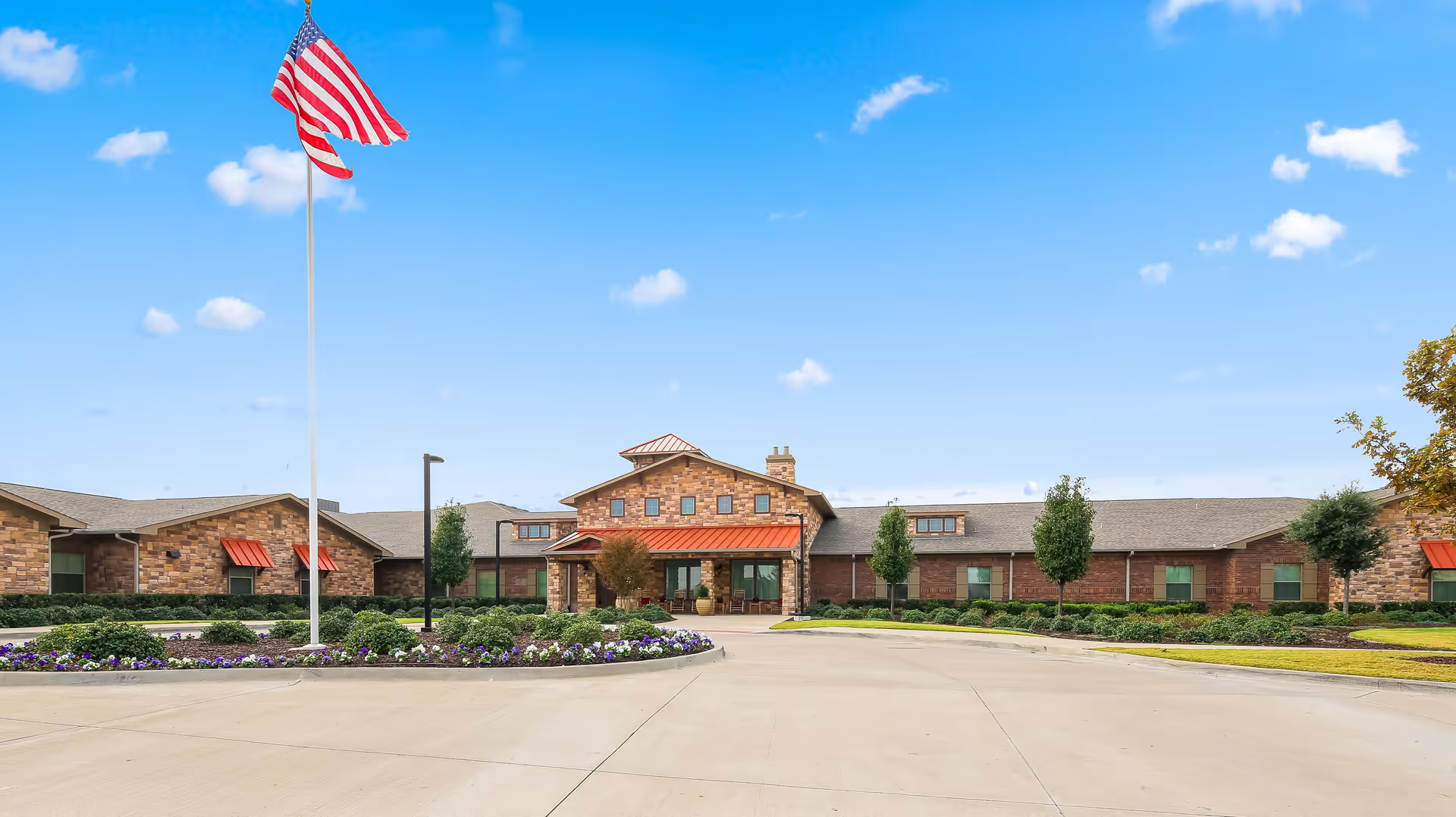
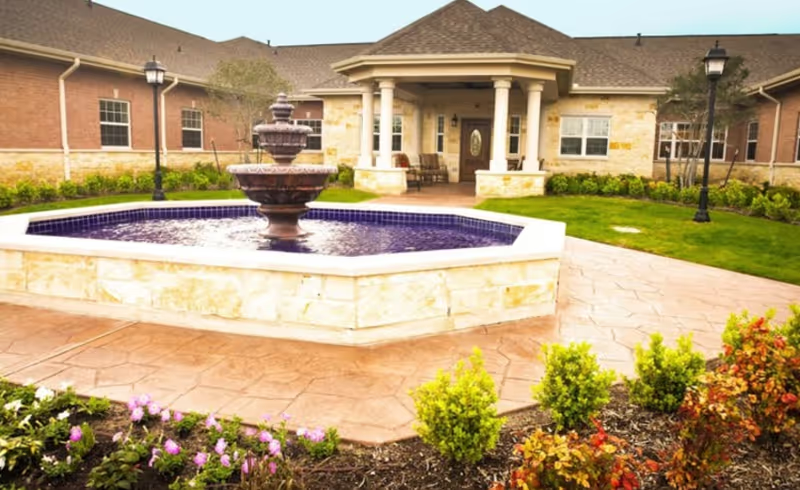
Facilities and environment: The physical plant is frequently described as well-maintained and orderly. Cleanliness and an orderly environment are recurring themes, as are spacious, well-appointed living areas and cozy communal spaces that promote a homelike feeling. These attributes appear to reinforce resident comfort and family confidence in daily operations.
Notable concerns and patterns: Several reviews raise operational concerns that prospective families should evaluate directly with the provider. Multiple comments indicate restrictive policies that limit resident autonomy and movement, including constrained access to common areas and limitations on food access after hours. The community appears to have limited outdoor recreational space, which may affect residents who value regular outdoor access. More serious concerns appear as isolated but significant allegations regarding the facility's handling of critical clinical incidents; these reports center on safety monitoring, incident response, and perceived gaps in accountability and family communication. While these accounts are not framed as facilitywide norms in the positive reviews, they materially affect trust for some families.
Bottom line and suggested due diligence: Lakewood Assisted Living demonstrates many strengths—compassionate, professional staff; strong cleanliness and maintenance; appealing dining; and engaging activities—that create a supportive living environment for many residents. At the same time, operational traits such as restrictive movement and food-access policies, limited outdoor space, and questions about clinical-incident response and transparency are important considerations. Prospective families should ask targeted questions about resident freedom of movement, mealtime and after-hours food policies, outdoor access, safety and monitoring protocols, incident-reporting procedures, and how the facility communicates with families after a clinical event. Visiting the community during mealtimes and activity periods and requesting written policies on incident response and family communication can help clarify whether the facility’s operational approach aligns with a family’s priorities.