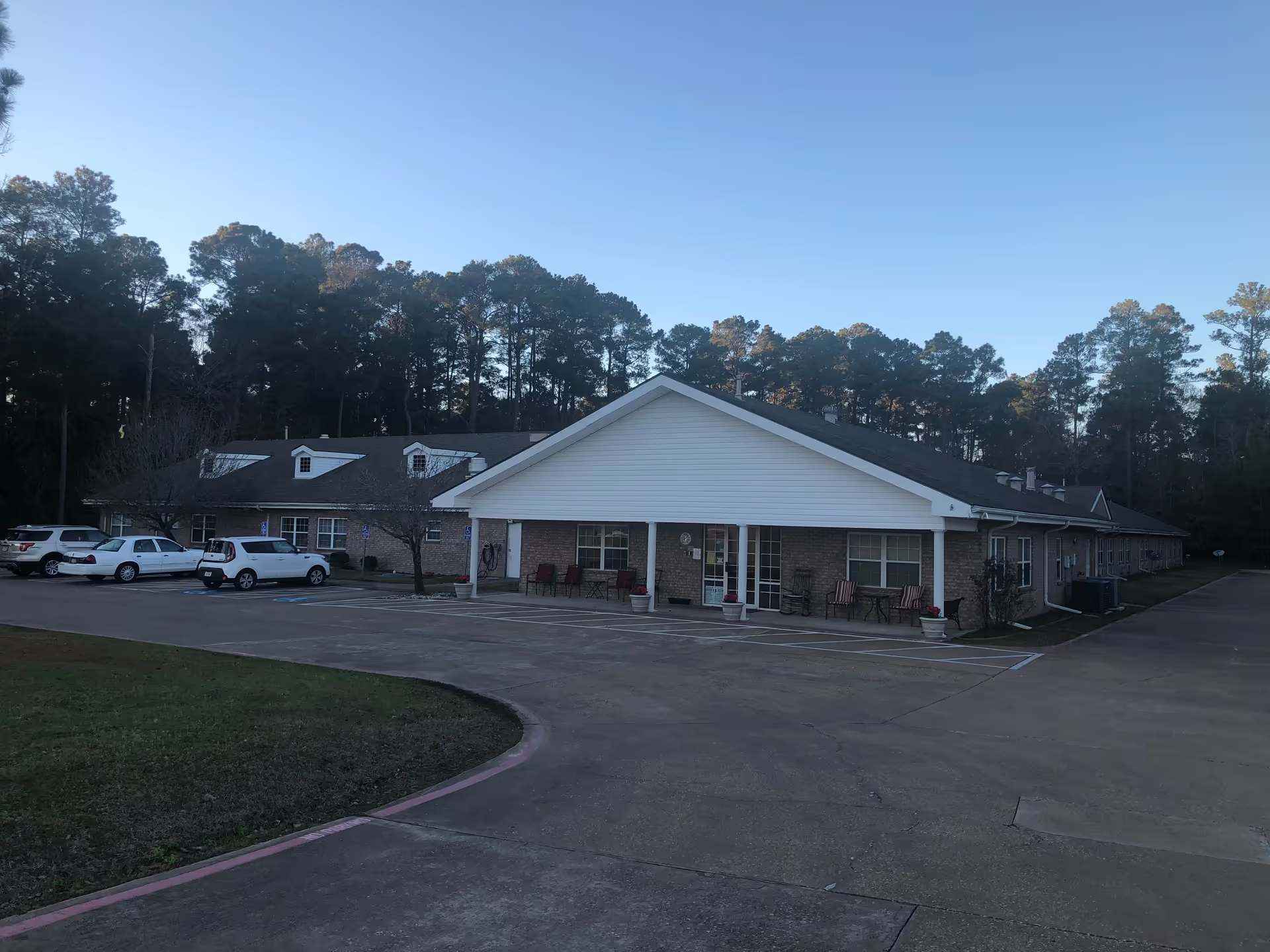
Dogwood Trails Manor elicits a strongly mixed set of impressions. A substantial number of families and residents praise the facility for its compassionate, experienced caregiving staff, effective short-term rehabilitation, and a clean, modern environment. Reviewers commonly describe attentive admissions, reassuring administrative interactions, and a creative activities program that engages residents. For many families the facility provides a family-oriented atmosphere and successful transitions back to home after rehab.
Care quality descriptions are varied. Positive accounts emphasize respectful nursing care, helpful CNAs, and a rehab program that facilitates return-to-home. Conversely, several accounts raise clinical concerns worth noting: observers identified gaps in dementia-care competency, inconsistent medication-management practices, and lapses in monitoring for skin integrity and infection. These issues suggest the facility may be better suited to residents with primarily physical-rehabilitation needs than to those requiring advanced dementia-specific clinical oversight without further inquiry.
Staff and professionalism present a mixed picture. Many reviewers describe courteous administrative staff, long-tenured team members, and employees who go above and beyond to make families comfortable. At the same time, there are descriptions of inconsistent professionalism and communication tone from some staff members, and occasional visible morale or compensation-related comments. Families should assess staff consistency during a visit and ask about staff training, turnover, and supervision practices.
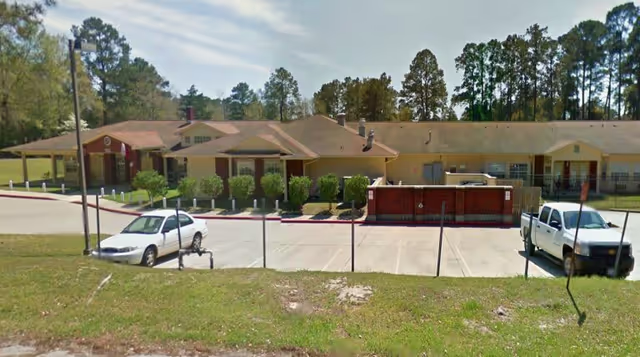
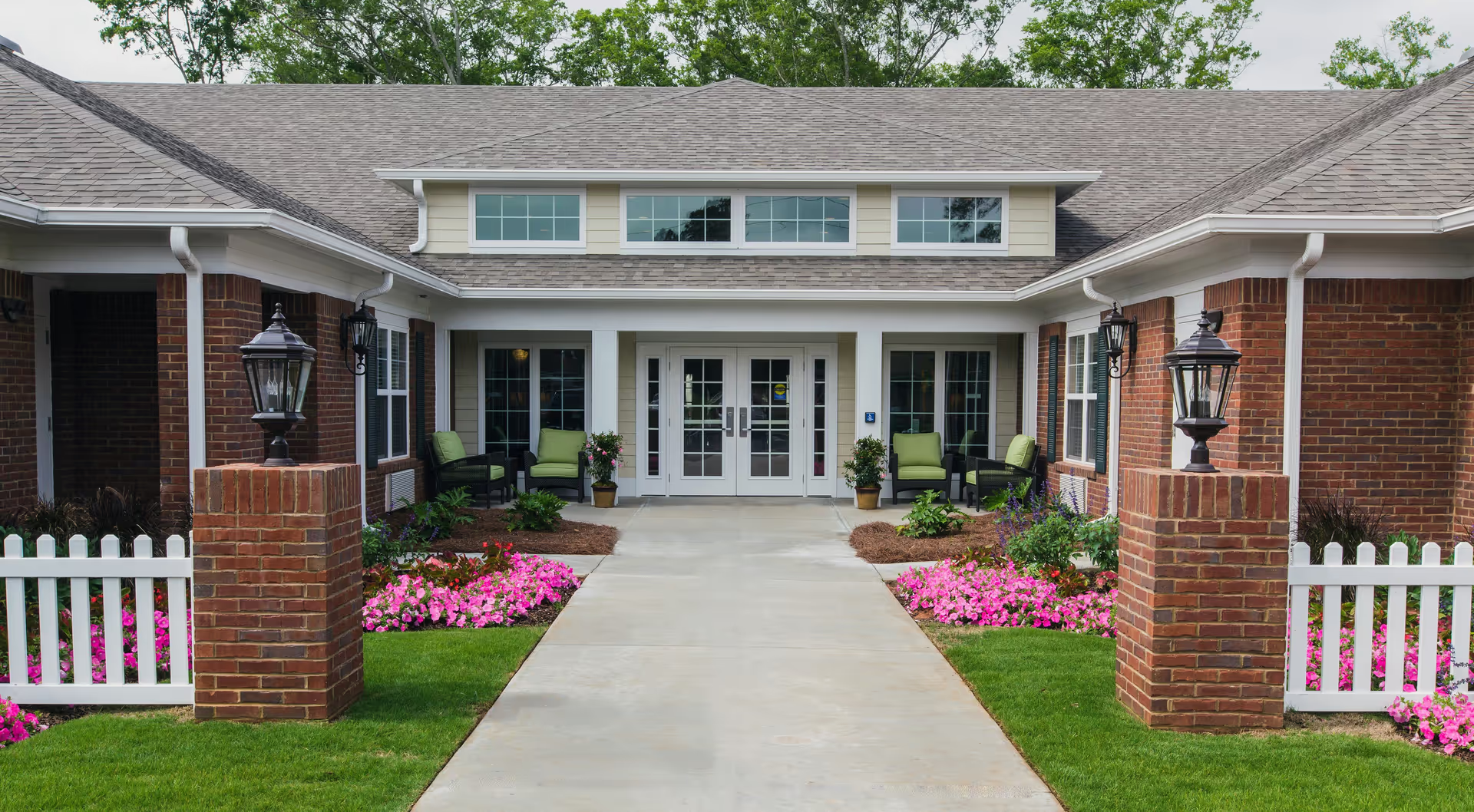
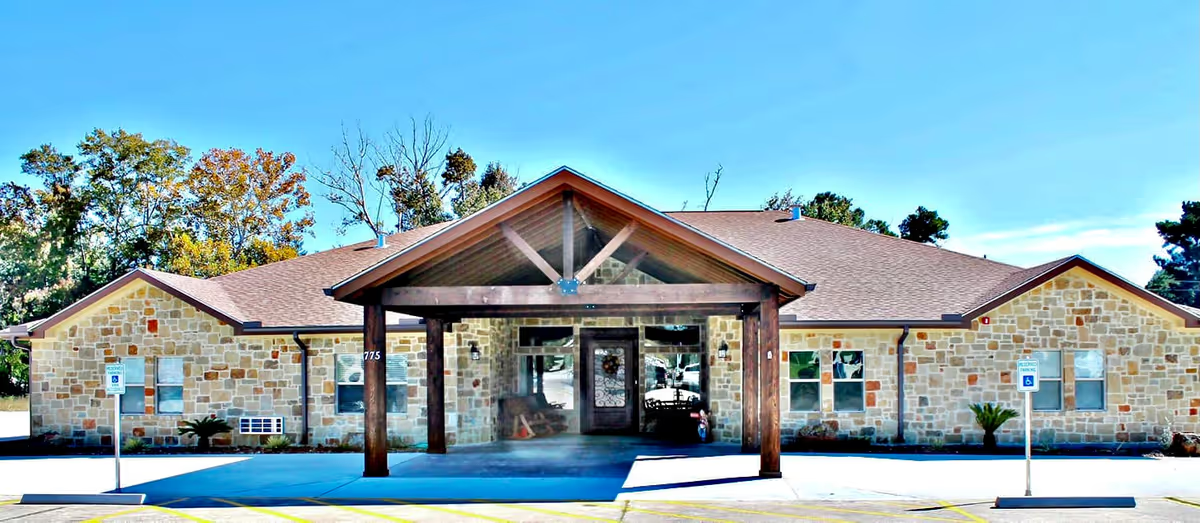
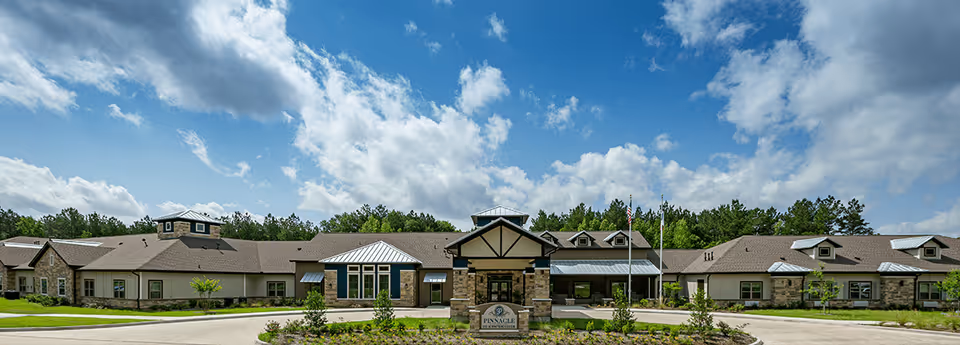
Dining, activities, and facilities are generally strengths with qualifications. The facility is frequently described as clean, up-to-date, and comfortable; resident rooms and common areas are often noted positively. Activities are described as engaging and creative. Dining experiences are inconsistent across accounts: some families praise well-prepared, enjoyable meals, while others describe variability in food quality and meal service. Prospective residents should sample meals and ask about menu rotation and accommodations for dietary needs.
Management and communication are an important area to probe. While several families felt reassured by administrative responsiveness, other accounts point to delays or gaps in notifying families about changes in resident status. Prospective families should ask specific questions about how and when families are informed of clinical changes, medication adjustments, wound care, and infection concerns, and request to review medication-management and dementia-care protocols.
Bottom line: Dogwood Trails Manor shows clear strengths in compassionate bedside care, rehabilitation services, and facility upkeep, making it a reasonable option for short-term rehab and residents who benefit from an engaged activities program. However, the mixed reports about dementia-care competency, medication management, personal-care consistency, and clinical monitoring merit direct inquiry. Families considering placement should conduct focused interviews with leadership and clinical staff, observe staff–resident interactions, review care protocols (especially for dementia and medication administration), and arrange for a meal and a tour to assess fit for the prospective resident's clinical and social needs.