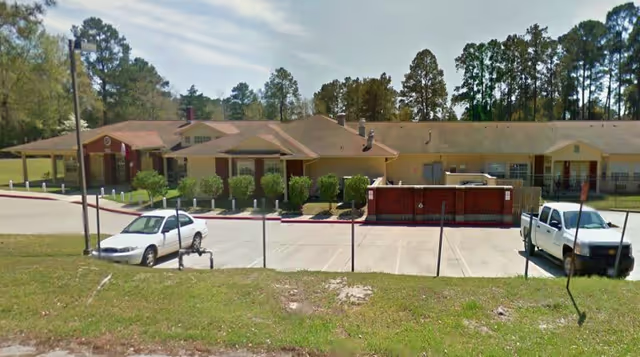
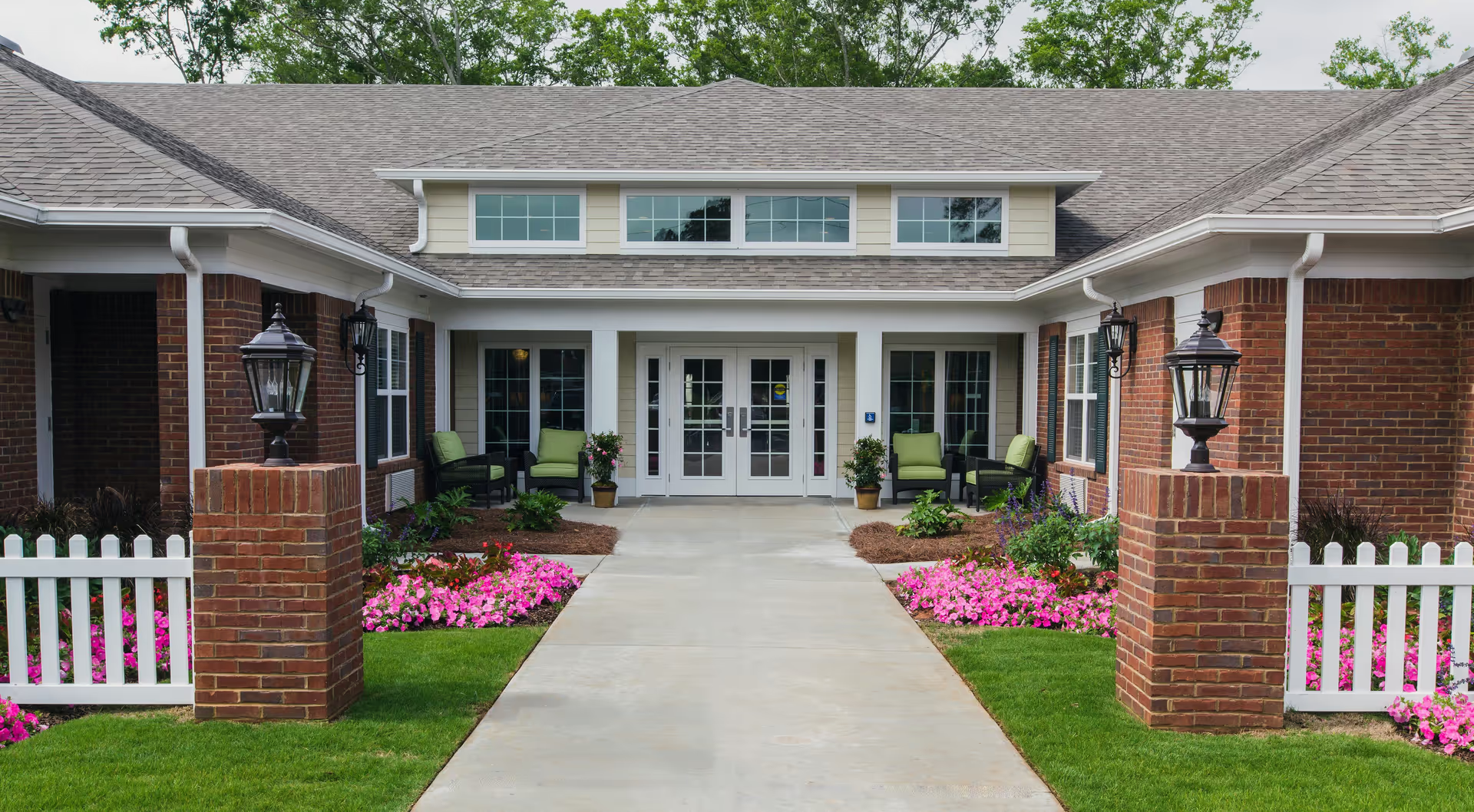
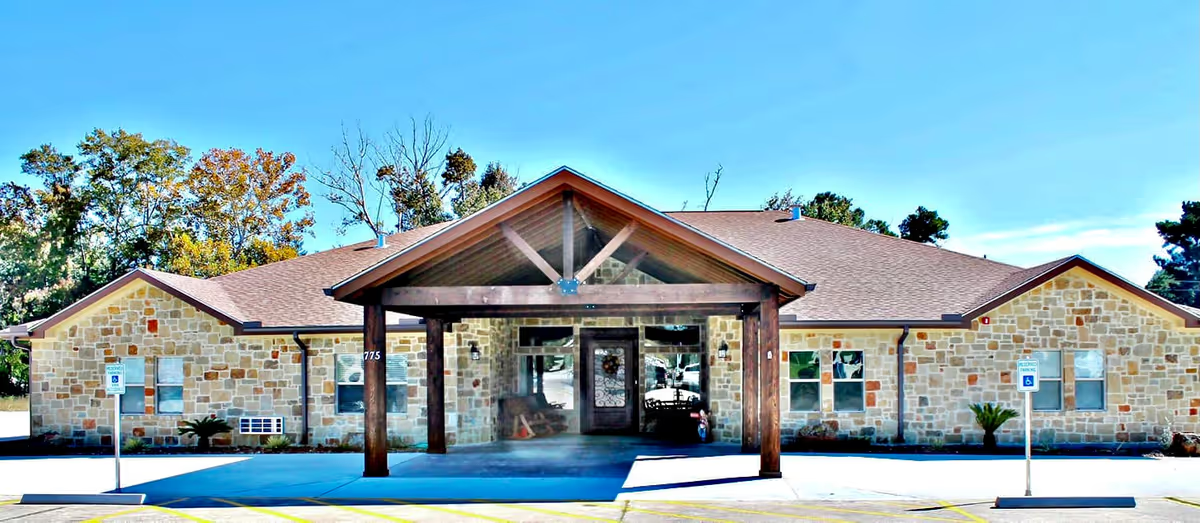
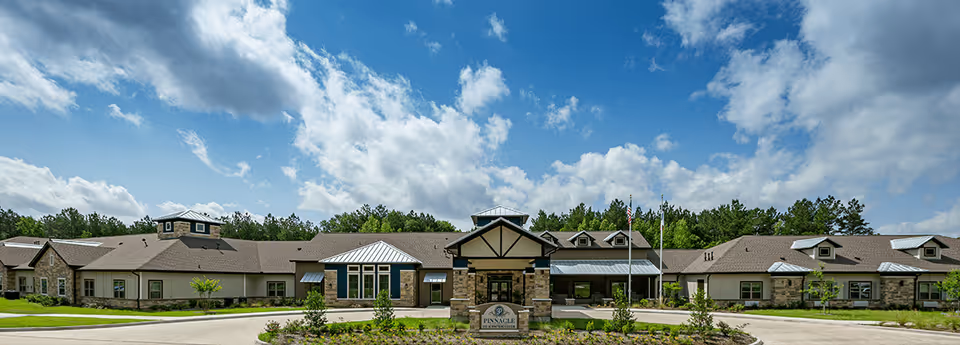
Overall impression: Reviews describe a facility with a broadly welcoming, organized common environment and staff who many families find personable and caring, alongside recurring operational concerns that affect clinical care and daily living. Several reviewers praised the cleanliness of public areas, friendly interactions with caregivers, a visible management presence, and activities such as bingo. At the same time, other reviewers described declines or variability in care quality that warrant careful inquiry during a tour.
Care quality: The reviews indicate inconsistent clinical care. Positive accounts describe attentive bedside assistance and that residents felt well cared for, but other accounts point to slow response times and observable deficits in pressure-area prevention and other skin-care practices. There are also mentions of delays in addressing continence and stoma-related needs. These descriptions suggest variability in adherence to care protocols and the need to confirm current wound-care, turning schedules, and stoma-management procedures with clinical leadership.
Staff and management: Staff are frequently described as friendly and welcoming, and management is seen as caring by some families. However, multiple comments characterize the workforce as busy and stretched, and identify weak internal communication and an unclear chain of command. Those patterns are consistent with staffing constraints that can produce slower response times and inconsistent follow-through. Prospective families should ask about staffing ratios, shift handoff procedures, and how concerns are escalated and documented.
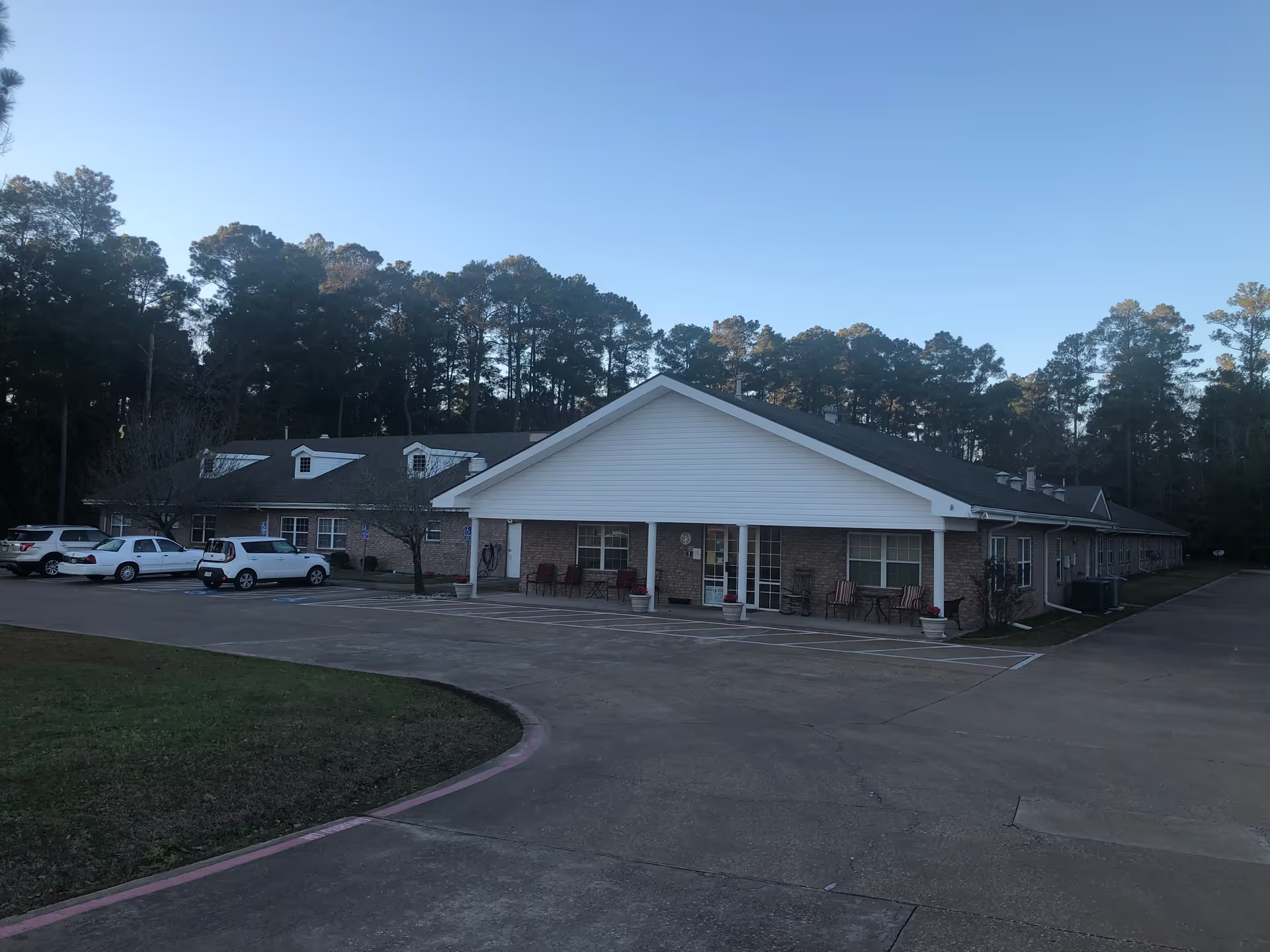
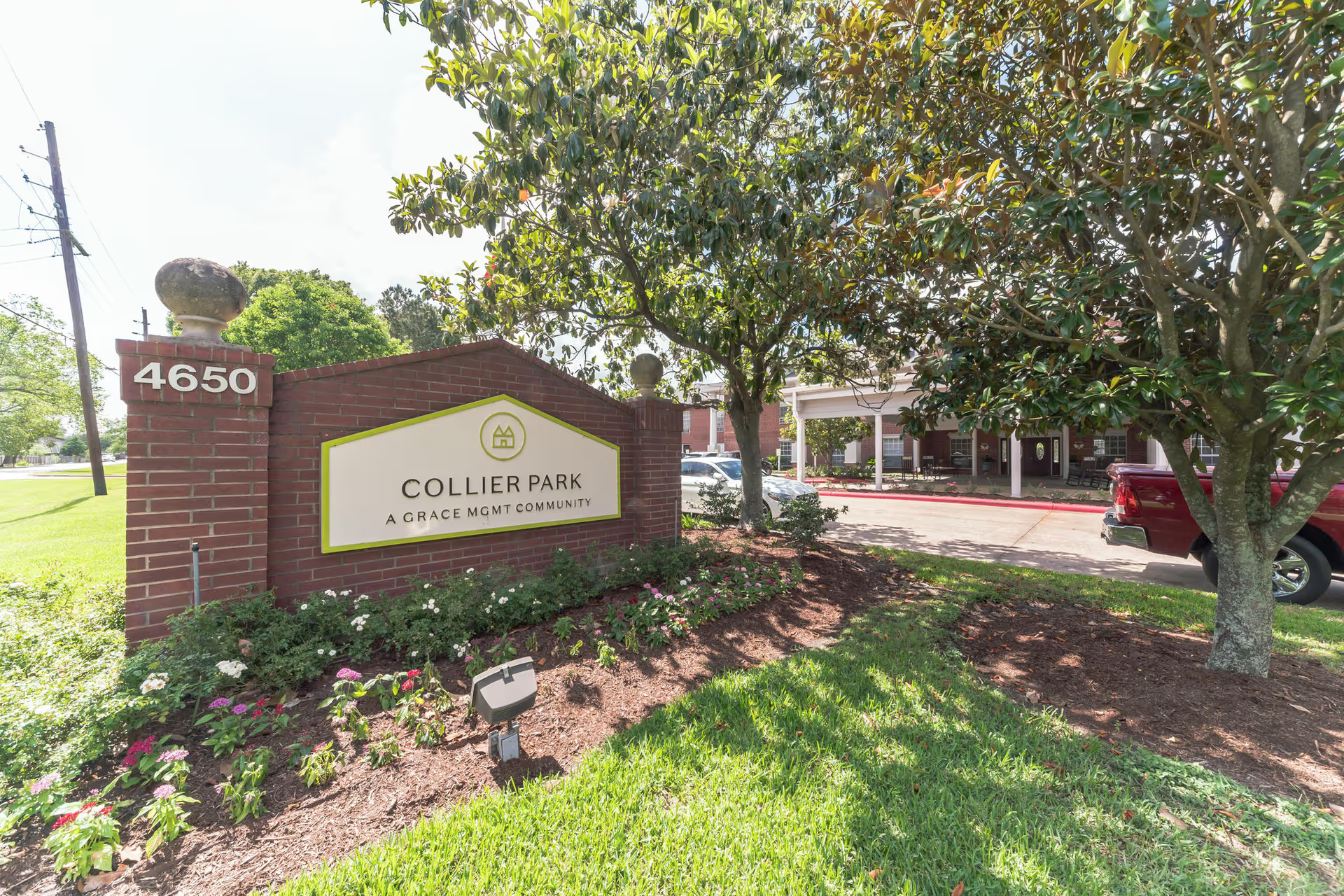
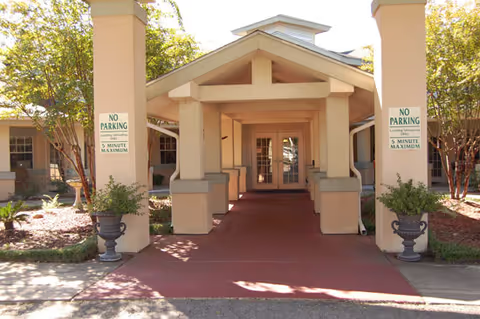
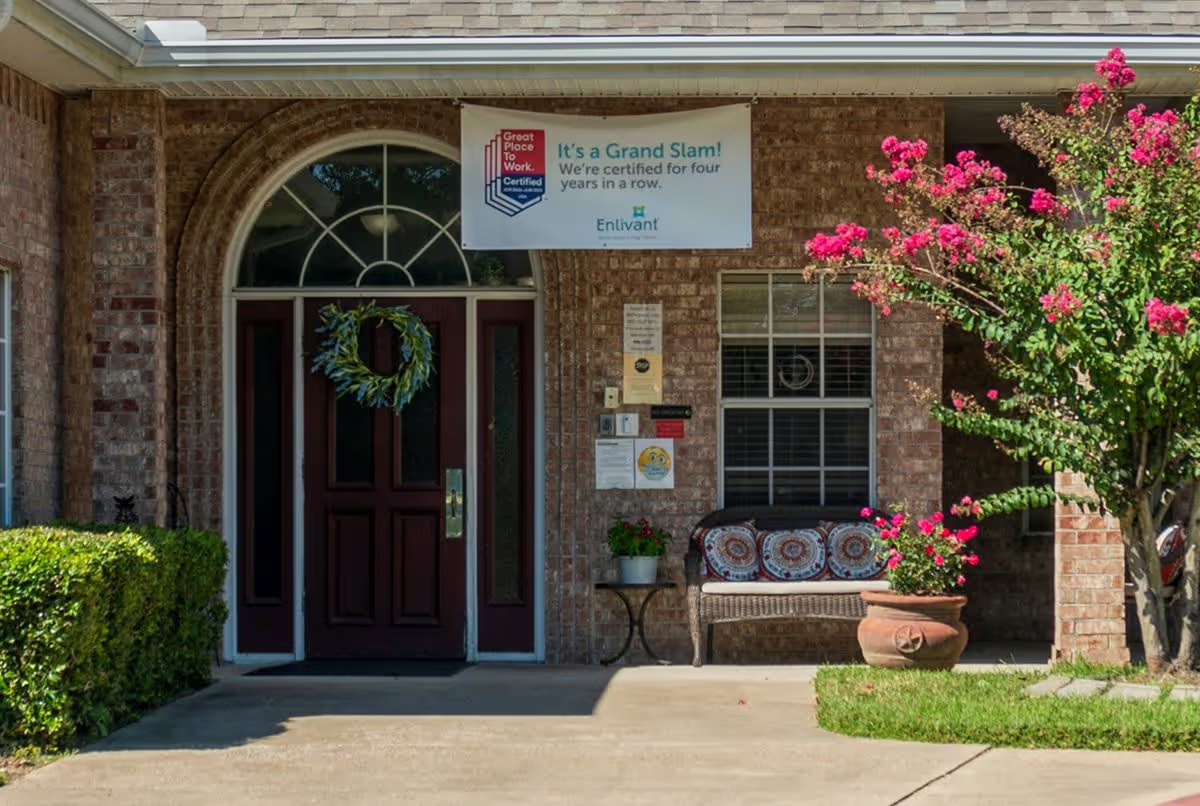
Facilities and amenities: Many reviewers noted a clean, organized interior and pleasant communal spaces. Concerns include small shared rooms and institutional or dated decor, which contribute to a subdued atmosphere for some residents. There are also comments about limited in-room amenities and the presence of additional fees for items such as phone or television access; clarify what is included in the base cost and what incurs extra charges.
Activities and dining: Activity offerings were mentioned positively in several accounts (for example, bingo and social engagement in communal areas). Reviews provide limited detail about dining quality or meal service; this area was not widely described and should be evaluated directly during a visit by observing a mealtime and requesting sample menus and mealtime schedules.
Notable operational patterns and recommendations: The primary themes to investigate further are variability in clinical care (particularly pressure-area prevention and incontinence/stoma care), staffing levels and responsiveness, internal communication pathways, and personal-property/laundry procedures. When evaluating the facility in person, ask for current staffing schedules, turnover metrics, written care protocols for wound and stoma care, sample care plans, the procedure for reporting and resolving family concerns, and a walkthrough of typical resident rooms so you can assess room size and amenity access. Observing an activity period and a mealtime will help confirm the facility’s strengths and identify any gaps relevant to your needs.