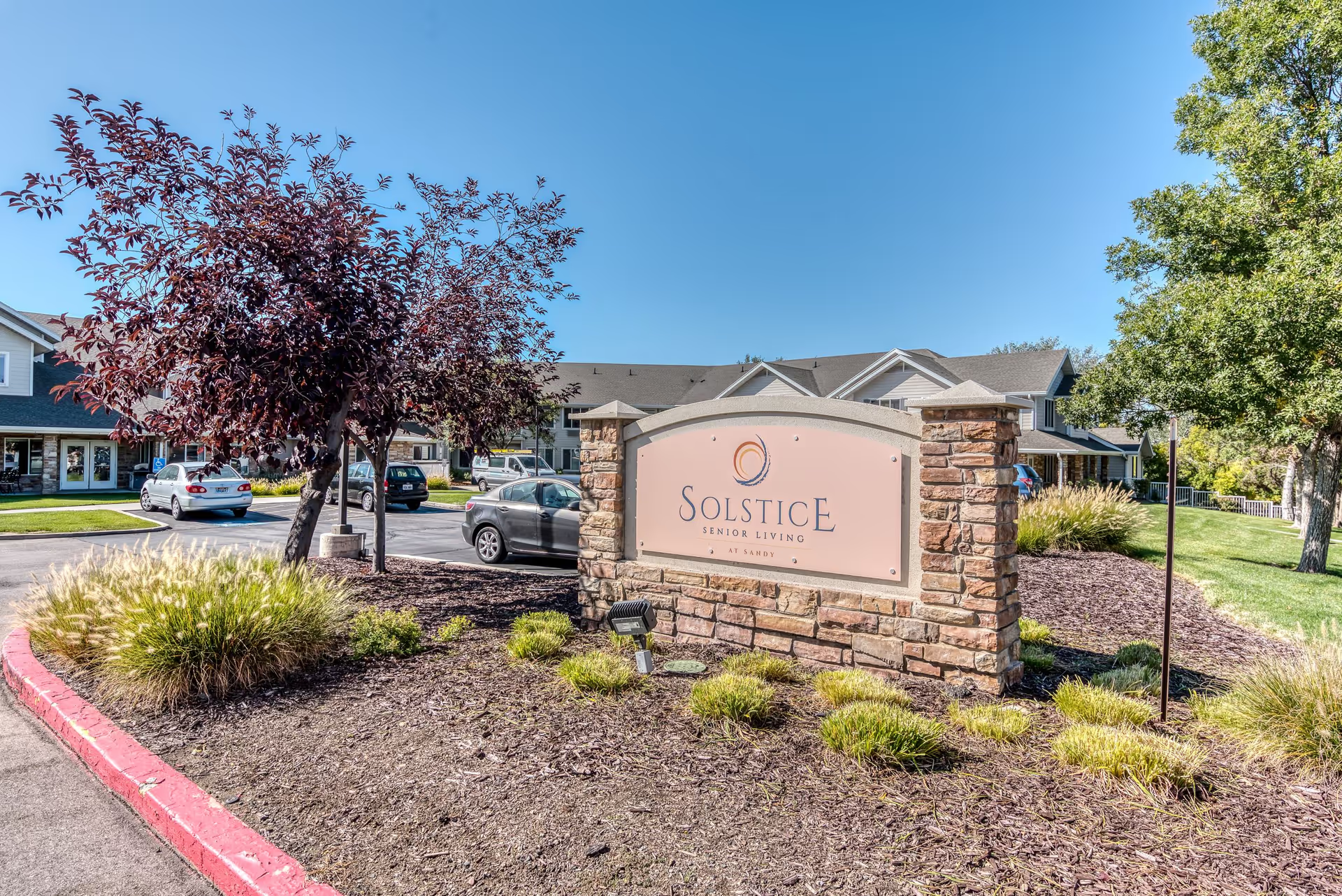
Assisted Living of Draper presents as a small, home-style residential option with a strong emphasis on personalized caregiving and a family-oriented atmosphere. Many families praised the caregiving team for being attentive, patient, and willing to provide one-on-one attention; reviewers frequently described quick responses to needs and an environment that treats residents with dignity. The facility's small scale and home-like design are repeatedly cited as strengths that support close relationships among residents, staff, and visiting family.
Clinical support appears mixed but leans positive for lower-acuity needs. Several accounts note 24-hour nursing availability or an on-call nurse and an openness to coordination with home health and hospice agencies, which supports continuity of care and end-of-life services. At the same time, a pattern of concerns about visible clinical staffing levels and occasional insufficient direct assistance was also noted; prospective residents with higher medical needs should verify staffing and clinical coverage directly with the provider.
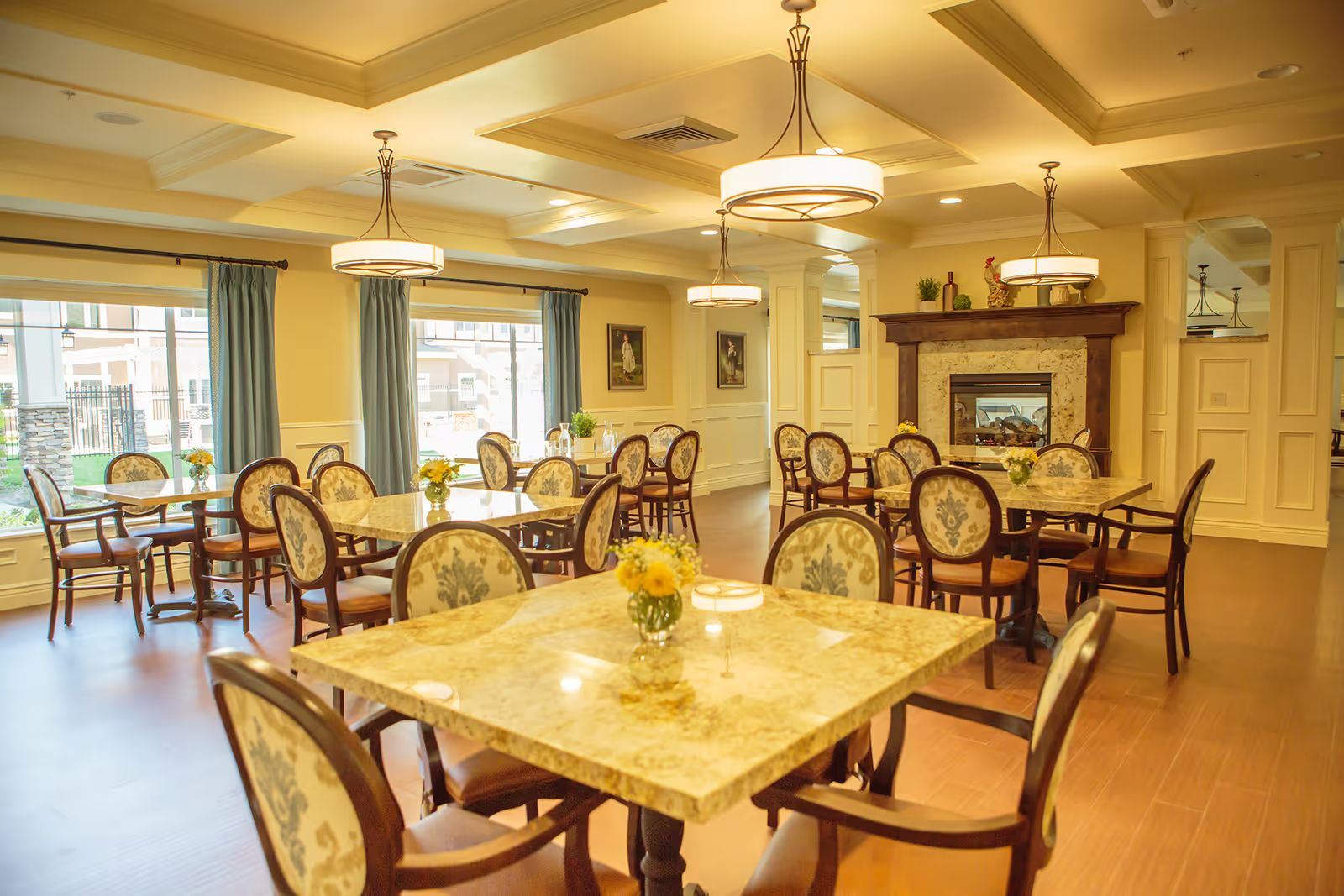
Dining and meals are a consistent strength. The facility highlights on-site chef-prepared meals, allergy-aware menus, and premium dining service; many families complimented food quality and individualized meal attention. Activities and social programming are robust for a small home model — offerings include salon days, piano and bingo, church services, frequent outings (movies, shopping, aquarium trips, fishing), and child-friendly spaces — creating a socially engaging environment for many residents. That said, some reviewers wanted more individualized or higher-intensity programming, indicating variability in how well the activity schedule matches every resident's preferences.
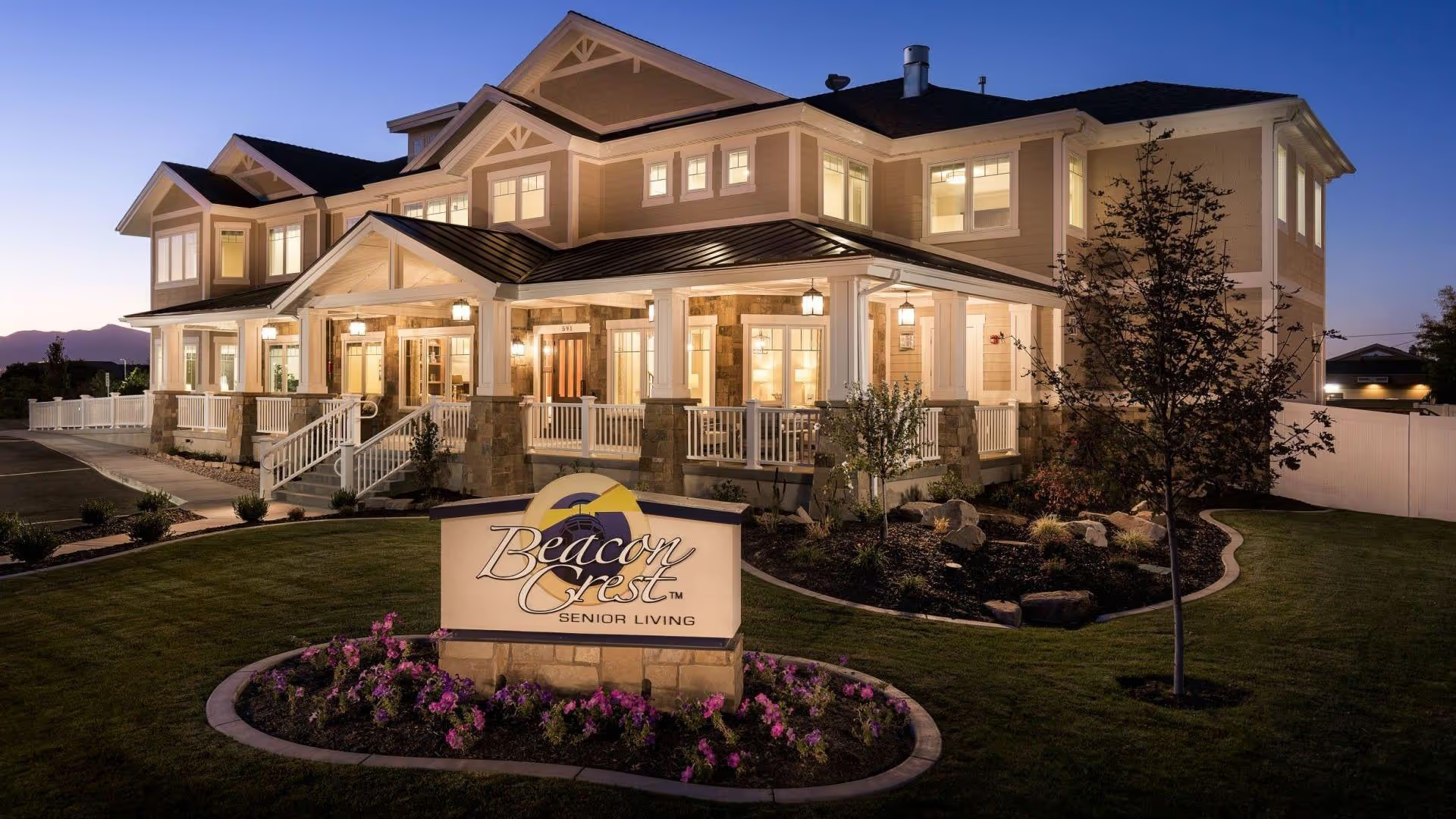
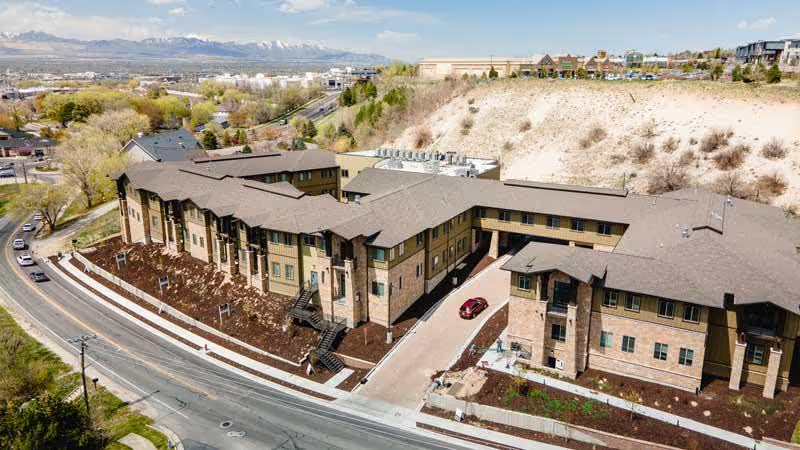
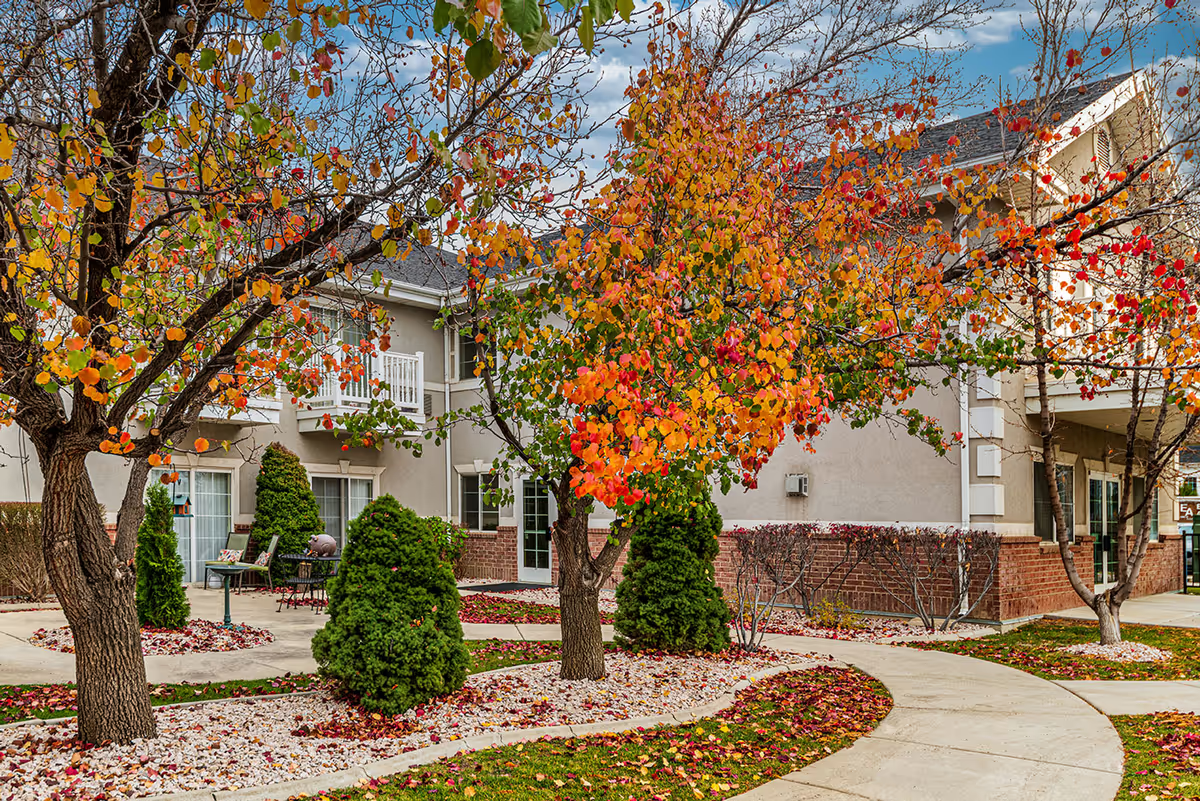
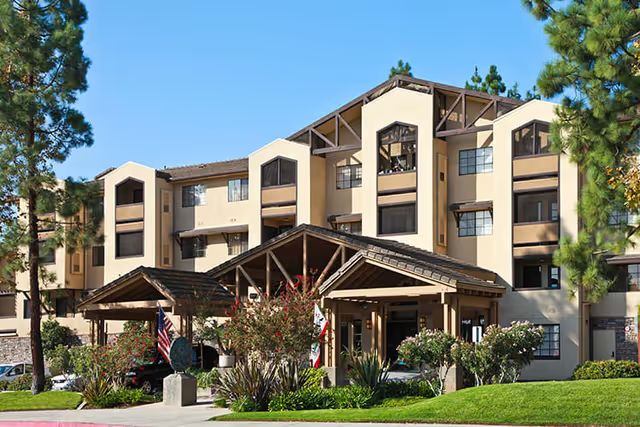
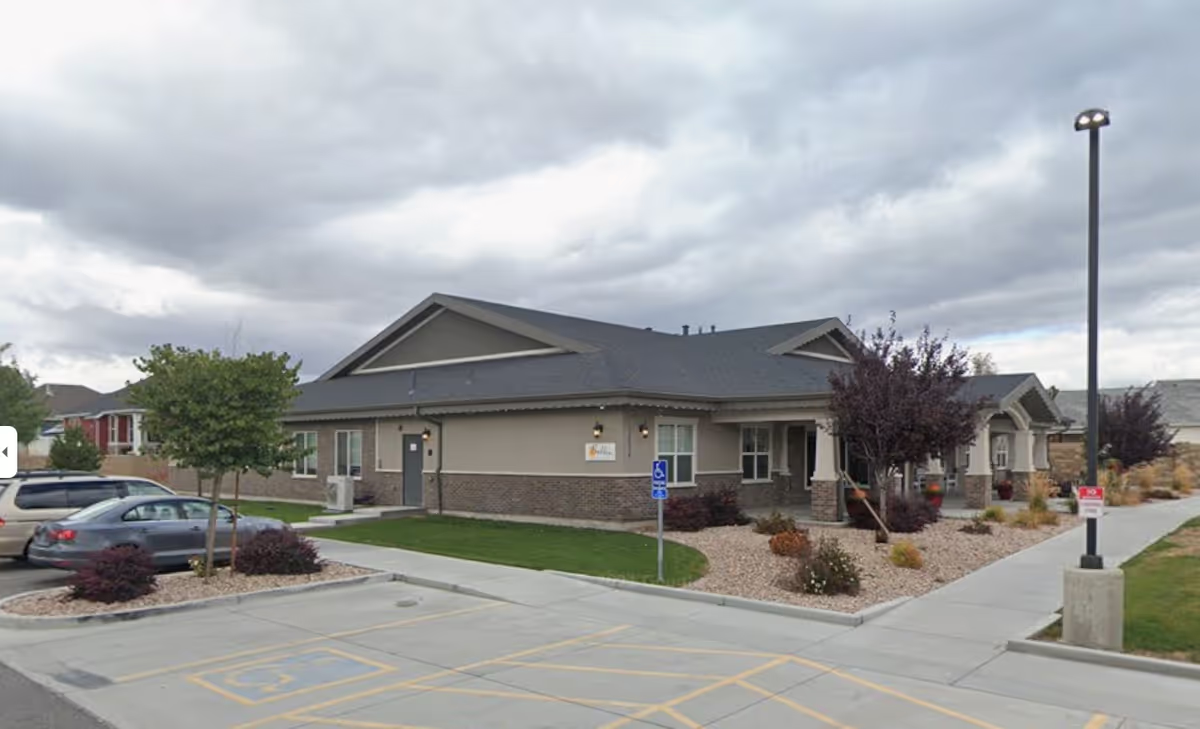
Facilities are described as well-maintained, clean, and pleasant, with a variety of community spaces (sunroom, covered porches, enclosed patio) and attractive grounds with mountain views. Unique features such as small farm animals and proximity to local amenities (dog park, splash pad) contribute to the home-like character. Room configurations vary; while private rooms and en-suite baths are available in some units, reviewers also described smaller or more crowded rooms and units that lack in-room bathrooms. Prospective families should review specific floor plans to confirm suitability and privacy needs.
Management and business practices show notable divergence in reviewer experience. Many families compliment the owners and front-line staff for warmth and attentiveness, but others raised serious concerns about billing practices, fee transparency, refunds, and responsiveness from management. There are mentions of contract and notice-period issues and business-liability concerns that prospective residents and families should clarify before move-in. These operational concerns sit alongside generally strong caregiving accounts, so direct, documented conversations about contracts, extra-fee structures, and refund policies are advisable.
Notable patterns for decision-making: the facility's small, personal model favors residents who benefit from a family-style setting, individualized attention, and a strong social program. It may be less appropriate for residents with advanced memory impairment or those needing higher-acuity clinical services, given limited secured memory-care infrastructure and some reports of inconsistent visible clinical staffing. Verify room layouts, bathroom availability, staffing ratios, and contract/billing terms during a tour and in written agreements to ensure the match between resident needs and the facility's operating model.