Parkdale Health & Rehab receives frequent praise for its clinical rehabilitation services and many aspects of day-to-day resident life, while also showing recurring operational challenges that prospective residents and families should consider. The facility’s physical therapy program is frequently described as structured and effective, and interdisciplinary teamwork among therapy, nursing, dietary, and support services is consistently highlighted. Many reviewers emphasize compassionate caregiving, personalized attention, and a family-like atmosphere — attributes that appear to support positive short-term rehabilitation outcomes and general resident satisfaction.
Staff performance is a central strength and a focal point in positive feedback. Nursing and therapy staff are often characterized as attentive, skilled, and committed; several reviewers note low turnover and staff continuity, which contributes to trusting relationships and consistent care for many residents. At the same time, accounts show variability in staff conduct and responsiveness: some families describe exemplary, empathetic interactions, while others report concerns about tone, reliability, and timeliness. These differences suggest that resident experience may depend on shifts, individual caregivers, or team assignments.
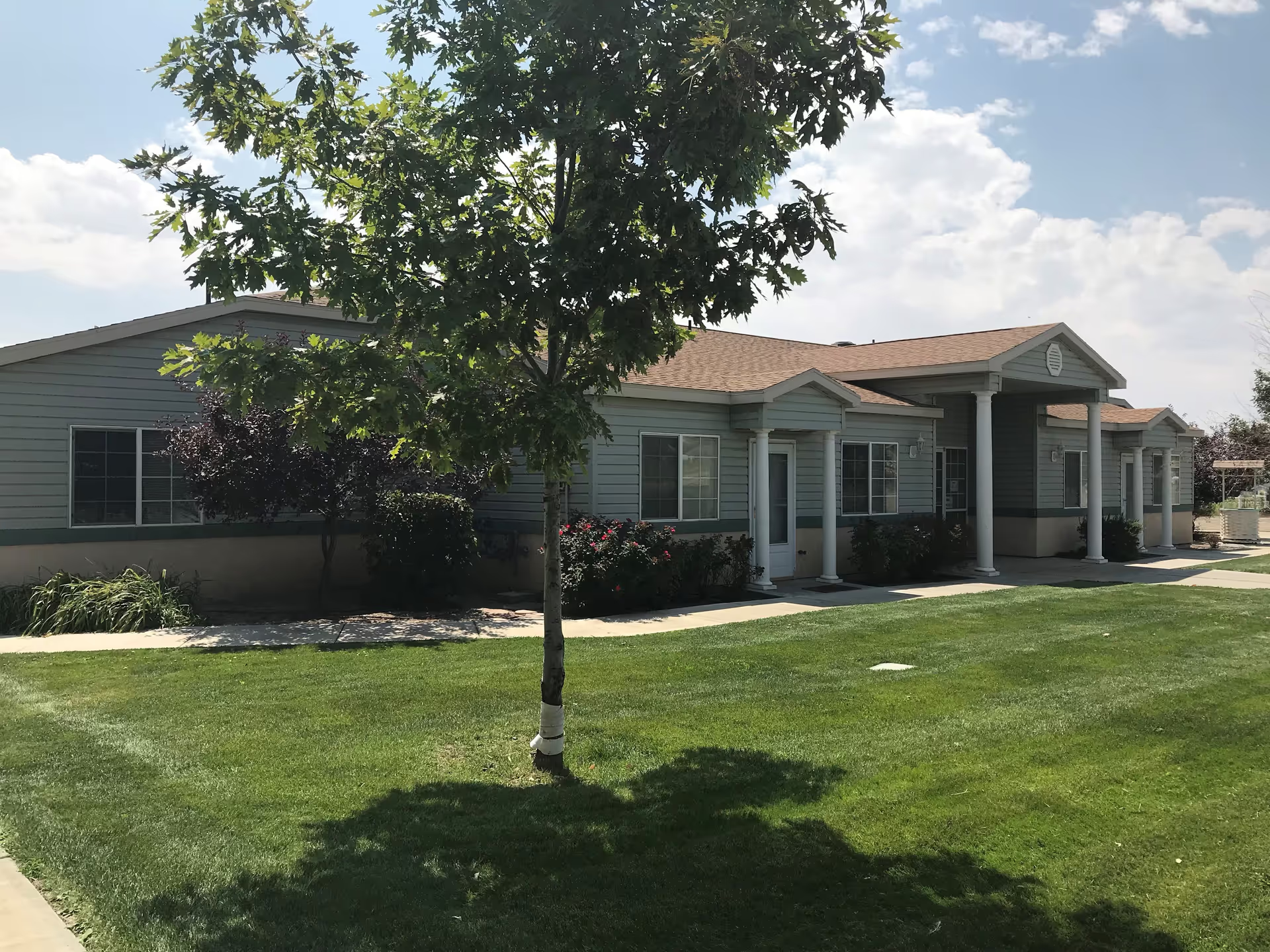
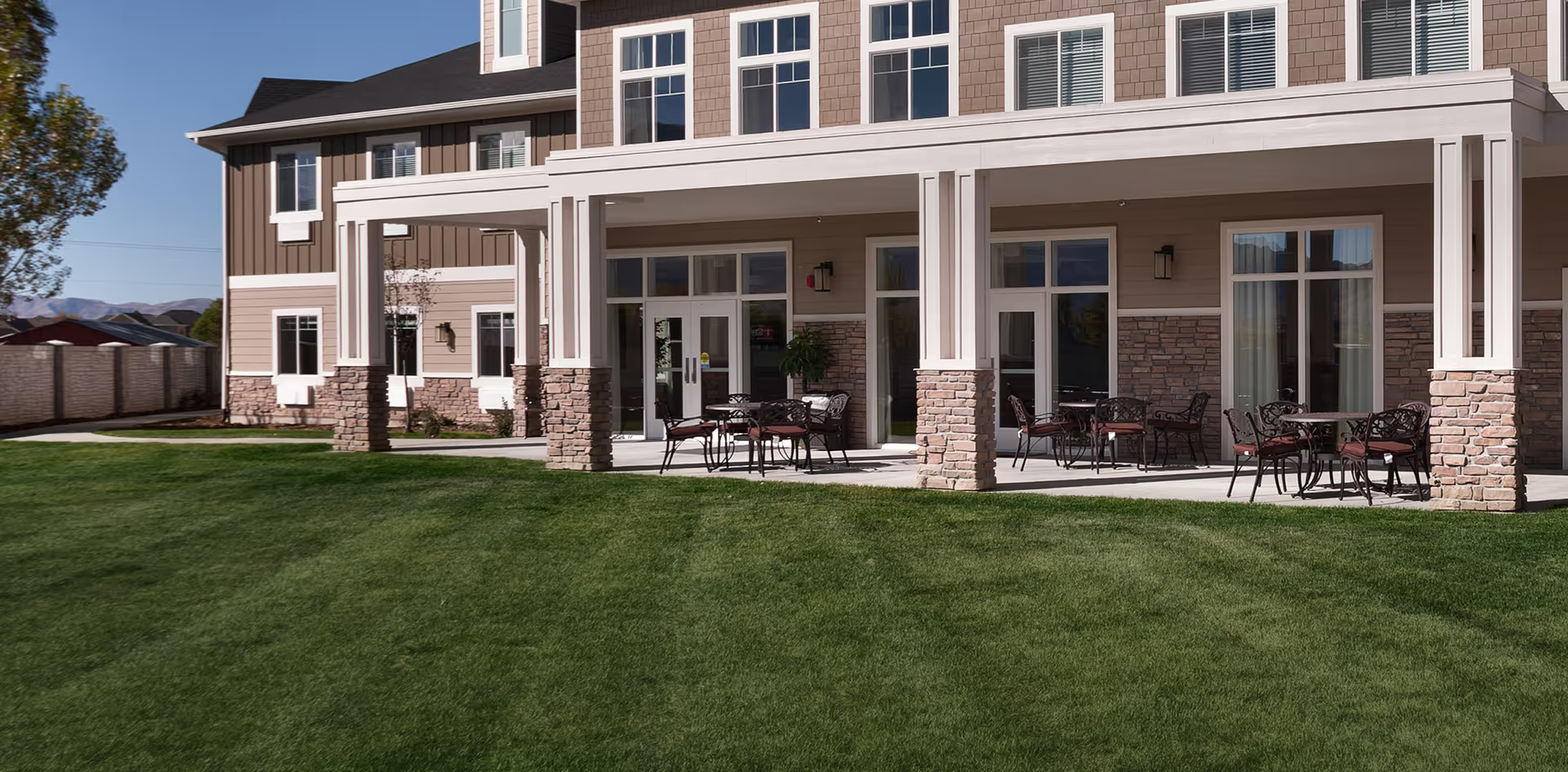
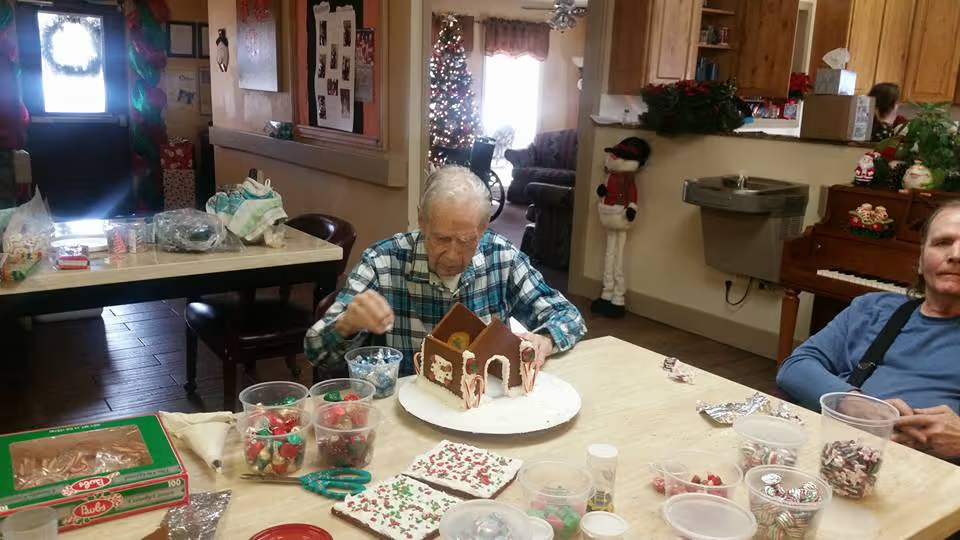
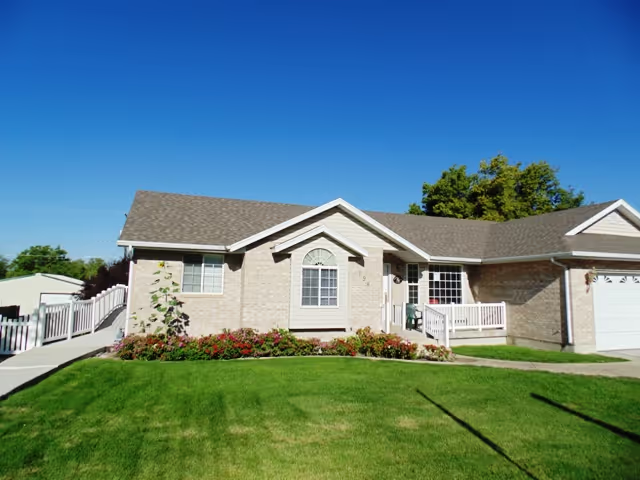
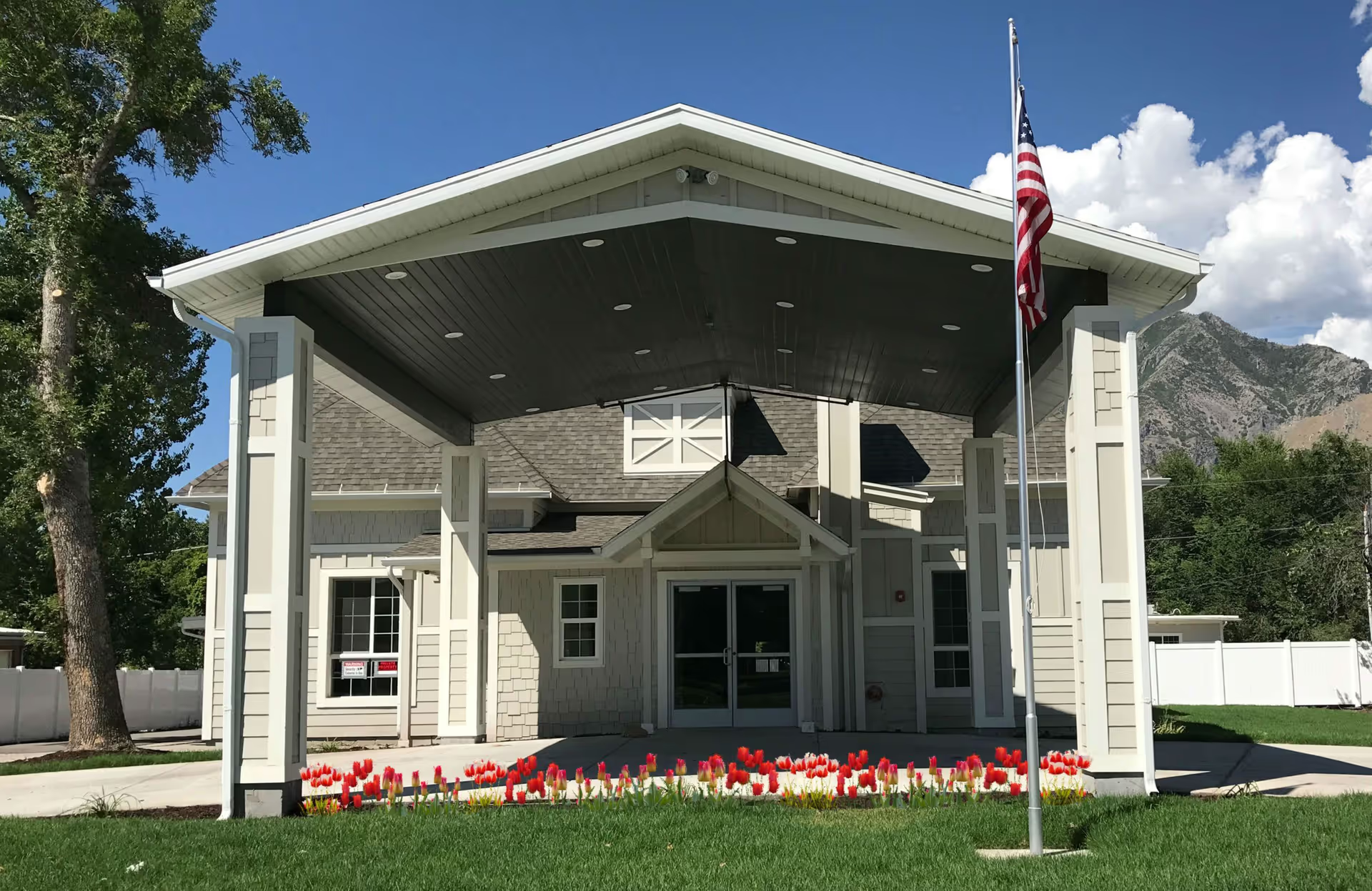
Dining and activities are other strong areas. The facility is described as clean, bright, and well-maintained, with private-suite options and pleasant communal spaces. The activities program is described as robust and creative, including community outings, cultural events, and animal-related activities that engage residents. Kitchen and dietary staff receive positive mentions for food and accommodation of family needs, although there are isolated mentions of inconsistent meal assistance and oral-care practices that point to operational gaps during mealtimes.
Operationally, reviewers identified several recurring concerns that merit attention. Staffing adequacy is the most prominent operational issue — understaffing during some shifts appears to correlate with delays in assistance and variable care quality. Medication-management lapses and timing delays are another significant theme; these comments indicate a need for stronger medication-administration controls and oversight. Relatedly, there are observations about inconsistent clinical oversight and uneven physician responsiveness, which can affect continuity of medical decisions for residents. Some reviewers also raised concerns about safety and security process gaps.
Management and facility leadership present a mixed but improving picture. Several reviewers specifically note improvements under newer management, including better responsiveness, enhanced programs, and visible maintenance standards. Where leadership is active and communicative, families report positive experiences and effective issue resolution. However, the variability in day-to-day operations suggests that sustaining those improvements across all units and shifts is an ongoing challenge.
Overall, Parkdale appears to offer strong rehabilitation services, an engaging activities program, and many dedicated staff who provide compassionate care. Families considering Parkdale should weigh these strengths against operational concerns — principally staffing consistency, medication administration practices, and some lapses in mealtime assistance — and ask targeted questions during tours about staffing ratios, medication-safety protocols, physician coverage, and supervision across shifts.