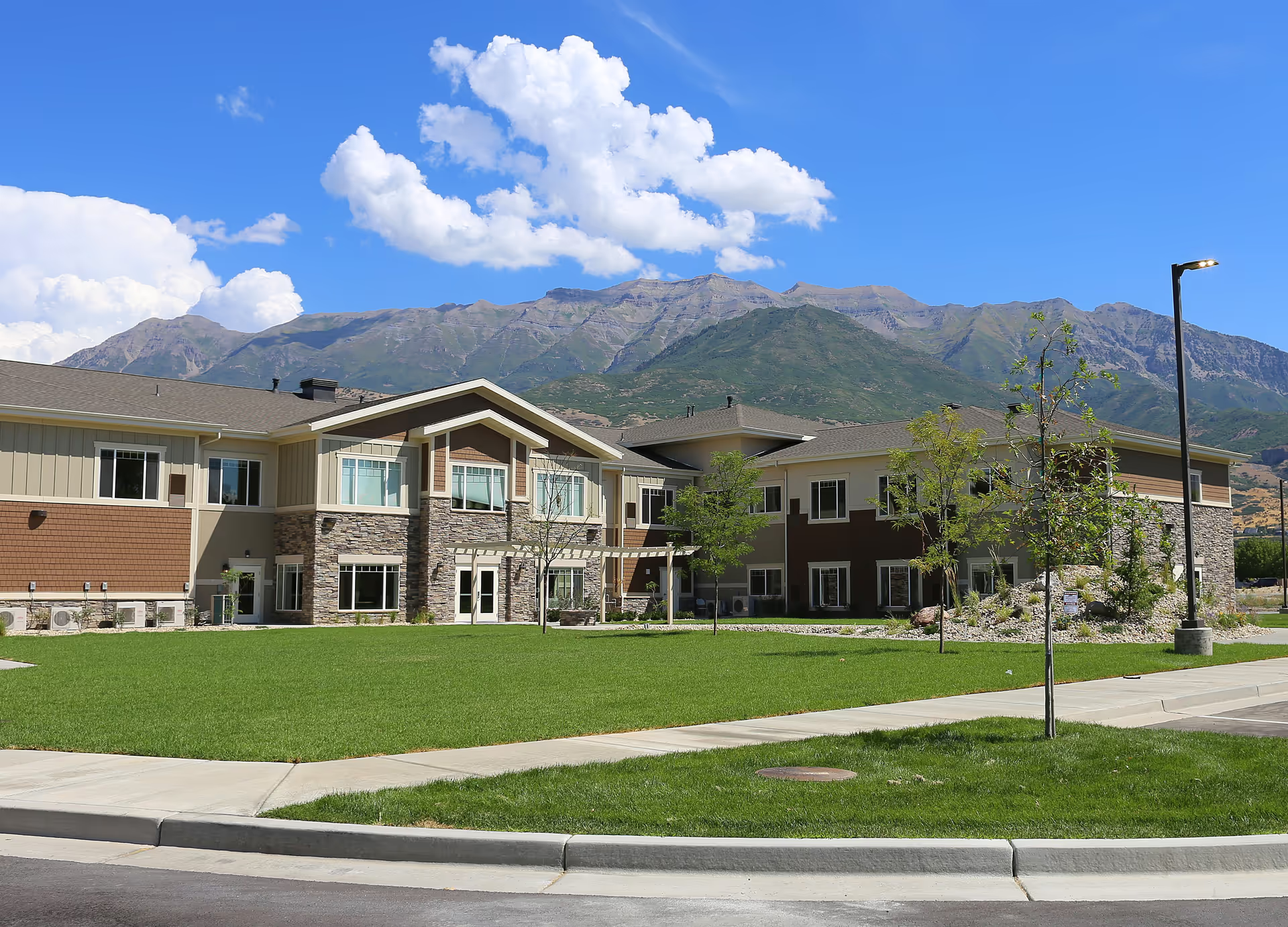
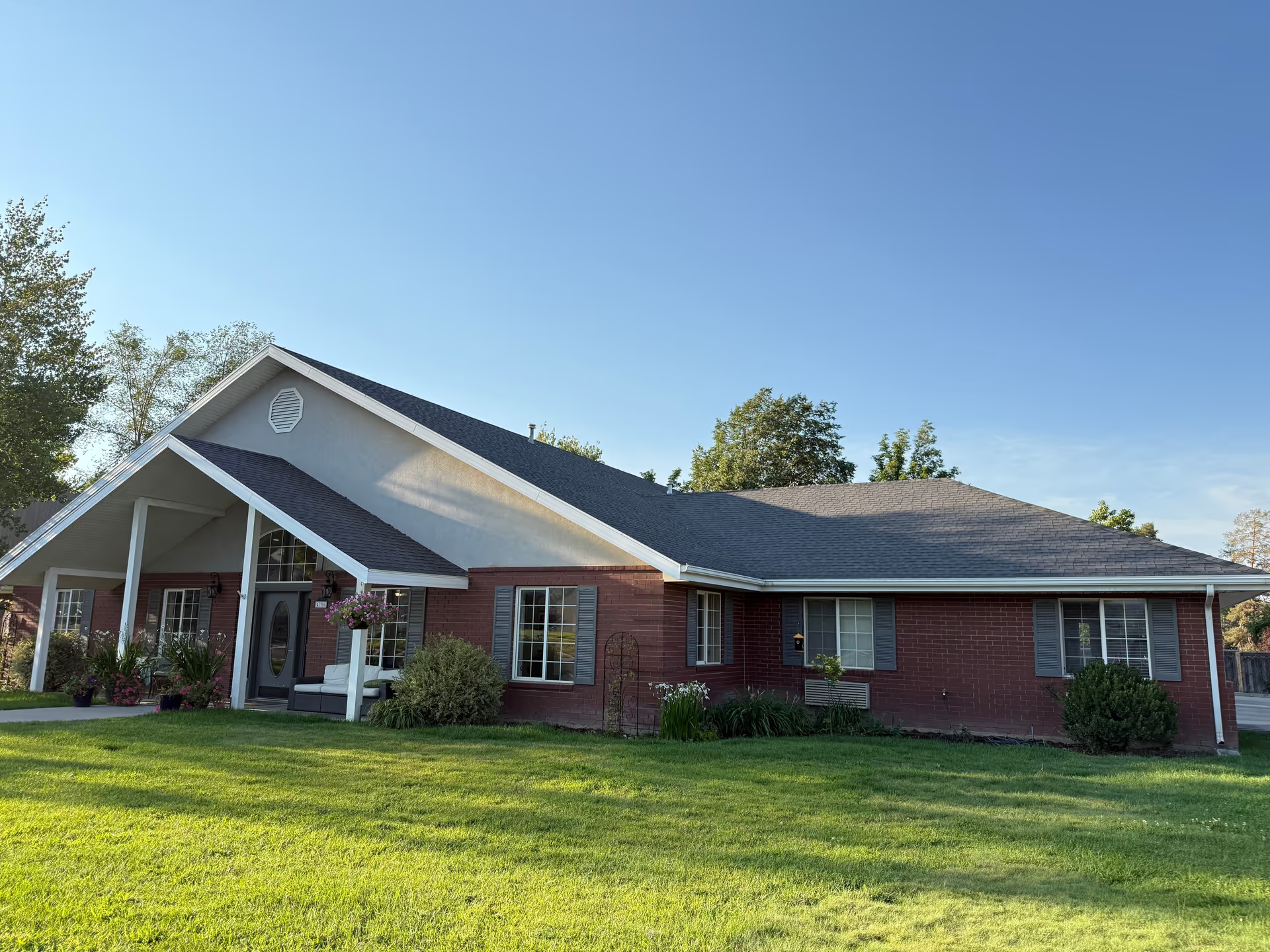
The reviews for Country View Assisted Living present a mixed picture with distinct strengths alongside persistent operational concerns. Several reviewers praised frontline caregiving staff and described a family-like culture; others raised substantive issues about clinical coordination, facility maintenance, dining, and safety practices. Prospective residents and families will likely encounter both highly positive interpersonal experiences and areas where systems and infrastructure appear inconsistent.
Care quality: Caregiving staff—particularly CNAs and aides—are frequently described as compassionate, attentive, and willing to go beyond their job descriptions to support residents. At the same time, there are recurring concerns about clinical continuity and how medical events are managed. Reviews referenced delays or gaps in clinical response, challenges coordinating hospital transfers, and instances where post-transfer care protocols appeared inadequate. These comments suggest inconsistent clinical oversight and the need to clarify care protocols, on-call procedures, and escalation channels before placement.
Staff and management: Several accounts single out the administrator (named Laina) as responsive and effective, and multiple comments indicate that the facility has improved under current leadership. Many reviewers also describe strong, nurturing relationships between staff and residents. Counterbalancing that, other reviews note rude interactions, limited staff knowledge in some shifts, and poor communication with families. This pattern points to variability in staff training, supervision, or staffing stability; leadership involvement appears to be a clear positive but may not be uniformly experienced across all shifts or teams.
Dining and activities: Dining impressions are notably inconsistent. Some reviewers compliment the dietary staff and call the food very good, while others report repetitive menus, frequent high-fat or processed choices, and a lack of accommodations for specific dietary restrictions (for example, diabetes-friendly or low-fat options). Activity programming is cited as limited by some reviewers, with comments describing little structured social programming. Families should inquire about current menus, special-diet accommodations, sample meals, and the activity calendar during a visit.
Facilities and safety: Physical plant concerns appear in multiple areas. Specific complaints include water intrusion and moisture-control problems, carpet and housekeeping issues in parts of the building, and small rooms with limited in-room bathroom access and few communal showers. There are also safety-related concerns: reviewers questioned the rigor of resident screening and background checks and raised worries about placement of higher-risk individuals near community areas (including an expressed concern about proximity to a school). Given the seriousness of those issues, families should request documentation of background-check procedures, safety protocols, and the facility’s approach to resident risk assessment.
Financial transparency and policies: Some reviewers described pressure around additional fees and unclear billing practices. Conversely, other comments highlighted competitive pricing and the ability to accommodate couples without extra charge. Prior to move-in, it is advisable to obtain a clear, written explanation of all fees, refund policies, and any conditions that could trigger additional charges.
Notable patterns and recommendations: The overall pattern is of a facility with strong, committed caregiving staff and a visible, effective administrator in some accounts, but with operational inconsistencies that affect safety, cleanliness, clinical coordination, and dining. Prospective residents and families should conduct an in-person tour, request to meet the administrator, ask for current policies on background checks and incident reporting, review clinical-transfer protocols, inspect several rooms and common areas for maintenance and sanitation, sample the menu, and obtain a clear written fee schedule. Speaking with current families and observing staff–resident interactions during different shifts can help determine whether the positive aspects are typical and whether the operational concerns have been addressed.