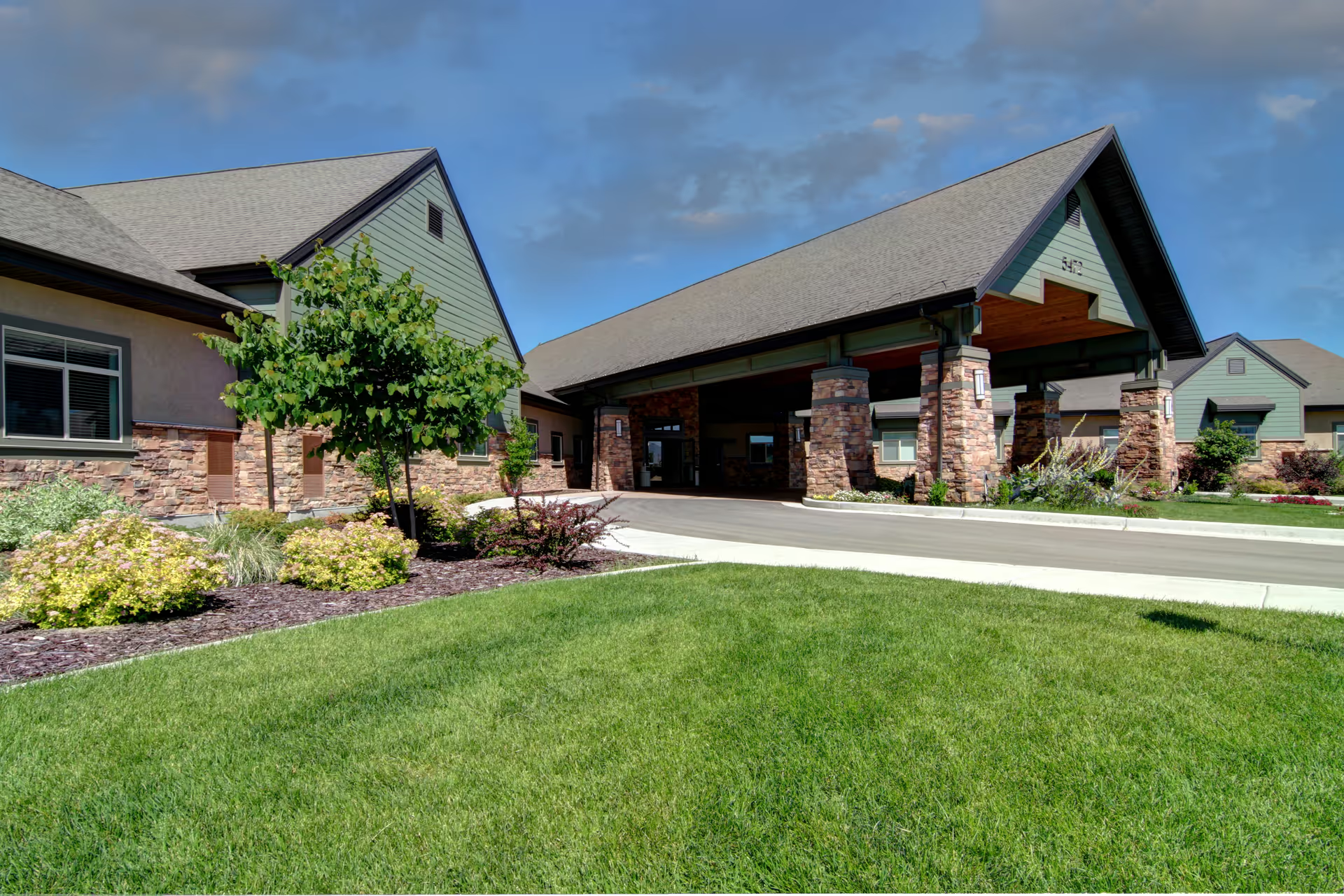
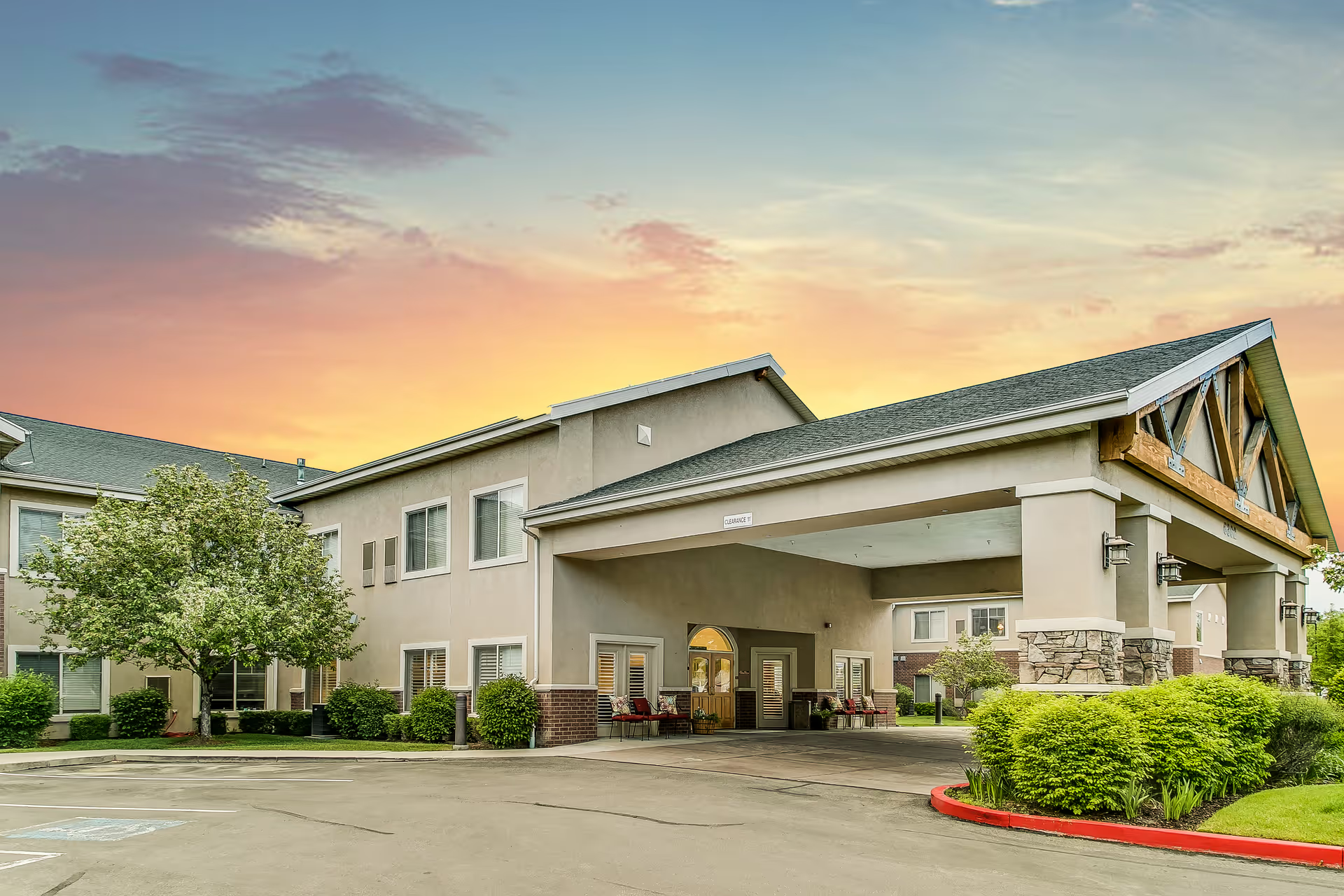
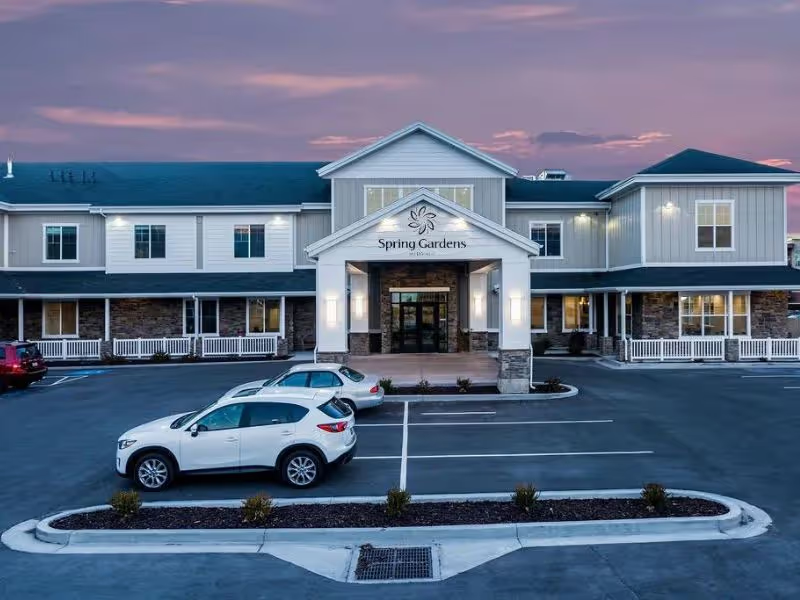
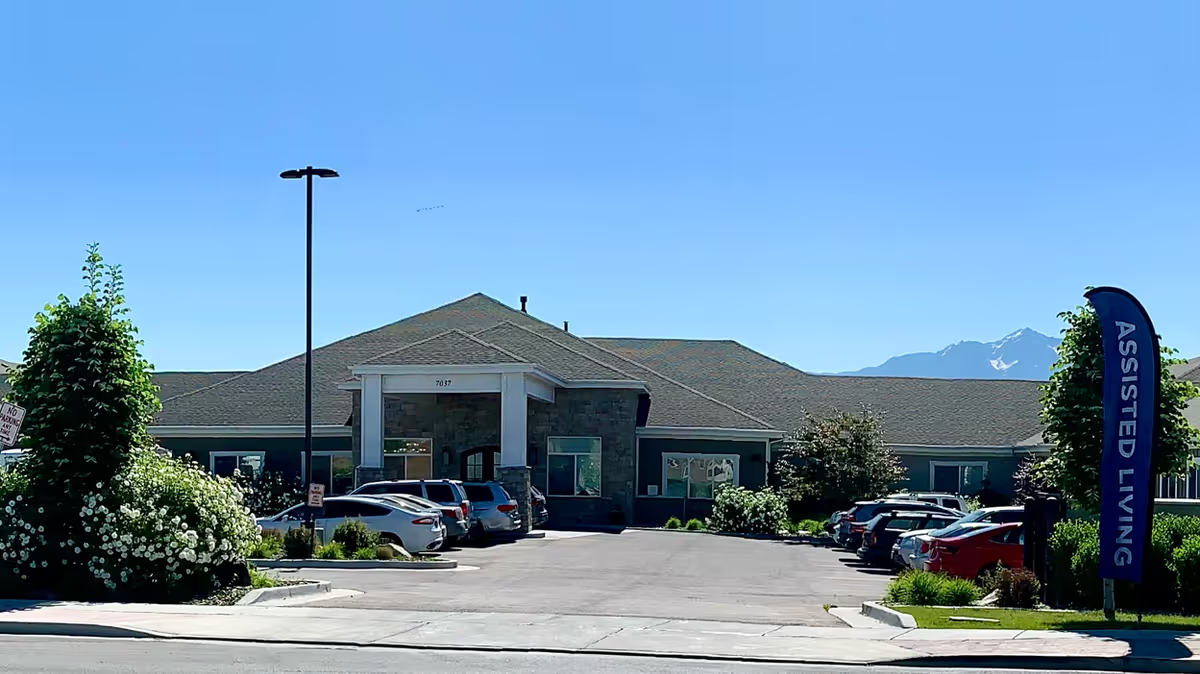
Truewood by Merrill, Taylorsville presents a mixed but largely community-oriented profile. Many reviewers emphasize warm, family-style staff interactions, a robust activities program, and a generally clean and pleasant campus environment. The facility offers a range of amenities—on-site salon and spa services, fitness and activity rooms, patios and outdoor seating, in-unit conveniences (microwave, mini-fridge, phone, cable) and Wi‑Fi—that support independent and transitional assisted living. Families frequently cite strong admissions/transition support and proactive clinical coordination including regular care conferences and effective emergency response in numerous cases.
Staff and clinical care are frequently described as a strength: caregivers, CNAs, med-techs and certain nurses and administrators receive consistent praise for attentiveness, personalized care, and communication. At the same time, there is a clear pattern of variability in operational consistency. Several reviews describe lapses that point to systemic issues—intermittent staffing shortages, scheduling gaps, and occasions of delayed clinical follow-up or medication administration—that prospective families should investigate further. Where clinical staffing and leadership are stable, reviewers report high satisfaction; where turnover or coverage gaps exist, families report more concerns.
Dining and activities are prominent positives for many residents. The community runs an active calendar (crafts, music appreciation, outings, walking groups, religious services, seasonal events) and offers selectable entrée menus. However, reviewers also describe inconsistent meal quality and occasional limitations in accommodating special dietary needs. Activity offerings are broad and social engagement is strong, yet reliability of scheduled events can be uneven when staff or event leaders are unavailable. Prospective residents should confirm current programming and dietary accommodation policies during a visit.
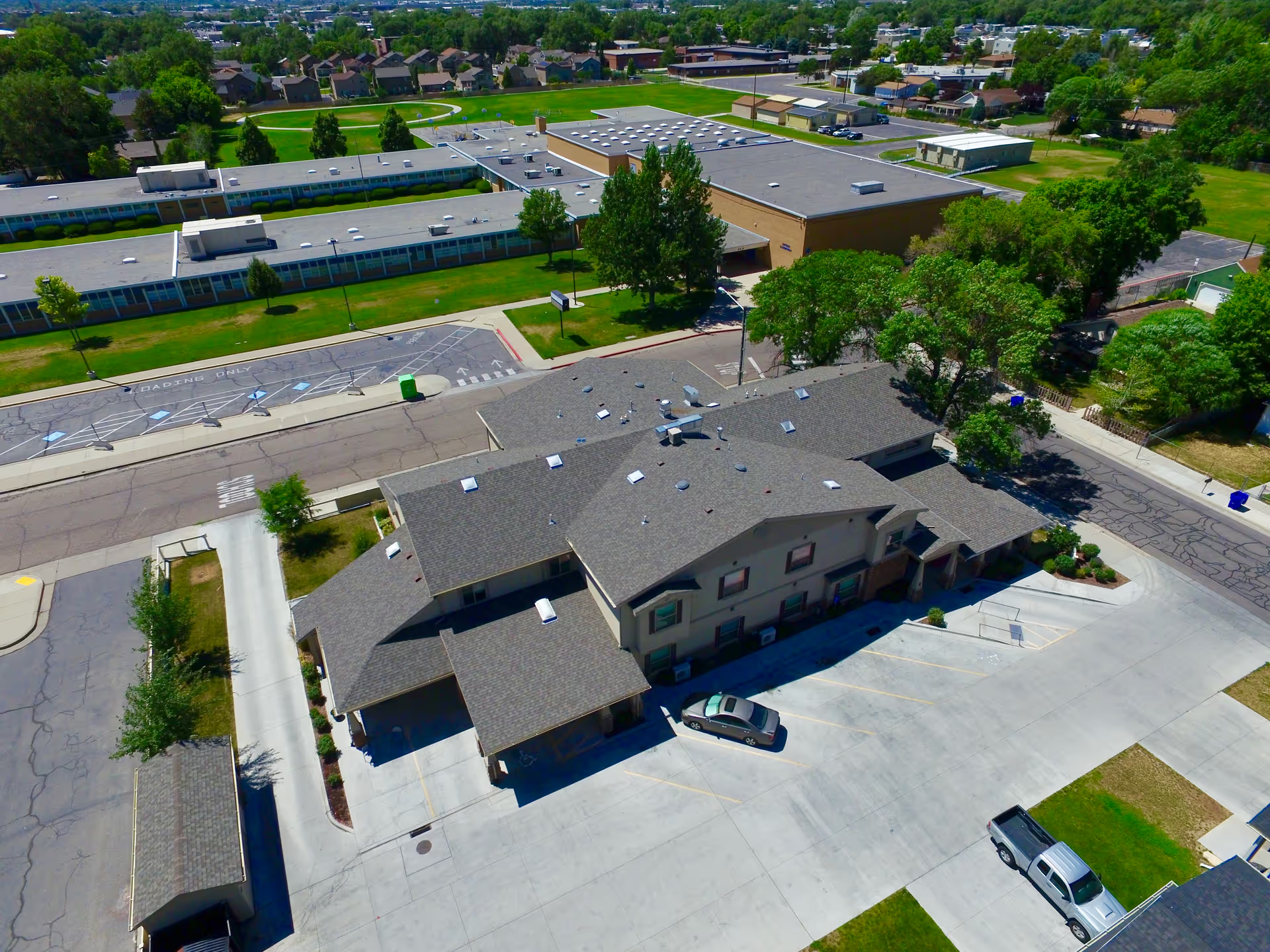
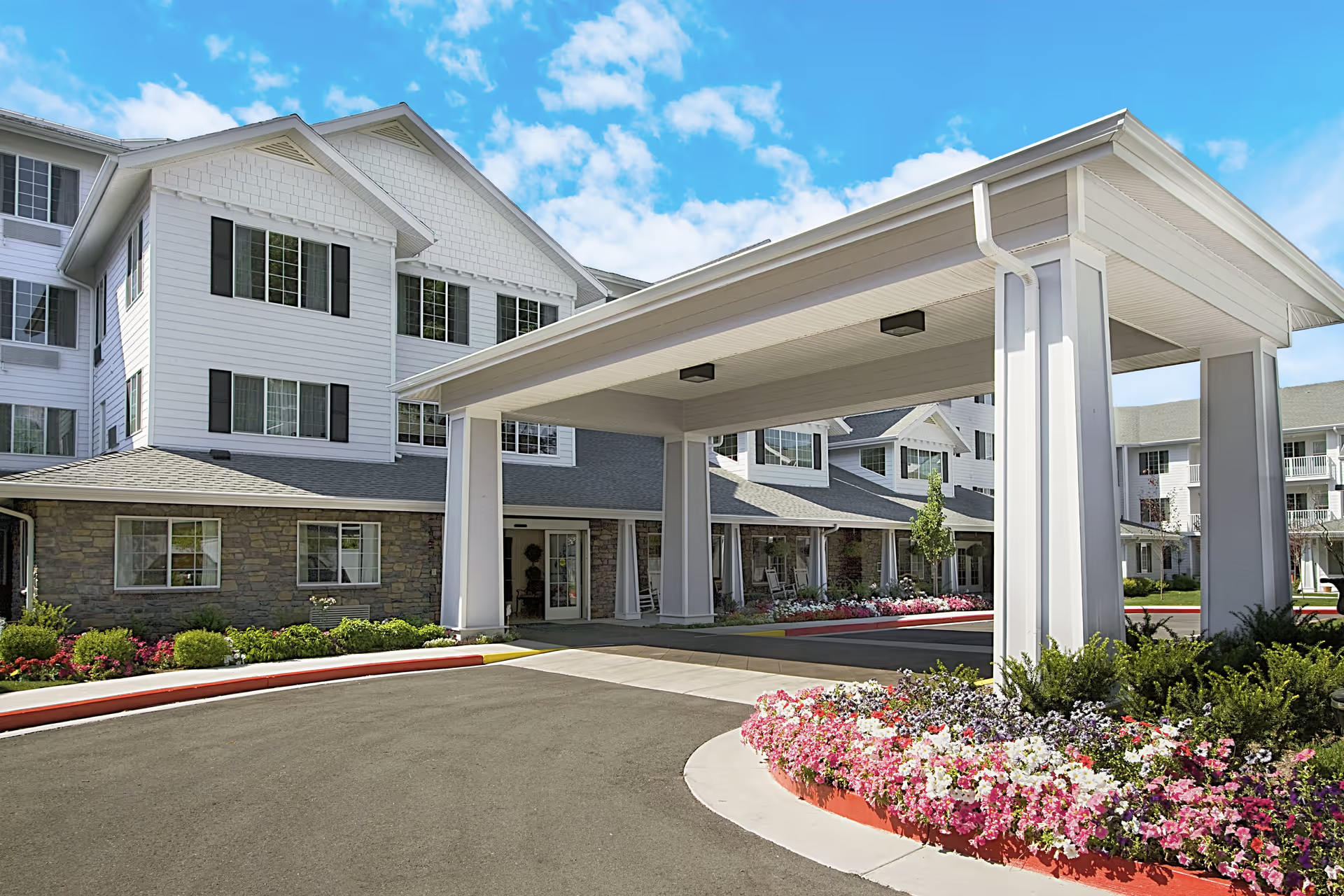
The physical plant and amenities show a combination of well-maintained common spaces and areas needing attention. Several reviews praise clean grounds, attractive dining areas, and recent remodels in parts of the building. Other comments indicate older, smaller units with dated decor, limited private-bathroom options (reliance on hallway showers for some units), and episodic maintenance failures—most notably HVAC performance in seasonal extremes. Parking and drop-off logistics have been described as inconvenient in some cases. These attributes suggest touring specific unit types and verifying expected timelines for any ongoing renovations.
Management and operational transparency vary across accounts. Some families describe responsive directors and proactive follow-up; others describe management turnover, delayed problem resolution, and inconsistent front-desk customer service. There are mentions of regulatory concerns and isolated serious incidents in a few accounts, which warrants asking for recent inspection reports, staffing ratios, and medication-administration protocols. Overall, experiences appear to correlate with current leadership and staffing stability.
Recommendation for prospective families: schedule an on-site tour at multiple times of day, ask to see the exact unit you would occupy, review recent inspection and staffing records, request written policies on medication administration and special-diet accommodations, inquire about HVAC and maintenance schedules, confirm activity staffing and event reliability, and discuss contingency plans for residents whose care needs increase. These steps will help evaluate whether the community’s strengths—engaged staff, active programming, and on-site amenities—align with your relative priorities and clinical needs given the variability noted in operational consistency.