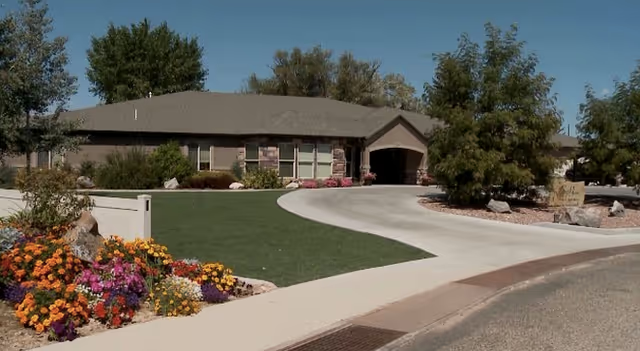
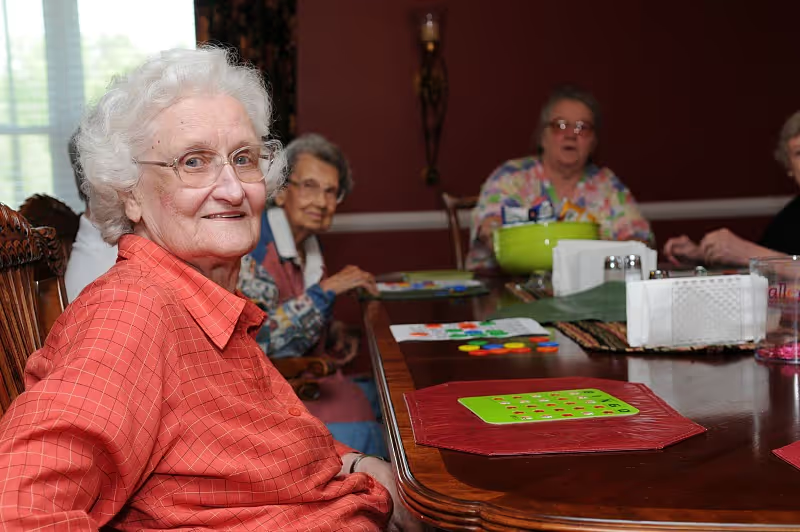
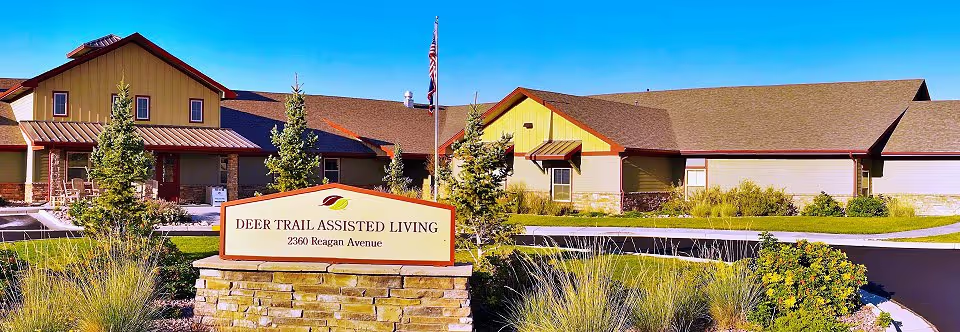
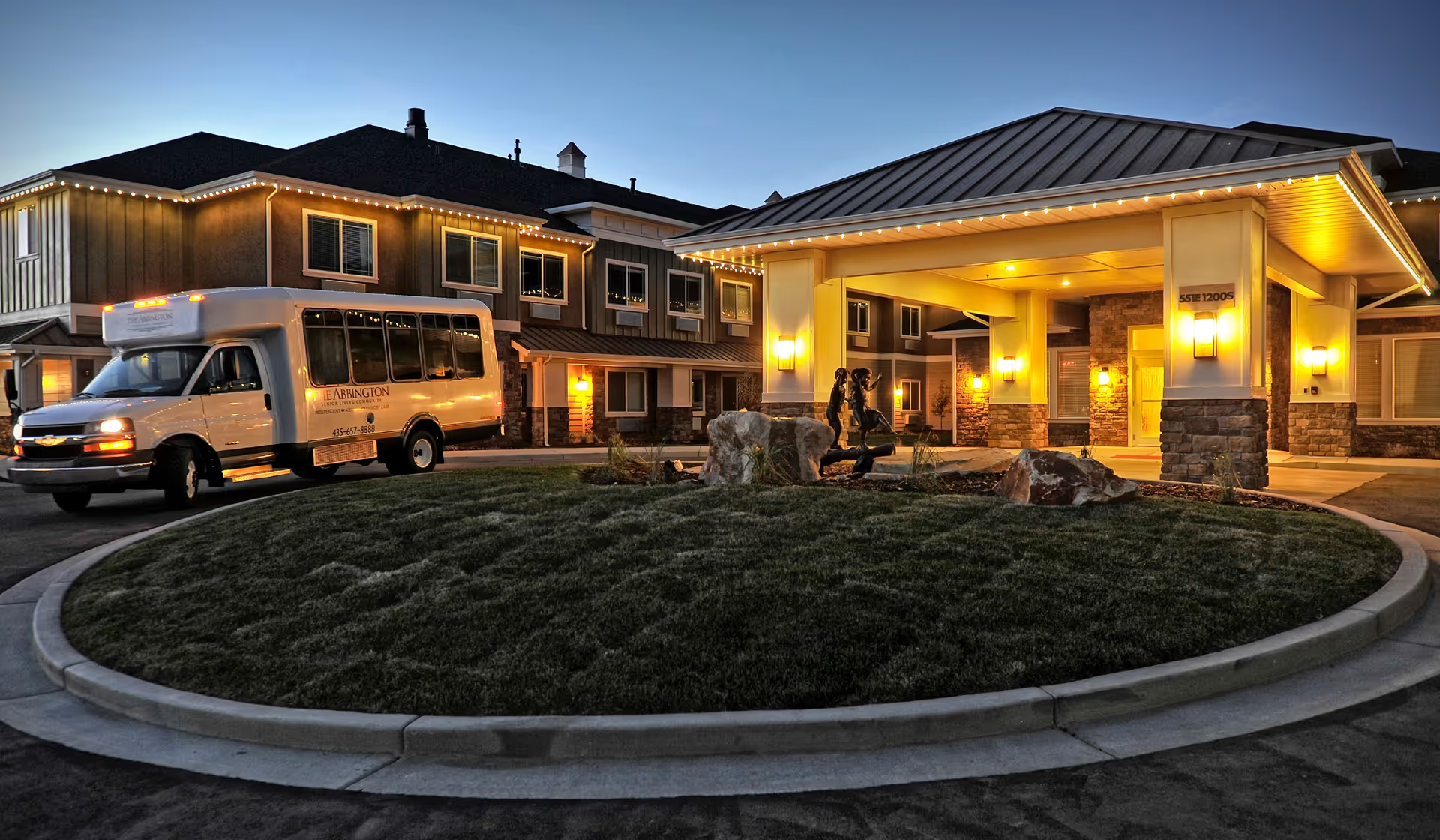
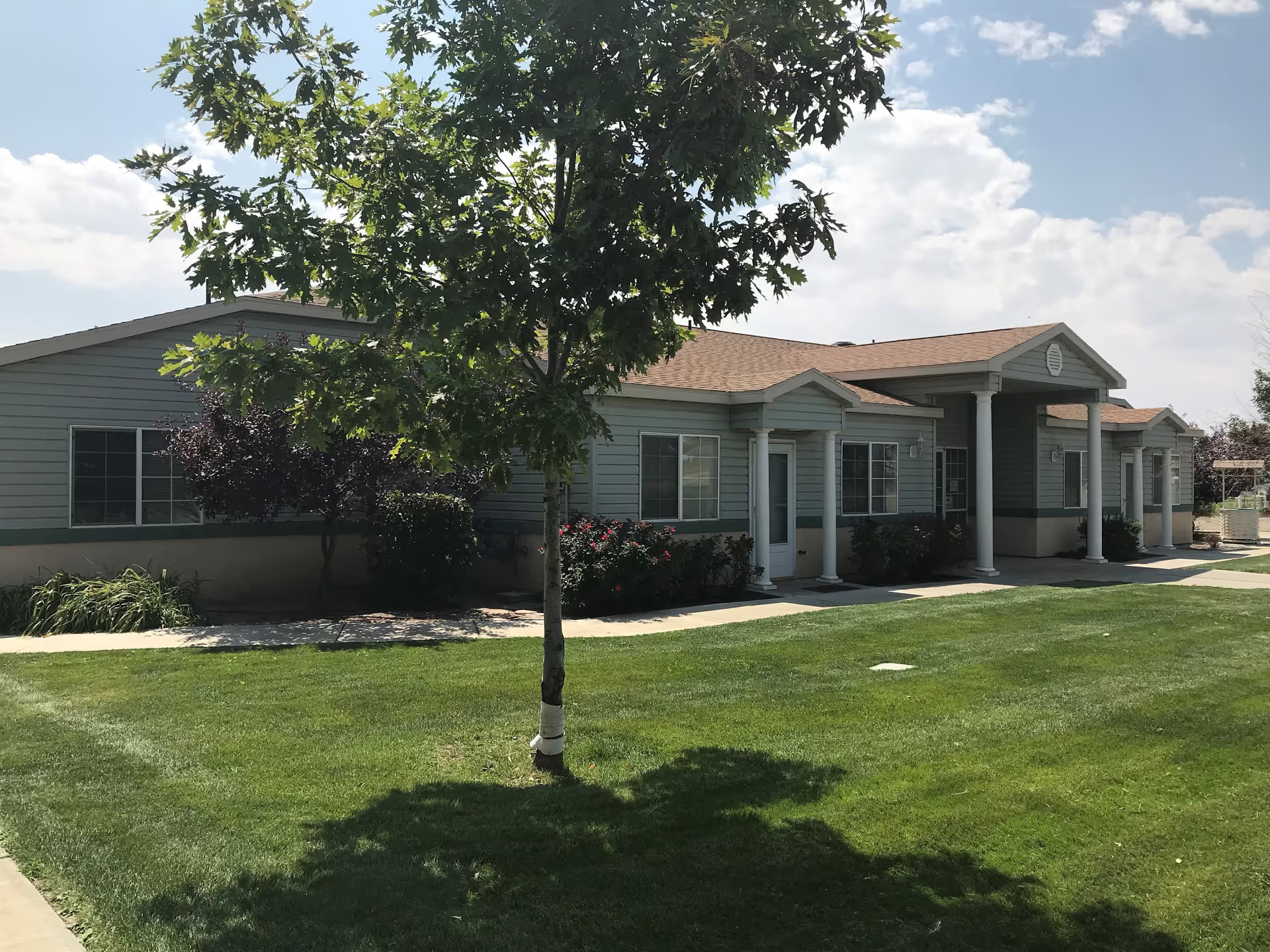
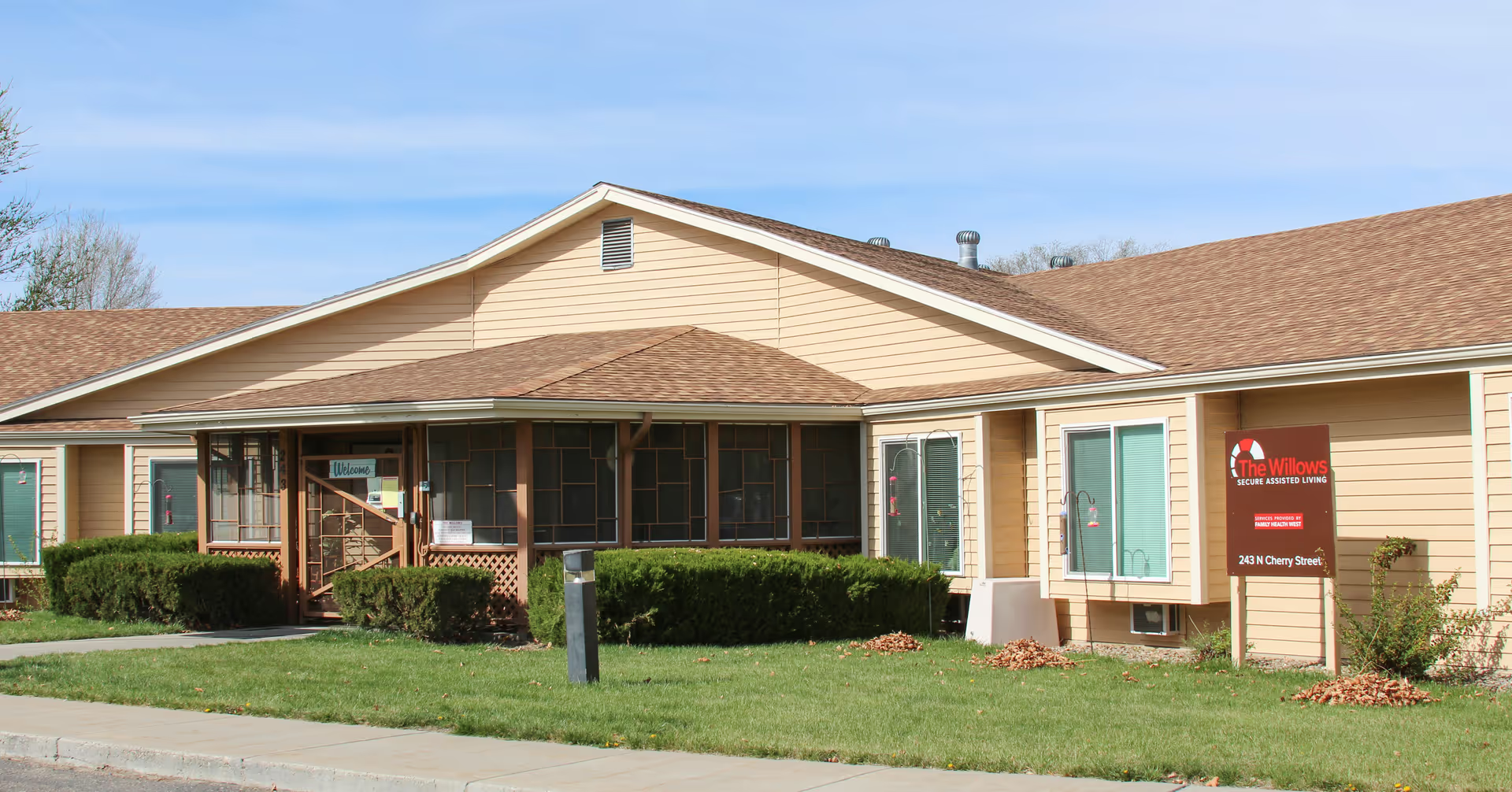
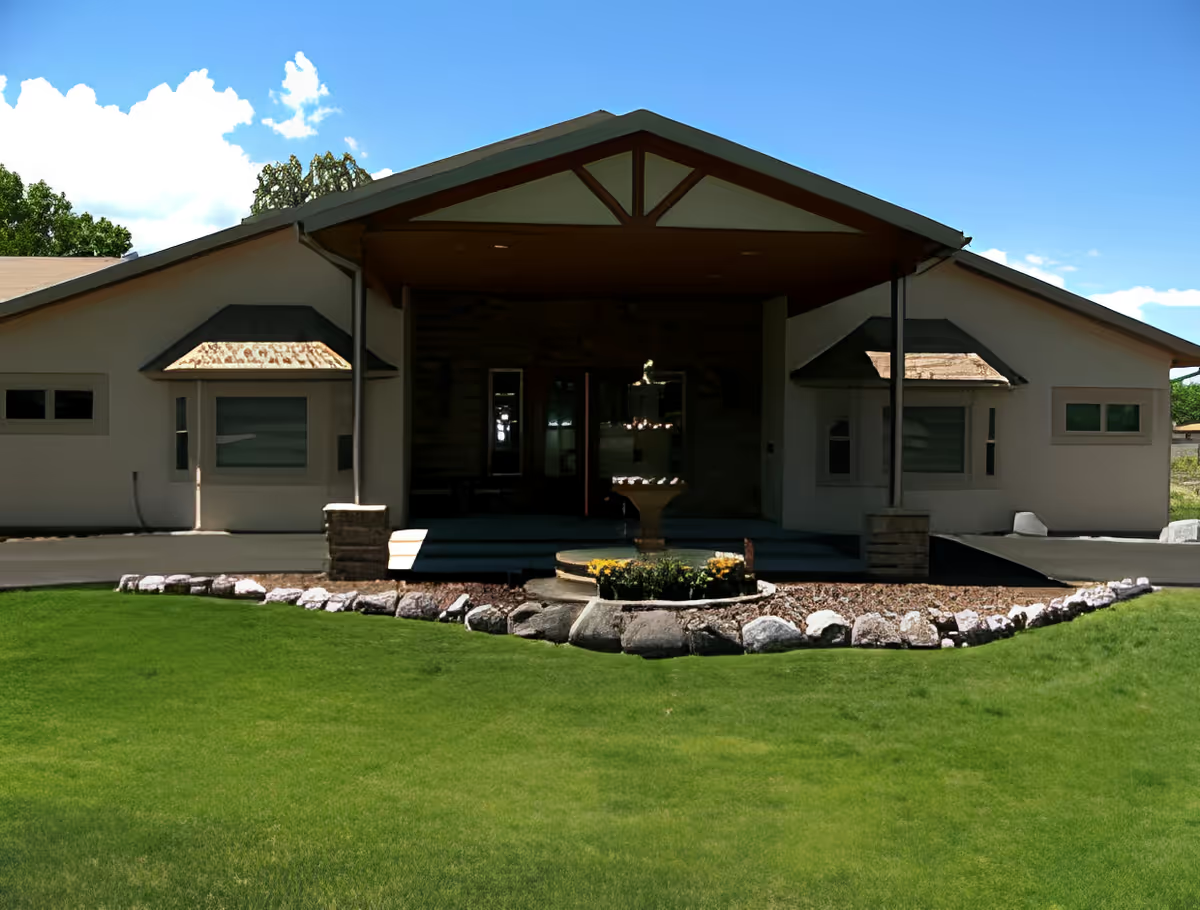
Overall impression Reviews portray BeeHive Homes of Maeser as a visually appealing and welcoming community with a generally positive atmosphere. Reviewers repeatedly describe the facility as attractive and note friendly, caring staff. Visits were described as enjoyable and families encountered residents who appeared happy and engaged, suggesting strengths in day‑to‑day social environment and staff–resident rapport.
Care quality and staff Comments emphasize warm, attentive caregiving and a staff that is approachable and pleasant during visits. These observations point to a staff culture that prioritizes interpersonal interactions and visitor comfort. At the same time, remarks expressing discomfort or apprehension about some residents indicate an area for operational attention: specifically, the facility may have inconsistent practices around resident presentation or grooming that affect visitor perceptions. That pattern suggests a potential need for clearer routines or protocols to support resident appearance and dignity, and for additional staff training to proactively manage visitor–resident interactions when residents have visible age‑related changes or behavioral needs.
Dining and activities Review text does not provide detailed information about dining quality or specific programs. Positive descriptions of the environment and enjoyable visits imply that communal life and social programming are functioning acceptably, but there is insufficient direct feedback to make firm conclusions about meal service, menu variety, or the breadth of activities. Prospective families should request current activity calendars and sample menus during a tour to verify those areas.
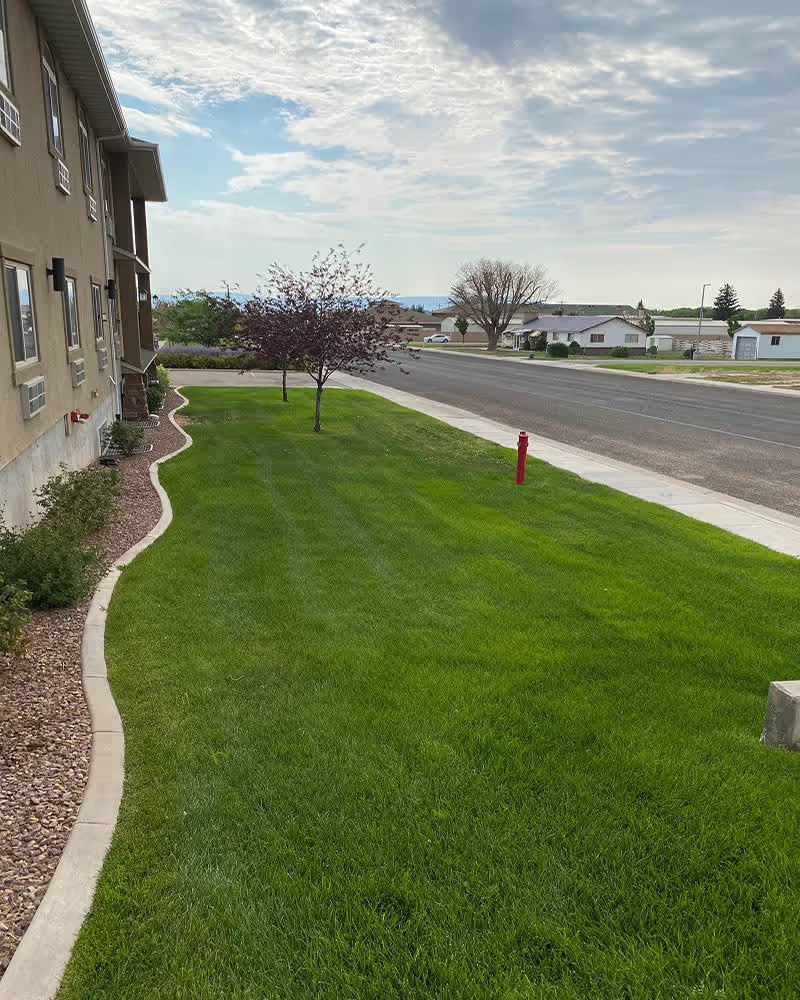
Facilities and management The facility’s physical condition is repeatedly described positively, indicating effective maintenance and a pleasant interior and exterior environment. Positive staff behavior as reported by visitors suggests capable day‑to‑day management; however, the themes about resident presentation and visitor discomfort point to an operational gap that management could address through policy and training. Specific actions that would align with the exhibited strengths include formalizing grooming and presentation routines, offering staff coaching on facilitating visitor interactions, and providing visitors with brief orientation about common age‑related conditions and how best to engage with residents.
Notable patterns and recommendations The dominant positive pattern is a friendly, attractive community where visits are enjoyable and residents appear content. The primary concern that emerges is visitor discomfort tied to some residents’ appearance or behaviors, which likely reflects modifiable operational practices rather than unresolvable conditions. Families touring the community should observe resident presentation and ask management about grooming routines, behavioral-support protocols, and how staff prepare and support visitors. Management may wish to review training and visitor‑orientation materials to reduce visitor apprehension and to reinforce resident dignity and social engagement.