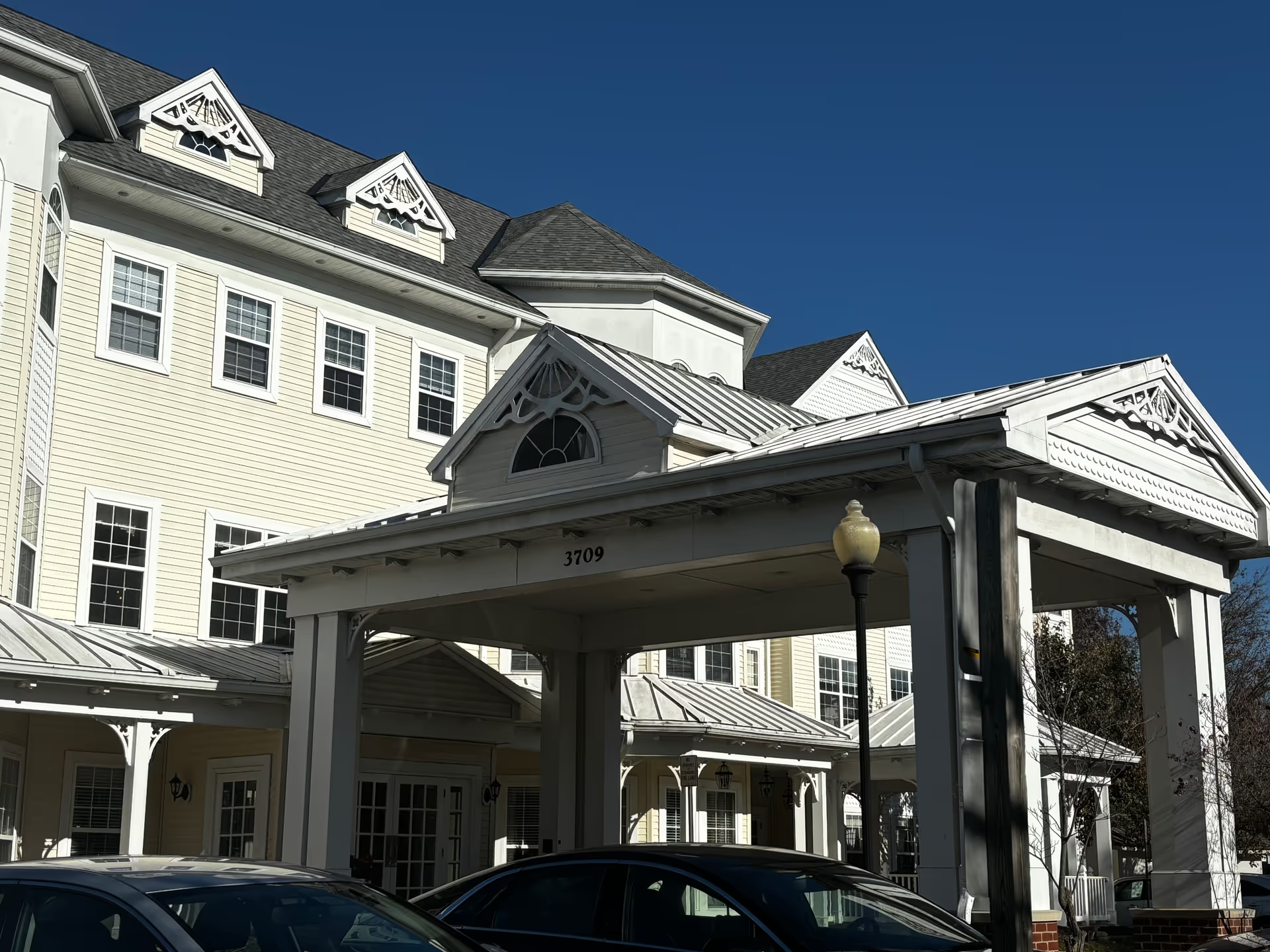
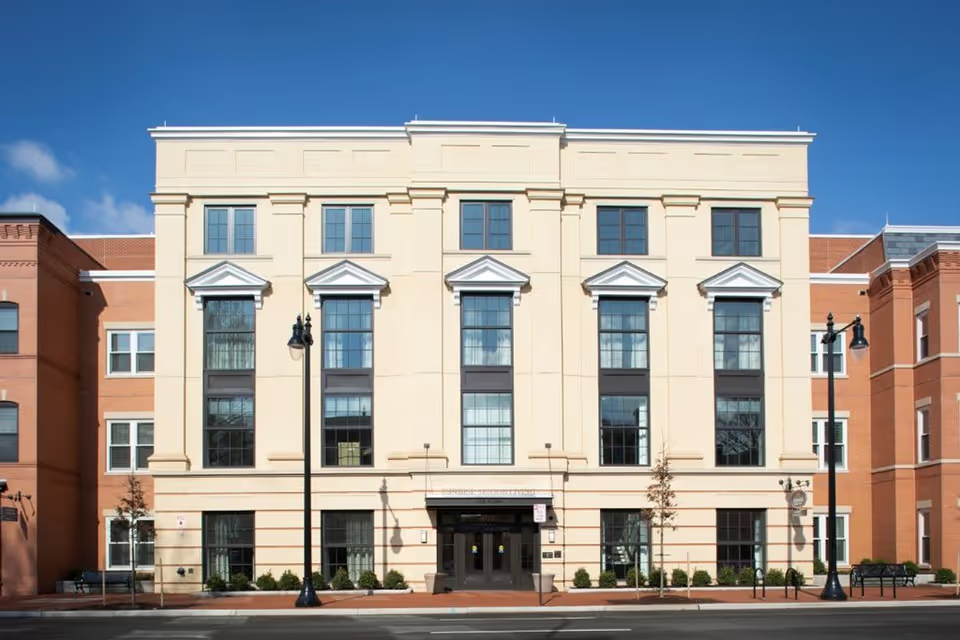
Paul Spring is a long-established continuing care community with many strengths visible in the reviews: a generally clean, well-maintained campus; bright, renovated apartments; a diverse and active life-enrichment program; chef-driven dining; and a staff culture that many families describe as attentive and welcoming. The facility's integration of independent living, assisted living, and memory care, together with van transportation and abundant outdoor amenities, supports a broad range of resident preferences and activity levels. Admissions and move-in coordination are frequently described as smooth and personalized, and multiple reviewers highlighted the benefit of signature programming (RUI University, outings, fitness classes) that fosters engagement.
Clinical care impressions are mixed. Numerous accounts praise compassionate nursing and caregiving staff and good rehabilitation/therapy relationships, while other accounts describe operational gaps in clinical responsiveness. Specific operational themes raised include delays in attending to personal-care needs, inconsistent attention to wound care, and variability in medication-management processes. The community does not present as a facility with a full-time on-site physician; clinical coverage appears to rely on LPN visits, outside physicians, and nursing staff. Prospective families should confirm current on-site clinical staffing patterns and escalation protocols.
Dining and activities are major positives for many residents: reviewers frequently cited varied menus, well-presented meals, special-event dining, and robust programming that ranges from arts and crafts to lifelong learning classes. A number of reviewers, however, described a decline or variability in meal quality over time and raised concerns about meal-delivery consistency for residents who cannot access the dining room. It is reasonable to verify current dining policies for residents requiring in-room service or assisted feeding.
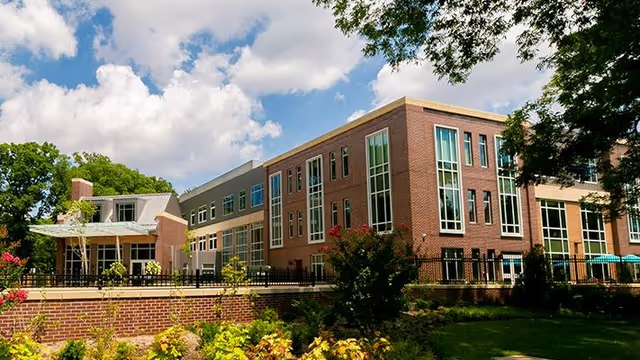
Facility and operational factors are influenced by the community's origin as a renovated school building. The campus is praised for attractive landscaping, accessible outdoor spaces, and home-like common areas, but the older layout produces some mobility and accessibility trade-offs (long walks to dining, odd circulation in parts of the building). Reviewers also called out wifi/connectivity gaps in units and occasional intrusiveness related to staff routines or open-door practices; these are operational details families may want to evaluate in a tour.
Management and consistency are the most notable pattern in the feedback. Many families commend individual staff members, activity leaders, and certain nursing personnel by name and describe strong relationships and responsive communications. Other families described limited or inconsistent follow-up from leadership during acute events, concerns about administrative decisions (including deposit/refund handling), and the effect of leadership turnover on continuity of care. There is at least one mention of an infection-control event in 2020 that intersected with communication challenges; prospective residents should ask about current infection-prevention policies and family-notification procedures.
In summary, Paul Spring offers a strong social and programmatic environment with many elements that reviewers found highly supportive and home-like. At the same time, there is variability in clinical responsiveness, meal-service continuity, and management consistency that prospective residents and families should investigate directly. Recommended next steps for decision-making include an in-person tour that assesses accessibility for the specific apartment, clarification of clinical staffing and escalation procedures, review of dining and in-room meal policies, and confirmation of current deposit/refund terms and wifi coverage in the unit under consideration.