Reviews present a highly mixed picture of care at this skilled nursing and rehabilitation center. Positive accounts commonly highlight compassionate, attentive caregivers, strong therapy outcomes (physical and occupational), and effective case management and social-work support. Several families commended admissions and discharge processes, coordination with external benefits (including VA assistance), and individual staff members who provided advocacy and emotional support. For many residents the facility functioned as a competent rehabilitation setting where interdisciplinary teams helped restore independence.
Counterbalancing those positive narratives are numerous operational concerns that recur across reviews. The most consistent themes are delays in attending to resident needs (including slow or unresponsive call-button and phone systems), gaps in medication-management procedures, and intermittent under-staffing or supervision shortfalls. Several accounts describe slow or inadequate responses to clinical changes, delayed transports or transfers, and instances where family communication about incidents or clinical status was insufficient. There are also sanitation and housekeeping issues noted by families, including corridor and room odor concerns and inconsistent linen and bathroom maintenance; these are often mentioned alongside worries about personal-care scheduling such as bathing and incontinence-care delays.
Dining and hospitality show wide variability. Some reviewers complimented flexible dietary options and nutritious meals that supported rehab goals, while others described inconsistent meal temperatures, timing issues, and food-allergy or preference errors. Activities and therapy staff are frequently cited as engaged and effective in improving mobility and function, but the overall daily experience can be affected when housekeeping, meal service, or responsiveness are inconsistent.
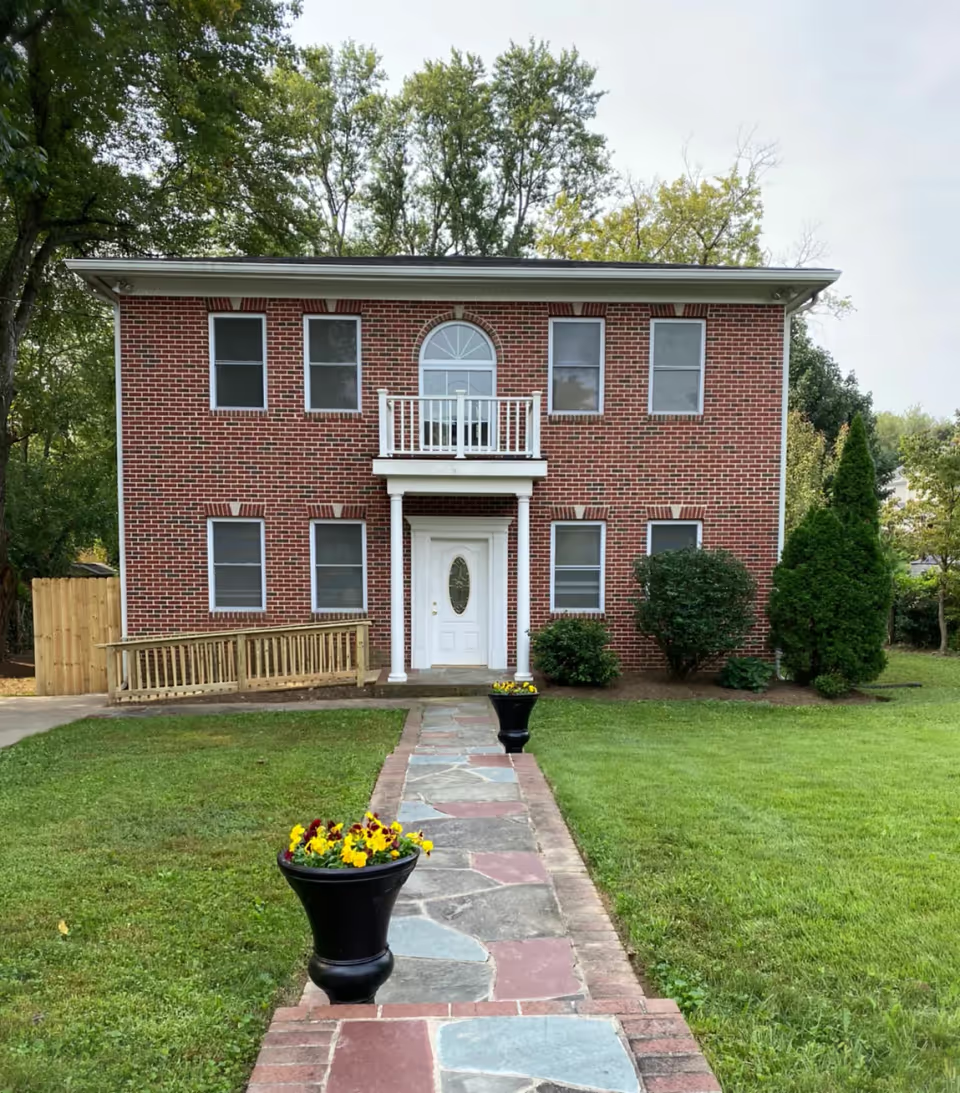
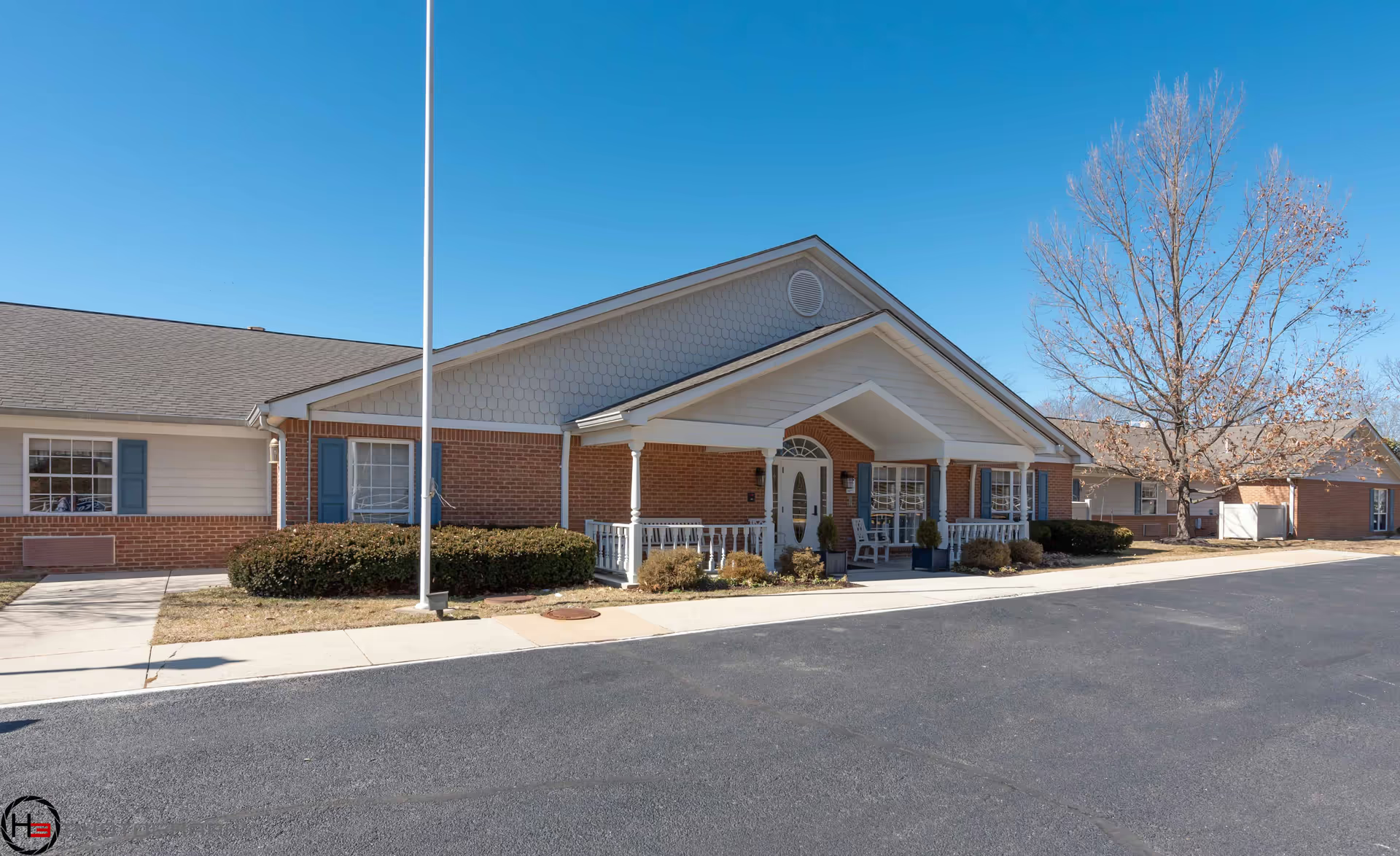
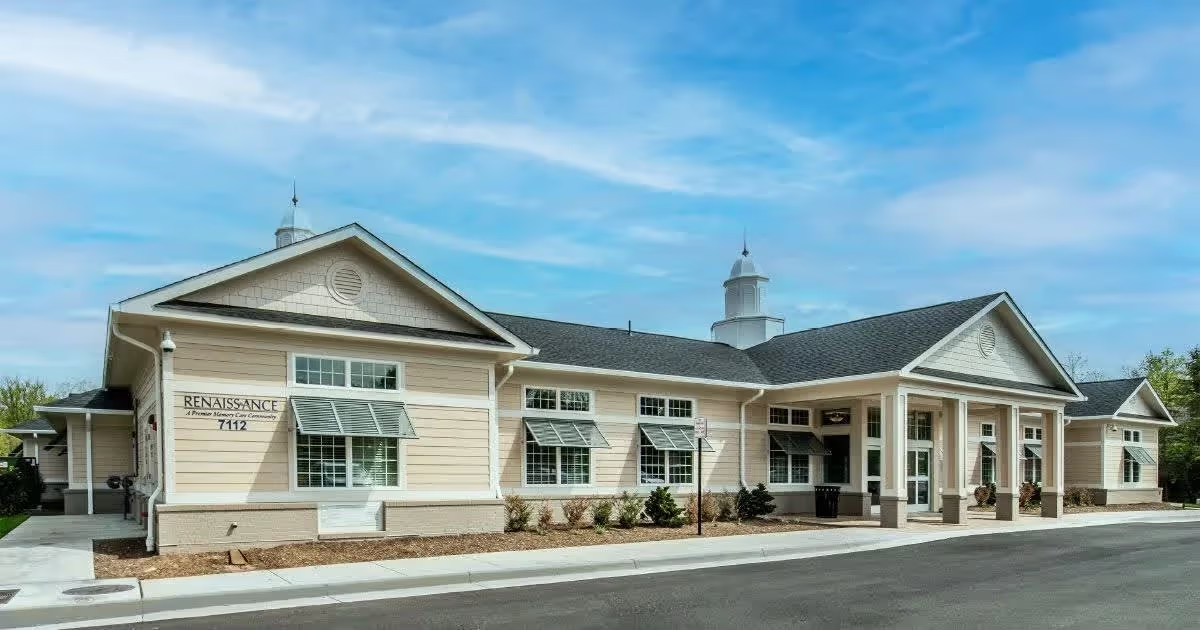
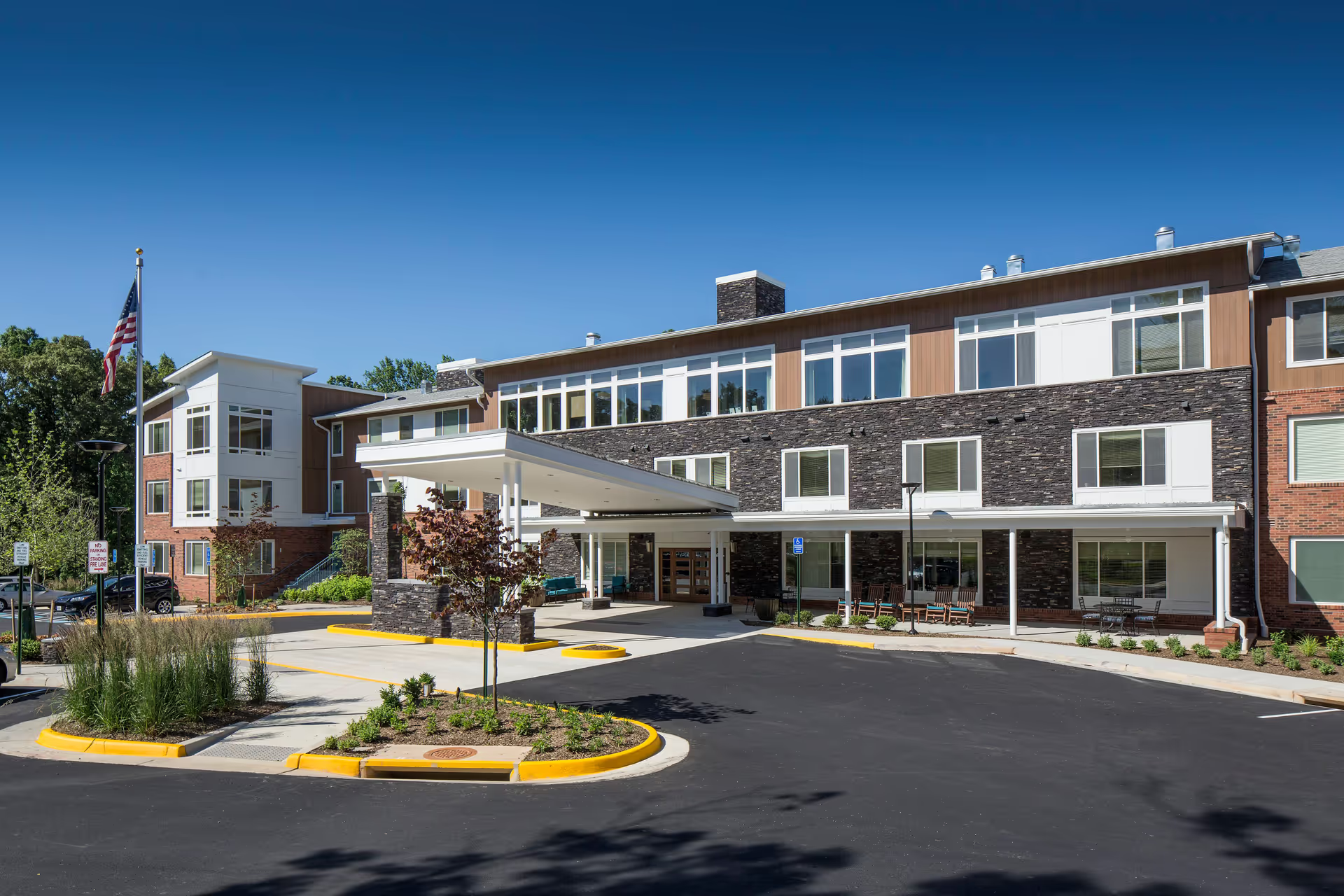
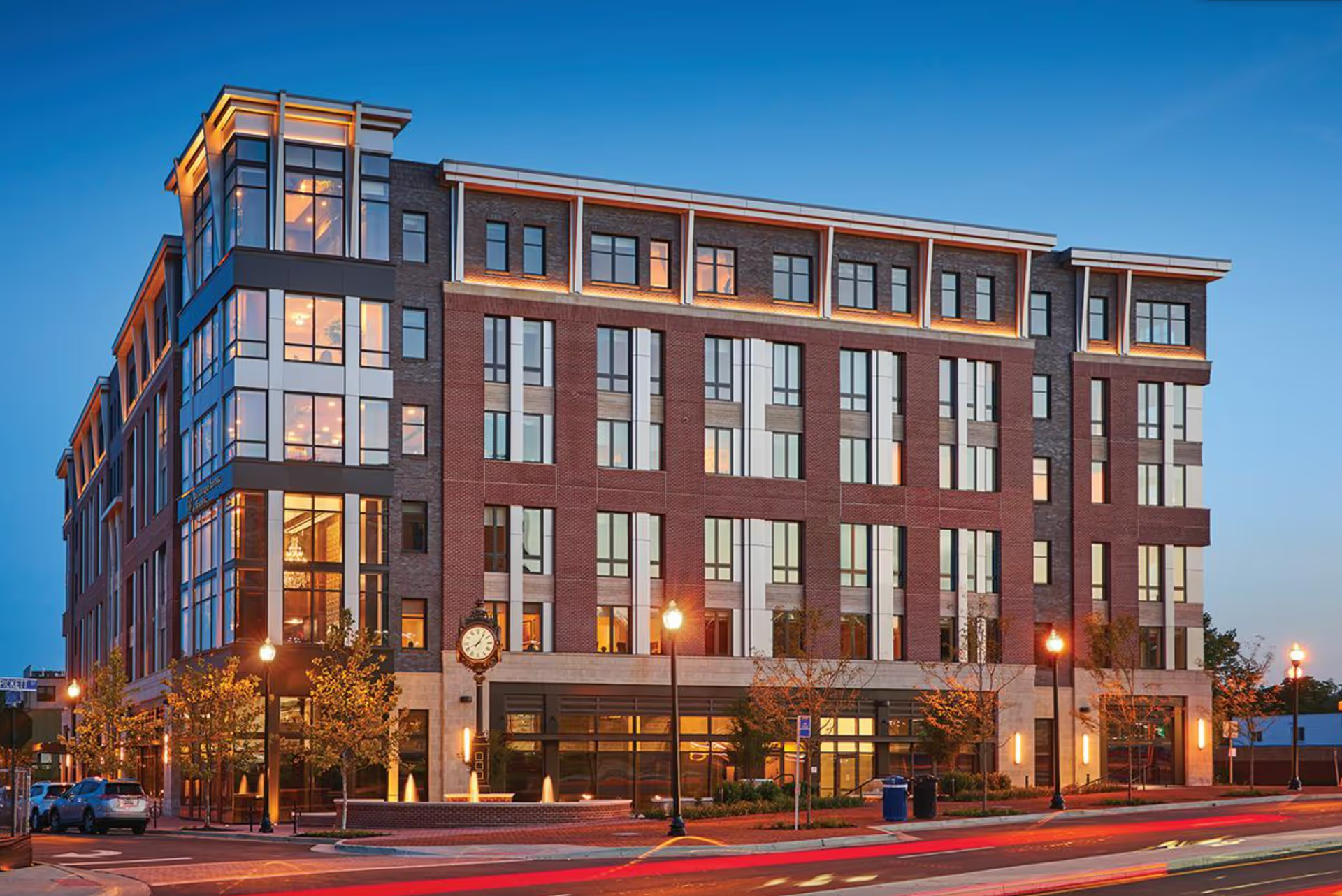
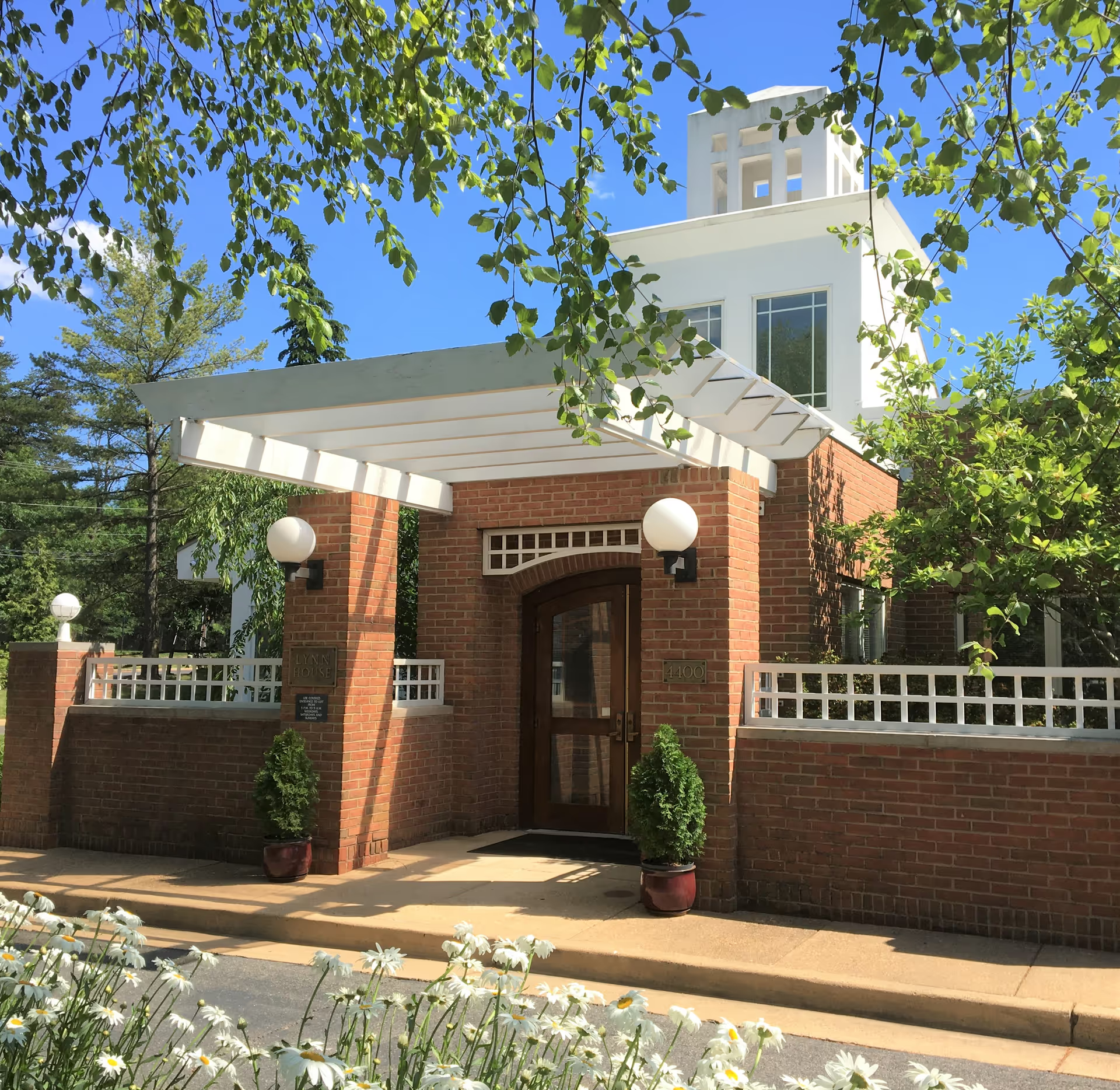
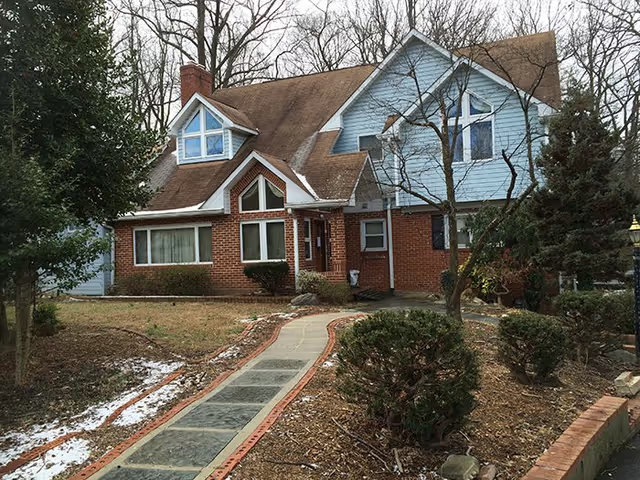
Facility condition and management receive mixed remarks. Several reviews describe an older building with maintenance needs, visible wear, and areas where renovation or more consistent upkeep would improve resident experience. Administrative themes are polarized: some families praise particular administrators and caseworkers for being proactive and communicative, while others report slow complaint resolution, missing or incorrect discharge paperwork, billing concerns, and weak follow-up. There are also serious safety-related accounts, including falls and hospital transfers; a subset of reviews includes allegations of physical misconduct and reports of adverse outcomes that warrant careful follow-up by prospective families and regulators.
Taken together, the pattern suggests that the center has meaningful strengths in therapy, individual staff dedication, and social-work support, but also operational weaknesses that can affect safety and daily quality of life. Prospective residents and families should seek to verify current staffing ratios, emergency-response protocols, medication-safety procedures, housekeeping schedules, and the assignment of a dedicated case manager. Visiting in person, requesting written care and communication plans, and confirming how complaints and clinical changes are escalated will help assess whether the facility’s positive elements are likely to be reliable for a given resident.