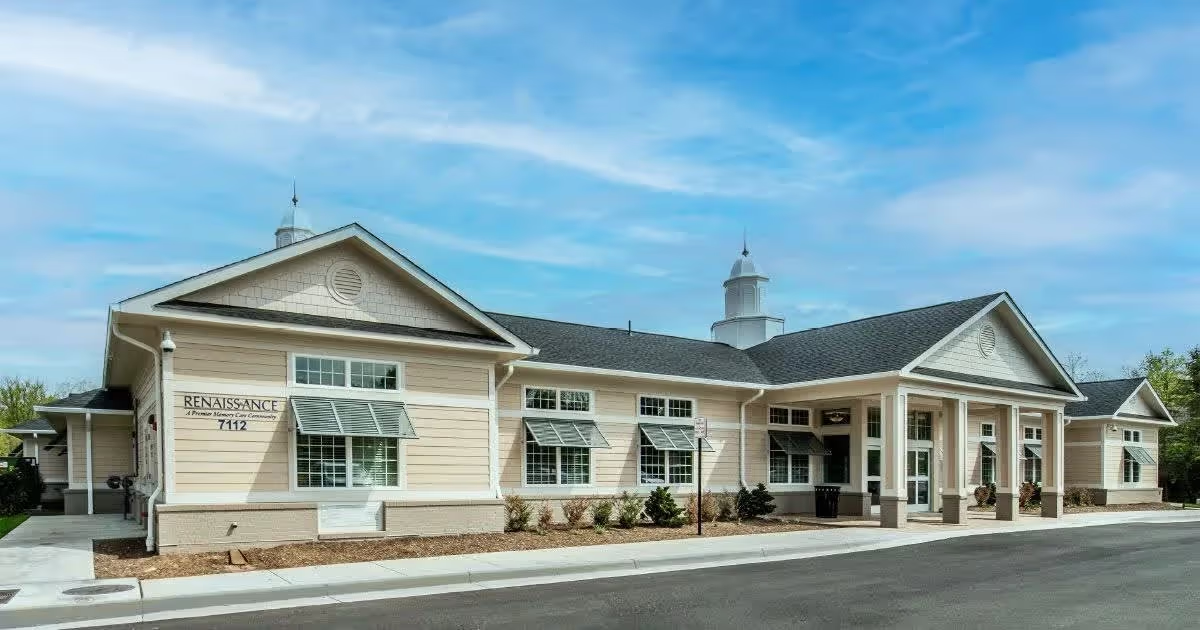
Overall impression: The facility is described as a small, home-like assisted living option with a consistent emphasis on personalized, compassionate caregiving. Reviews emphasize attentive, respectful interactions between staff and residents, and many families stated that residents experienced improved wellbeing under the facility’s care. The setting is presented as clean, modern, and welcoming, with an owner-operated structure that fosters direct responsiveness and a personal atmosphere.
Care and staff: Care quality is the most frequently cited strength. Staff are characterized as caring, knowledgeable, and quick to assist; many reviewers highlighted 24/7 on-site supervision and individualized attention to daily needs. Families also described coordinated care during transitions and end-of-life situations, noting positive hospice interactions. The small scale appears to encourage close staff–resident relationships and personalized care plans rather than a task-focused approach.
Dining and daily life: Dining is frequently mentioned as another advantage. The facility offers personalized meals that include familiar foods, set mealtimes, and multiple snack opportunities during the day. Reviewers described the food as nutritious and above average for the setting. Details about structured activity programming are limited in the reviews; the emphasis is more on individualized attention, social interaction within a small resident community, and staff-driven engagement rather than large-group recreational offerings.
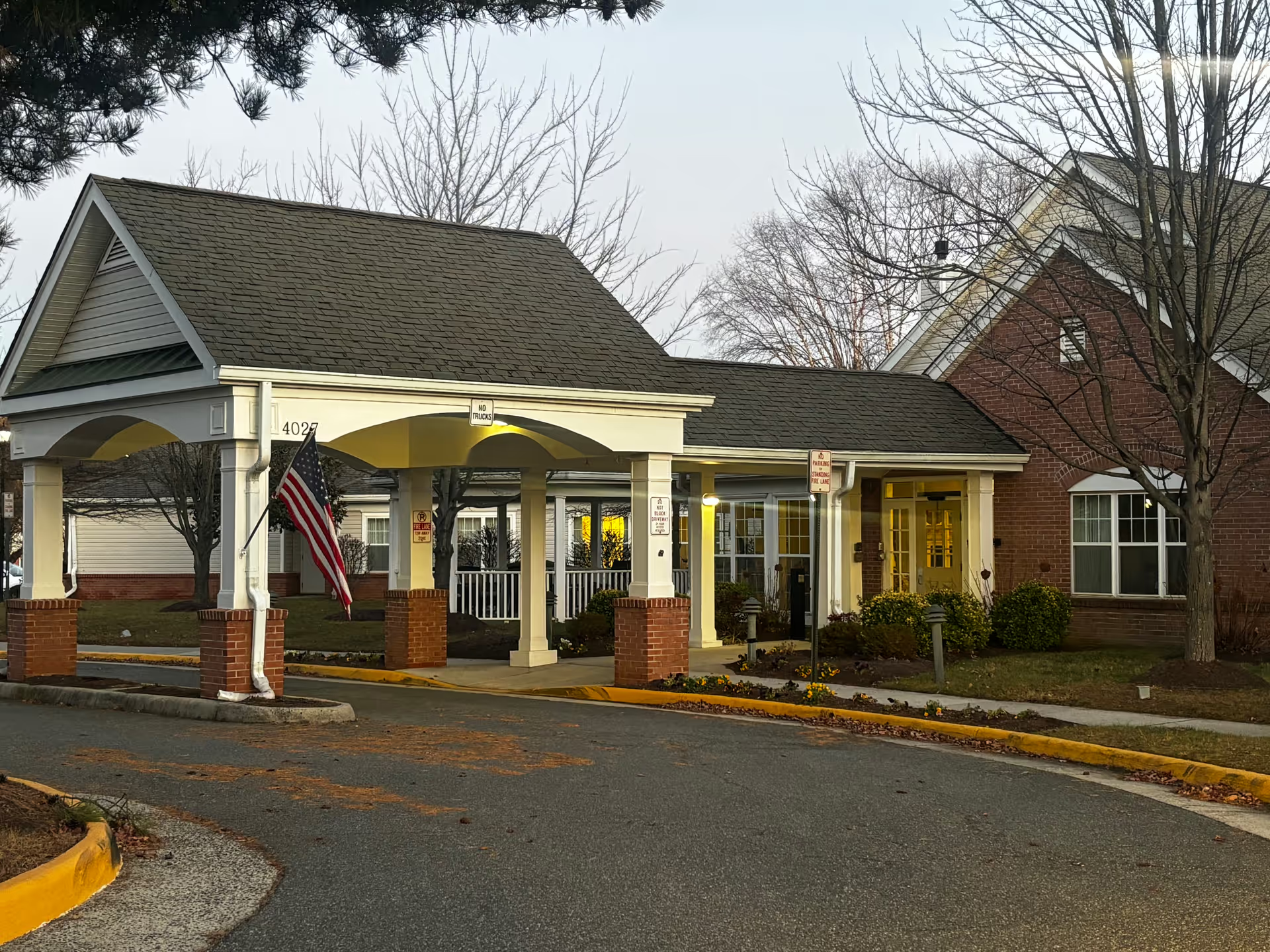
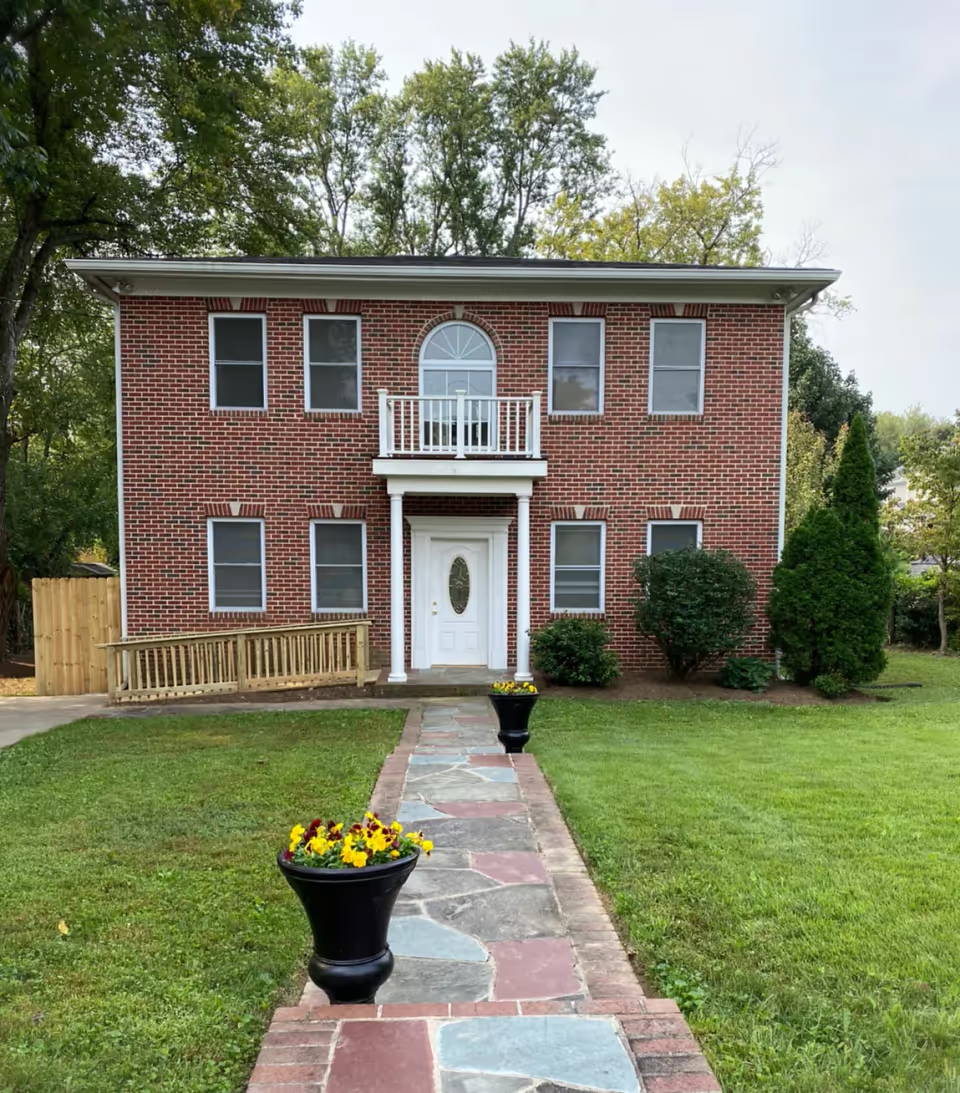
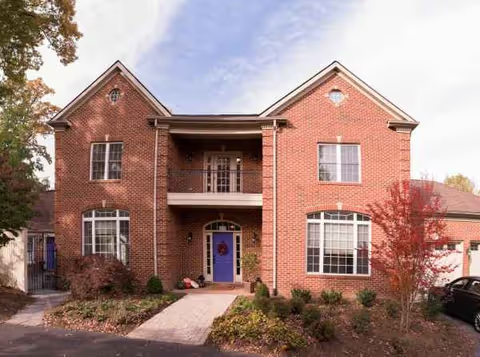
Facilities and management: The physical environment is described as clean, new or recently updated, and comfortably furnished, often noting pleasant grounds and spacious rooms. The owner/management is portrayed as accessible and accommodating, reinforcing a small-business culture where management is directly involved in resident care. Licensing and regulation are noted, and many reviewers viewed the facility as a cost-effective alternative to larger institutional options.
Notable patterns and trade-offs: The dominant pattern is strong, relationship-based caregiving in a small, well-maintained residence. Potential trade-offs inferred from the small scale include limited capacity, fewer formal activity or amenity offerings compared with larger facilities, and possible constraints on delivering highly specialized clinical services. Reviewers praised staffing quality, but the lean, owner-driven model may offer less redundancy than larger operations — something families should consider if a resident’s needs are likely to escalate or require specialized medical care.
Recommendation guidance: For families seeking a personal, home-like assisted living environment with attentive staff, predictable meals, and engaged ownership, this facility aligns well with those priorities. Prospective residents and families who require a broader range of clinical specialties, extensive activity programming, or larger social communities should evaluate whether the facility’s small-scale model matches their long-term needs and verify staffing and clinical supports for more complex care scenarios.