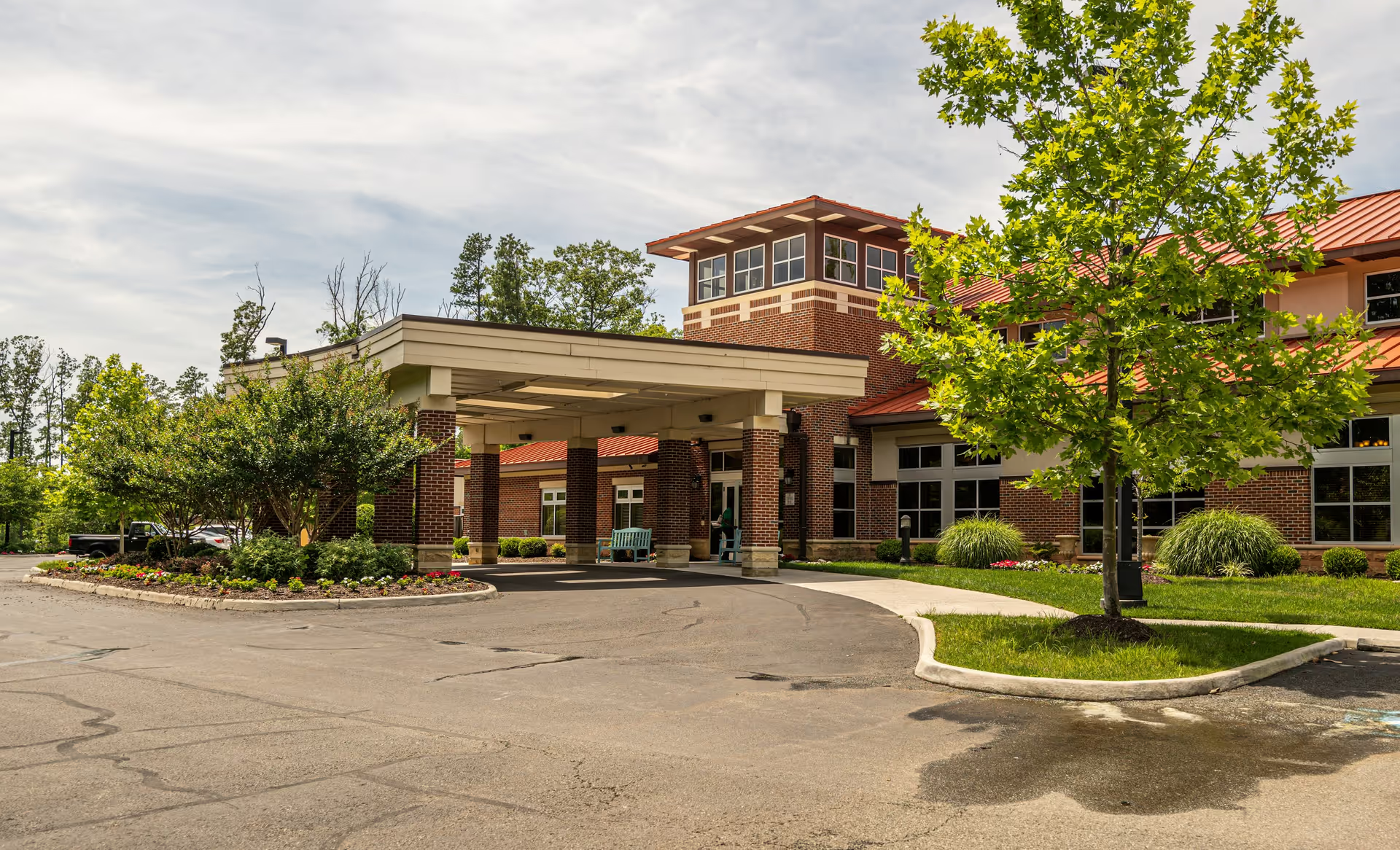
Reviews of The Laurels of Bon Air describe a facility with a clear strength in rehabilitation and many individual staff who provide attentive, compassionate care. Physical and occupational therapy are repeatedly singled out as effective—therapy teams are described as knowledgeable, personable, and productive in producing measurable rehabilitation gains. The activities program and admissions/transportation teams also receive consistent positive mention, and several reviewers highlighted specific staff in maintenance, dietary, and front-desk roles as helpful and responsive. Many families and short‑term residents experienced private, comfortable rooms and an environment that can feel home‑like on certain units.
At the same time, reviews indicate persistent operational weaknesses that affect clinical care and daily living. A central theme is chronic understaffing and staffing instability; reviewers describe wide variation by shift and unit, with weekend and night coverage identified as particular weaknesses. That understaffing is associated with slow response times to call bells, inconsistent assistance with toileting and bathing, missed checks of vitals and blood sugars, and gaps in wound and catheter-care practices that reviewers said increased pressure‑injury risk. Several reviewers described delays or errors in medication administration and in submitting or following physician orders, and there are repeated accounts of discharge- and transfer-coordination problems that disrupted continuity of care.
Dining and activities present a mixed picture. The activities department receives strong praise and is viewed as a meaningful contributor to residents' quality of life. Meal experiences are variable: some families and residents enjoyed the food and home‑style options, whereas others described cold meals, small portions, missed dietary restrictions, and inconsistent assistance with feeding and meal presentation. Transportation coordination was frequently noted as helpful when it worked as intended.
Facility condition and operational systems also show variability. Many reviewers complimented clean, renovated rooms and well‑maintained public spaces, while others raised sanitation concerns in specific bathrooms, laundry delays, missing personal items, and maintenance problems (broken beds, unreliable phones or bedside call systems, and occasional equipment issues such as oxygen delivery). Housekeeping and laundry controls—mislabelled or lost clothing and delays returning linens—were recurrent process complaints.
Management and communication are described as uneven. Admissions staff and several unit managers received positive mention for being helpful and patient; conversely, social work, unit leadership, and business office interactions were criticized for poor follow-up, inconsistent billing, and slow or nonresponsive communication. Families frequently reported needing to advocate proactively for care, and reviewers noted variability in how strictly visitation and infection‑control policies were applied. There are also isolated but serious allegations of staff misconduct and adverse outcomes; those reports heighten concerns about oversight and clinical accountability in a subset of cases.
In summary, The Laurels of Bon Air offers strong rehabilitation services, an active activities program, and many individual staff who deliver compassionate, person‑centered care. However, consistent patterns in the reviews point to systemic challenges: understaffing, uneven nursing responsiveness, care‑coordination and documentation gaps, inconsistent cleanliness/process controls, and variable management follow‑through. Prospective residents and families who value robust therapy services and who encounter praised staff members may have a positive experience, but given the recurring operational issues, it is advisable to ask targeted questions about staffing levels, wound/catheter care protocols, call‑button response times, medication and discharge processes, and processes for protecting belongings prior to admission or transfer. Observing staffing on different shifts and obtaining specific commitments in writing can help set expectations and reduce the risk of avoidable lapses in care.