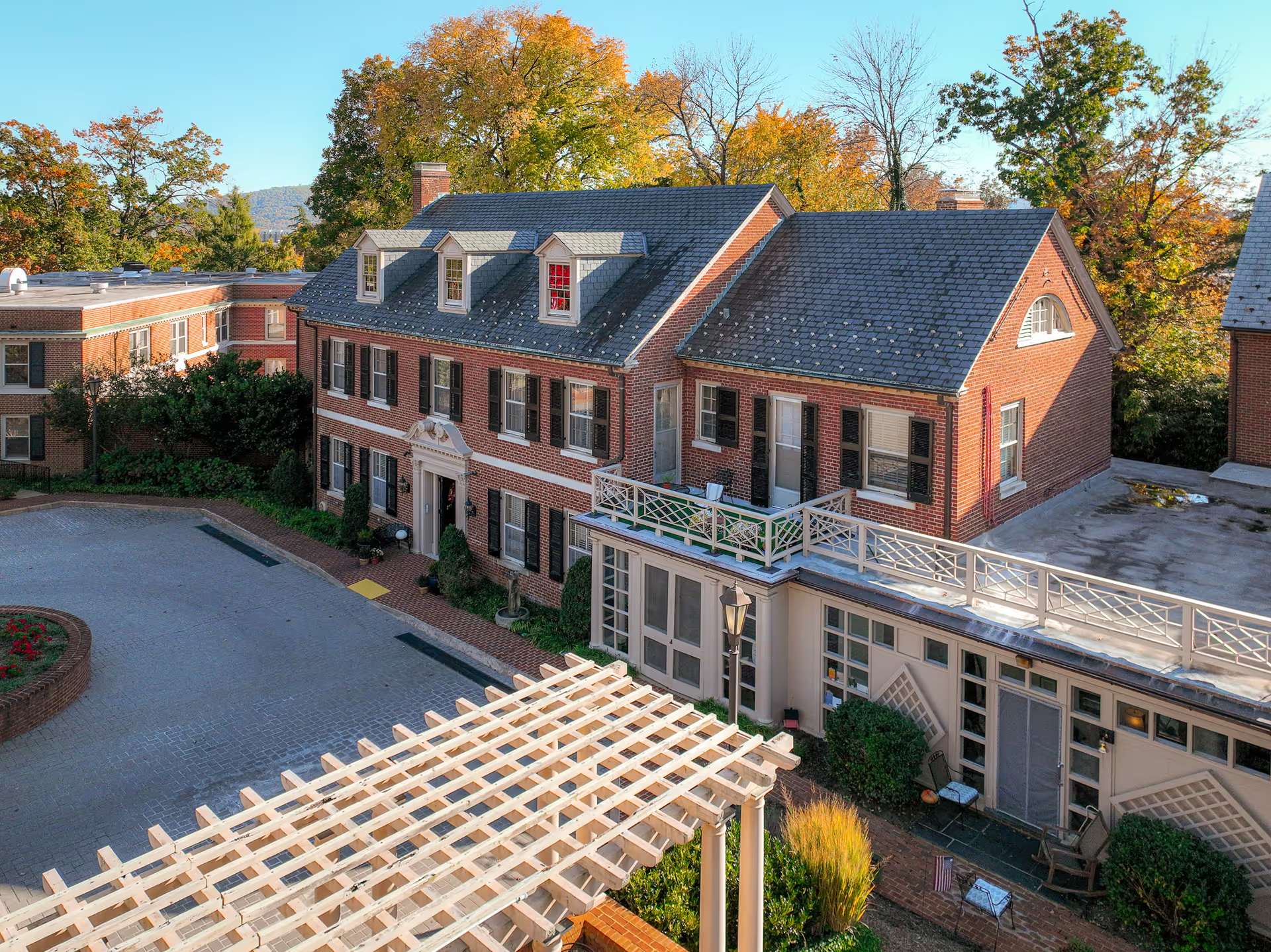
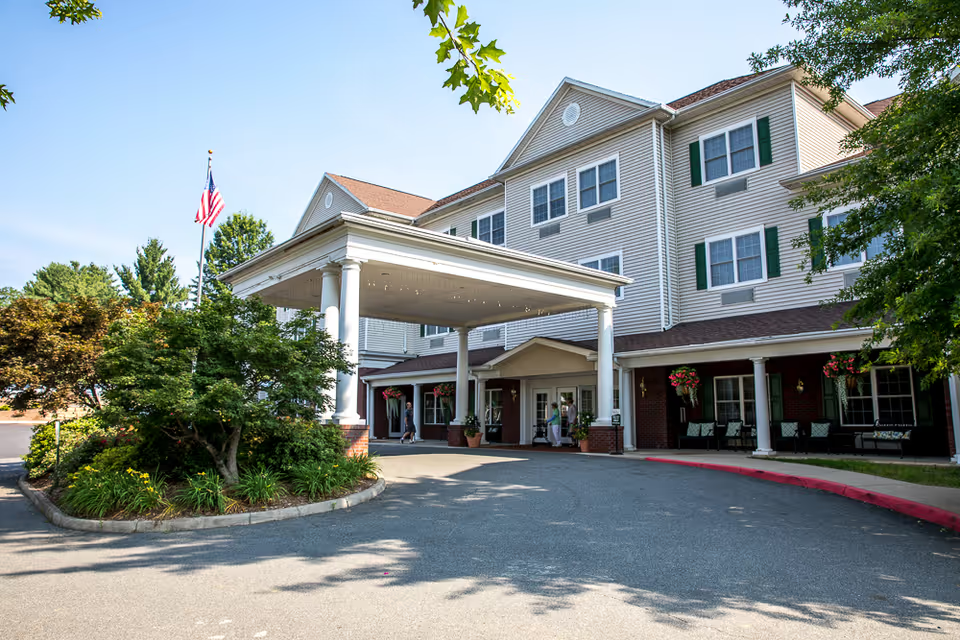
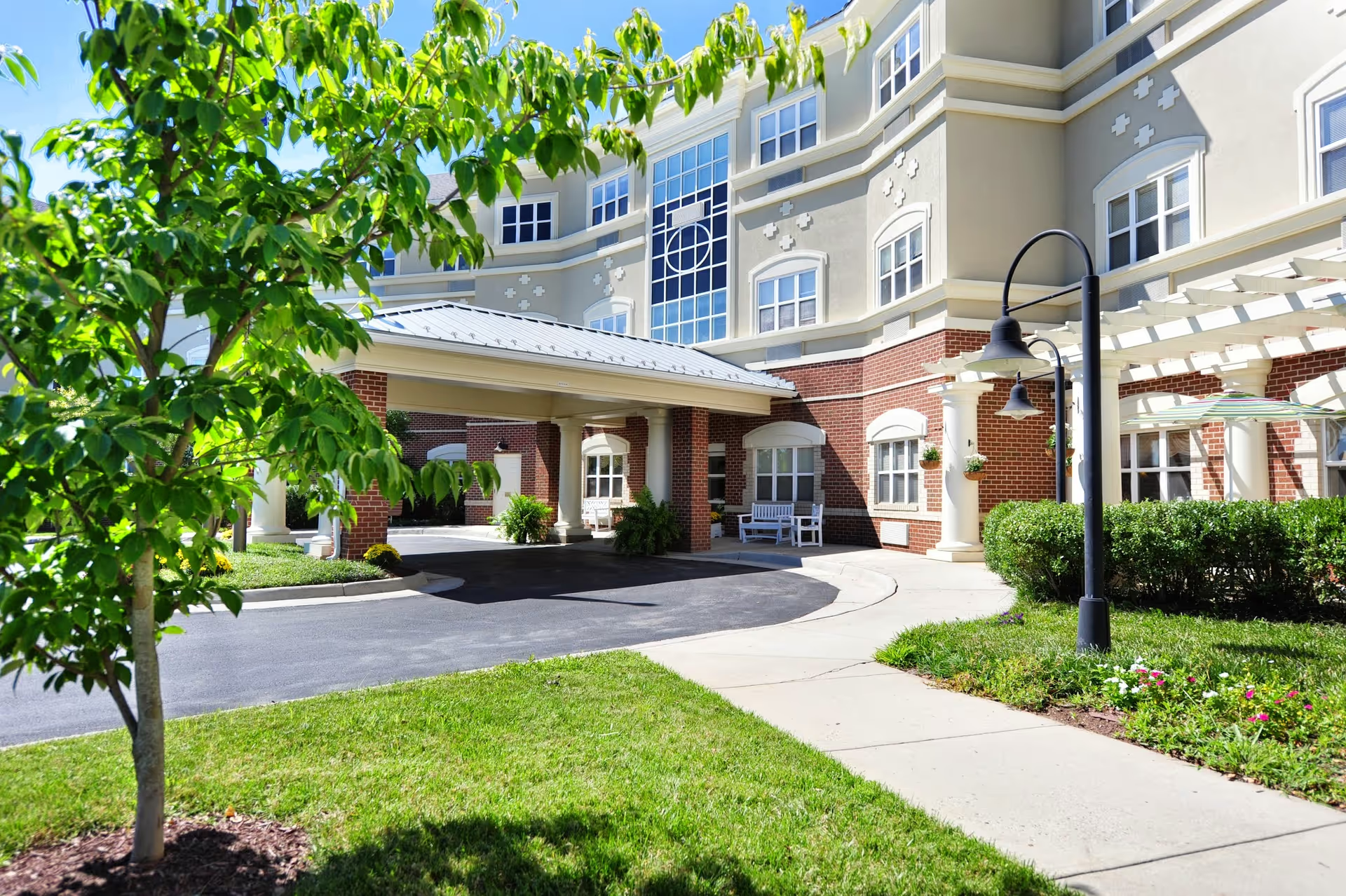
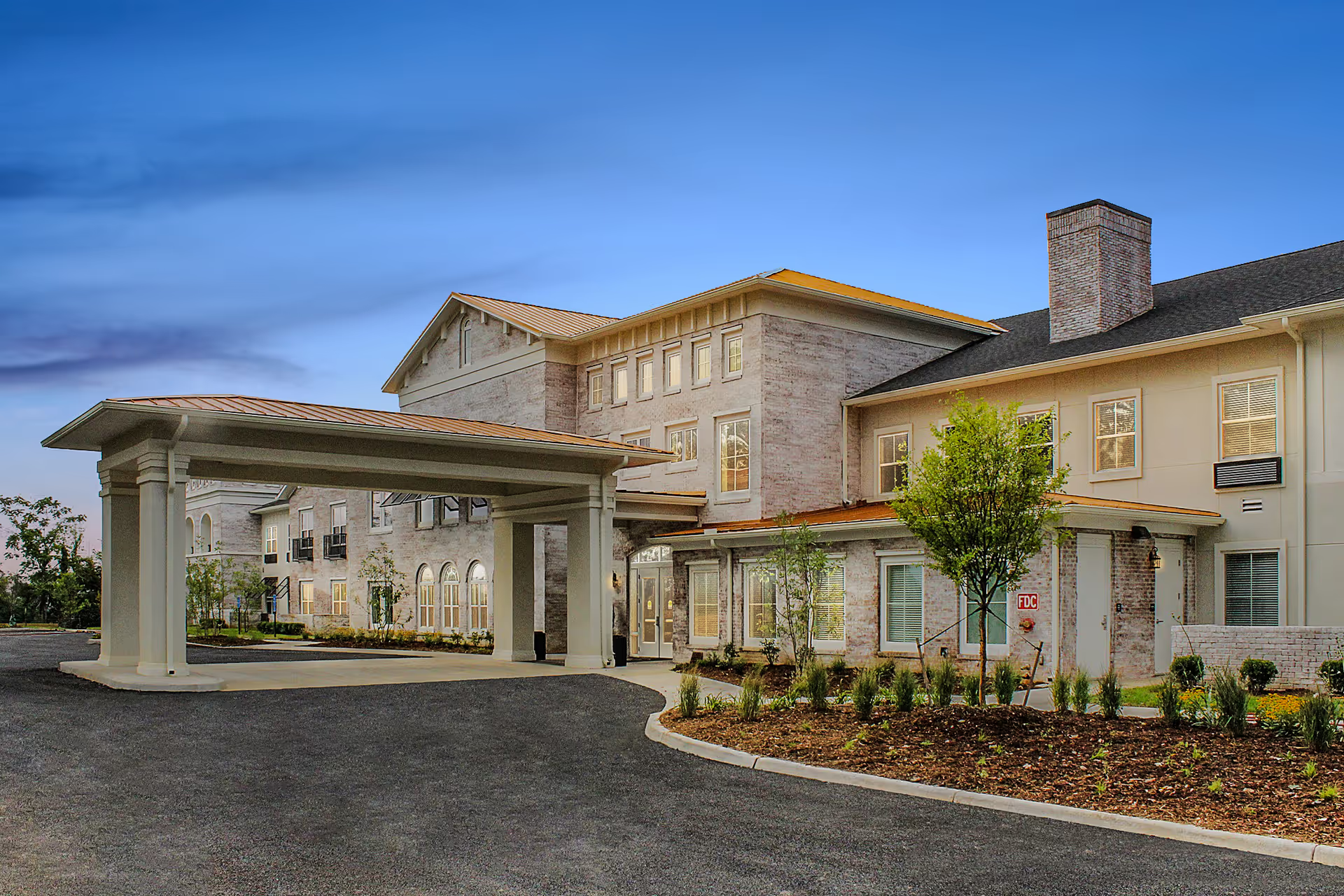
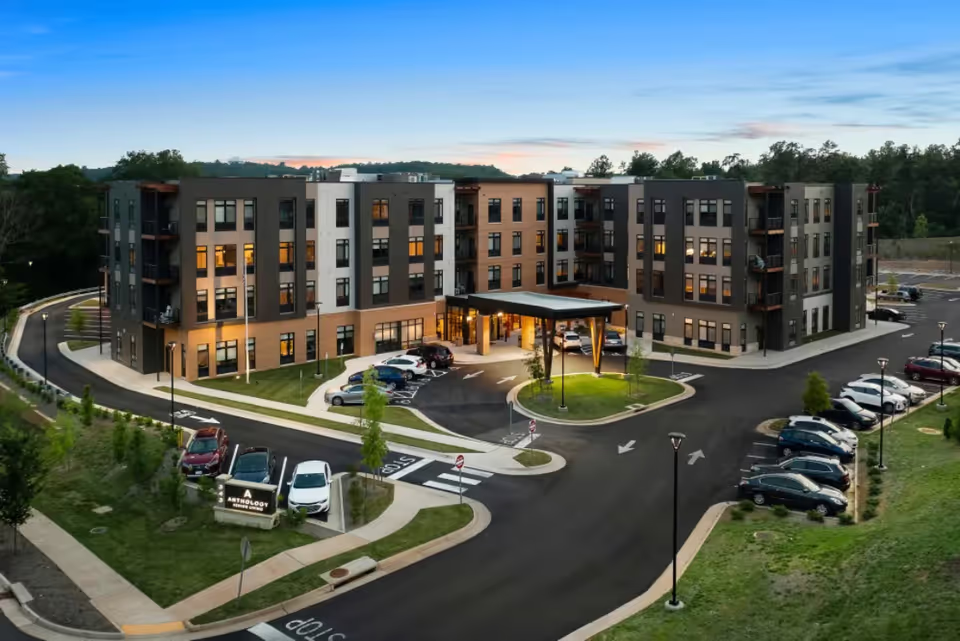
Commonwealth Senior Living at Charlottesville presents as a well-appointed, community-oriented senior living campus with a broad set of amenities and active programming. Many families and visitors describe attractive common areas, outdoor gardens and porches, multiple social spaces (library, theater, pub, cozy nooks), and a range of apartment sizes that include bright, well-laid-out one- and two-bedroom units. The location near a hospital and availability of on-site rehab and transportation to appointments are frequently noted as practical benefits.
Care quality and staff performance are central and mixed themes. A substantial portion of feedback praises compassionate, personable caregivers who know residents by name, managers who are hands-on, and admissions/tour staff who make the transition smoother. Residents and families credit staff for individualized attention, resident-focused moments, and supportive move-in assistance. Concurrently, there are substantive operational concerns: reviewers describe inconsistent staffing patterns (notably on weekends and evenings), gaps in monitoring and fall-prevention practices, and process weaknesses in medication tracking. A few serious individual incidents and associated legal actions were described; these underscore the importance of clarifying clinical oversight, monitoring protocols, and escalation procedures with facility leadership.
Dining and activities are strengths for many residents. The community offers multiple dining venues, a varied menu that includes home-grown produce in some offerings, and meal delivery options for memory care. Reports range from “first-class” dining experiences to occasions of inconsistent meal service and a need for additional waitstaff training; prospective residents should ask about current dining staffing, meal schedules, and how special diets are handled. Programming is robust: scheduled exercise, bridge, movie nights, concerts, day trips, and a full activities calendar contribute to social engagement and quality of life. COVID-era adjustments affected some programming historically, but day trips and entertainment are again part of normal operations.
Facilities and operations combine recently renovated areas with older sections that have physical constraints. Many parts of the campus are described as clean, modern, and well-kept, while reviewers also note narrow hallways, lower ceilings, and ongoing construction or remodeling in places. Apartment amenities vary: some units include microwaves and refrigerators and private porches, but many apartments do not permit full-range stoves and lack in-room laundry. Ventilation and occasional odor concerns were raised in isolated instances; sanitation practices and housekeeping consistency are therefore reasonable topics to verify during a visit.
Management and administrative themes are mixed. Several families praised individual leaders and frontline managers for responsiveness and hands-on problem solving; at the same time, others described leadership turnover, gaps in follow-up after lease signing or move-in, and contentious billing or collections experiences. Communication lapses — unanswered calls, reception coverage gaps, or delayed family notifications — appear repeatedly enough to recommend that prospective families ask specific questions about after-hours procedures, staffing ratios, medication administration policies, incident-notification timelines, and billing dispute resolution.
Overall, Commonwealth Senior Living at Charlottesville offers many of the amenities and social programs that prospective residents and families seek, with numerous reports of caring staff and an engaged community. However, the reviews also highlight operational variability: staffing consistency, clinical oversight, sanitation controls, and administrative stability are areas where experiences diverge. Prospective residents should tour multiple unit types, meet nursing leadership, request current staffing ratios and training details (including dementia-specific training), review medication and monitoring protocols, and clarify housekeeping and billing procedures to determine whether the community’s current operational practices match their expectations and clinical needs.