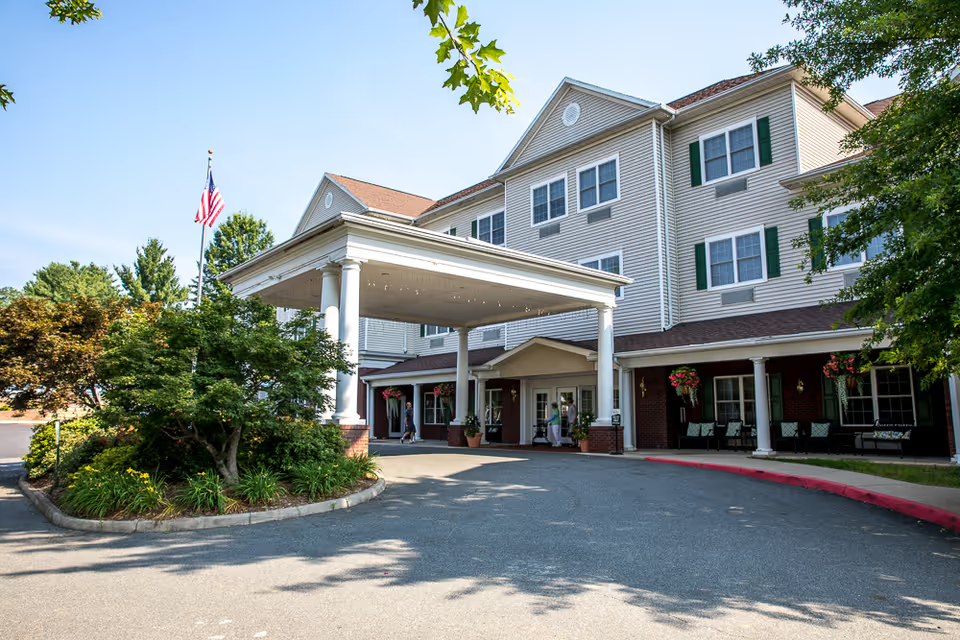
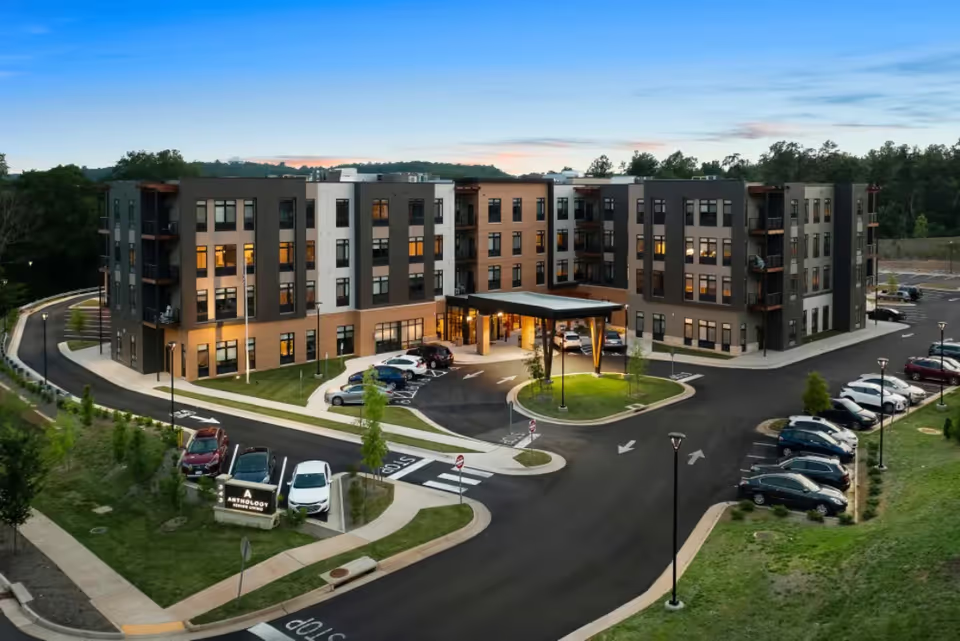
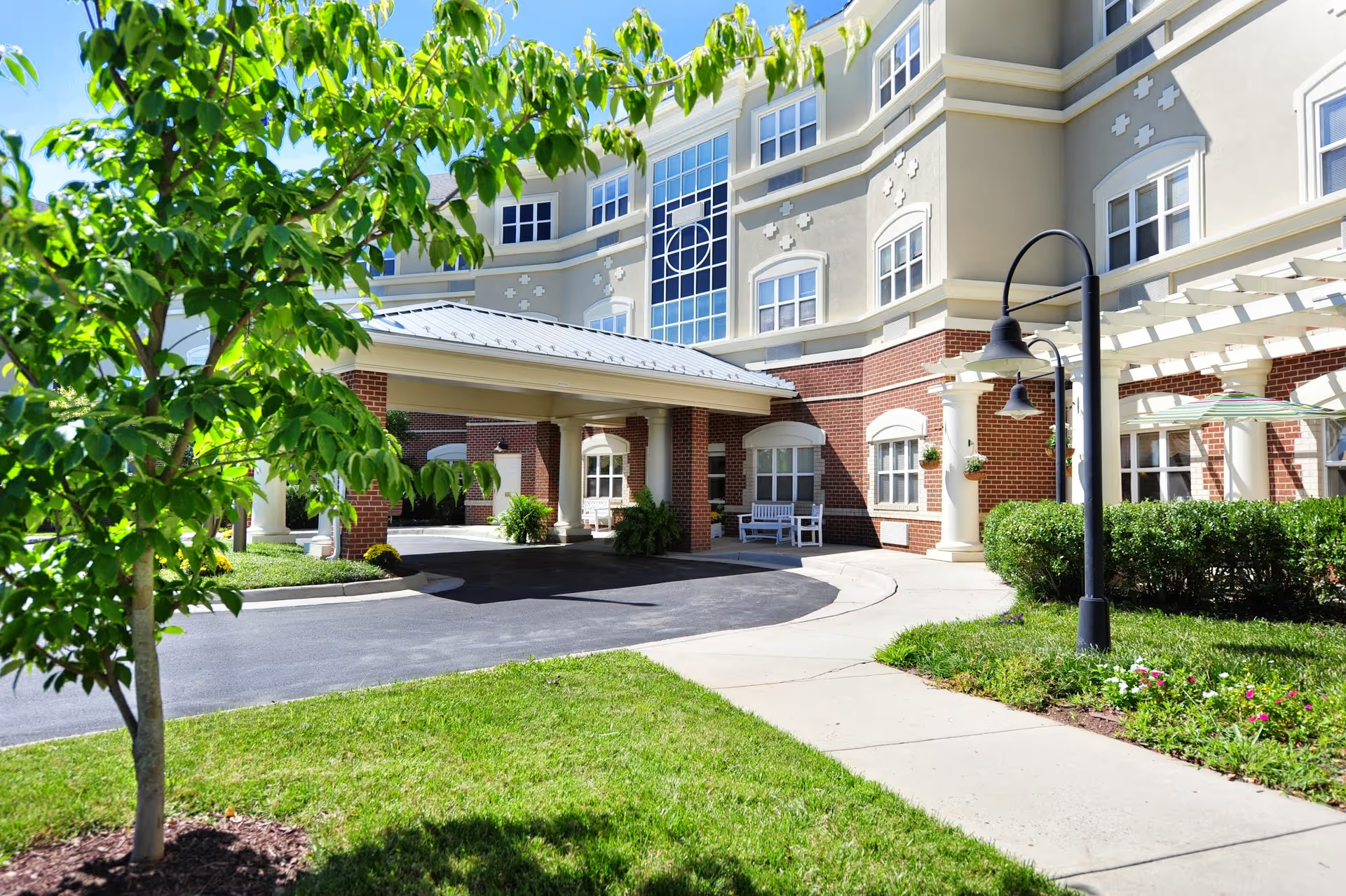
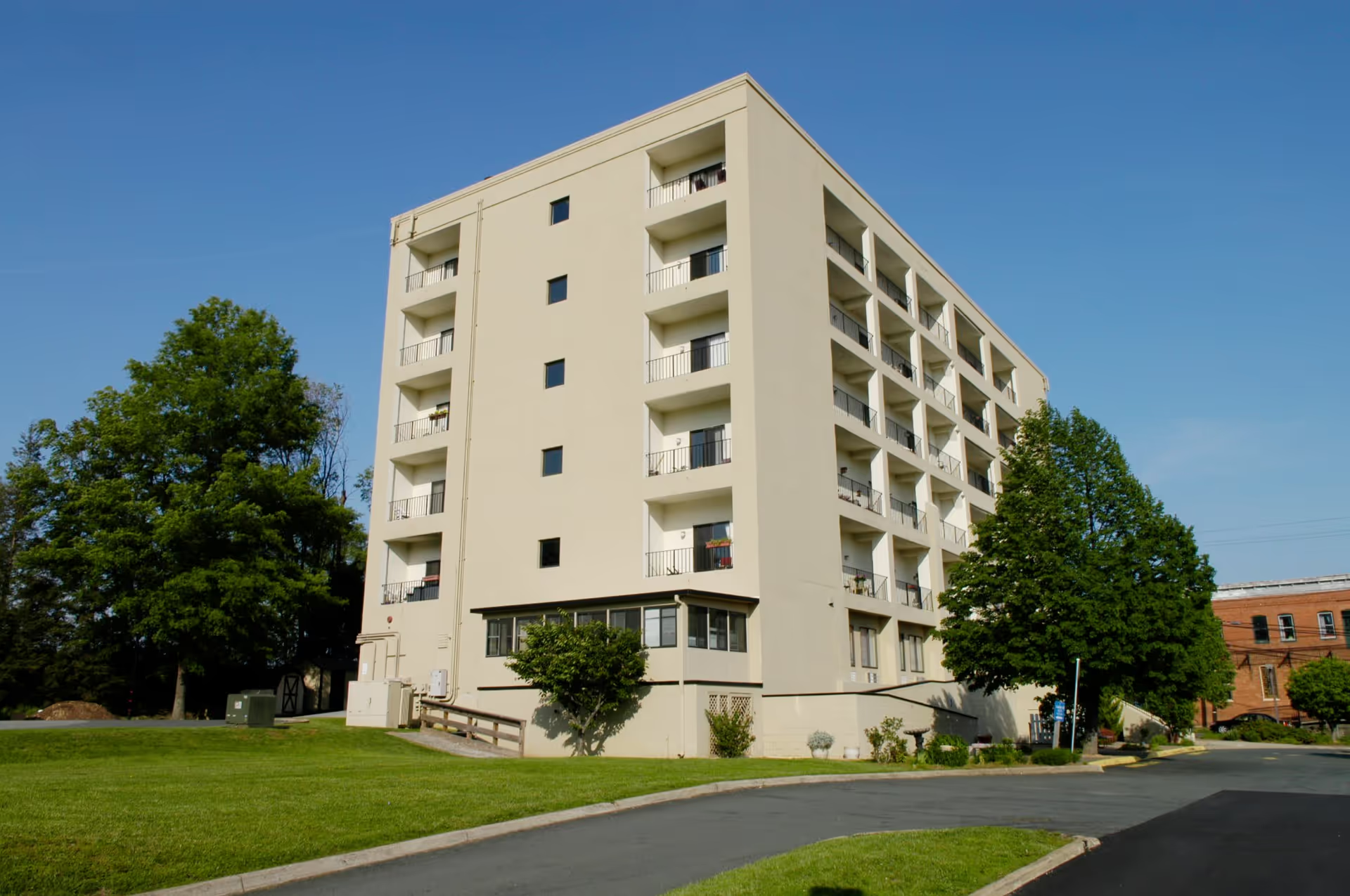
Reviewers present a broadly mixed but largely positive view of The Blake at Charlottesville, with a substantial number of families praising the facility’s staff, amenities, and activities while a subset raise operational and care-delivery concerns. Many families describe the caregiving team as compassionate and engaging, noting friendly front‑desk staff, proactive wellness personnel, and an activities director who creates frequent programs that encourage participation. The facility’s amenities — including a bar, theatre, beauty shop, on-site church, shuttle service, and bright common areas with a well‑kept courtyard — support a “resort-like” feel that several reviewers found appealing. Apartments are characterized as spacious, clean, and well-appointed (kitchenette, accessible showers with safety rails), and maintenance responsiveness for unit repairs was mentioned positively.
Dining and therapy services are frequently cited as strengths. Multiple reviewers praised the food as abundant and tasty, and the availability of in-house therapy and home‑health services was viewed as a practical advantage. Regular exercise classes (tai chi and group sessions), clubs (bridge, book club, veterans gatherings), live music, weekly parties, and outings contribute to an active social environment that many residents enjoy. Families often reported improved mood and engagement among residents after moving in.
That said, several operational patterns recur in the less favorable reviews. Staffing instability and turnover — sometimes compounded by illness-related shortages — were associated with delayed personal‑care assistance and occasional inconsistencies in daily services. Reviewers described variability in staff training and professionalism across shifts, with particular concerns about responsiveness to basic personal‑care needs and about occasional lapses in sanitation-related standards. Dining continuity and dietary accommodation also showed unevenness: while many found meals excellent, some noted unavailable menu items, differences in food seasoning, and at least one instance of a dietary accommodation failure. Housekeeping and laundry schedules were described as inconsistent in some accounts.
Communication and management dynamics show a mixed picture. Several families praised recent leadership changes and described management as responsive and willing to make improvements; others felt management was overwhelmed during high‑pressure periods and wanted more timely status updates about residents. Coordination with outside providers — notably certain rehabilitation partners and hospice services — emerged as an area where experiences varied; a few families reported poor outcomes linked to external partners rather than facility staff, while others noted difficulties arranging or coordinating these services.
Overall, The Blake appears to offer a well‑maintained, activity‑rich environment with many families reporting high satisfaction, improved resident wellbeing, and peace of mind. Prospective residents and families should weigh these positive community and amenity strengths against operational concerns around staffing consistency, training variability, and service continuity. When touring or evaluating placement, it may be helpful to ask about current staffing levels and turnover, dietary‑accommodation protocols, laundry and housekeeping cadence, shift‑to‑shift staffing and professionalism, and how the community manages coordination with external rehab and hospice providers.