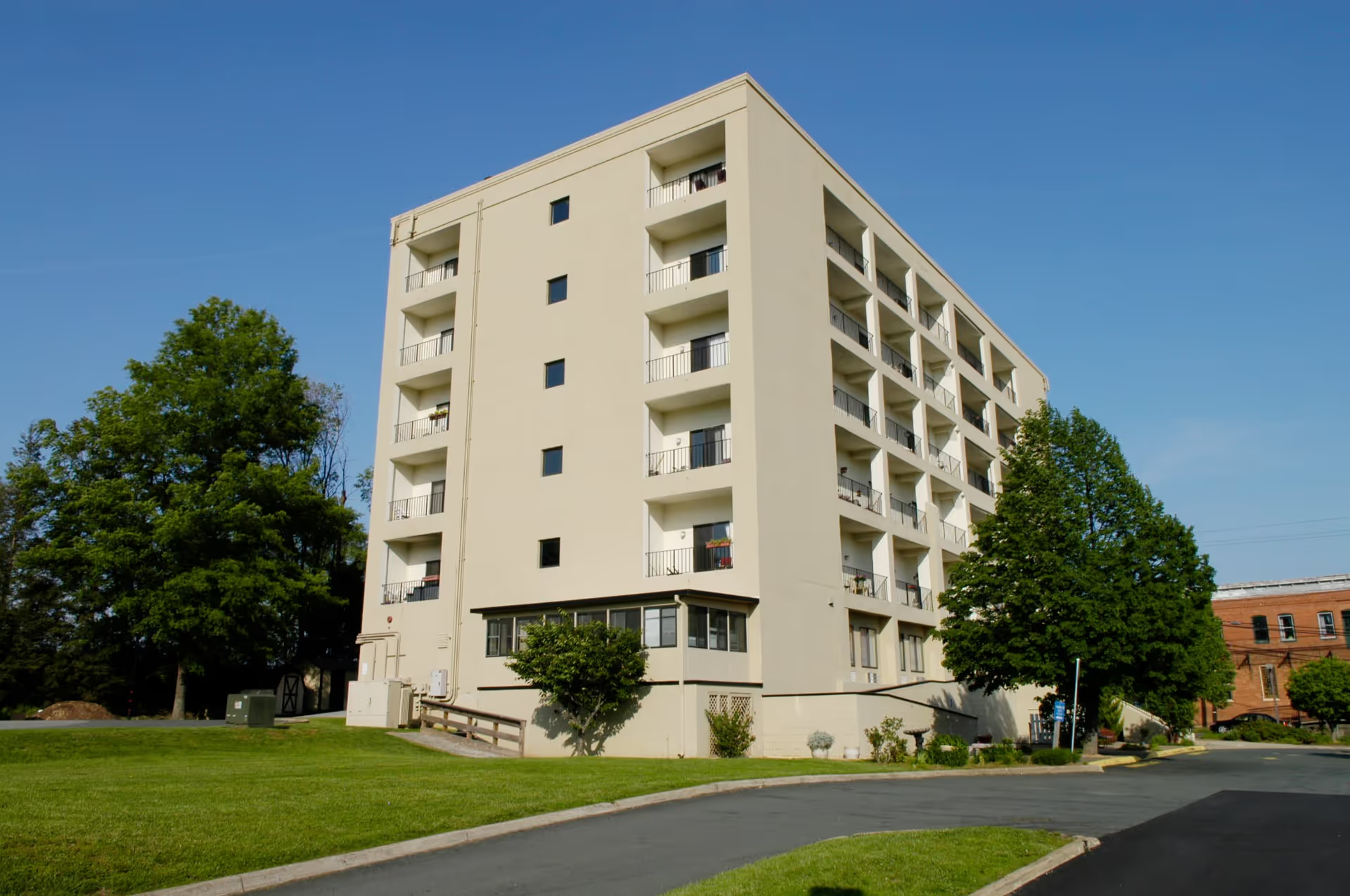
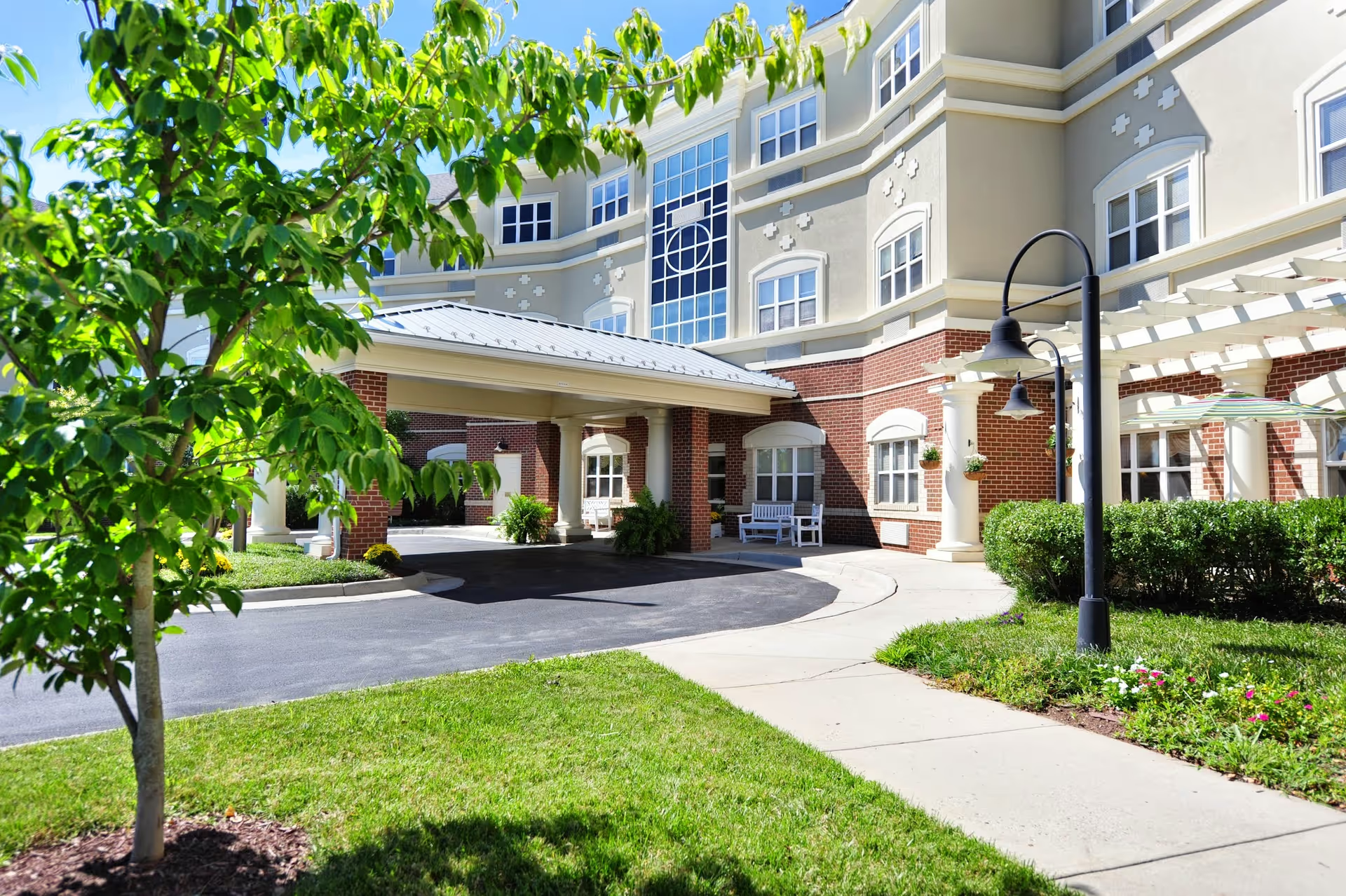
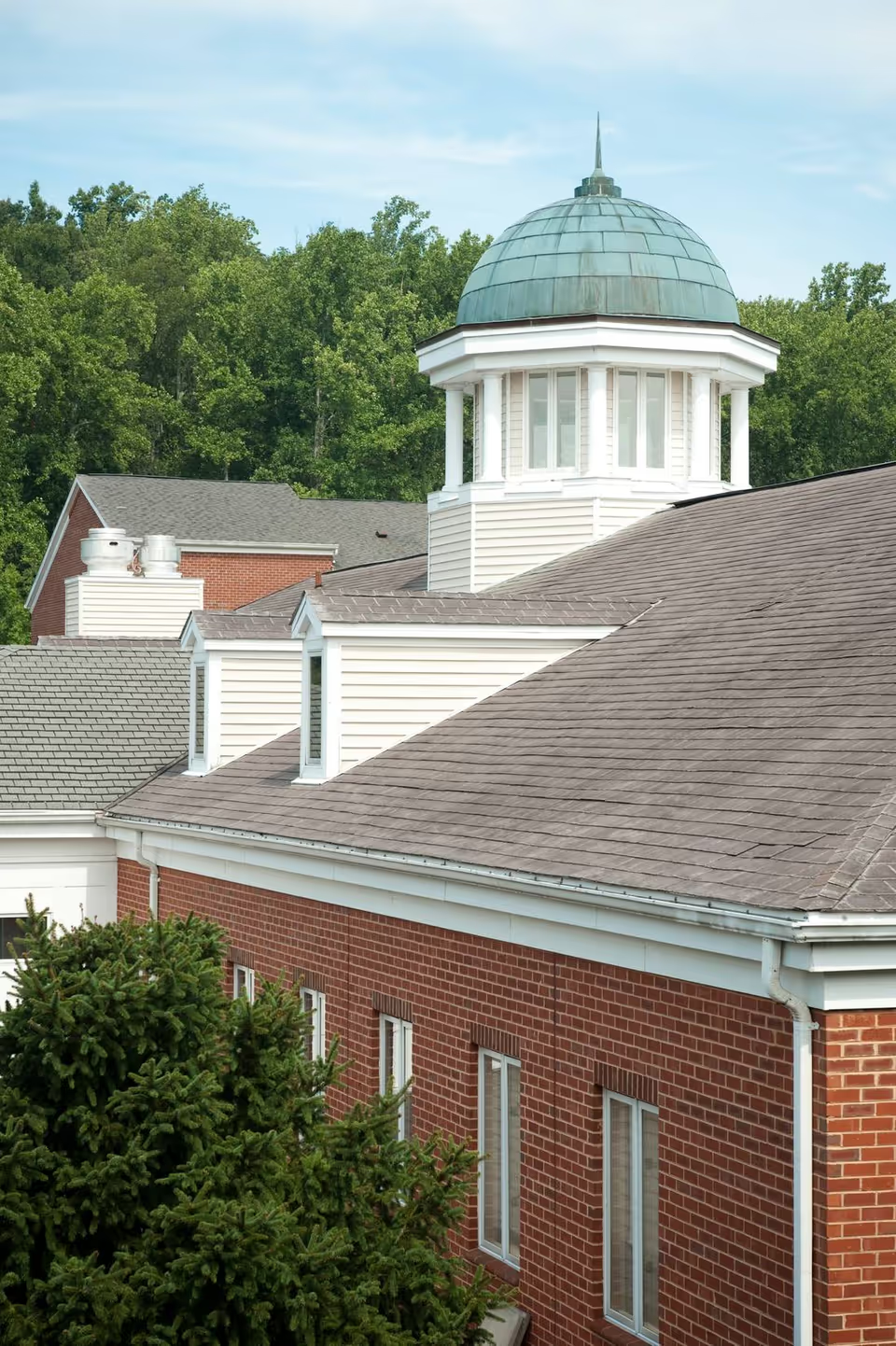
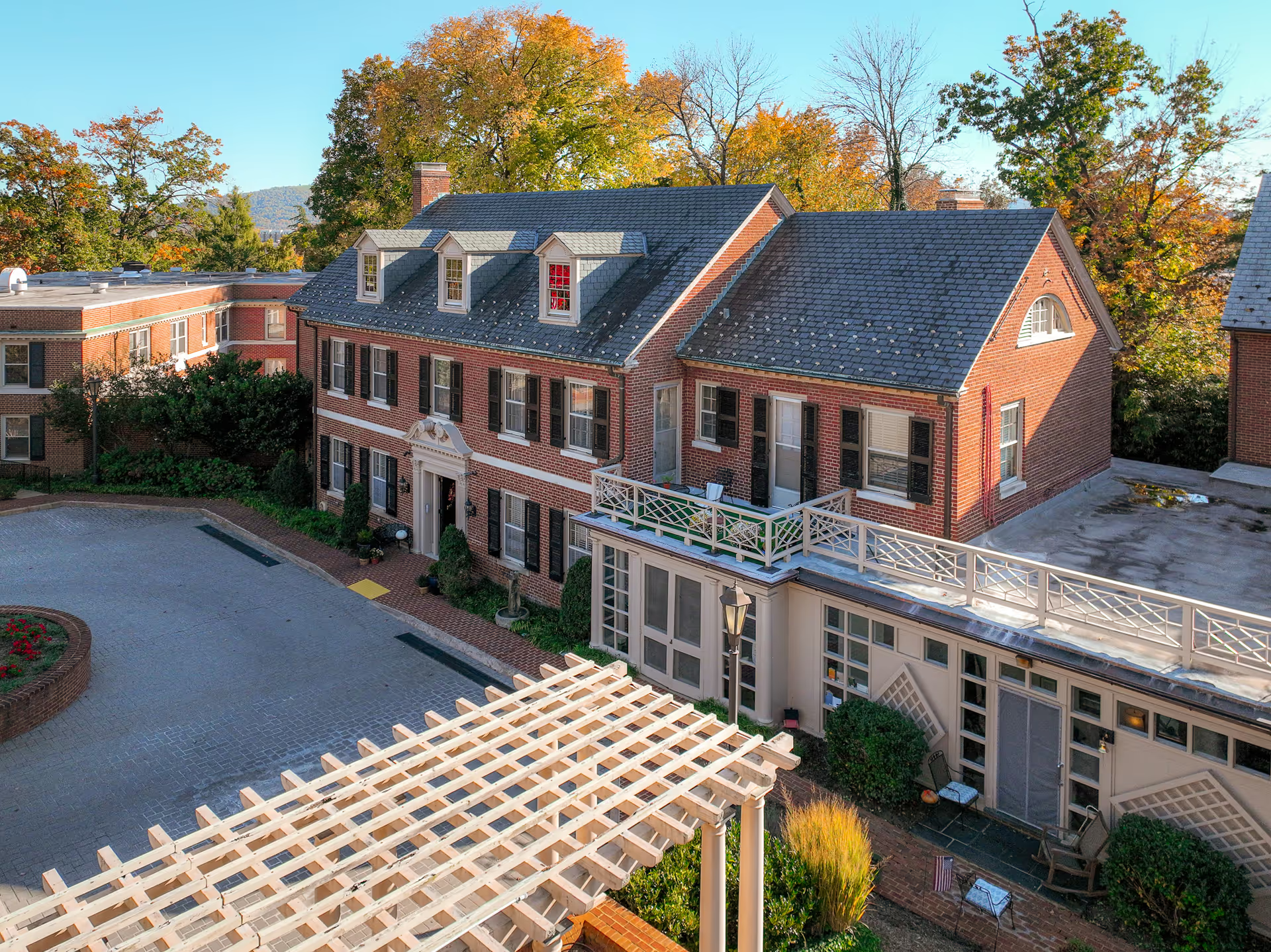
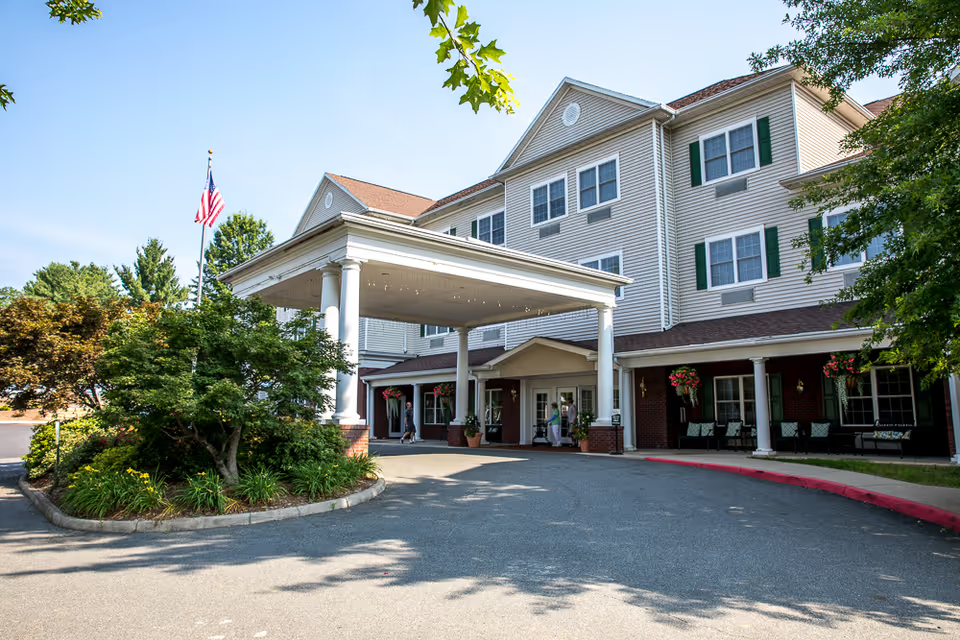
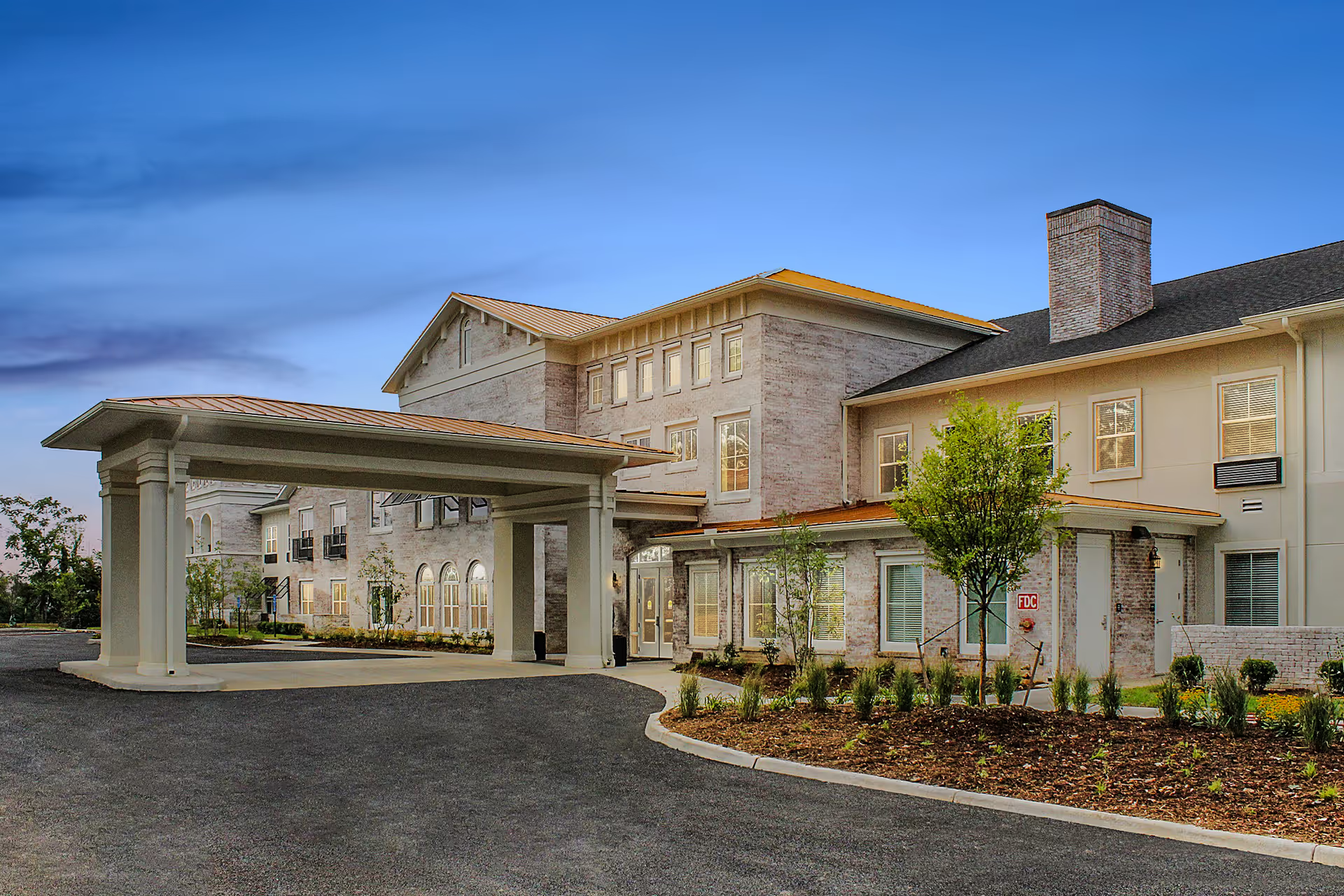
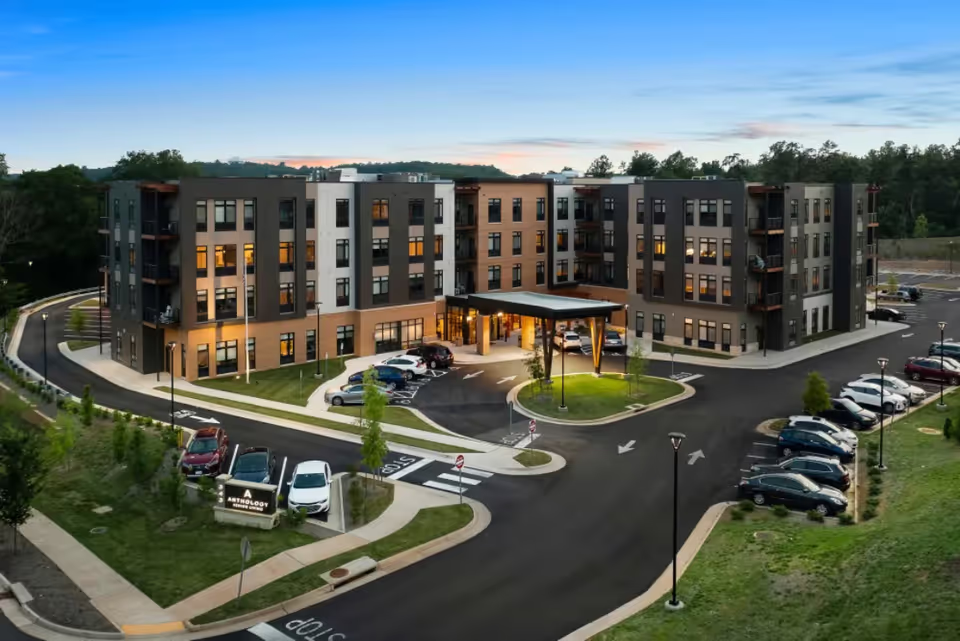
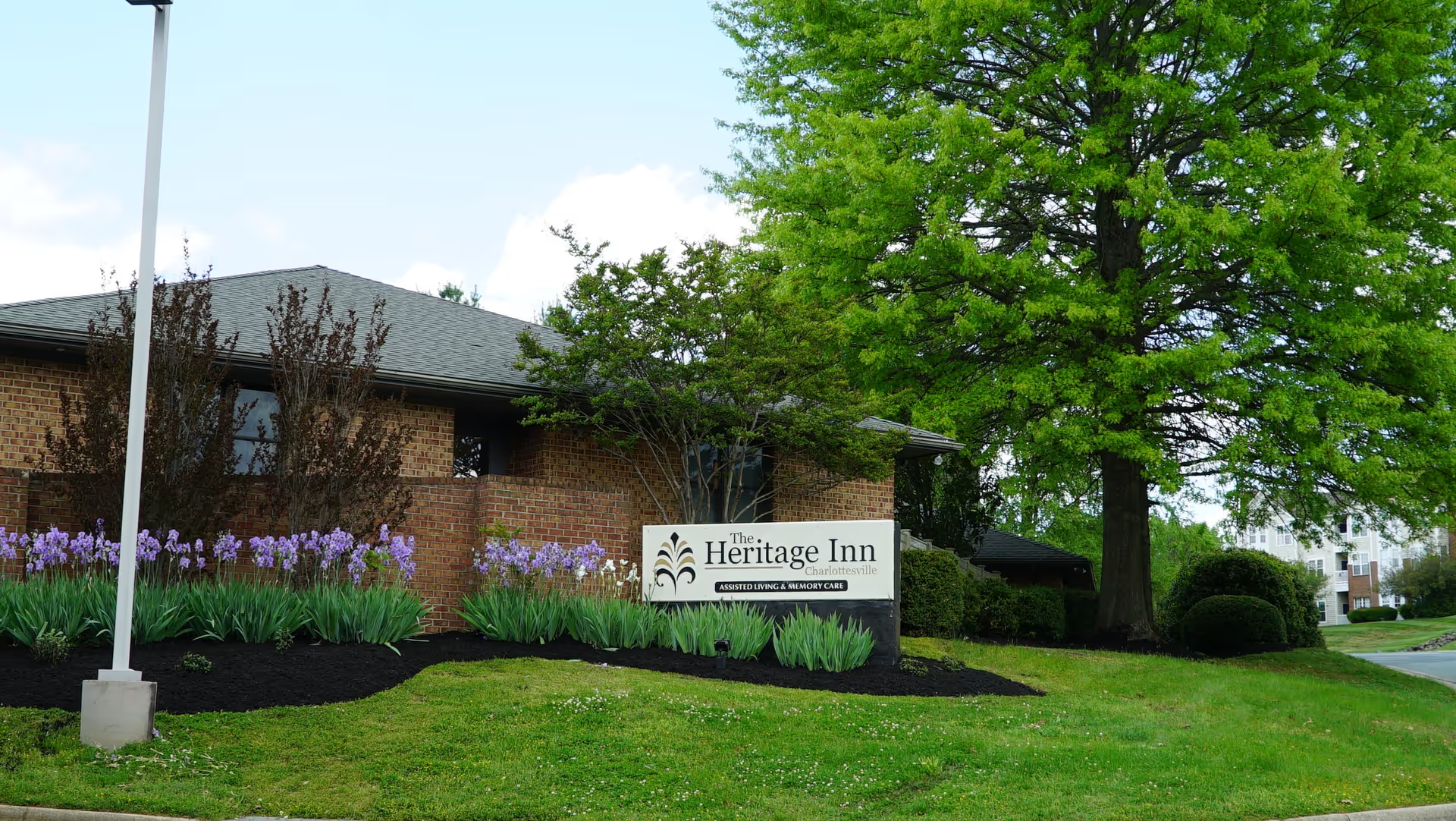
The Lodge at Old Trail is consistently described as an attractive, well-maintained small continuing-care community with strong aesthetic and social strengths. Reviewers emphasize the facility’s scenic mountain views, landscaped grounds, spacious bright apartments, and a modern, hospitality-oriented interior. The campus offers a broad range of on-site amenities — salon, art room, pub, deli, country store, exercise facilities, therapy services, and an activity bus — and many families note that these amenities, combined with organized arts and cultural programming, create a lively, community-oriented atmosphere.
Care and staffing impressions are mixed. Many families and residents praise the ownership and front-line staff as caring, knowledgeable, and collaborative; several accounts highlight on-site medical care, visiting specialists, and therapy services that contributed to improved resident health and stability. At the same time, there are recurring operational concerns: inconsistent nursing responsiveness, gaps in medication management, and periods when staffing levels appear insufficient to meet needs. These operational weaknesses have sometimes produced delayed assistance with mobility and incomplete care assessments, and a few families described instances where leadership communication and responsiveness were unsatisfactory.
Dining and activities are overall strong points. Numerous reviewers compliment the dining experience, hospitality dinners, and the variety of activities that support engagement and socialization. A minority of comments note variability in food quality and seasoning (including overly salty meals), suggesting some inconsistency in kitchen execution. The activity program is broad — arts, theater, exercise, wellness programs, and buses for outings — and is frequently cited as a reason residents feel more engaged and experience quality-of-life improvements.
Management and operations reflect a small, private organization with a mission-driven orientation, but also the practical challenges of a relatively new and growing community. Reviewers describe instances of ‘‘growing pains’’ such as staffing turnover, workload stress, billing questions about extra fees, and occasional communication lapses from leadership. There are also isolated safety concerns around transportation practices that prospective residents and families should clarify.
Overall impression: The Lodge at Old Trail offers strong physical amenities, robust programming, and many examples of attentive, compassionate staff and clinically supportive services. Prospective residents and families should weigh those positives against the facility-level operational weaknesses raised — particularly around nursing coverage, medication management, staffing adequacy, leadership communication, and billing transparency — and ask targeted questions during tours (staffing ratios at different times of day, medication-safety protocols, family-communication procedures, transportation policies, and sample billing elements) to determine whether the current operational state meets their expectations and care needs.