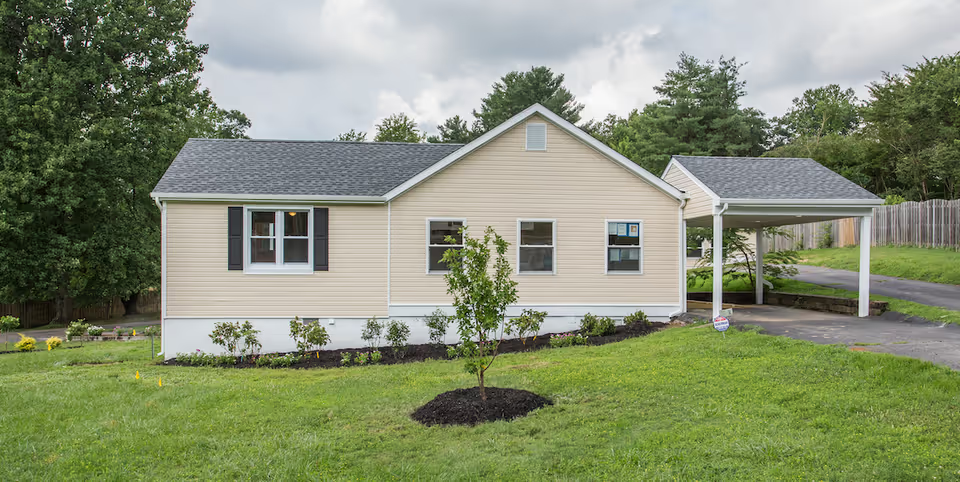
Overall impression: Avalon House on Gerard Court is characterized by a small, home-like memory-care environment in which families frequently emphasize compassionate, hands-on caregiving and individualized attention. The house's small census (commonly eight residents) and private rooms support personalized care plans and a family-style atmosphere. Multiple reviewers cited consistent 24/7 staffing, a stable manager, prompt communication with families, and access to clinical supports such as weight monitoring and a nutritionist. These operational features contribute to many families feeling secure and satisfied with placements there.
Care and staff: Care quality is a central strength. Caregivers are described as warm, patient, and proactive; reviewers emphasized emotional support, responsiveness, and willingness to accompany residents on supervised neighborhood walks. Staff involvement in memory-care tasks, incontinence support, daily bathing, and individualized attention was noted positively. At the same time, there is variability in staff training and turnover referenced across accounts. This creates some inconsistency in perceived caregiver skill level and suggests that staffing quality may fluctuate over time or between individual employees.
Dining and clinical supports: Dining is generally viewed favorably — meals are described as home-cooked, healthy, and served family-style, with accommodation for special diets and attention to weight. A nutritionist and weight monitoring are available, which families cited as reassuring. A minority of comments noted limited dinner options at times and a desire for more culinary variety; this suggests meal variety can be uneven depending on circumstances.
Activities and programming: The small-group setting supports one-on-one engagement and individualized activities. Reviewers appreciated supervised outdoor access and neighborhood walks. However, some families felt programming and stimulation were limited for residents with more advanced dementia needs; this indicates the house may be better suited to residents who benefit from quieter, individualized engagement rather than extensive, structured group programming.
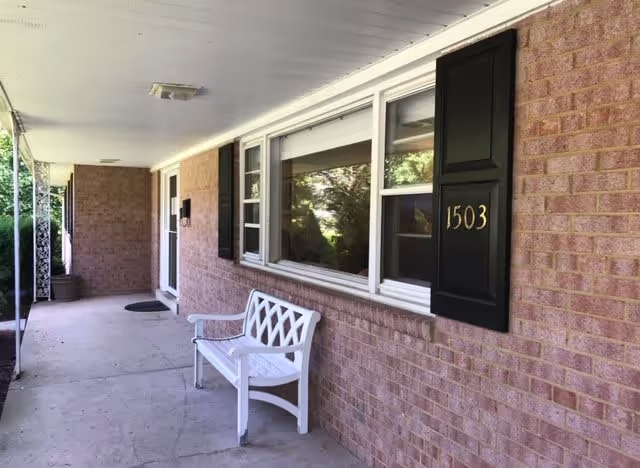
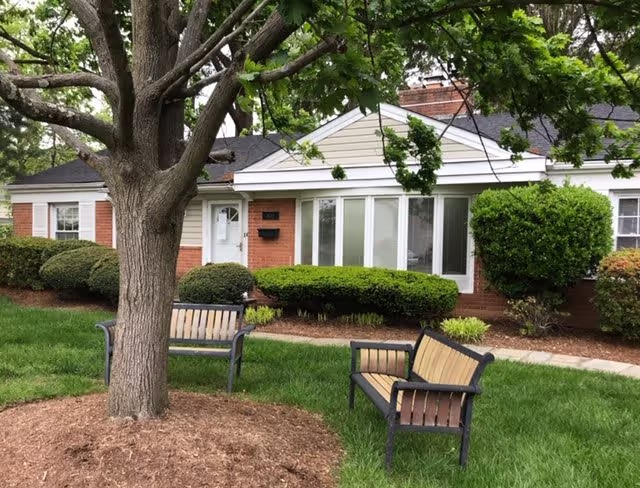
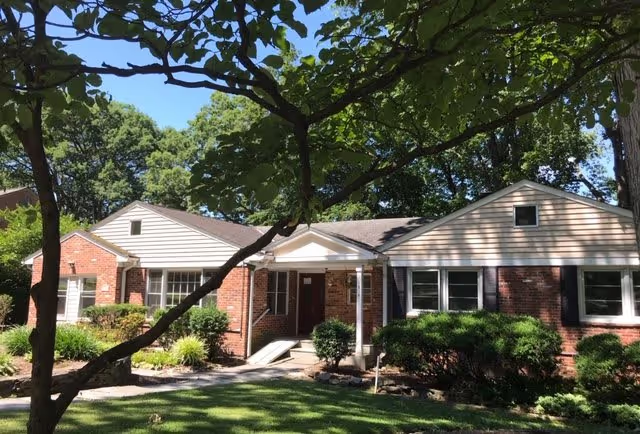
Facilities and safety: The facility is regularly described as clean and odor-free, with a homey atmosphere. At the same time, the building is older and shows wear: reviewers pointed to cosmetic maintenance issues, a run-down kitchen in one account, dim interior lighting, and a limited bathroom-to-resident ratio. Security concerns were raised about access-code awareness and the potential for residents to leave unsupervised; this points to an operational risk area that would merit clarification on access controls and elopement-prevention procedures.
Management and notable patterns: Management and owner responsiveness receive consistent praise; families described thoughtful communication, accommodation of room personalization, and prompt handling of concerns. A notable pattern is variability across Avalon House locations: some accounts compare Gerard Court favorably to other houses, while others indicate this location did not meet the same standards as a different Avalon House. Cost is a clear advantage for many families — the facility is often seen as lower cost than larger 'big-box' communities while still offering individualized, memory-focused care.
Bottom line: Avalon House on Gerard Court offers a small, personal memory-care option with strong caregiving, clear management responsiveness, and clinical supports such as nutrition oversight. Prospective residents and families should weigh the benefits of individualized attention, affordability, and a homelike environment against operational considerations such as staff training consistency, the physical condition of an older house, bathroom availability, and specific safety procedures related to resident exit control and supervision. Visiting in person to assess lighting, room size, bathroom access, activity offerings, and staff training practices will help determine fit for an individual resident's needs.