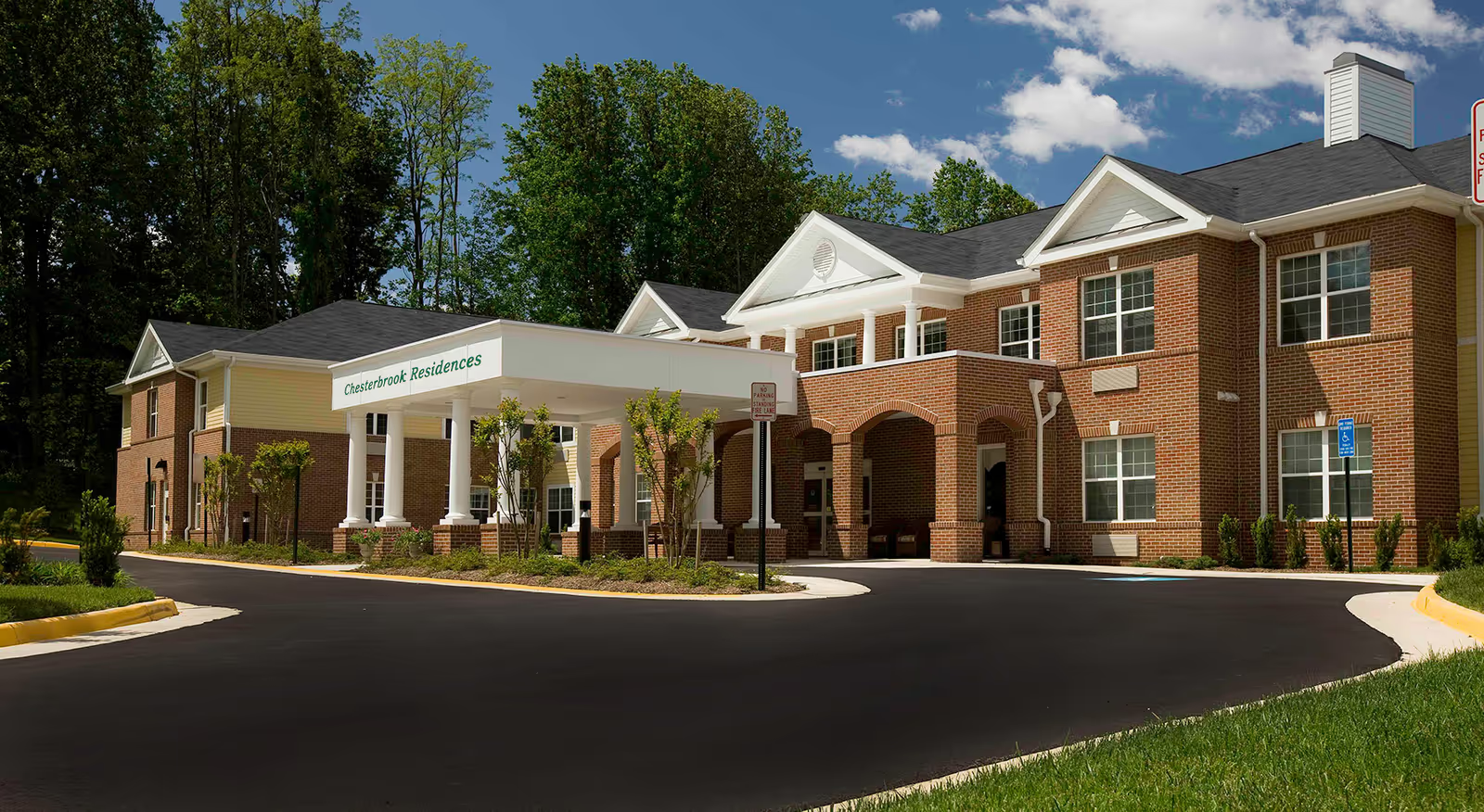
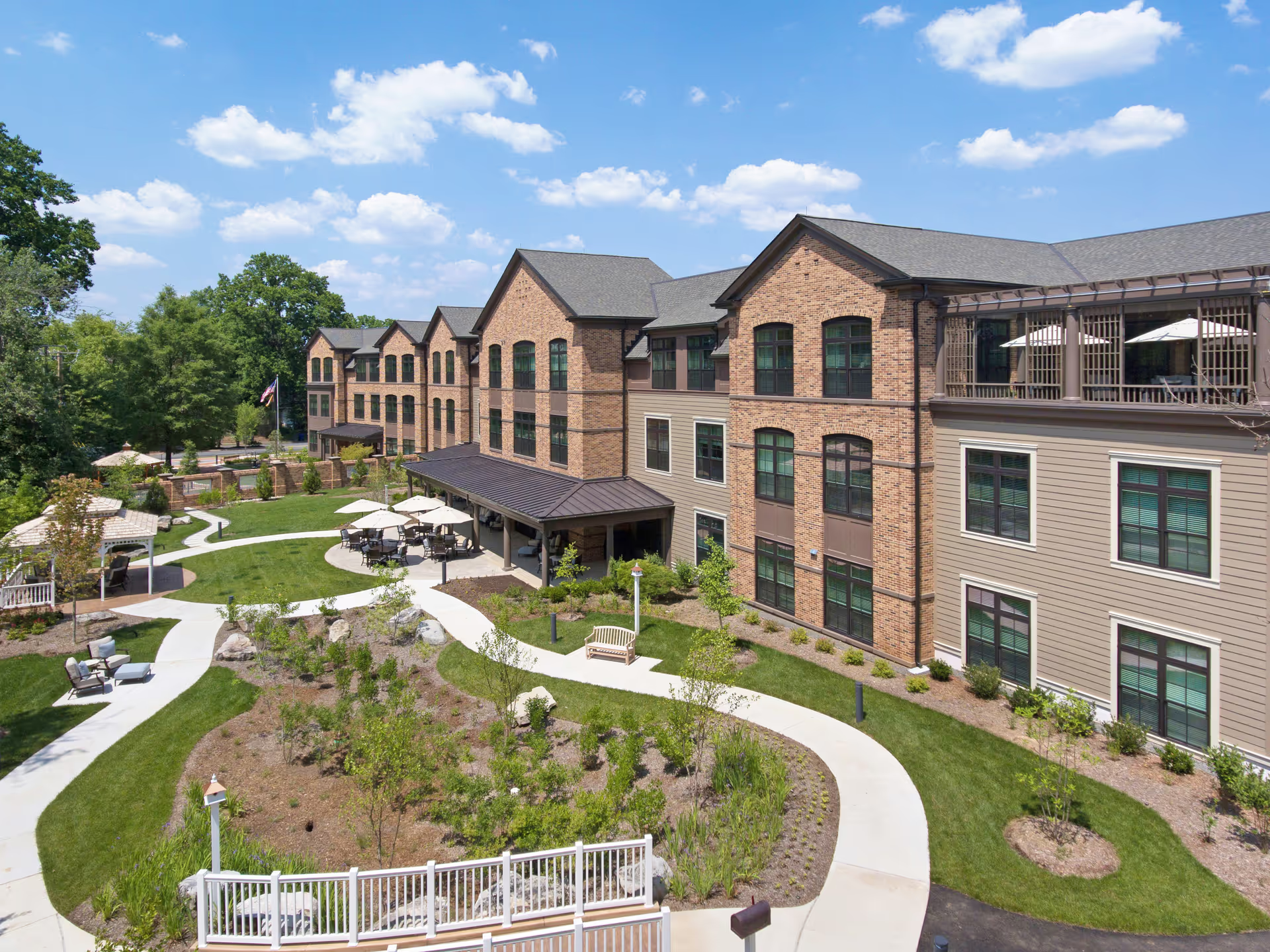
The Kensington Falls Church receives frequent praise for its clinical resources, hospitality, and programming. Reviewers consistently describe a well-appointed, recently built environment with hotel-like finishes, thoughtful holiday and event décor, and a broad calendar of activities that includes live music, outings to restaurants and markets, art and therapy-based programming, lectures, and family events. Dining is often characterized as gourmet and varied, with chef-driven meals and special-event cuisine; the community also offers on-site nursing, occupational and physical therapy, and memory-care expertise that many families find valuable for medical and rehabilitation needs.
Staff and clinical care are a central positive theme: many families describe compassionate, attentive aides, responsive nursing, and strong care coordination. Several reviews highlight effective medication management, timely medical follow-up, and rehabilitation progress under the facility’s in-house therapy teams. Memory-care leadership and dementia-aware approaches are noted as strengths, and move-in/onboarding processes are frequently described as smooth and supportive. Management involvement and proactive family communication are also common positives, with staff often described as treating residents with dignity and fostering a family-like atmosphere.
Counterbalancing those strengths are recurring operational concerns. Staffing levels and consistency emerge as the primary pattern-level weakness: reviewers indicate variability in care quality across shifts, occasional delays in responsiveness, and instances where families felt they needed to advocate actively to obtain attention or accommodations. Relatedly, there are concerns about staff conduct and transfer/personal-care handling that suggest the facility may have uneven training or supervision in certain clinical tasks. Communication gaps between care teams and families — including miscommunication during care transitions or following care-management changes — are described often enough to be considered an operational trait to probe.
Other practical issues reported include limitations in dietary accommodation for special needs, crowded common areas with seating shortages during peak times, and isolated cleanliness or sanitation concerns in some spaces. Cost is another consistent consideration: the community is described as high-end and correspondingly expensive, which factors into perceived value for some families. A few reviewers described a discrepancy between marketing impressions and lived experience, so prospective residents should evaluate expectations relative to contract and services.
Overall, Kensington Falls Church offers substantial clinical resources, varied programming, and a welcoming, well-appointed environment that many families find supportive and effective. At the same time, the community appears to experience operational variability in staffing, communication, and some service delivery areas. Prospective residents and families would benefit from focused questions during tours about staffing ratios and schedules, training and transfer protocols, specific dietary accommodation procedures, sanitation and housekeeping practices, and how the community manages care-team transitions and family communication. These targeted inquiries can help align expectations with the community’s strengths and identify whether the operational weaknesses are being actively addressed.