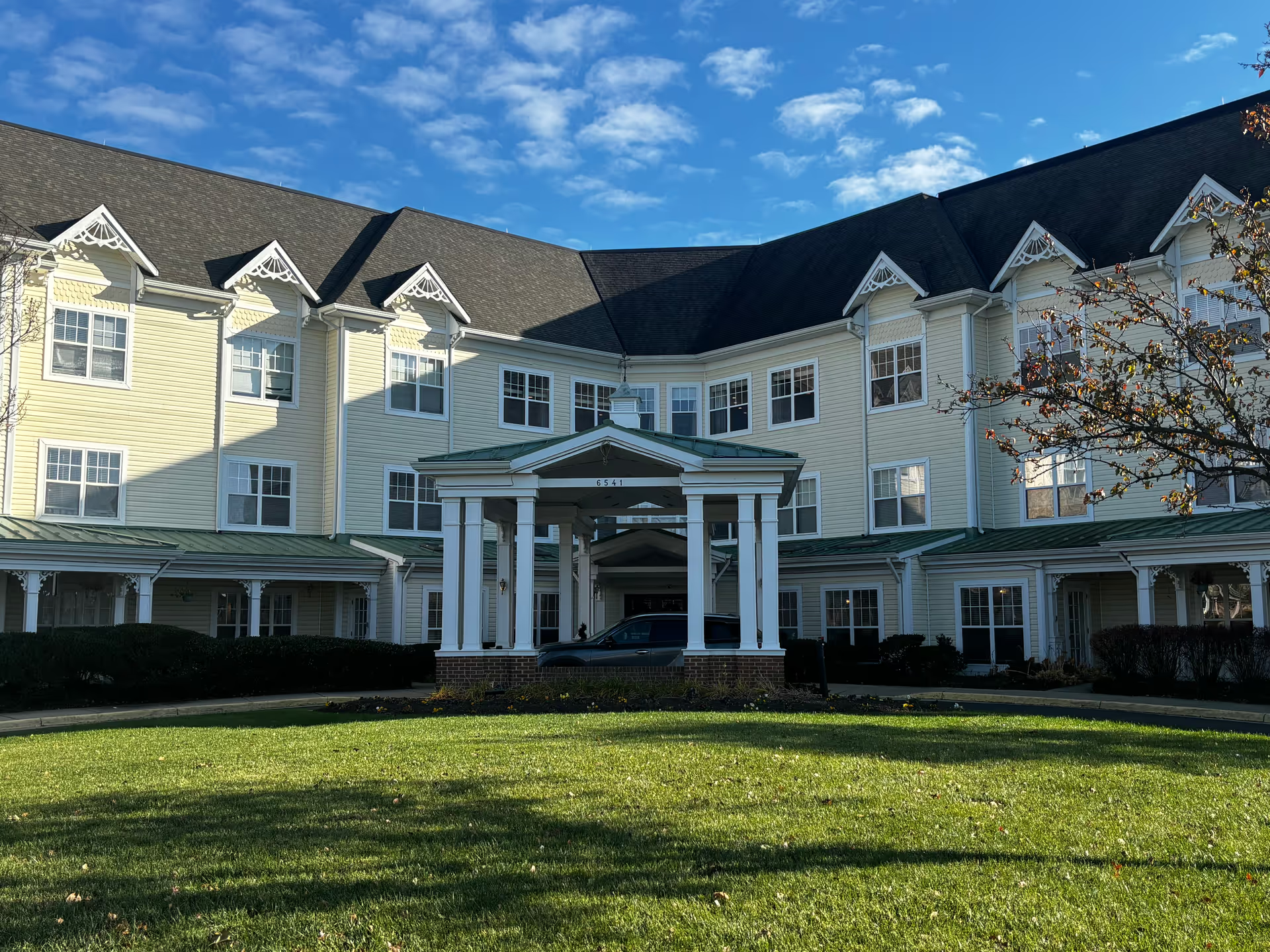
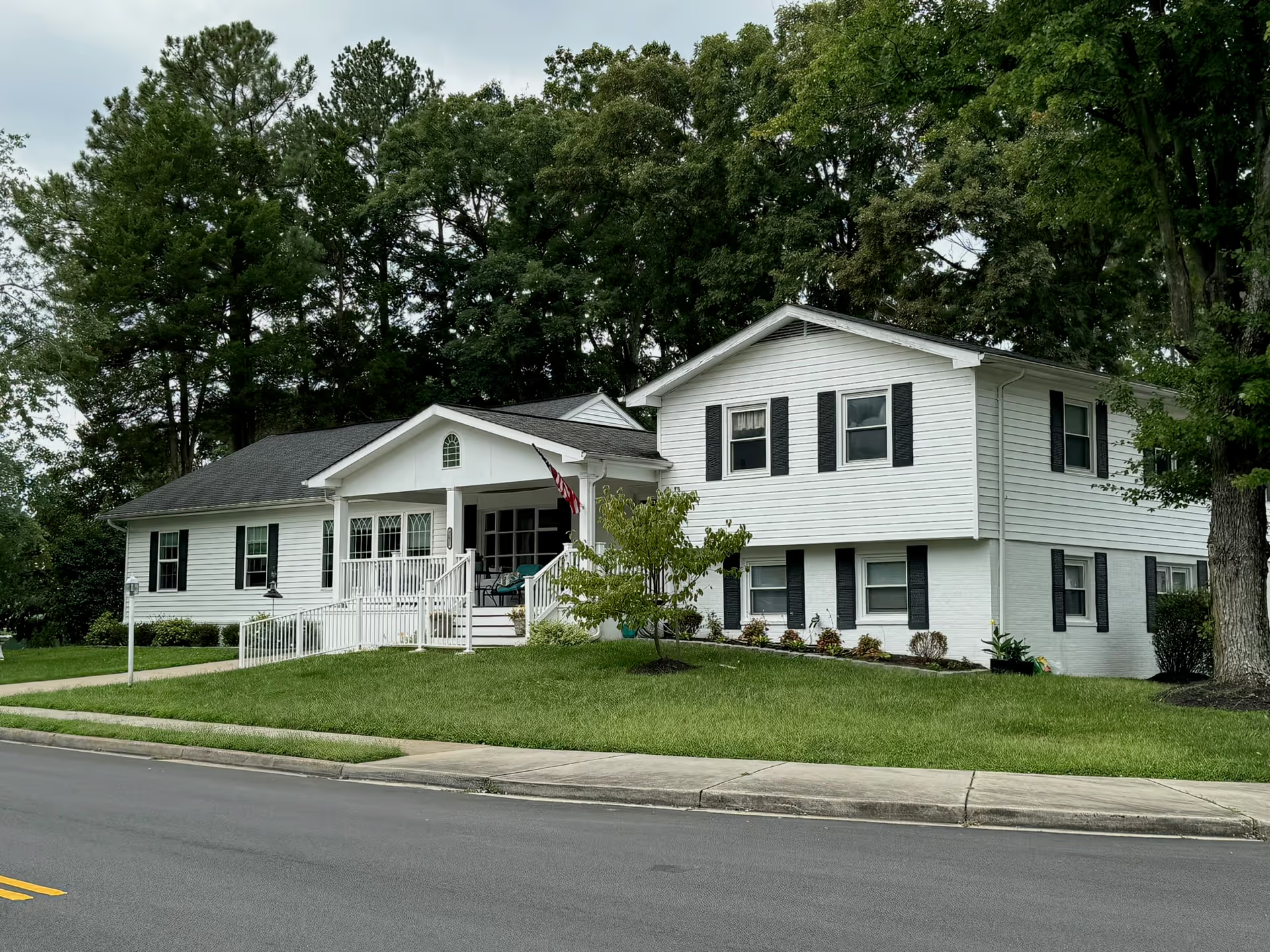
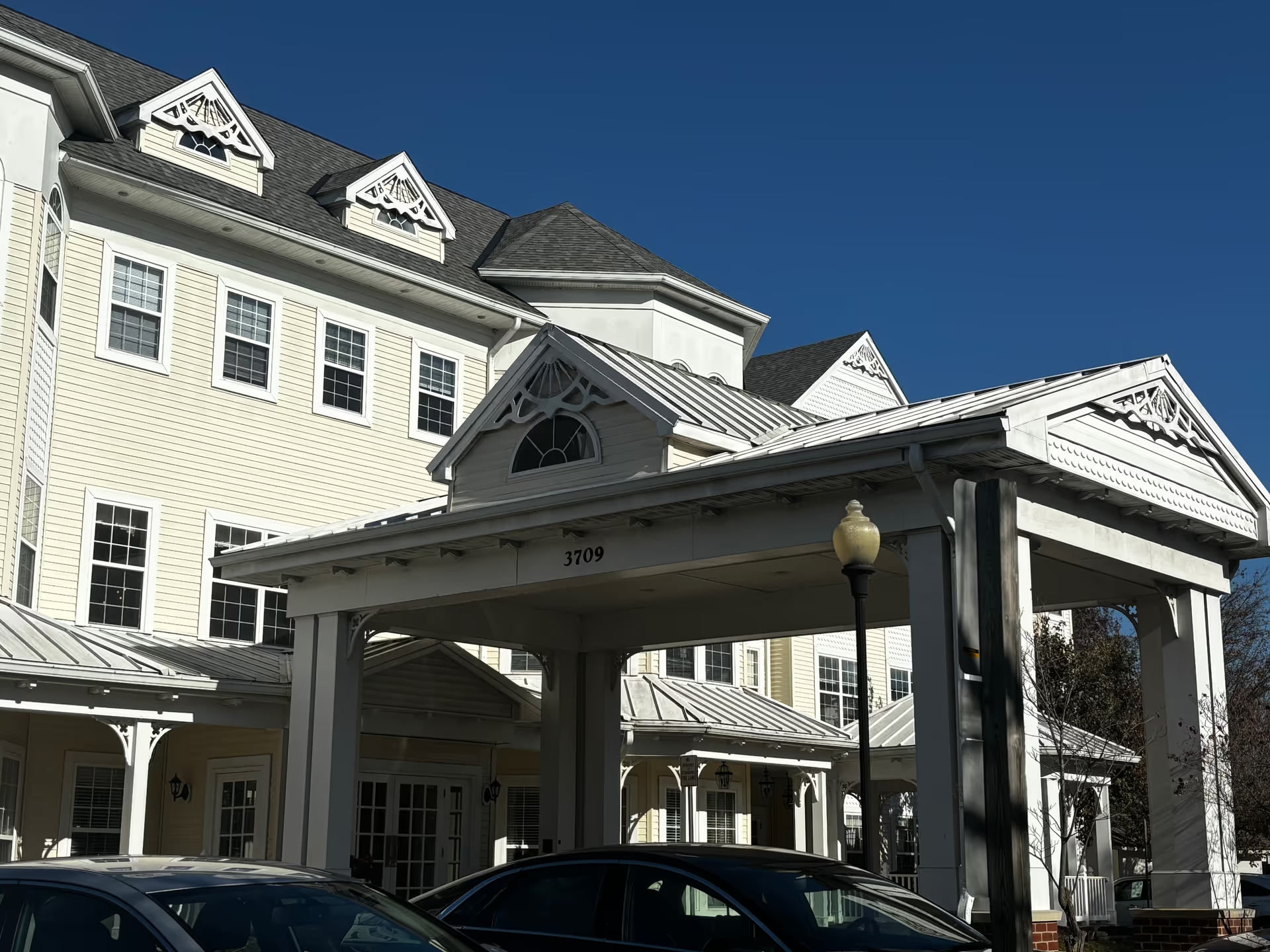
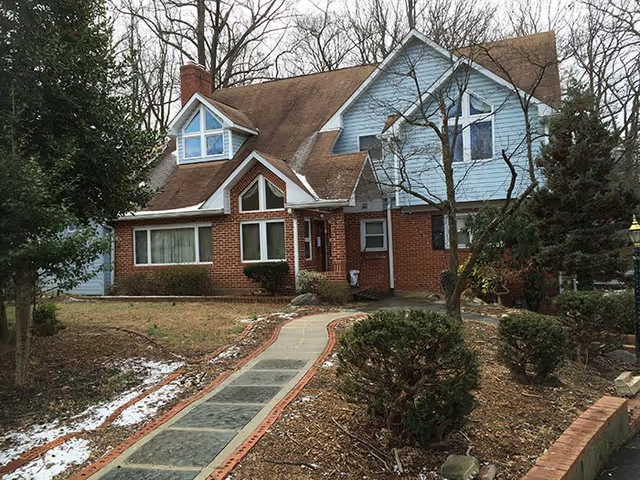
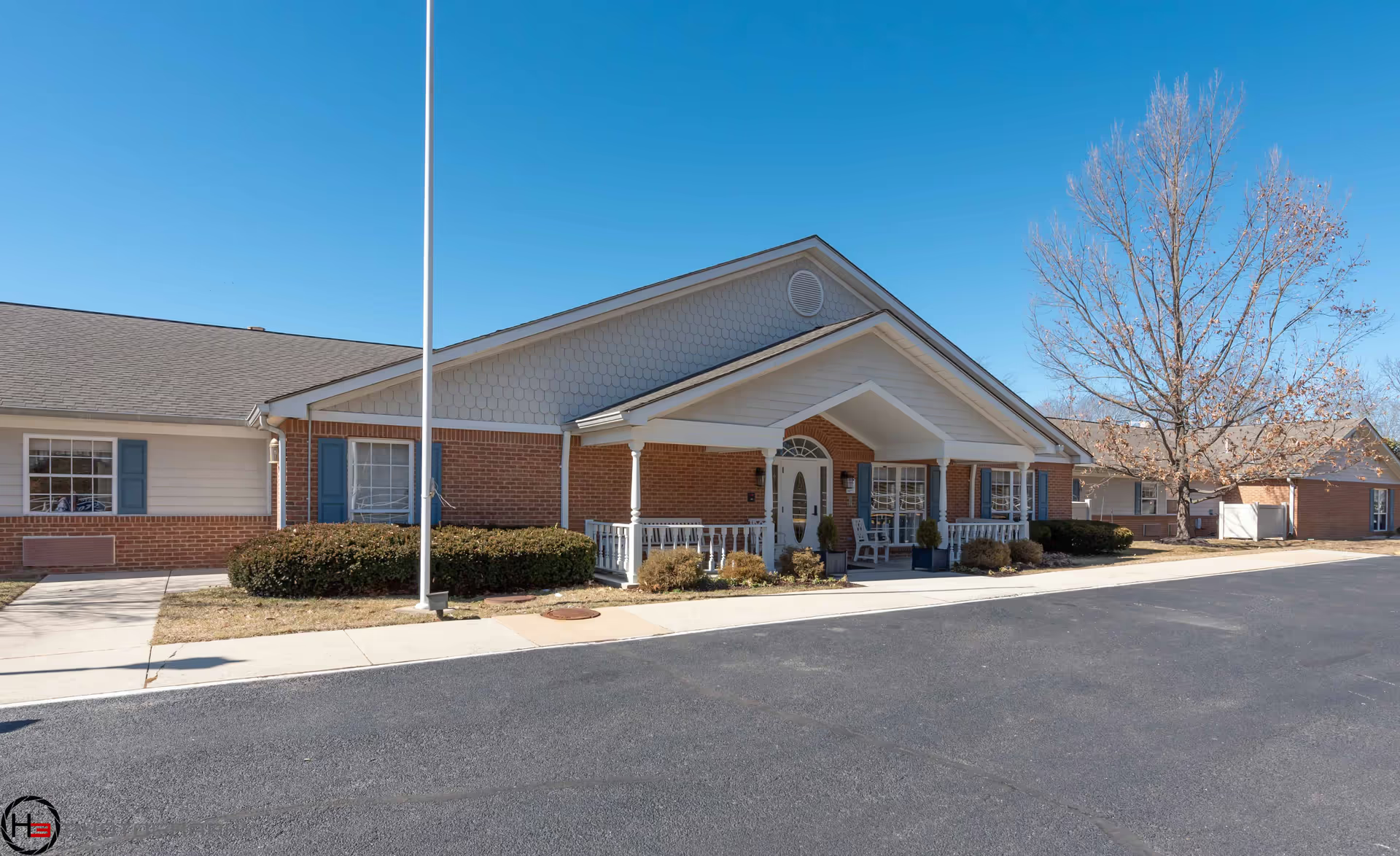
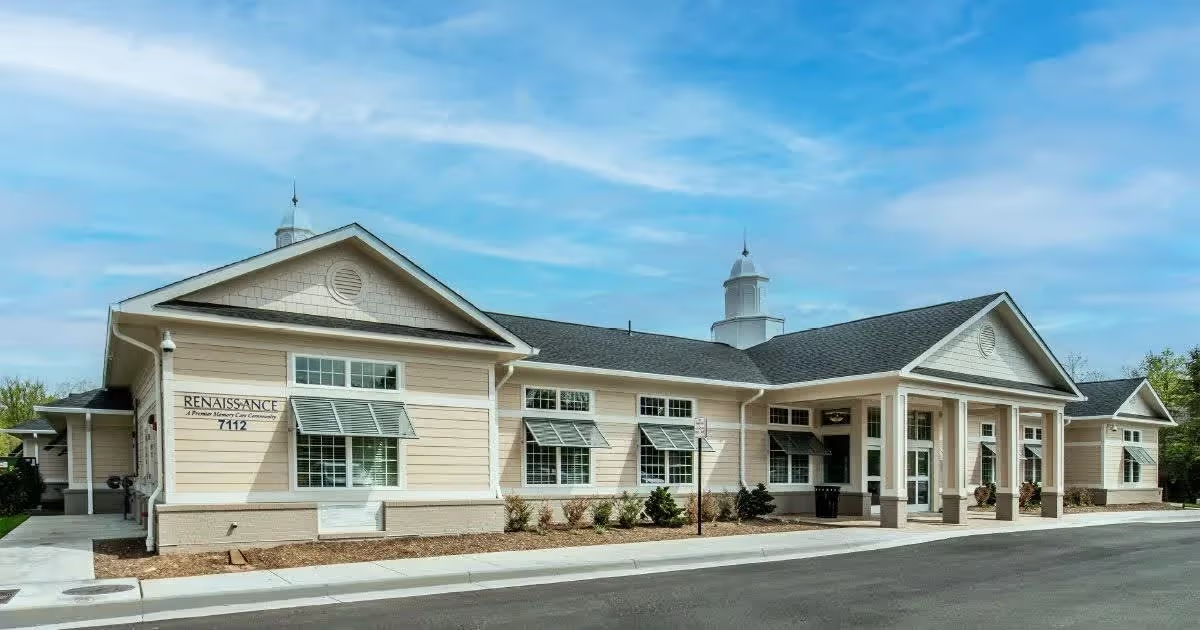
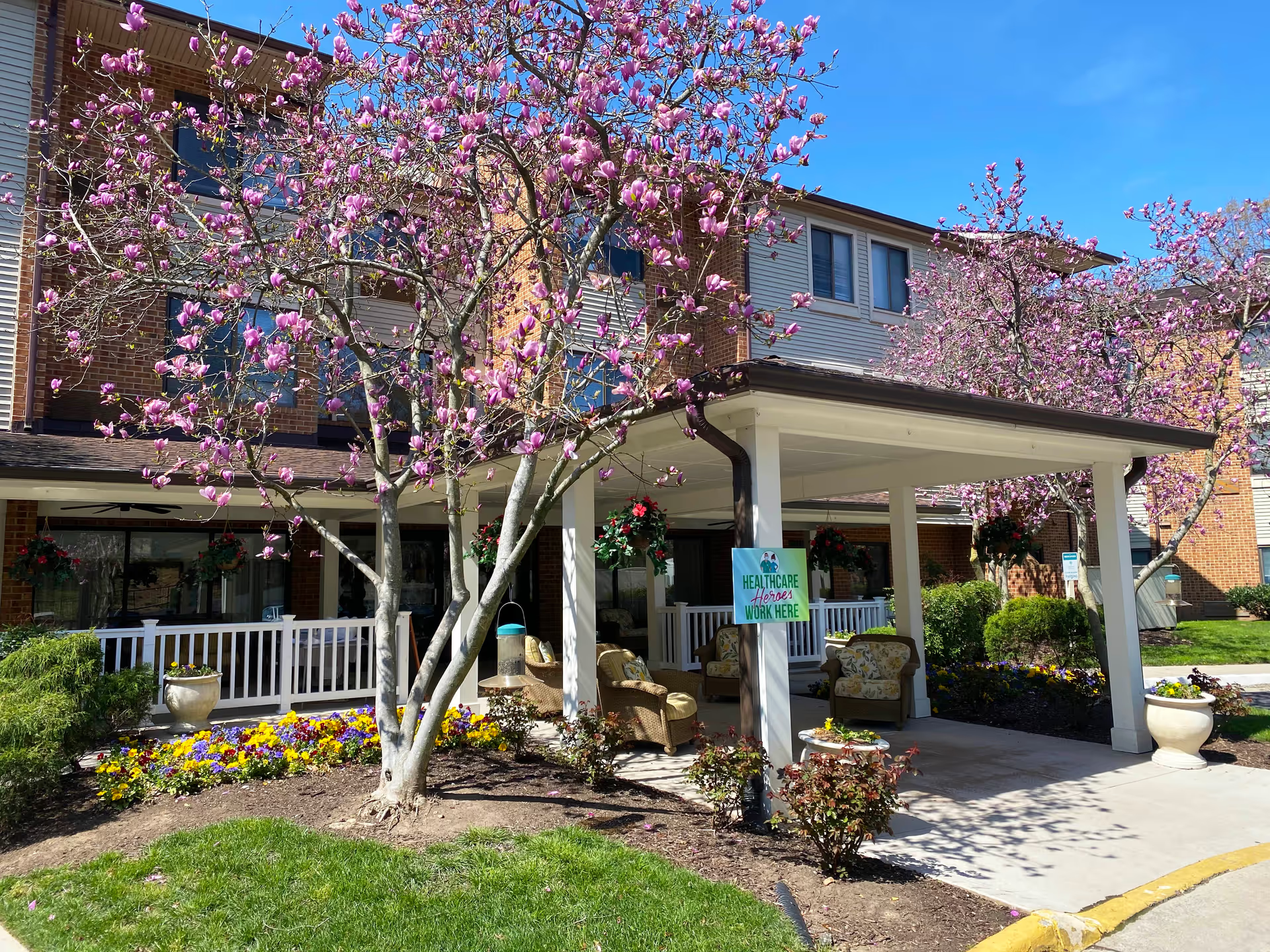
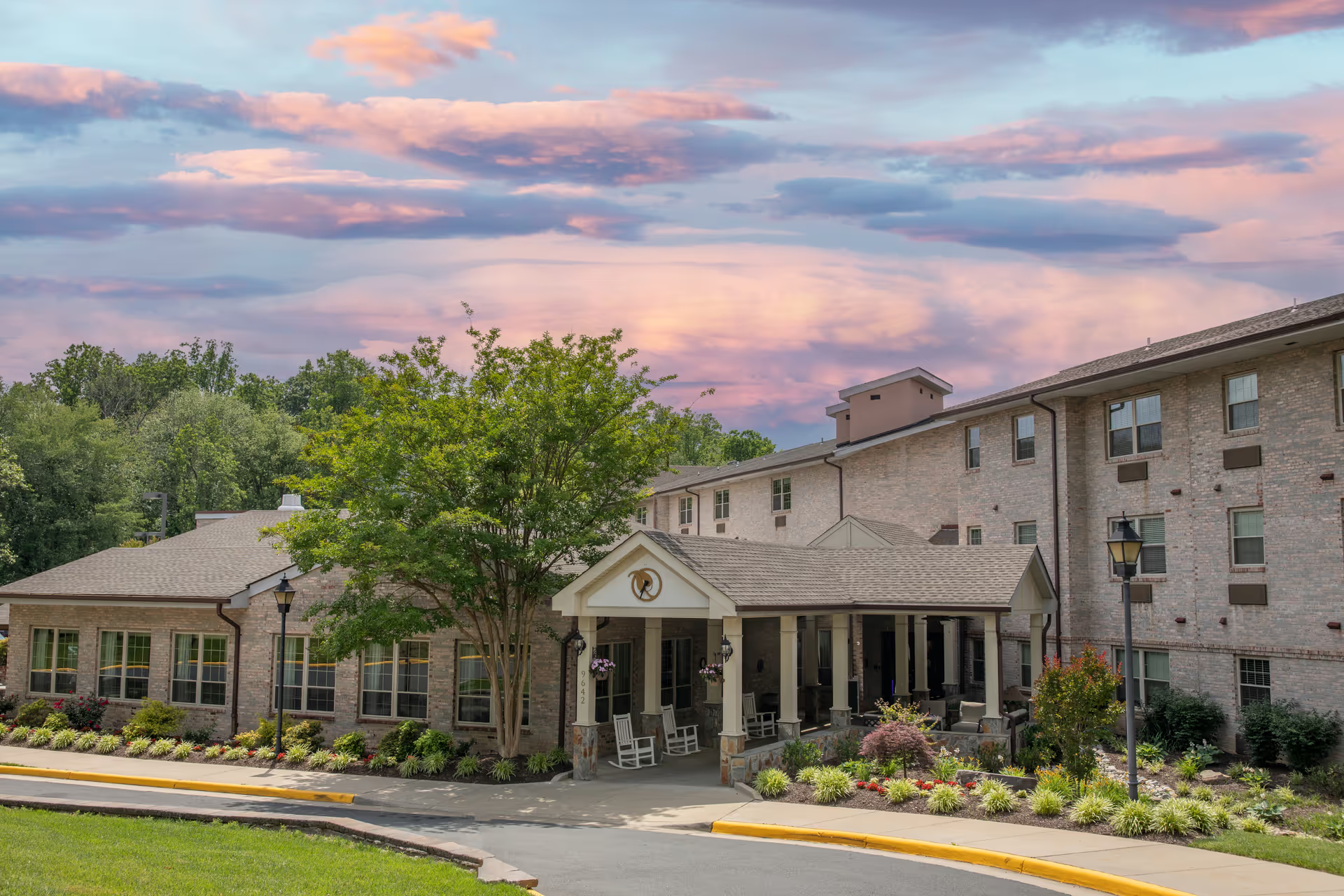
The Fairfax at Belvoir Woods is repeatedly described as an upscale, well-maintained continuing-care community with extensive indoor and outdoor amenities. Reviewers consistently highlight attractive landscaping, lakeside walking routes, a putting green, and interconnected, climate-controlled walkways. The physical plant includes a broad mix of housing—cottages, townhomes, and apartment plans with full kitchens—along with an indoor pool, fitness center, library, chapel, and large dining rooms. The campus is oriented toward older, active residents and has a distinct military-friendly culture and programming, which many residents and families find appealing.
Staff and care are frequently praised for warmth, personability, and engagement. Families report attentive, friendly aides and administrators who communicate during admissions and customization of units. The community offers on-site medical and therapy services, a physician presence at times, and a Life Care/aging-in-place option that appeals to people wanting long-term continuity of care. Activities programming is a notable strength: organized trips to cultural venues, regular social events, fitness classes, volunteer opportunities, religious programs, and resident-run clubs contribute to an active social life.
Dining and food service present a mixed picture. The facility’s dining spaces and presentation receive positive comments, and some residents describe scratch-made, varied menus and convenient meal-delivery when needed. At the same time, many accounts describe inconsistent food quality, hurried service, and preparation issues (overcooked proteins, under-seasoned vegetables), and several reviews identify a decline or variability in dining-service consistency. Prospective residents who prioritize high culinary standards should sample multiple meals and ask about dining management and recent changes.
Operationally, the community shows contrasts. Positive operational experiences include transparent cost conversations during tours, helpful admissions staff, and support around move-in for many families. Conversely, others report administrative confusion around billing statements, last-minute paperwork requests, and disorganization during move-in. Staffing levels and responsiveness appear uneven across units and shifts; reviewers cite delays in assistance, variability in staff professionalism, and specific concerns tied to nursing-floor oversight and rehab services. There are also comments indicating gaps in medication-management controls; while these appear in a minority of accounts, they are serious and warrant careful inquiry.
Affordability and fit are recurring themes. The Fairfax positions itself as a higher-end community with substantial entrance fees and monthly charges; reviewers consistently note that cost is a barrier for many prospective residents despite the value placed on amenities and the Life Care model. The campus footprint and spread of buildings mean the community is well suited to ambulatory, active residents but can be challenging for those with limited mobility who need frequent transfers between locations. Parking, locker-room, and some accessibility features received occasional negative remarks.
In sum, The Fairfax at Belvoir Woods offers an extensive amenity set, strong activity programming, and a generally warm resident culture supported by many caring staff members. However, reviewers point to recurring operational weaknesses—most notably inconsistent dining, variable staffing and responsiveness, administrative/billing confusion, and the need to confirm nursing and medication-management practices. Prospective residents should tour multiple times, dine on-site, review contract and billing details carefully, and ask specific questions about staffing ratios, medication oversight, and rehabilitation outcomes to determine fit for their clinical and financial needs.